


City Council Proposes Carriage Horse Ban Following Recent Death
NEW YORK — "The current model of carriage horse rides is unsustainable on congested Midtown streets," animal welfare advocate Edita Birnkrant said Tuesday. The statement followed the sudden collapse and death of a 16-year-old carriage horse on the southern loop, which has renewed intense legislative pressure on local lawmakers.
Legislative Push Targets Transit Zones Near Park Central Hotel
A coalition of city council members introduced a revised draft of Ryder's Law on Thursday, aiming to phase out horse-drawn carriages within Manhattan. The proposed bill would ban commercial horse operations in high-traffic zones, including the streets surrounding the park central hotel and Seventh Avenue.
Under the new legislative draft, the city would offer electric carriage conversion grants to existing medallion holders. This transition program is designed to protect the livelihoods of carriage drivers while removing animals from asphalt streets.
Veterinary Reports Spark Debate Over Urban Horse Stress
Independent veterinary reviews submitted to the Department of Health indicate that breathing exhaust fumes at ground level causes chronic respiratory illness in draft horses. Furthermore, the hard pavement of city streets contributes to joint degradation and hoof damage over multi-year working careers.
Supporters of the ban point to these clinical findings as proof that the city's current regulatory framework is insufficient. They argue that veterinary care standards cannot mitigate the daily physical strain of pulling tourist carriages in extreme summer heat.
Carriage Industry Representatives Dispute Ban Proposals
The Historic Horse Carriage Association of New York issued a statement defending their animal care protocols and safety records. The association claims that their horses receive regular veterinary care and spend several months each year resting on pasture farms outside the city.
Industry leaders argue that the proposed electric carriages would lack the historic appeal that attracts millions of international visitors to Manhattan each year. They claim that a total ban would lead to the immediate loss of over three hundred unionized jobs.
Historical Precedents of Manhattan Equine Carriage Laws
Manhattan has regulated horse-drawn commercial transit since the late nineteenth century, transitioning from primary public transit to a novelty tourism sector. Over the past twenty years, several administrations have attempted to restrict the carriages to designated interior park pathways to reduce street traffic conflicts.
Despite these efforts, carriage horses must still navigate active Midtown cross streets to travel between their stables and the park entrances. This constant exposure to commercial vehicles has led to several high-profile collisions that have intensified equine carriage regulatory debates over public safety.
City Council Schedules Public Hearing on Carriage Safety
The Committee on Transportation and Infrastructure has scheduled a public hearing on the proposed legislation for next month. Council members plan to hear testimony from veterinarians, transportation experts, carriage operators, and animal advocacy groups.
Legal experts suggest that any new ban will face immediate court challenges from the carriage medallion owners, who claim the law constitutes an unconstitutional taking of private property. City attorneys are currently reviewing the bill's language to ensure it can withstand potential lawsuits.
Frequently Asked Questions
What is Ryder's Law and how does it affect carriage horses?
Ryder's Law is a proposed city council bill that aims to replace horse-drawn carriages in New York City with electric-powered alternative vehicles. The goal of the legislation is to eliminate the physical strain and safety hazards associated with operating draft horses on busy city streets.
Where are the carriage horses housed when they are not working?
The licensed carriage horses are housed in several multi-level commercial stables located on the far West Side of Manhattan, primarily between West 37th and West 52nd streets. Drivers must walk the horses through active city traffic to reach the park entrances.
Related Articles
More in Park Operations & Maintenance →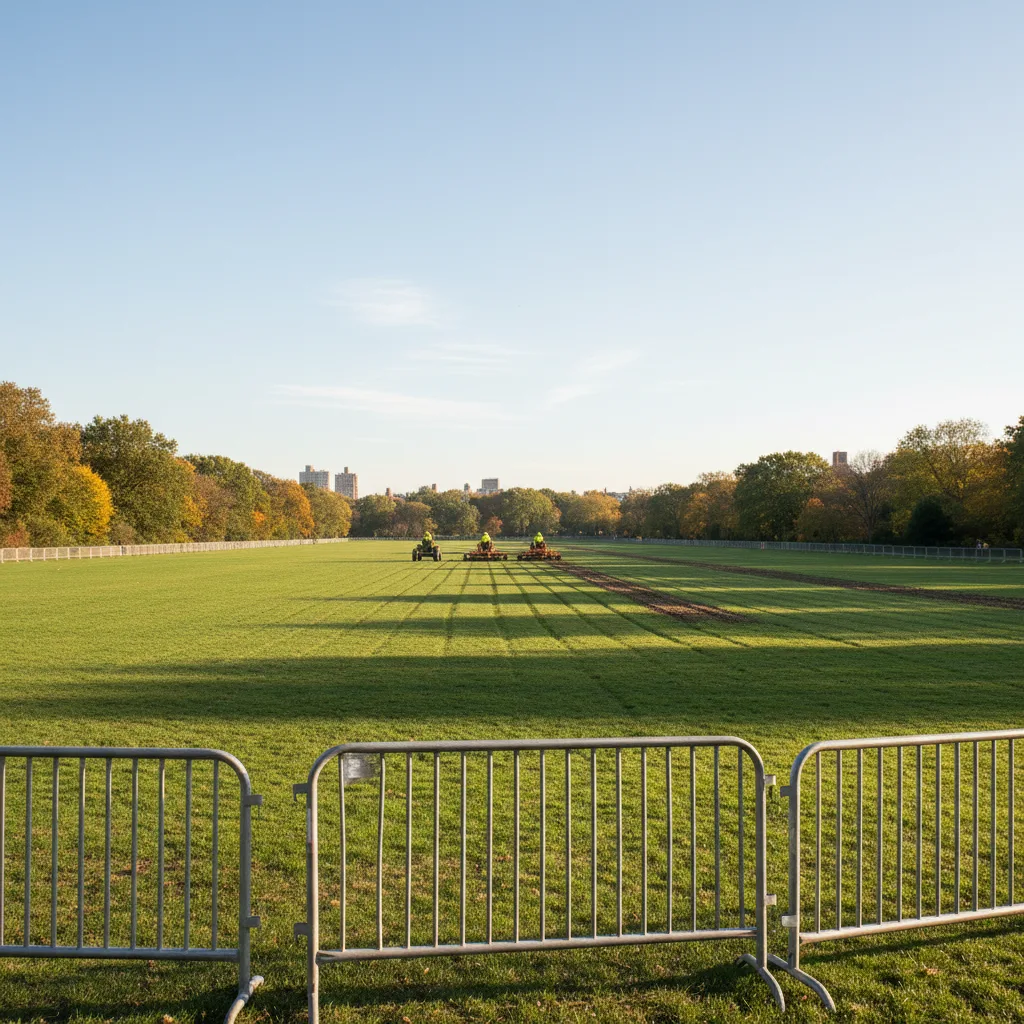
Central Park Conservancy Closes Great Lawn for Scheduled Maintenance
The Central Park Conservancy closed the Great Lawn through October 2, 2026, for scheduled maintenance, impacting weekend activities. Essential upkeep ensures the iconic green space remains vibrant for visitors.
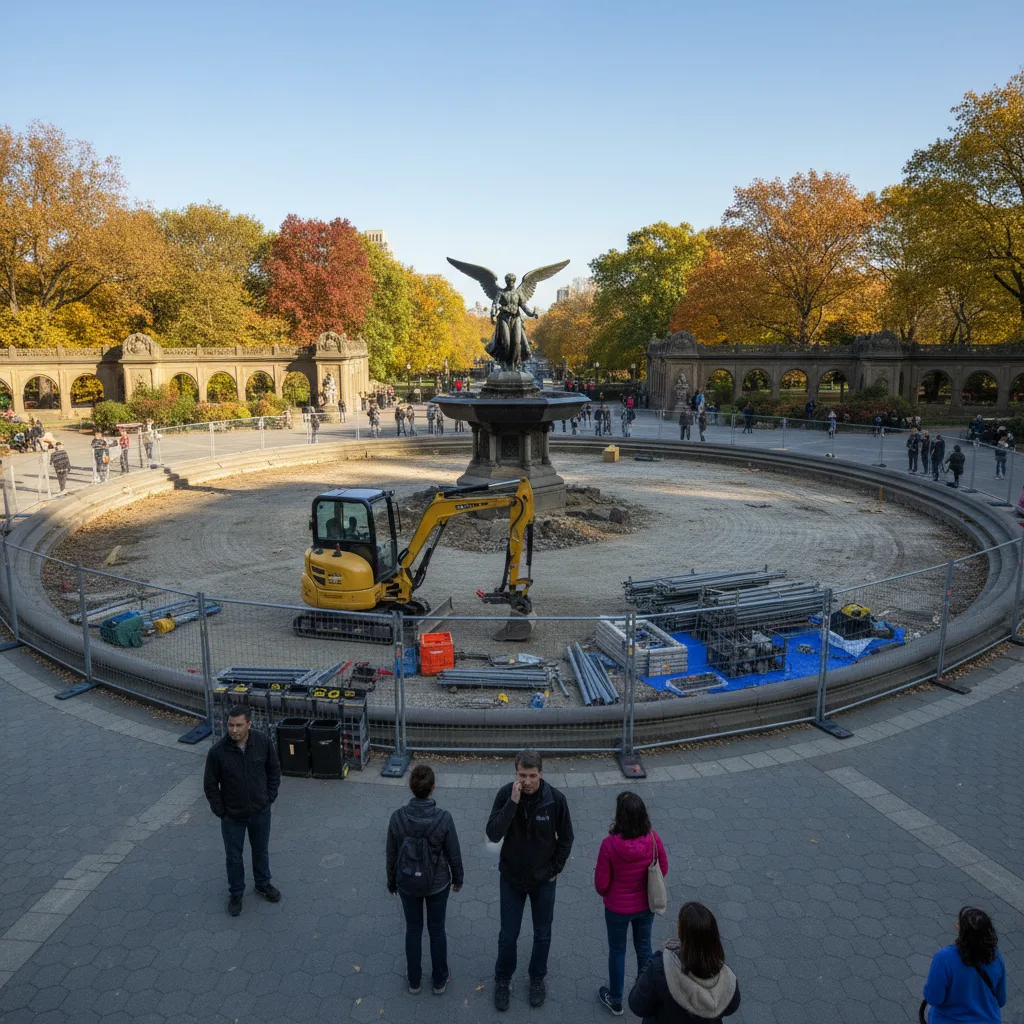
Central Park Conservancy Announces Bethesda Fountain, Great Lawn Closures
Central Park Conservancy announced Bethesda Fountain is off for restoration and the Great Lawn closed through October 2, 2026 for maintenance, affecting visitor access.
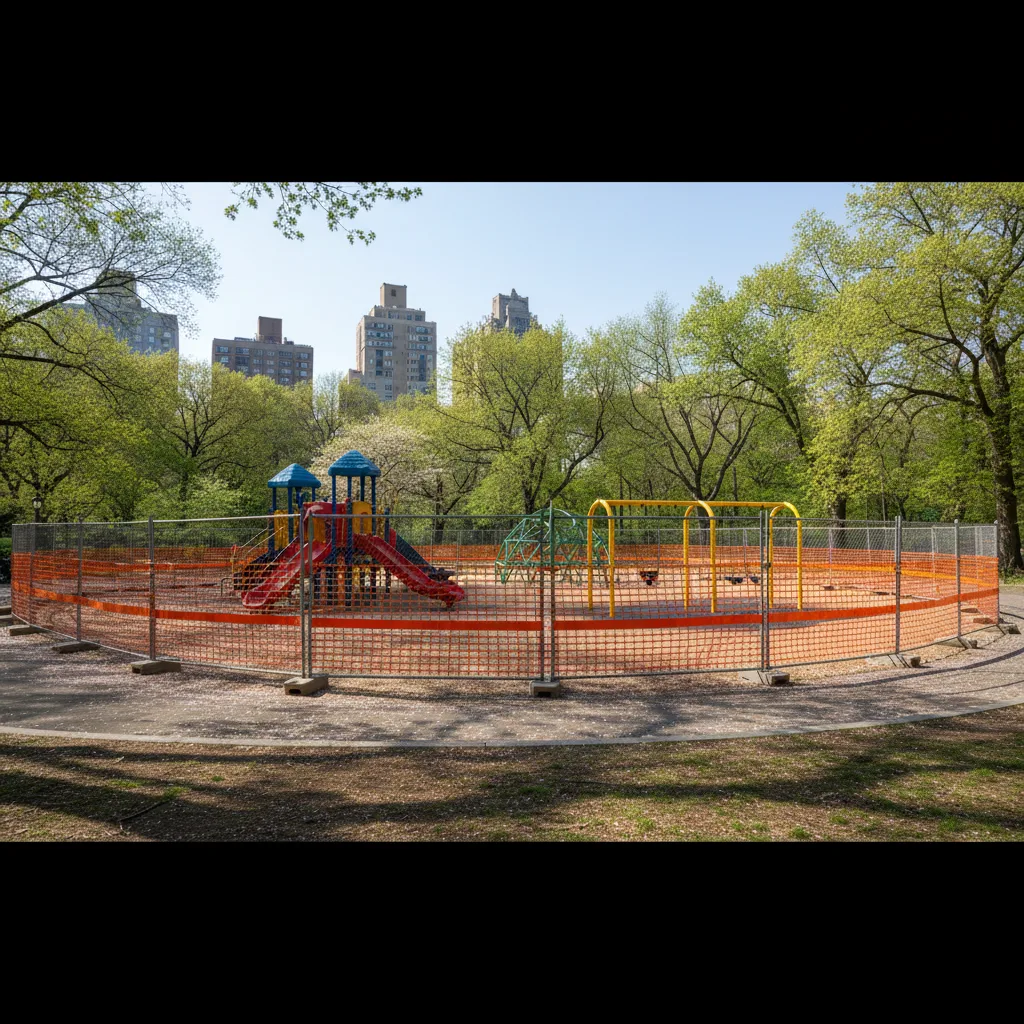
Central Park Conservancy Closes East 110th Street Playground for Restoration
Central Park Conservancy closed the East 110th Street Playground for restoration, while North Meadow and Heckscher ballfields shut due to weather. Plan your visit; check alerts for closures impacting recreation in Central Park.
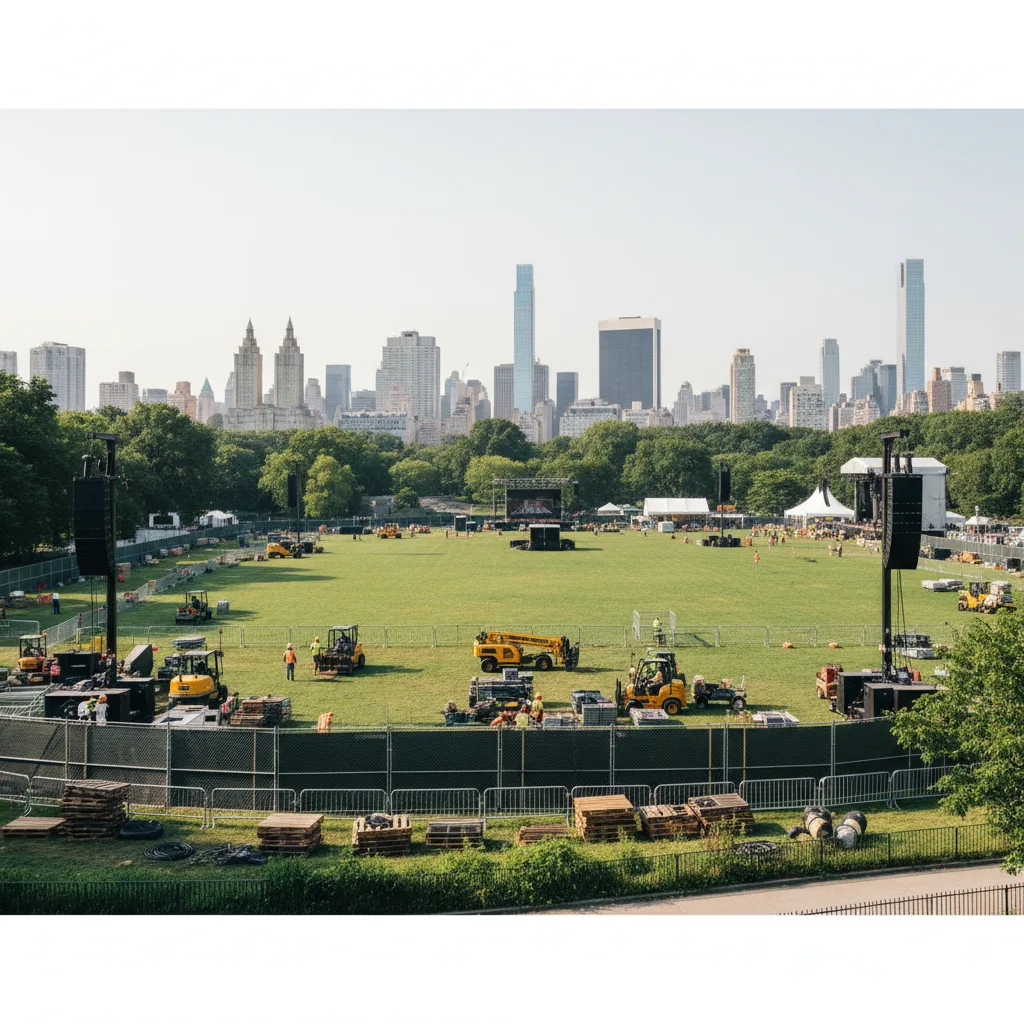
Central Park Conservancy Closes Great Lawn for Global Citizen Festival
Central Park Conservancy confirmed the Great Lawn is closed through September 26, 2026, for the Global Citizen Festival, affecting access to Belvedere Castle and Turtle Pond. Local residents and visitors should plan alternate routes and expect traffic delays around the park's perimeter.
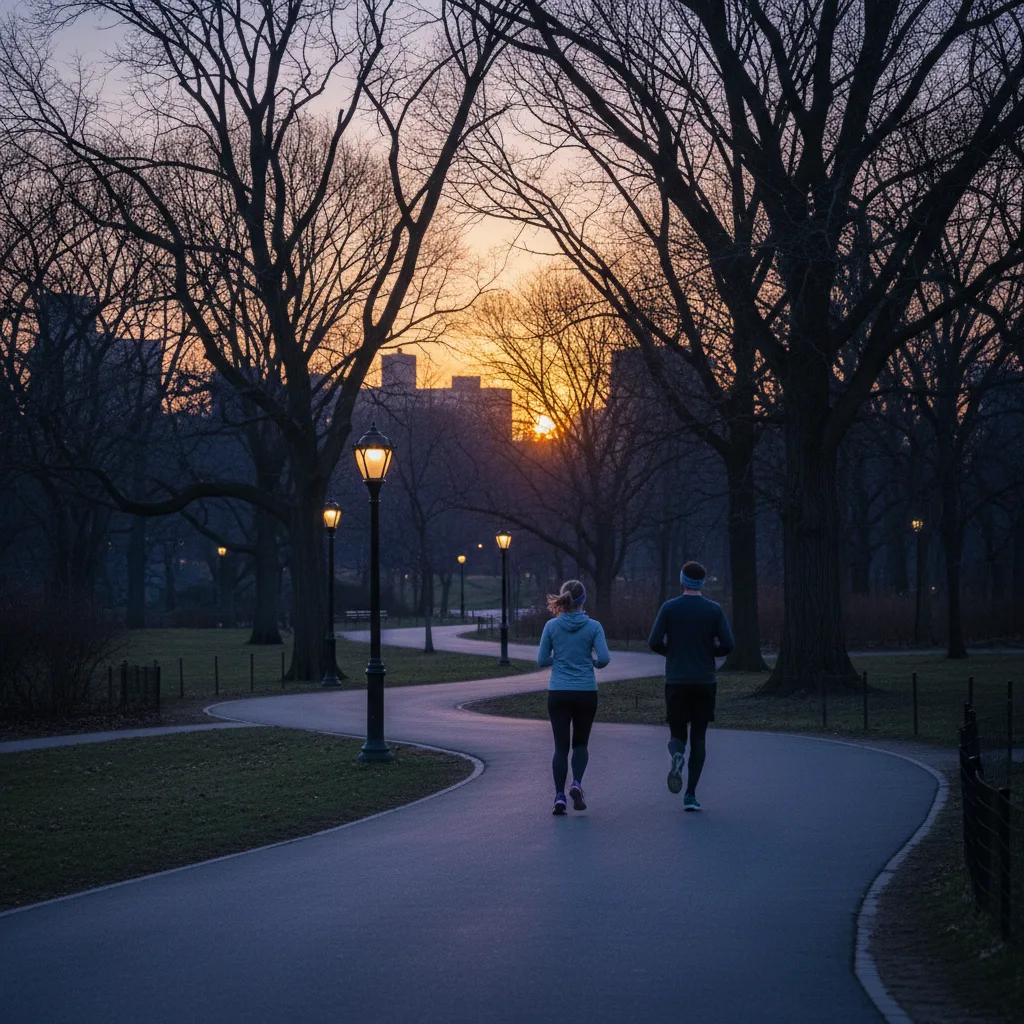
Central Park Conservancy Confirms 2026 Daily Operating Hours
Central Park Conservancy confirms 2026 daily hours: 6:00 a.m. to 1:00 a.m. This notice is for visitor planning, not a change.
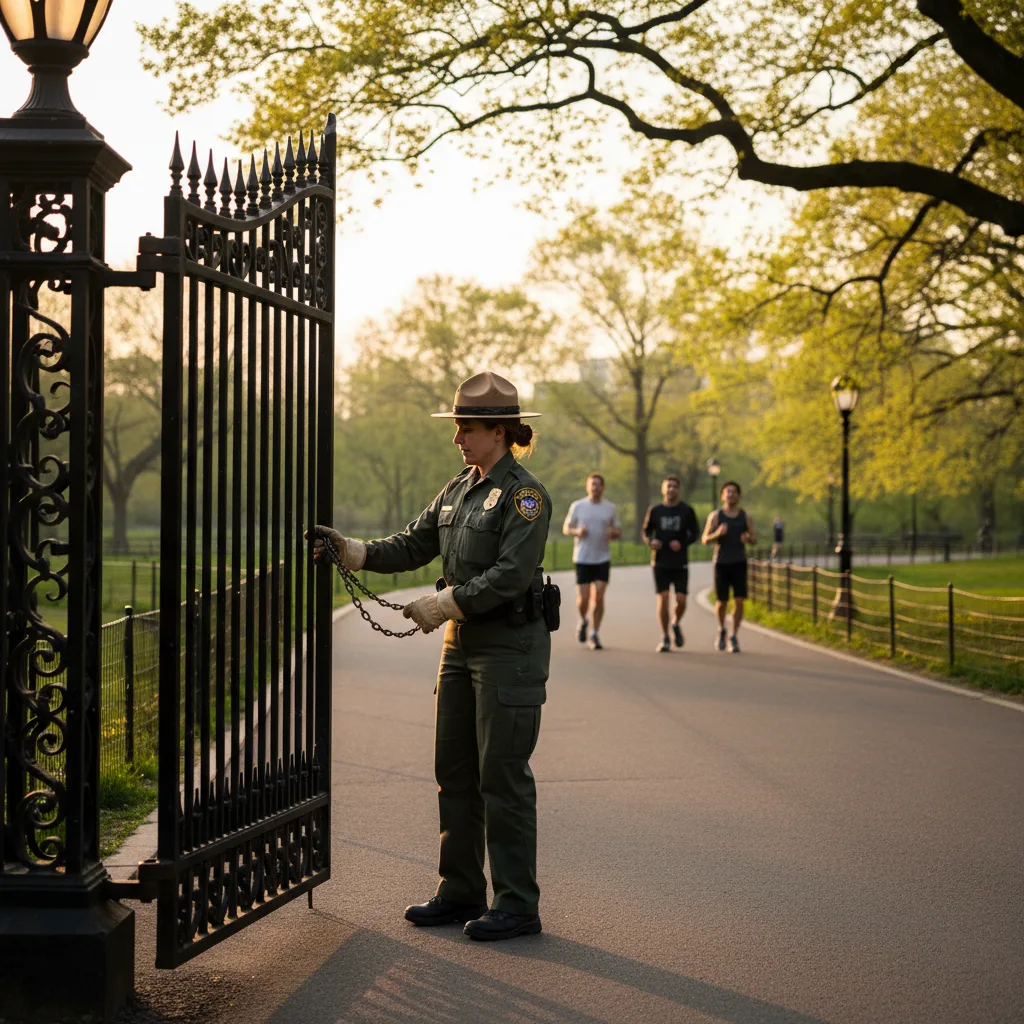
Central Park Conservancy Announces Park Hours Update for 2026
Central Park Conservancy announced updated 2026 park hours, maintaining 6:00 a.m. to 1:00 a.m. access daily. This schedule balances public enjoyment with critical maintenance and security operations.