


Central Park Carriage Horse Death Triggers Intense Legislative Debate
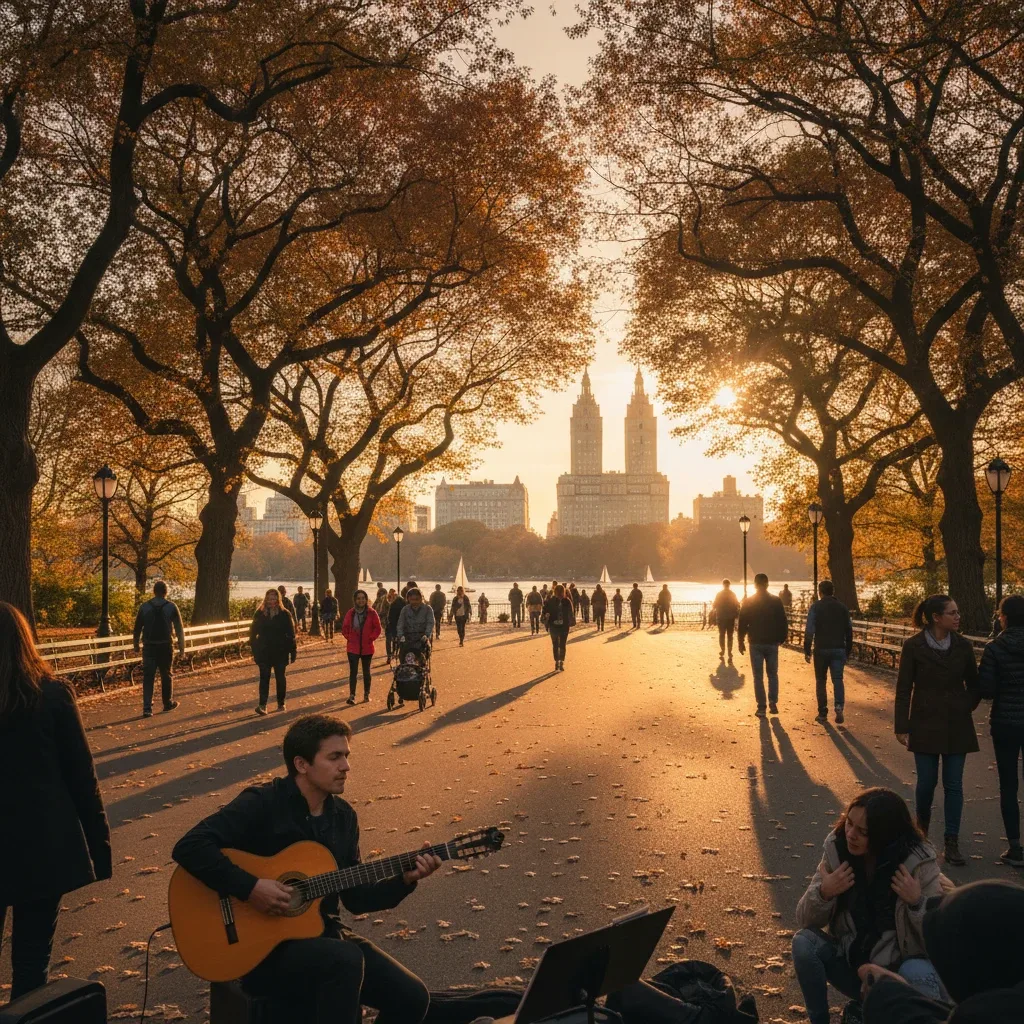
NEW YORK — A carriage horse collapsed and died on the asphalt near the corner of West 59th Street and Sixth Avenue on Tuesday, according to CBS News New York. The incident immediately reignited intense political debates over the future of the carriage industry in Manhattan.
The animal, a 16-year-old gelding, became unresponsive while returning to the stables during the midday shift, prompting an emergency response from veterinary units. The street corner was temporarily blocked off by police tape as animal welfare workers worked to recover the horse.
Tragic Midday Incident Shakes Busy Southern Transit Corridor
CBS News New York reported that the collapse occurred during peak traffic hours, drawing a distressed crowd of onlookers who watched from the sidewalk. Witnesses reported seeing the horse stagger before falling near the entrance to the park.
"The horse was clearly struggling against the weight of the carriage before it went down," said bystander Alyssa Torres, who witnessed the incident from a nearby bench. NYPD officers from the Midtown North Precinct arrived on the scene within ten minutes to secure the perimeter.
Veterinary Report Highlights Undetected Cardiovascular Condition
Preliminary necropsy results released by the Department of Health indicate that the horse suffered a sudden cardiac event. Industry advocates stressed that the animal had passed a comprehensive physical examination just three weeks prior to the incident.
"This was an unforeseen medical emergency that could not have been predicted," said Stephen Malone, spokesperson for the Carriage Operators Association. He added that the industry adheres to the highest standards of animal welfare mandated by municipal laws.
Apartment Owners Group Voice Safe-Street Priorities
The disruption has caught the attention of local real estate boards representing the high-value properties that border Central Park South. Residents living in premium central park apartments have expressed growing frustration over the frequent traffic standoffs and protests taking place directly outside their lobbies.
These building associations have formally petitioned the City Council to establish designated carriage-free buffer zones around residential entrances to improve pedestrian safety. Several co-op boards have cited the persistent odor and constant noise of industrial horse trailers as factors impacting local quality of life.
Coalition Renews Campaign for Electric Carriage Transition
Animal advocacy groups seized on the tragedy to demand the immediate passage of Ryder's Law, which would phase out horse-drawn carriages in favor of vintage-style electric vehicles. Protesters gathered outside the park's southern gates on Wednesday evening, holding candles and signs calling for an end to the practice.
The public outrage mirrors the recent one hotel central park carriage protests, which saw hundreds of activists block traffic to demand immediate regulatory action. Organizers vowed to maintain a daily presence near the carriage stands until legislative leaders schedule a formal vote on the ban.
Legislative Actions Target Commercial Horse Permits
City Council Speaker Adrienne Adams confirmed that the Committee on Transportation will hold an oversight hearing next month to review the enforcement of current veterinary standards. Critics argue that the current inspection system relies too heavily on self-reporting by the carriage owners.
"We must determine whether the existing regulations are sufficient to protect these animals in a modern urban environment," Adams said in a statement released Wednesday afternoon. The proposed legislation would also establish a transitional fund to support carriage drivers during the shift to electric options.
Frequently Asked Questions
What are the current weather regulations governing horse carriage operations?
Under NYC administrative code, carriage horses must not operate when the temperature reaches 90 degrees Fahrenheit or higher, or when the wind chill drops below 19 degrees. The Department of Consumer and Worker Protection is responsible for monitoring these weather conditions and issuing suspension notices to operators.
How many licensed carriage horses currently operate within the park?
There are currently 68 active commercial medallions issued by the city, allowing roughly 200 licensed horses to rotate shifts throughout the year. Each horse is required to receive at least five weeks of pasture vacation at an approved farm annually.
Related Articles
More in Park Operations & Maintenance →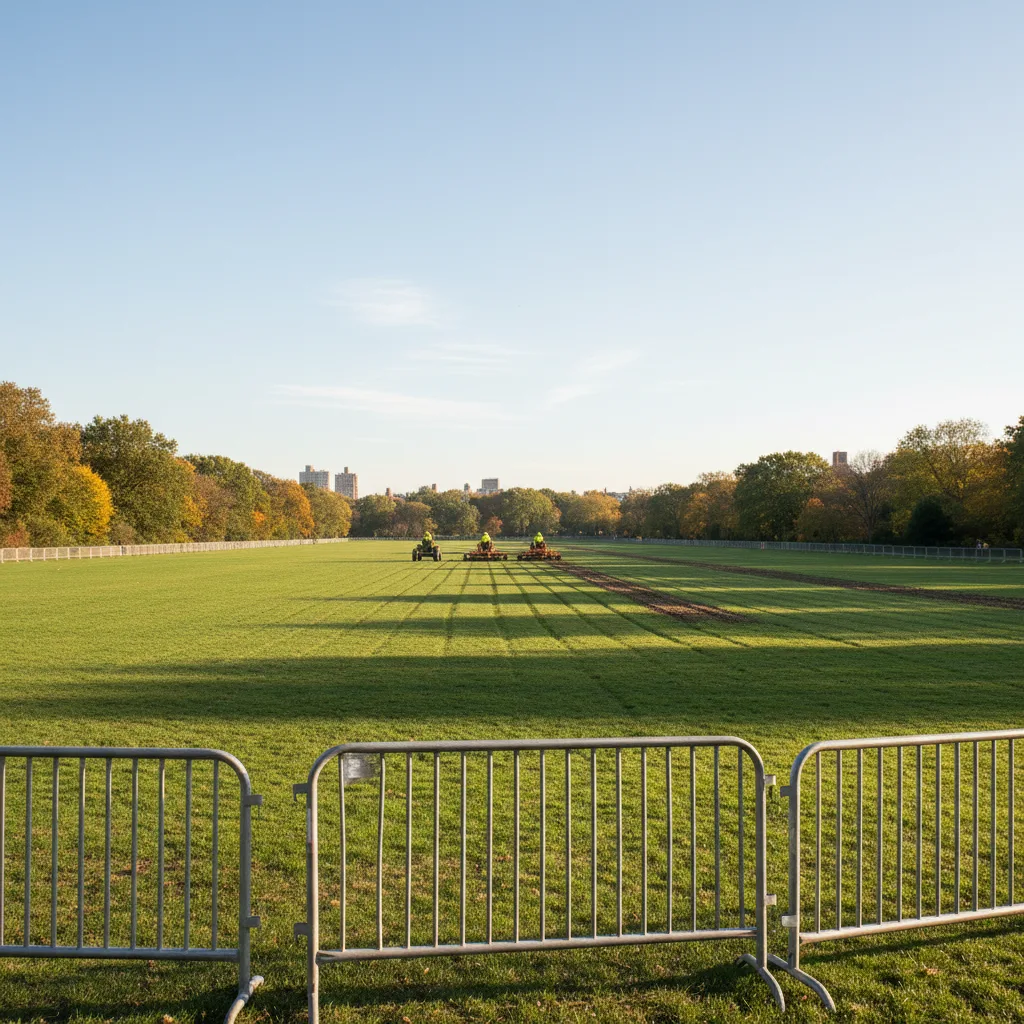
Central Park Conservancy Closes Great Lawn for Scheduled Maintenance
The Central Park Conservancy closed the Great Lawn through October 2, 2026, for scheduled maintenance, impacting weekend activities. Essential upkeep ensures the iconic green space remains vibrant for visitors.
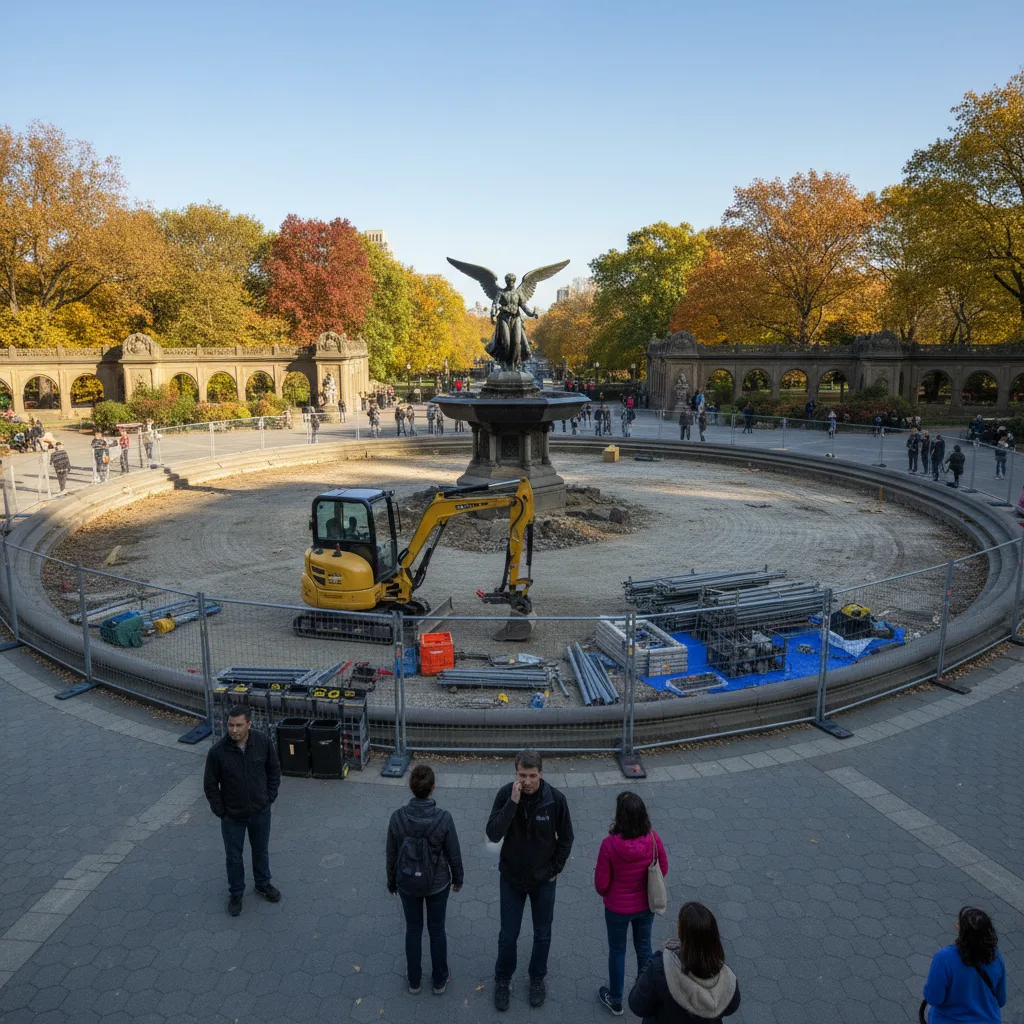
Central Park Conservancy Announces Bethesda Fountain, Great Lawn Closures
Central Park Conservancy announced Bethesda Fountain is off for restoration and the Great Lawn closed through October 2, 2026 for maintenance, affecting visitor access.
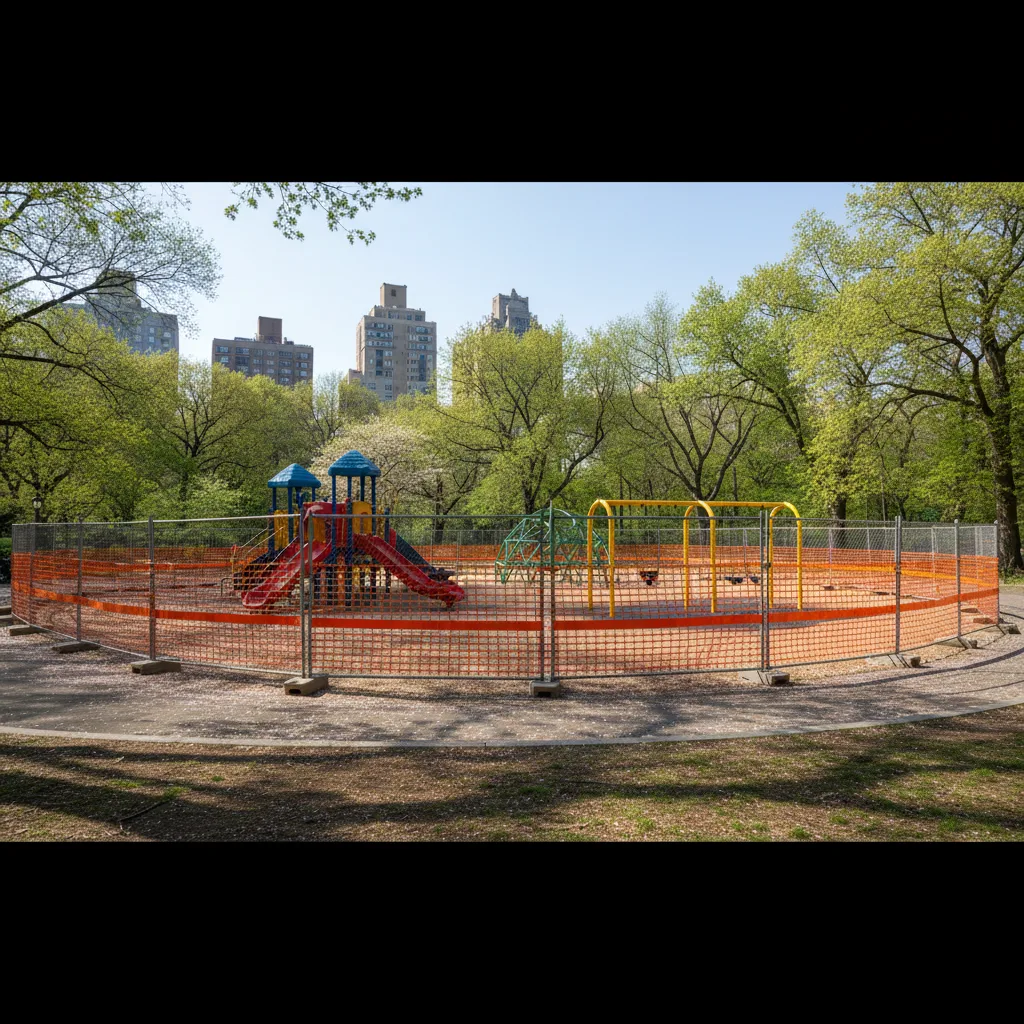
Central Park Conservancy Closes East 110th Street Playground for Restoration
Central Park Conservancy closed the East 110th Street Playground for restoration, while North Meadow and Heckscher ballfields shut due to weather. Plan your visit; check alerts for closures impacting recreation in Central Park.
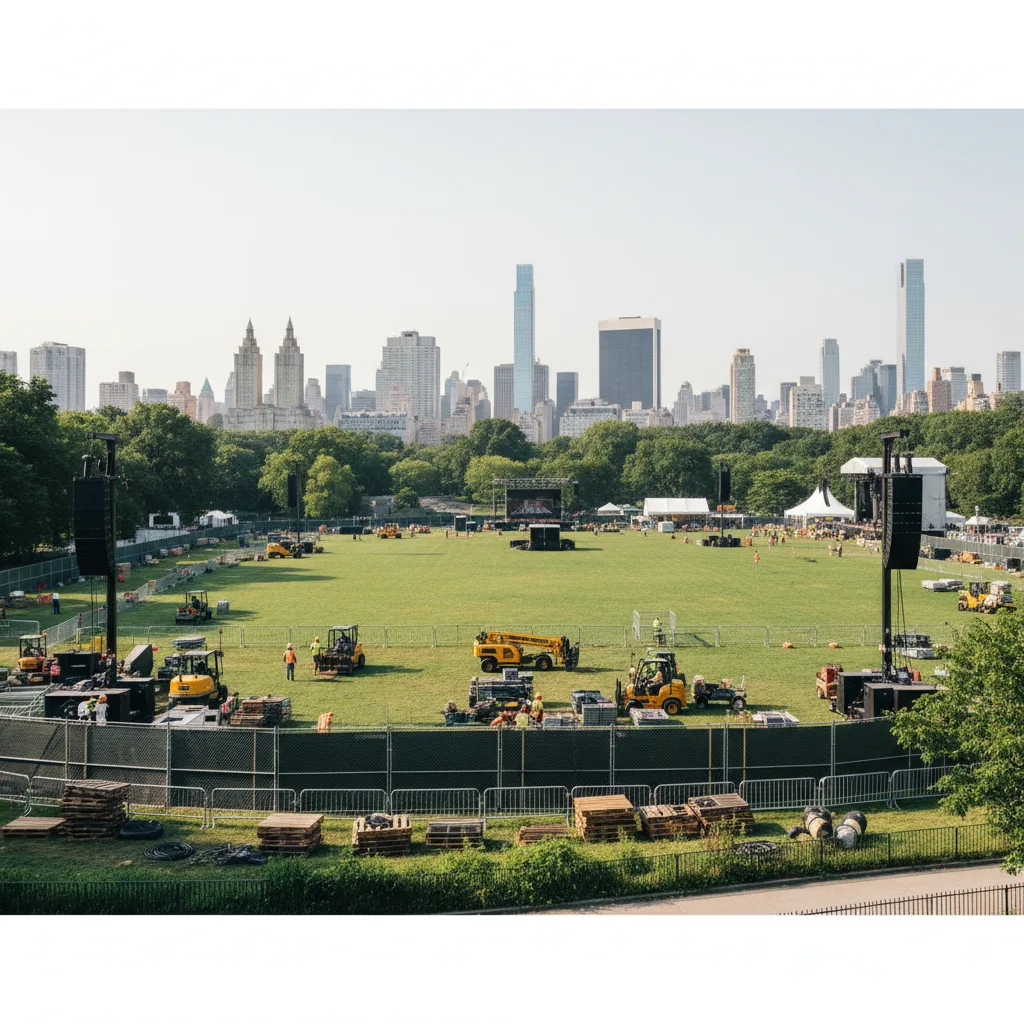
Central Park Conservancy Closes Great Lawn for Global Citizen Festival
Central Park Conservancy confirmed the Great Lawn is closed through September 26, 2026, for the Global Citizen Festival, affecting access to Belvedere Castle and Turtle Pond. Local residents and visitors should plan alternate routes and expect traffic delays around the park's perimeter.
Central Park Conservancy Confirms 2026 Daily Operating Hours
Central Park Conservancy confirms 2026 daily hours: 6:00 a.m. to 1:00 a.m. This notice is for visitor planning, not a change.
Central Park Conservancy Announces Park Hours Update for 2026
Central Park Conservancy announced updated 2026 park hours, maintaining 6:00 a.m. to 1:00 a.m. access daily. This schedule balances public enjoyment with critical maintenance and security operations.