


NYPD Investigates Death of 16-Year-Old Carriage Horse in Central Park
NEW YORK — NYPD Deputy Commissioner Tarik Sheppard confirmed Tuesday that a 16-year-old carriage horse collapsed and died inside Central Park, according to ABC7 New York. The sudden death occurred during the afternoon shift near the busy West 59th Street entrance.
Heavy autumn leaves blanketed the pavement near the Center Drive pathway, where the sound of carriage wheels usually blends with the quiet hum of the park. Police officers cordoned off the immediate area to protect the animal from public view while awaiting veterinary transport.
The incident drew a large crowd of concerned onlookers and tourists who watched from the stone perimeter walls along the southern edge of the park. Officers from the Midtown North Precinct assisted in redirecting pedestrian traffic away from the scene to prevent crowding.
Police Confirm Midday Collapse Near Center Drive
Initial reports from the scene indicated the draft horse, named Arthur, showed signs of physical distress before losing its footing at approximately 2:15 p.m. Officers from the 22nd Precinct responded to the emergency call within minutes to assist the struggling handler.
Investigators are reviewing surveillance footage from cameras stationed near the southern boundary of the park to establish a precise timeline of the collapse. The incident occurred just a short distance from the carriage staging area at 220 Central Park South, where dozens of horses prepare daily for carriage tours.
Eyewitnesses reported that Arthur had completed two short tours around the southern loop before showing signs of fatigue on his final run. The handler immediately halted the carriage and attempted to unbuckle the harness, but the animal collapsed before the process was completed.
Under current municipal codes, carriage horses are retired from active service once they reach twenty years of age. Arthur's sudden collapse at sixteen has raised concerns that the mandatory retirement age may need to be lowered to protect older horses.
Veterinary Findings and Industry Response — Sue Donoghue
"We are deeply saddened by this loss and are working closely with veterinary experts to determine the exact cause of death," NYC Parks Commissioner Sue Donoghue said in a statement Tuesday afternoon. Donoghue added that the city will enforce strict penalties if any health or labor violations are discovered during the investigation.
Representatives from the Carriage Operators Association of New York stated that Arthur had passed a full physical examination earlier this year. The association maintains that the 16-year-old horse had no pre-existing cardiac or respiratory conditions that would have prevented him from working.
Independent veterinarians have been retained by the city to conduct a full post-mortem examination at an upstate facility. The results of this examination will be shared with both the Department of Health and the public once finalized.
Veterinary records obtained by the department indicate that Arthur had been treated for minor joint inflammation during the winter season. However, investigators confirmed that he had been cleared for active duty by a certified veterinarian on March 12, 2026.
Operational Safety Audits and Carriage Route Regulations
The fatality has reignited discussions regarding the safety of horse-drawn carriages operating in high-traffic urban areas. This incident follows a similar scare last month when a carriage horse collapsed and triggered an NYPD investigation near the park's eastern entrance.
In response to those prior events, city officials had already ordered carriage route safety audits near Central Park Tower to evaluate road conditions. The current audit will now expand to include the southern access paths near 220 Central Park South to ensure carriage pathways are free of hazards.
Critics of the industry argue that the mixture of modern traffic, construction noise, and hard asphalt creates an inherently dangerous environment for working animals. Meanwhile, carriage defenders emphasize that the horses receive regular rest breaks and dedicated stable care.
The intersection where the horse collapsed is known for heavy traffic congestion and noise from ongoing sidewalk repairs. Animal safety monitors have previously flagged this specific location as a high-stress zone for equine operations due to the proximity of large commercial vehicles.
Historical Safety Disputes and Animal Welfare Advocacy
Welfare groups have long advocated for replacing horse-drawn carriages with electric alternatives, citing the stressful conditions of Manhattan streets. Records from the Department of Health and Mental Hygiene show that twelve carriage-related injuries have been documented over the past three years.
Activists gathered near the Pulitzer Fountain on Tuesday evening to hold a vigil and demand immediate legislative action from city leaders. They argue that asphalt temperatures and heavy traffic pose constant risks to working draft animals.
Proponents of the electric carriage transition suggest that the move would preserve historic tourism jobs while modernizing the park's transport options. However, traditionalists contend that the horse-drawn carriages are an indispensable part of New York City's cultural identity.
Local merchants who operate souvenir stands near the park entrance expressed mixed feelings about the potential ban on carriages. While many understand the safety concerns, they also fear that a complete ban would significantly reduce tourist foot traffic in the area.
Ongoing Policy Reviews and Local Legislative Action
The City Council is scheduled to review a proposed bill next month that would limit carriage operations during extreme temperature spikes. Currently, horses are restricted from working when temperatures exceed 90 degrees Fahrenheit or drop below 19 degrees.
The medical examiner's complete necropsy report for Arthur is expected to take up to four weeks to finalize, according to the Department of Health. Until then, the NYPD animal cruelty investigation unit will keep the case active to rule out any potential neglect.
Local community boards have also called for public forums to discuss the future of animal-drawn transportation within Manhattan's parks. These sessions aim to gather input from residents, business owners, and animal advocacy organizations.
The Parks Department is planning to host a series of public hearings in late May to gather community feedback on proposed changes to carriage routes. Officials hope to balance the preservation of historic tourism with the physical welfare of the horses.
Frequently Asked Questions
How are carriage horses monitored for health in New York City?
Carriage horses in New York City undergo mandatory biannual examinations by licensed veterinarians, according to the NYC Department of Health. These comprehensive checks monitor respiratory health, hoof conditions, and overall physical fitness before licensing renewals are approved.
Where do horse carriages operate within the park?
Carriages operate primarily on paved drives in the southern portion of the park, starting near the 220 Central Park South boarding zones. They are strictly prohibited from entering pedestrian walkways, lawns, or protected natural areas like the Ramble.
What happens to carriage operations during an active police investigation?
Specific routes may be temporarily closed or diverted by the NYPD during active investigations, though general carriage operations usually continue. The Parks Department coordinates with local precincts to ensure public safety and minimize disruptions during these reviews.
Related Articles
More in Park Operations & Maintenance →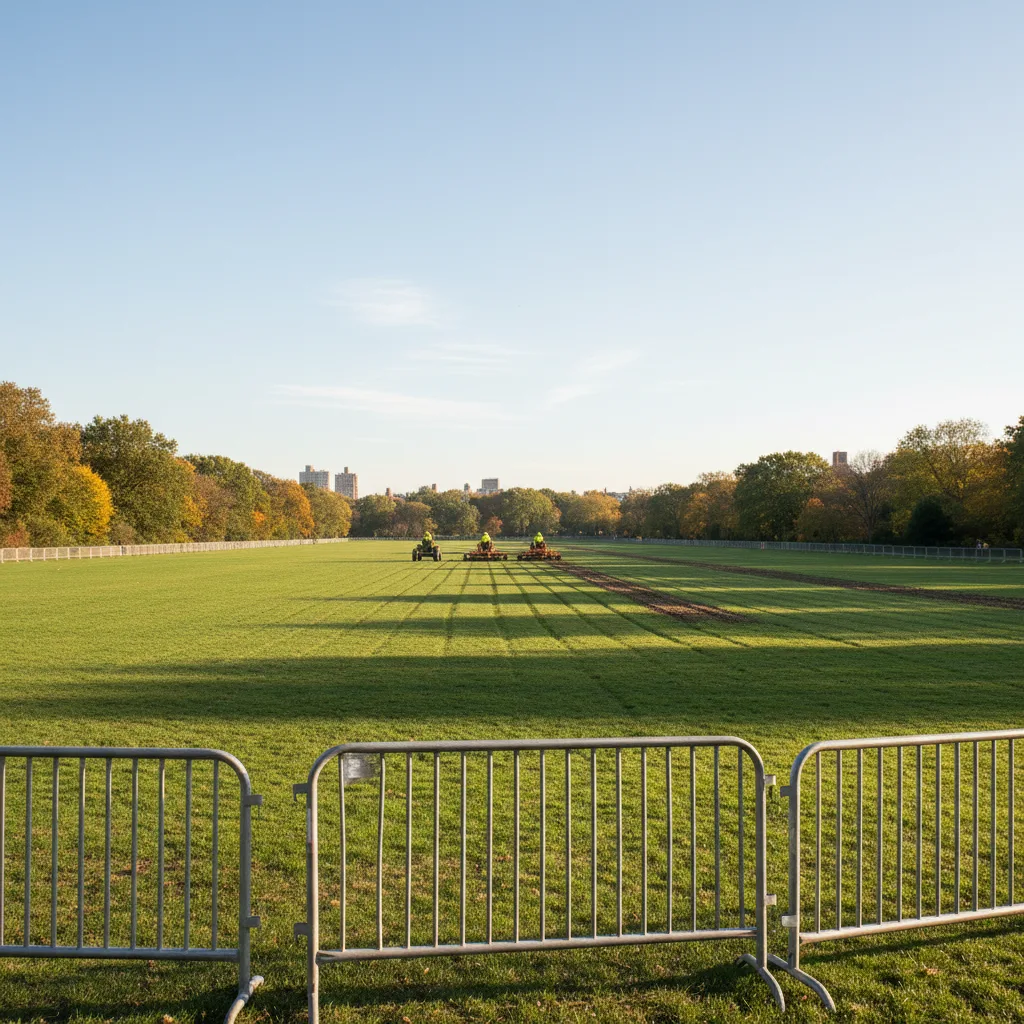
Central Park Conservancy Closes Great Lawn for Scheduled Maintenance
The Central Park Conservancy closed the Great Lawn through October 2, 2026, for scheduled maintenance, impacting weekend activities. Essential upkeep ensures the iconic green space remains vibrant for visitors.
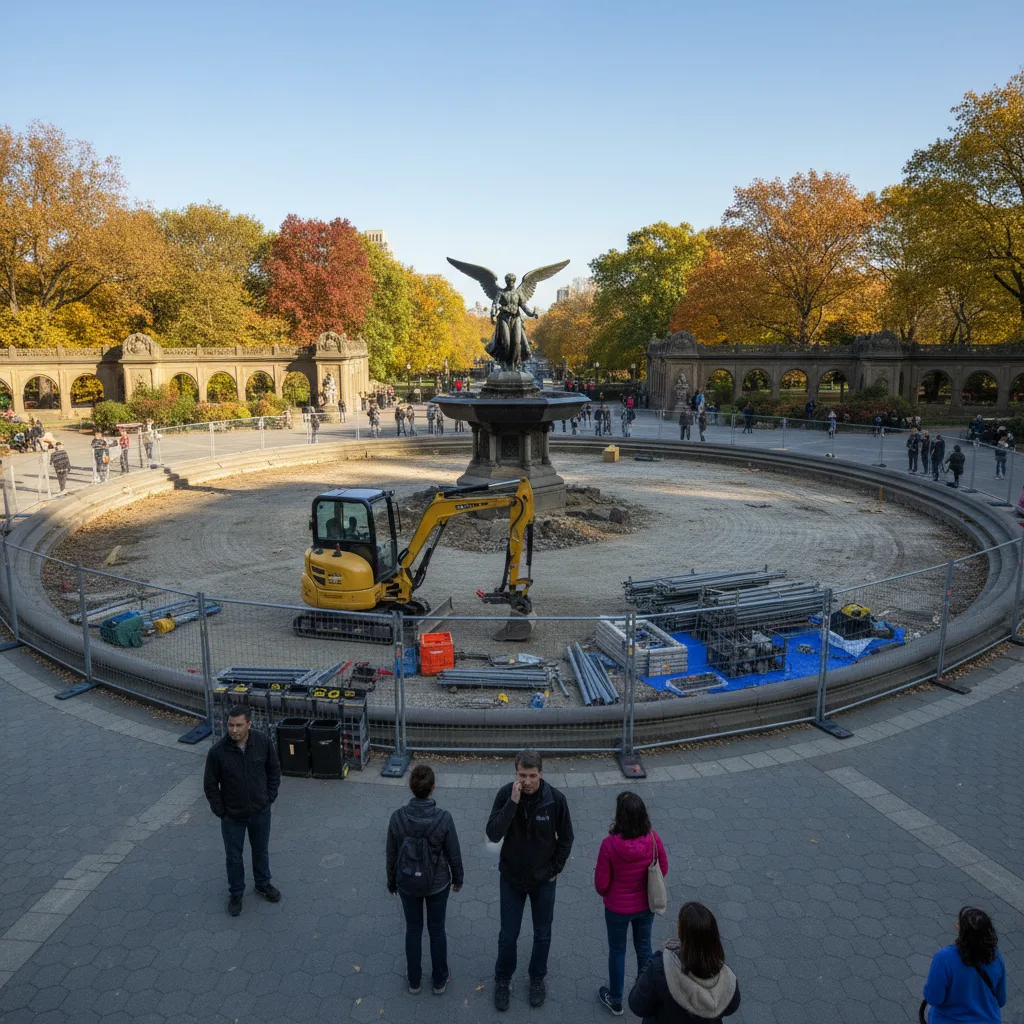
Central Park Conservancy Announces Bethesda Fountain, Great Lawn Closures
Central Park Conservancy announced Bethesda Fountain is off for restoration and the Great Lawn closed through October 2, 2026 for maintenance, affecting visitor access.
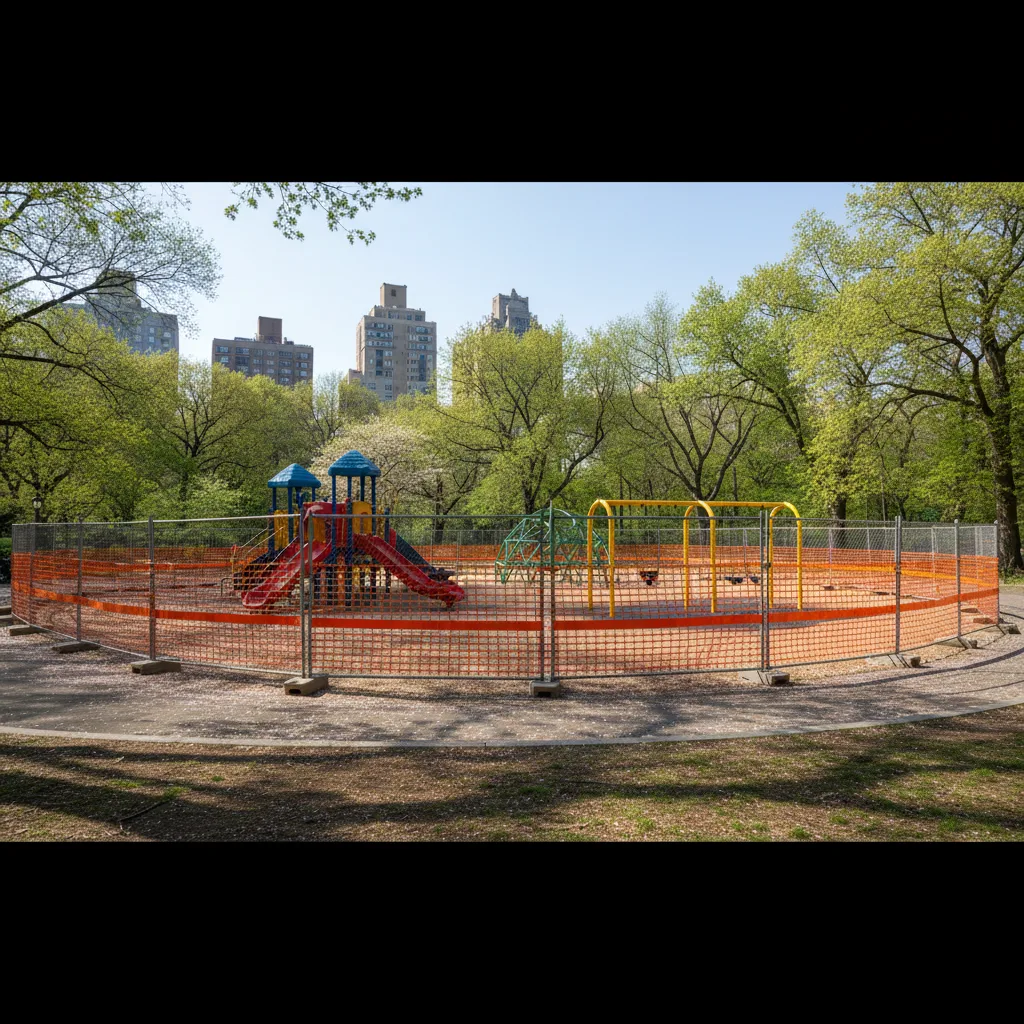
Central Park Conservancy Closes East 110th Street Playground for Restoration
Central Park Conservancy closed the East 110th Street Playground for restoration, while North Meadow and Heckscher ballfields shut due to weather. Plan your visit; check alerts for closures impacting recreation in Central Park.
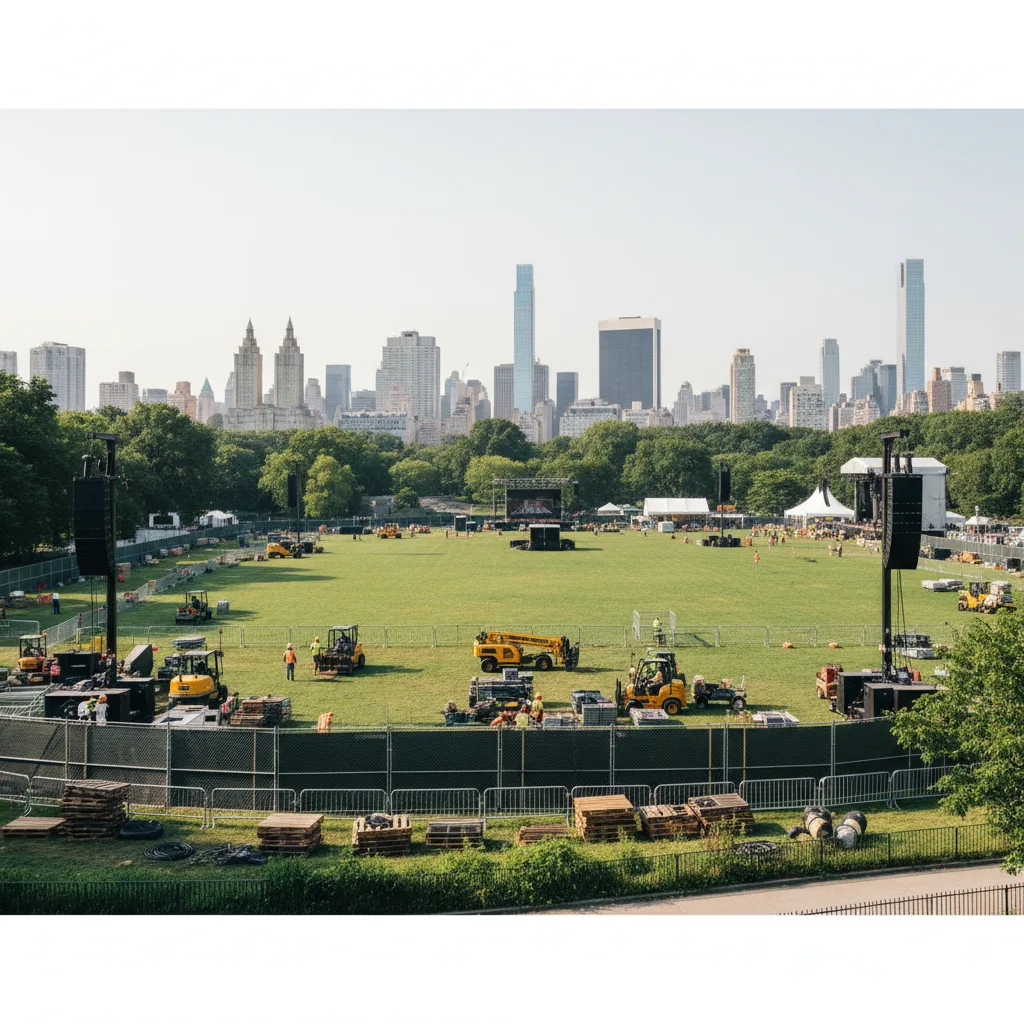
Central Park Conservancy Closes Great Lawn for Global Citizen Festival
Central Park Conservancy confirmed the Great Lawn is closed through September 26, 2026, for the Global Citizen Festival, affecting access to Belvedere Castle and Turtle Pond. Local residents and visitors should plan alternate routes and expect traffic delays around the park's perimeter.
Central Park Conservancy Confirms 2026 Daily Operating Hours
Central Park Conservancy confirms 2026 daily hours: 6:00 a.m. to 1:00 a.m. This notice is for visitor planning, not a change.
Central Park Conservancy Announces Park Hours Update for 2026
Central Park Conservancy announced updated 2026 park hours, maintaining 6:00 a.m. to 1:00 a.m. access daily. This schedule balances public enjoyment with critical maintenance and security operations.