


DEA Vehicles Block Central Park Bike Lane, Sparks Cyclist Outcry

NEW YORK — Several vehicles belonging to the Drug Enforcement Administration (DEA) were observed occupying bike lanes and no-parking zones in and around Central Park on Tuesday, March 24, 2026. The sight of federal law enforcement cars obstructing dedicated cycling infrastructure has drawn sharp criticism from local advocacy groups and cyclists. This incident highlights ongoing tensions between agency operations and urban mobility efforts.
According to an account published by Streetsblog New York, the presence of these DEA vehicles generated immediate concern among the cycling community. The report paraphrased a common sentiment, noting that "I was not shocked — not shocked!" to find federal agents' cars in prohibited areas. Such actions not only inconvenience cyclists but also pose significant safety risks on busy urban thoroughfares.
Federal Agents Block Dedicated Bike Paths
The DEA vehicles were specifically noted for blocking established bike lanes, forcing cyclists into adjacent traffic lanes. This practice directly contradicts efforts to promote cycling safety and reduce vehicle-cyclist accidents in New York City. Bike lanes are crucial for providing a safe corridor for non-motorized transport, and their obstruction undermines city planning.
These vehicles were also reportedly parked in designated no-parking zones, further illustrating a disregard for local traffic regulations. Such violations by official vehicles raise questions about accountability and whether federal agencies operate under different rules than the general public. The incident occurred during typical rush hour activity, amplifying the disruption caused to hundreds of daily commuters and recreational riders.
Cyclist Advocacy Groups Condemn Actions
Local cycling advocacy organizations were quick to condemn the DEA's parking practices, calling for greater accountability from federal agencies operating within city limits. Groups such as Transportation Alternatives issued statements emphasizing the importance of keeping bike lanes clear for safety and accessibility. They highlighted the danger posed when cyclists are forced to merge into vehicular traffic due to obstructions.
Streetsblog New York, a prominent voice for sustainable transportation, reported extensively on the incident, leveraging its platform to bring attention to the issue. Their coverage emphasized the systemic nature of such violations by government vehicles, often perceived as operating "above the law." This ongoing issue has been a point of contention between city residents and various agencies for years, as documented in their Tuesday's Headlines coverage.
NYPD Policies on Parking Enforcement
While the vehicles in question belonged to the DEA, the incident has also prompted discussions about NYPD's role in enforcing parking regulations for official vehicles. Typically, certain law enforcement and emergency vehicles are granted exemptions in specific situations, but these are generally tied to active operations. The indiscriminate use of bike lanes for parking, especially by federal agencies, falls into a gray area.
Local police often face public pressure regarding their own parking practices, making the enforcement of federal vehicle violations even more complex. Community leaders are urging clearer guidelines and stricter enforcement mechanisms to ensure all vehicles, regardless of their affiliation, respect designated bike lanes. This incident presents an opportunity to re-evaluate inter-agency protocols concerning urban parking.
Historical Context of Bike Lane Violations
This is not an isolated incident; complaints about official vehicles, including those from various law enforcement agencies, obstructing bike lanes have been a recurrent theme in New York City. The city has invested millions in expanding its network of protected bike lanes to encourage cycling and improve safety. However, these investments are undermined when the infrastructure is not respected.
Past efforts to address this issue have included public awareness campaigns and discussions between city agencies and law enforcement. Progress has been made in some areas, but incidents like the one involving DEA vehicles suggest that consistent enforcement and inter-agency coordination remain a challenge. Public trust in equitable enforcement of traffic laws is also at stake when such violations occur repeatedly.
Public Debate on Law Enforcement Accountability
The presence of DEA vehicles in prohibited zones has fueled a broader public debate about law enforcement accountability and adherence to local ordinances. Critics argue that when law enforcement agencies disregard traffic laws, it erodes public confidence and sets a poor precedent. Proponents of clearer regulations emphasize that no entity should be exempt from rules designed for public safety.
This incident provides a platform for renewed advocacy efforts aimed at holding all agencies to the same standards when it comes to traffic and parking regulations. The cycling community, in particular, is calling for transparent reporting and consequences for agencies that repeatedly violate these rules. Ensuring safety for all road users remains a primary concern for residents and urban planners across New York.
Frequently Asked Questions About Bike Lane Obstructions
Why were DEA vehicles parked in Central Park bike lanes? The exact reason for the DEA vehicles obstructing bike lanes and no-parking zones has not been officially stated, but it likely relates to operational activities, albeit in a manner that disregarded local traffic laws and safety protocols. More context can be found in the Streetsblog New York article.
What are the dangers of blocking bike lanes? Blocking bike lanes forces cyclists into adjacent vehicular traffic, significantly increasing their risk of accidents, collisions, and serious injury. It also disrupts the flow of traffic for both cyclists and drivers, undermining the safety infrastructure designed for urban mobility.
What is being done to prevent this in the future? Advocacy groups are pushing for stricter enforcement and clearer guidelines for all government vehicles regarding parking in bike lanes. Discussions are ongoing with city officials and potentially federal agencies to establish better protocols and accountability measures.
Can I report vehicles blocking bike lanes? Yes, residents are encouraged to report vehicles, including official ones, that are illegally parked in bike lanes or no-parking zones to 311 or directly to the NYPD. Providing specific details, such as license plates and location, can aid enforcement efforts.
Do federal agencies have special parking exemptions? While federal agencies may have certain operational exemptions, these typically do not extend to indiscriminately blocking designated safety infrastructure like bike lanes without compelling emergency circumstances. This incident has reignited debate on the scope of such exemptions.
Related Articles
More in Urban Policy & Development →
NYC Mayor Mamdani Booed at Union Square October 7 Vigil
Mayor Mamdani faced boos and protests at a Union Square vigil Thursday marking the Oct. 7 attacks, highlighting deep community divisions in NYC.
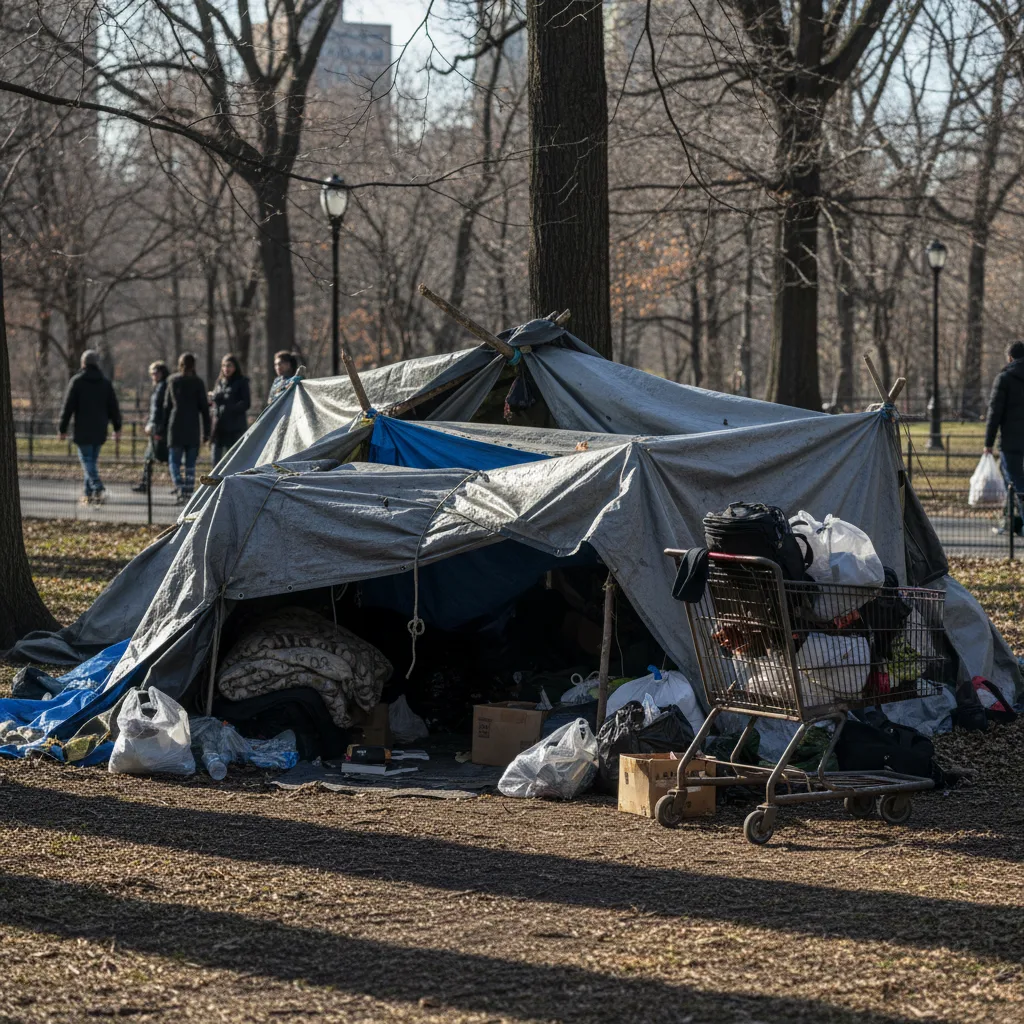
NYC Homeless Encampments Spotted Across Manhattan, Raising Concerns
Multiple homeless encampments have been spotted across Manhattan, raising significant concerns about urban policy and public safety. City officials are under pressure to address the growing homelessness crisis.
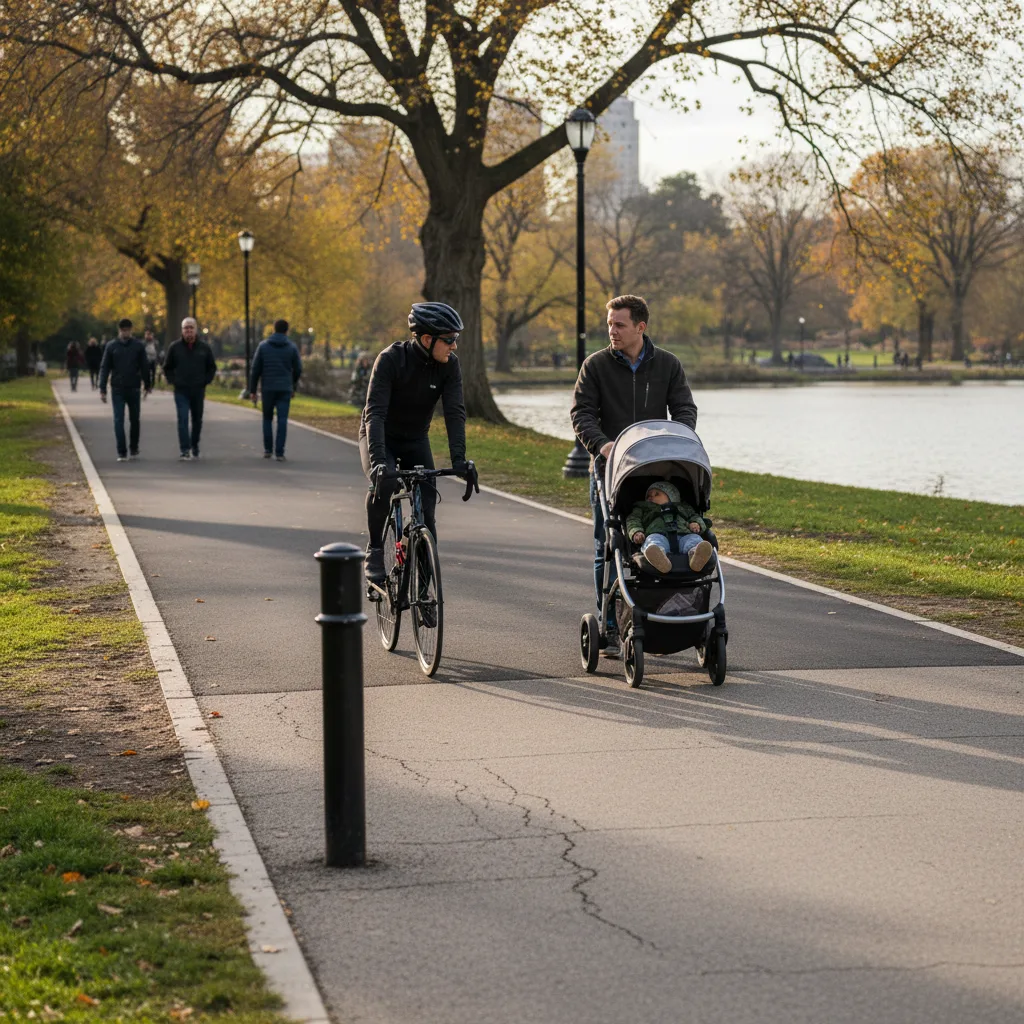
Safety Advocate Blames Park Redesign for Rising Central Park Cyclist Crashes
Safety advocates blame recent Central Park redesigns for a pedestrian's death and rising cyclist crashes, calling for urgent review of infrastructure.
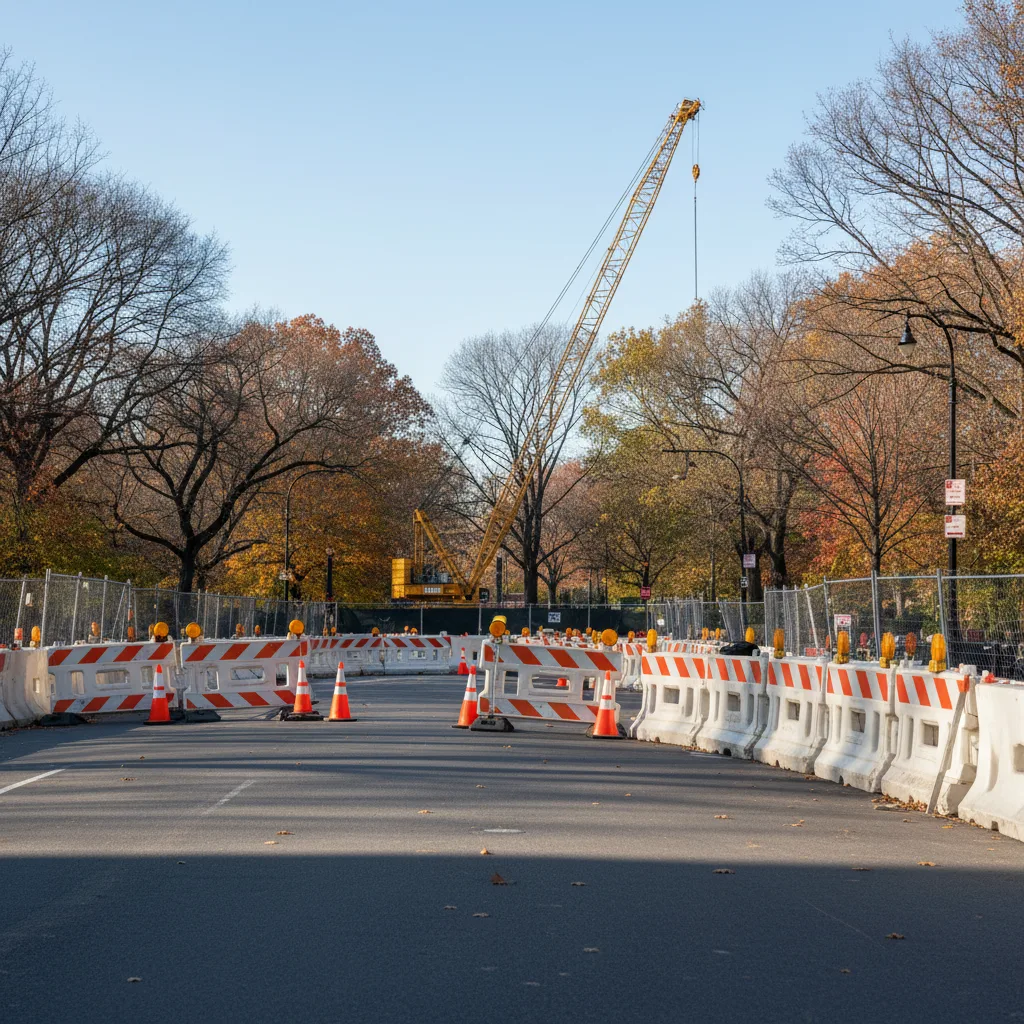
NYC DOT Advises Central Park Area Traffic Disruptions September 27
NYC DOT issued advisories for major traffic disruptions near Central Park on September 27, 2026, due to a parade and crane operations. Expect delays.

Davis Center at Harlem Meer Unveils State-of-the-Art Facilities
The new Davis Center at the Harlem Meer in Central Park's north end now features a state-of-the-art pool, ice rink, and multi-use turf field, enhancing community recreational options.
NYC City Record Confirms September 21, 2026, Publication Schedule
The NYC City Record confirmed its September 21, 2026, publication schedule, detailing administrative notices, procurement, and public hearings. This ensures transparency for municipal operations and public access to vital city information.