


Exploring the Beauty and Wildlife of Central Park
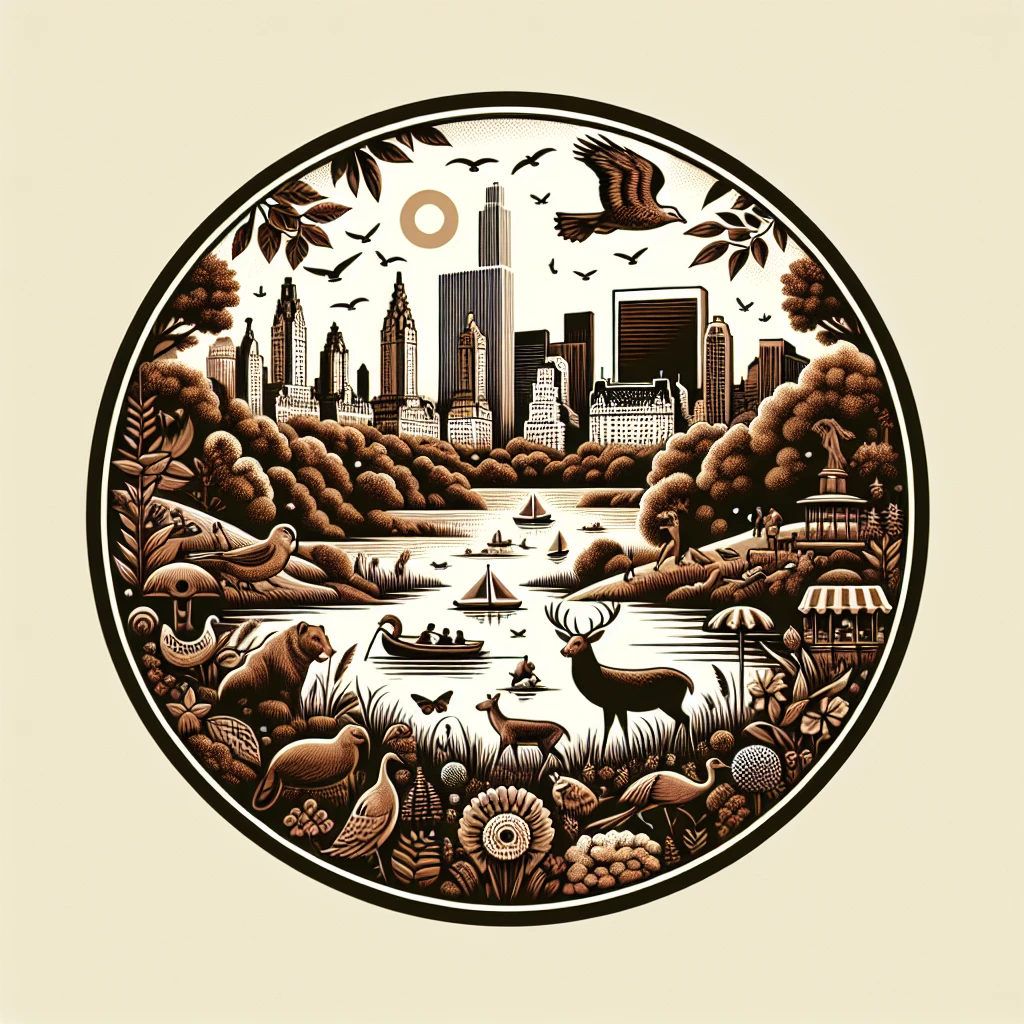
Central Park, an iconic green space nestled in the heart of New York City, offers not only a refuge from the urban hustle and bustle but also a vibrant habitat for various species of wildlife. Covering 843 acres, this urban oasis is carefully cultivated to protect its natural inhabitants while providing enjoyment to millions of visitors each year.
The Importance of Wildlife in Urban Parks
In recent years, urban parks have gained acclaim for the role they play in supporting wildlife. Central Park is no exception, representing a critical ecosystem that fosters biodiversity in a metropolitan environment. The park is home to over 230 species of birds, making it a hotspot for birdwatchers. Visitors can spot the vivid colors of the American Robin, the elegant flight of the Red-tailed Hawk, and the delightful chatter of the Eastern Bluebird. These species rely on the park's diverse habitats, which include woodlands, meadows, and water bodies.
Conservation Efforts in Central Park
The management of Central Park is actively engaged in conservation efforts aimed at protecting its wildlife. The Central Park Conservancy has initiated several programs to maintain the health of its ecosystems. These initiatives include:
- Native Plant Restoration: This project focuses on reintroducing native plant species that provide food and shelter for local wildlife.
- Bird Conservation Programs: These programs monitor bird populations and their health through field studies, ensuring that Central Park remains a safe haven for migratory species.
- Community Education: Local schools and organizations often partner with the conservancy to educate residents and visitors about the importance of wildlife conservation in urban settings.
Key Points
- Central Park supports over 230 bird species, attracting nature lovers from all over.
- Conservation initiatives aim to restore native habitats and protect wildlife.
- Educational programs engage the community in wildlife and ecosystem preservation.
Conclusion
Central Park serves as more than just a recreational area; it is a vital refuge for urban wildlife and a testament to the importance of conservation in city planning. Visitors to the park are encouraged to engage in birdwatching and other wildlife observation activities. By appreciating and understanding the natural beauty of Central Park, we can all contribute to its preservation for future generations to enjoy. This unique blend of nature and culture not only enriches the lives of its inhabitants but also fosters a sense of connection between city dwellers and the environment.also read central park conservancy
Related Articles
More in Wildlife & Nature →
Central Park Boathouse Bird Watching Tour Offers Educational Experience
Central Park Boathouse offers an educational bird watching tour, providing visitors an opportunity to observe avian species. This experience connects locals with nature, enhancing appreciation for park wildlife.
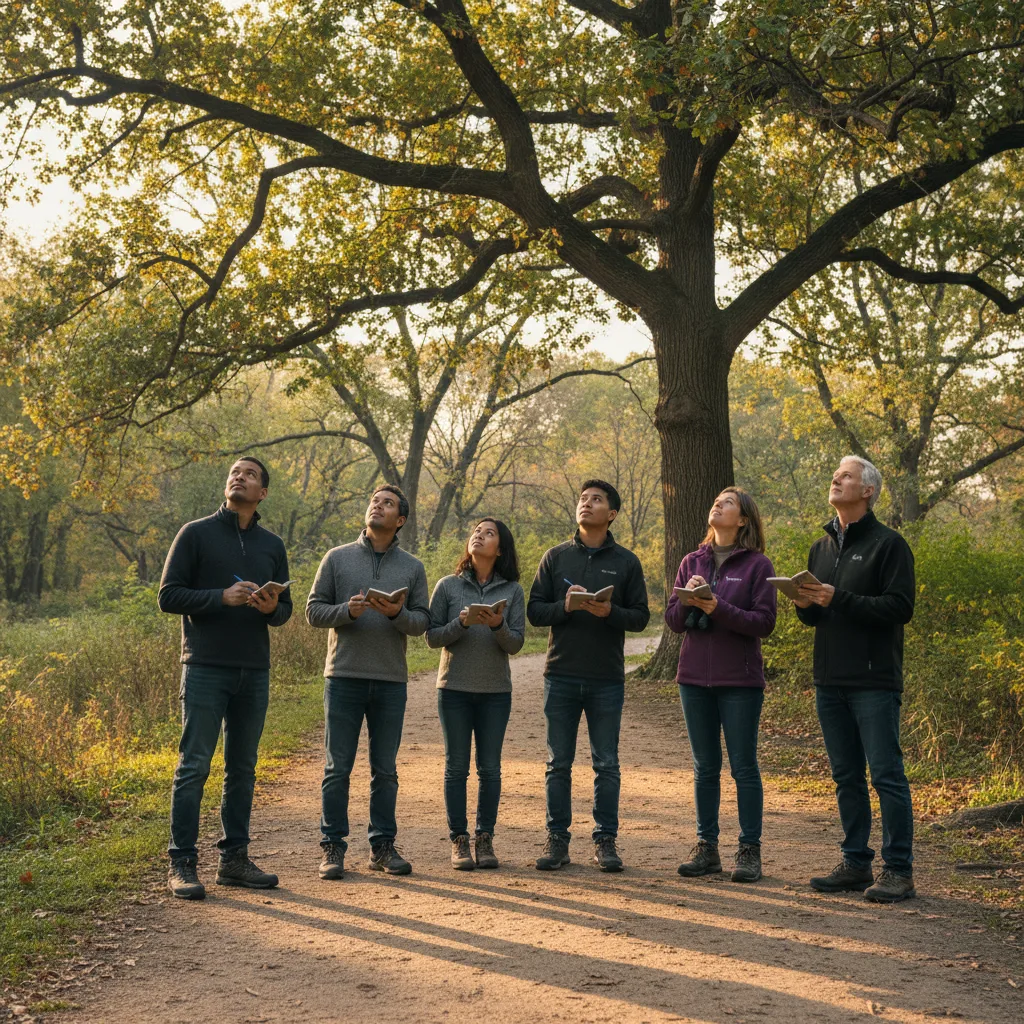
Central Park Event Calendar Features Climate Week Activities September 27
Central Park's event calendar for September 27, 2026, included a Climate Week-aligned "Journal, Meditation, + Bird Walk," promoting environmental awareness.
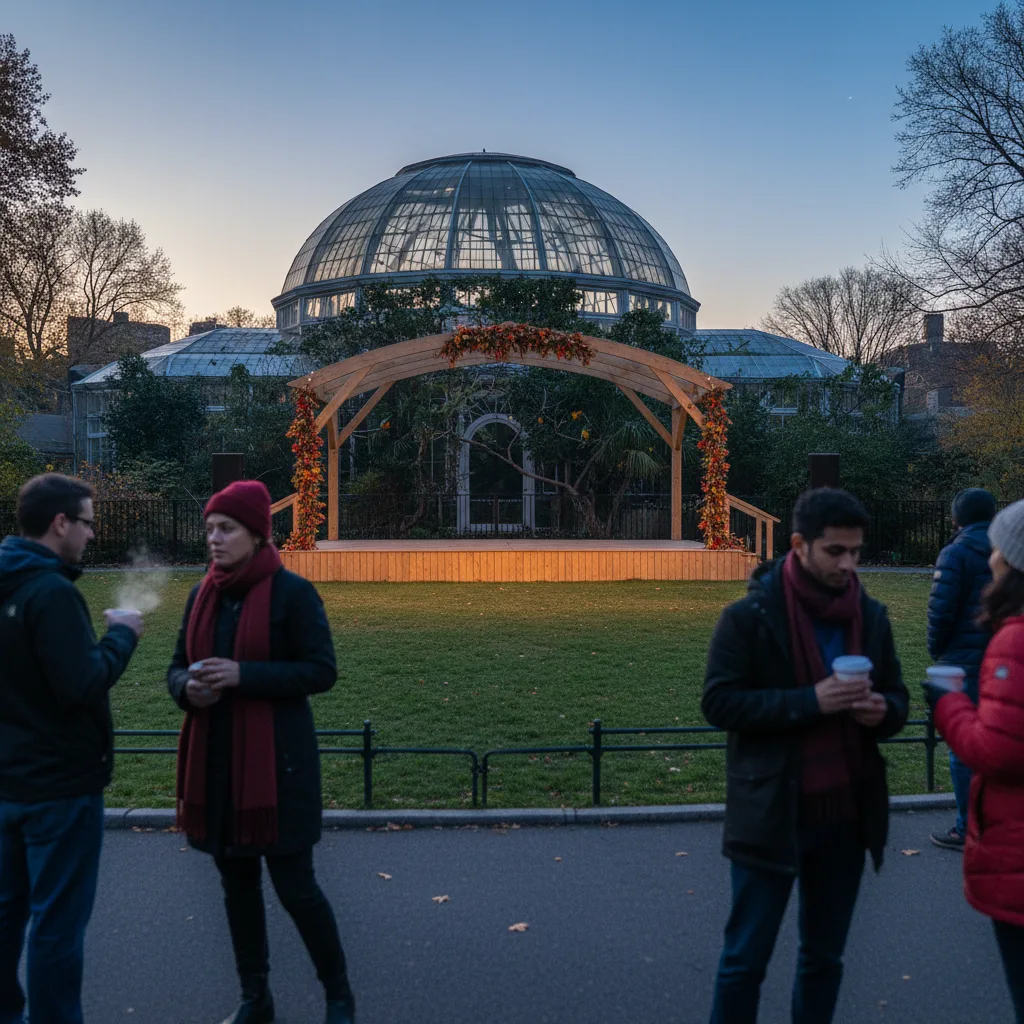
Wildlife Conservation Society Awards Lovejoy Prize at Central Park Zoo
Wildlife Conservation Society awards 2026 Thomas E. Lovejoy Prize today at Central Park Zoo during Climate Week in New York City.
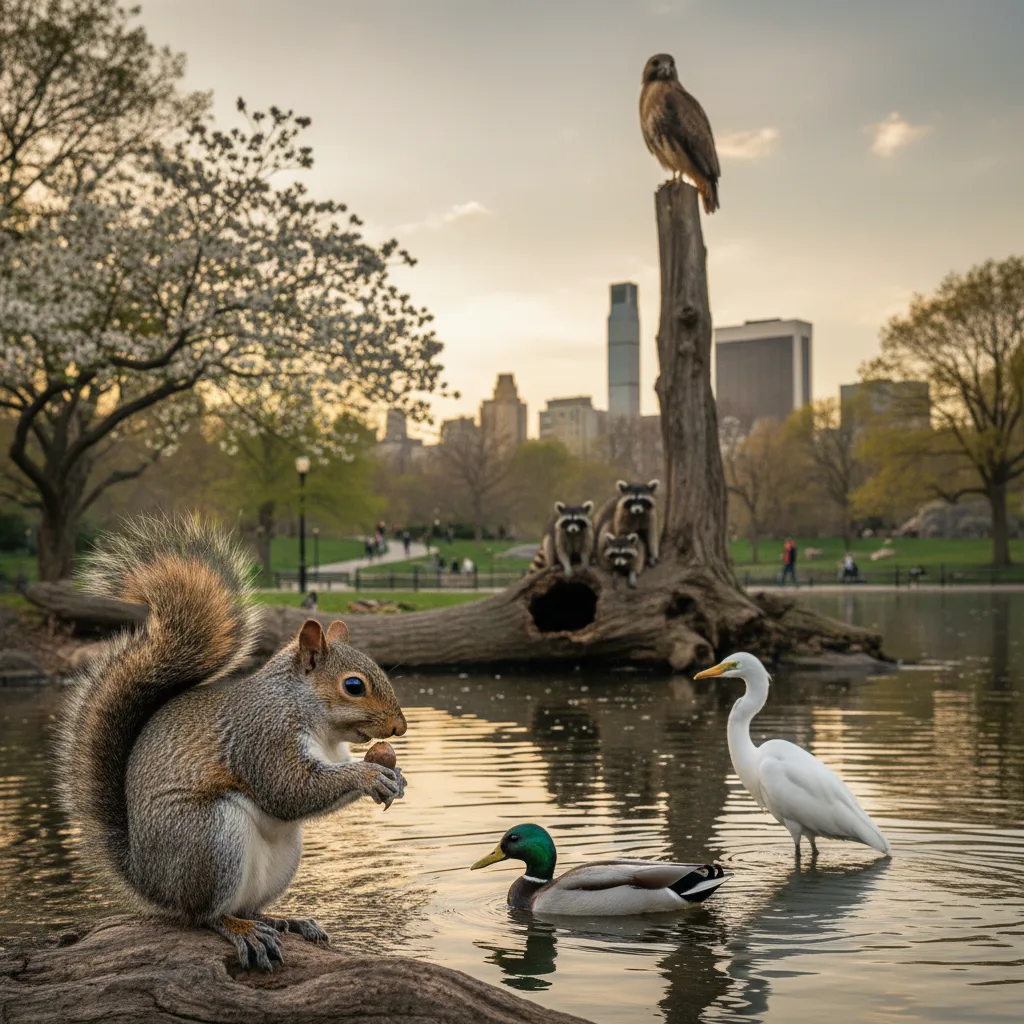
A Guide to Central Park's Wildlife: What to Know About the Park's Animals and Ecosystem
Discover the diverse Central Park wildlife, from birds and mammals to aquatic life. Learn responsible observation tips and conservation efforts for 2026.
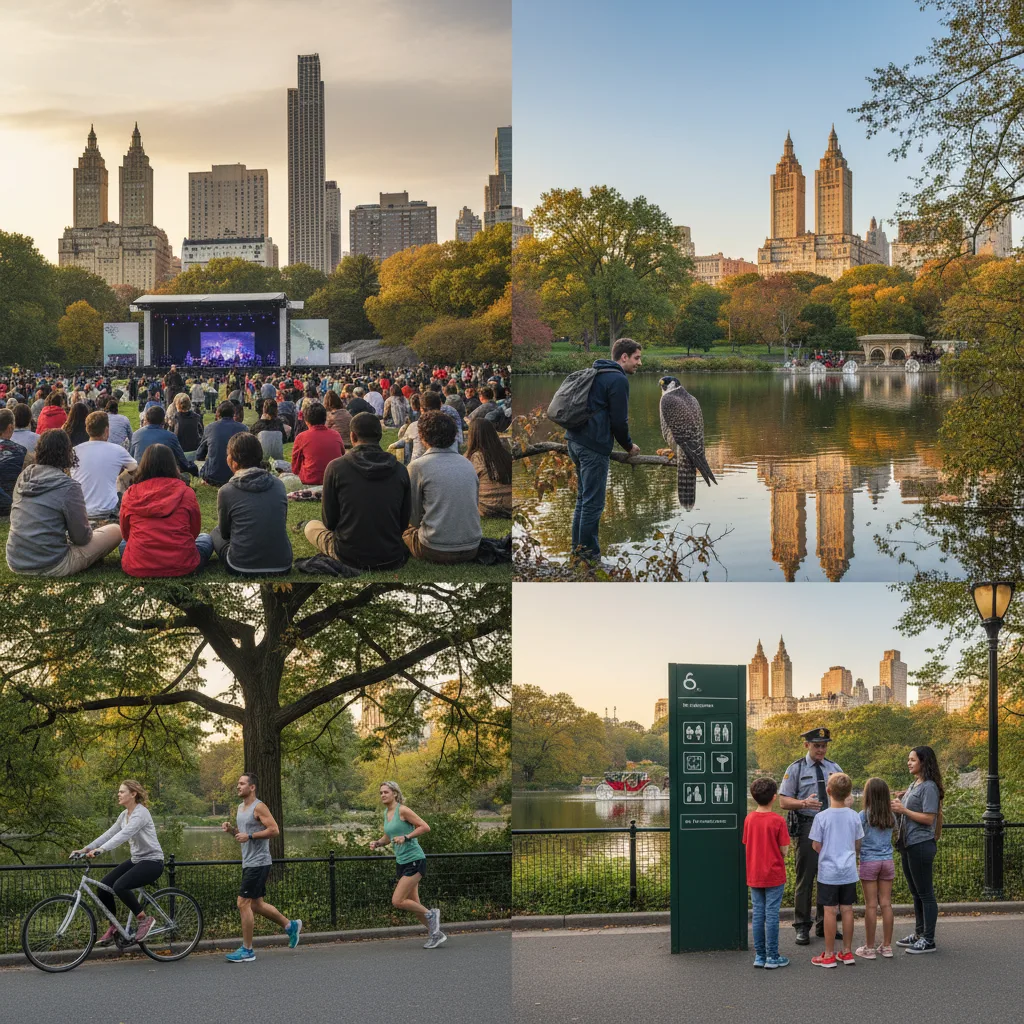
A Guide to Central Park's Top Activities and Best Things to Do in 2026
Discover the best things to do in Central Park, NYC, with our comprehensive 2026 guide to iconic landmarks, activities, and hidden gems for visitors.
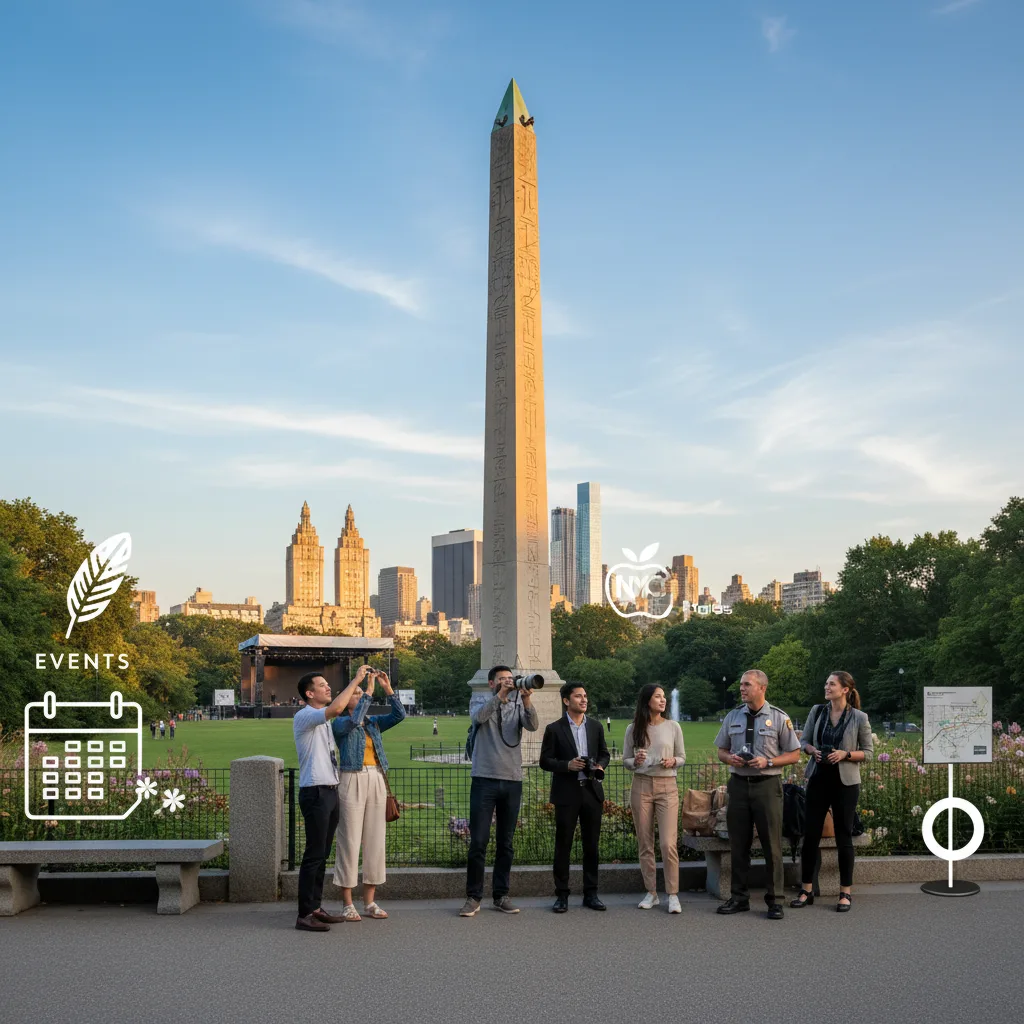
A Guide to What to Know About the Vatican Obelisk in Central Park 2026
Discover what to know about the Vatican Obelisk (Cleopatra's Needle) in Central Park, its history, journey to NYC, and where to find it in 2026.