


Friday's Headlines: After the Flood Edition

Recent flooding across New York City, including Central Park, highlights the growing challenges faced by the city’s infrastructure in the wake of climate change. The relentless downpour that led to the flooding has become more frequent, prompting a call to action regarding urban planning and disaster response strategies.
Recurring Issues in Urban Planning
As the city continues to adapt to increasingly severe weather patterns, the issues with park infrastructure have become glaringly apparent. Central Park, a vital green space, has experienced flooding that threatens its natural landscapes and visitor accessibility. Over the years, many residents have voiced concerns regarding the adequacy of the drainage systems in place.
City planners are now under pressure to develop innovative solutions that mitigate flooding risks in the park and prevent similar incidents in surrounding neighborhoods. Local advocates are pushing for an increase in green infrastructure that can absorb stormwater and reduce surface runoff.
Community Involvement
Following the recent flooding, community members are gathered to discuss possible improvements and express their frustrations to city officials. Platforms are being created for residents to share their experiences and suggest solutions that can lead to lasting changes.
Local organizations are also organizing workshops designed to educate residents about managing stormwater effectively and staying prepared for future weather events. These initiatives aim to empower the community in disaster response and proactive measures.
You can read more in our related coverage: Police Investigate Gunman Escape into Central Park After High-Profile Murder and NYC Bomb Scare: Media Scrutiny After Central Park Area Incident.
Key Points
- Central Park's flooding underscores the need for improved urban planning.
- There is growing community involvement in addressing these issues.
- Sustainable practices are being discussed to enhance stormwater management.
Conclusion
The aftermath of recent flooding in New York City and Central Park drives home a crucial message: it is imperative for cities to reassess their approach to climate resilience. By fostering community involvement and developing robust infrastructure, we can better prepare for the challenges brought on by climate change.
Related Articles
More in Urban Policy & Development →
NYC Mayor Mamdani Booed at Union Square October 7 Vigil
Mayor Mamdani faced boos and protests at a Union Square vigil Thursday marking the Oct. 7 attacks, highlighting deep community divisions in NYC.
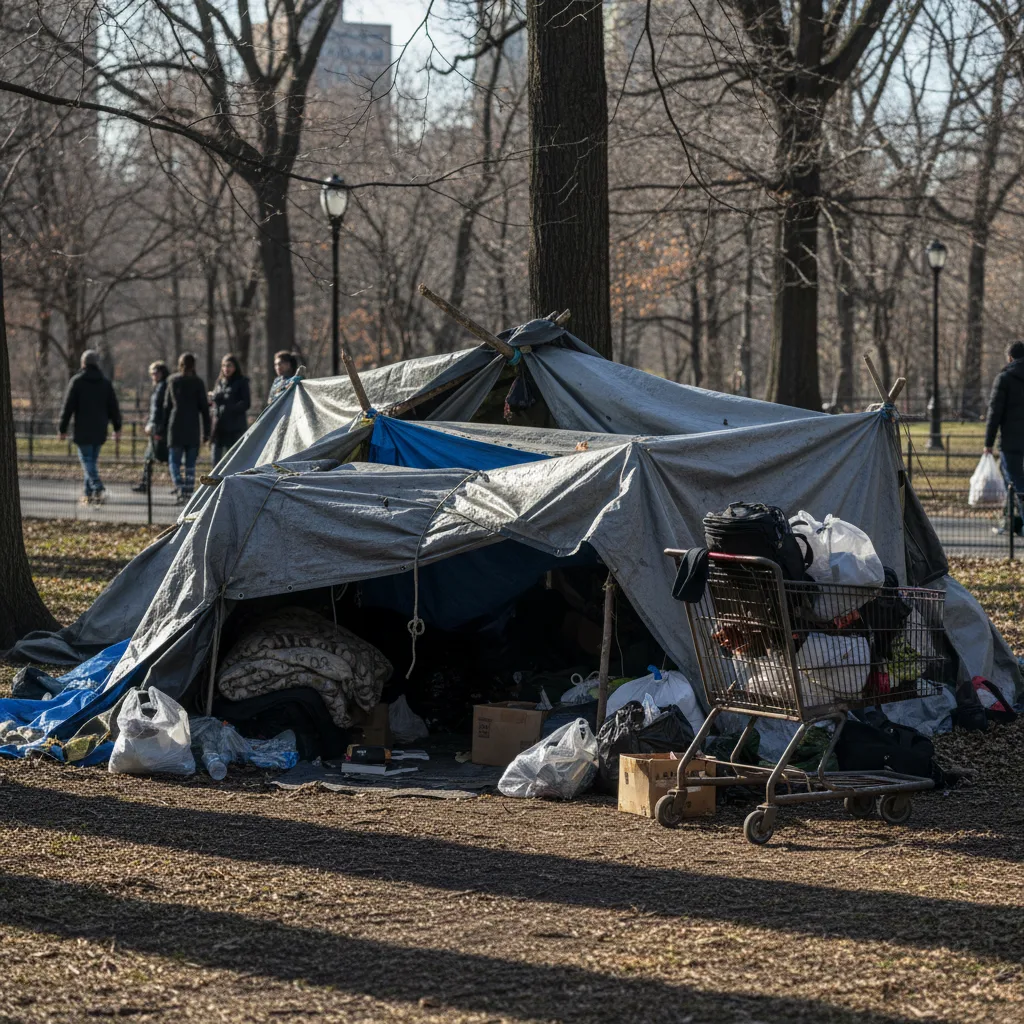
NYC Homeless Encampments Spotted Across Manhattan, Raising Concerns
Multiple homeless encampments have been spotted across Manhattan, raising significant concerns about urban policy and public safety. City officials are under pressure to address the growing homelessness crisis.
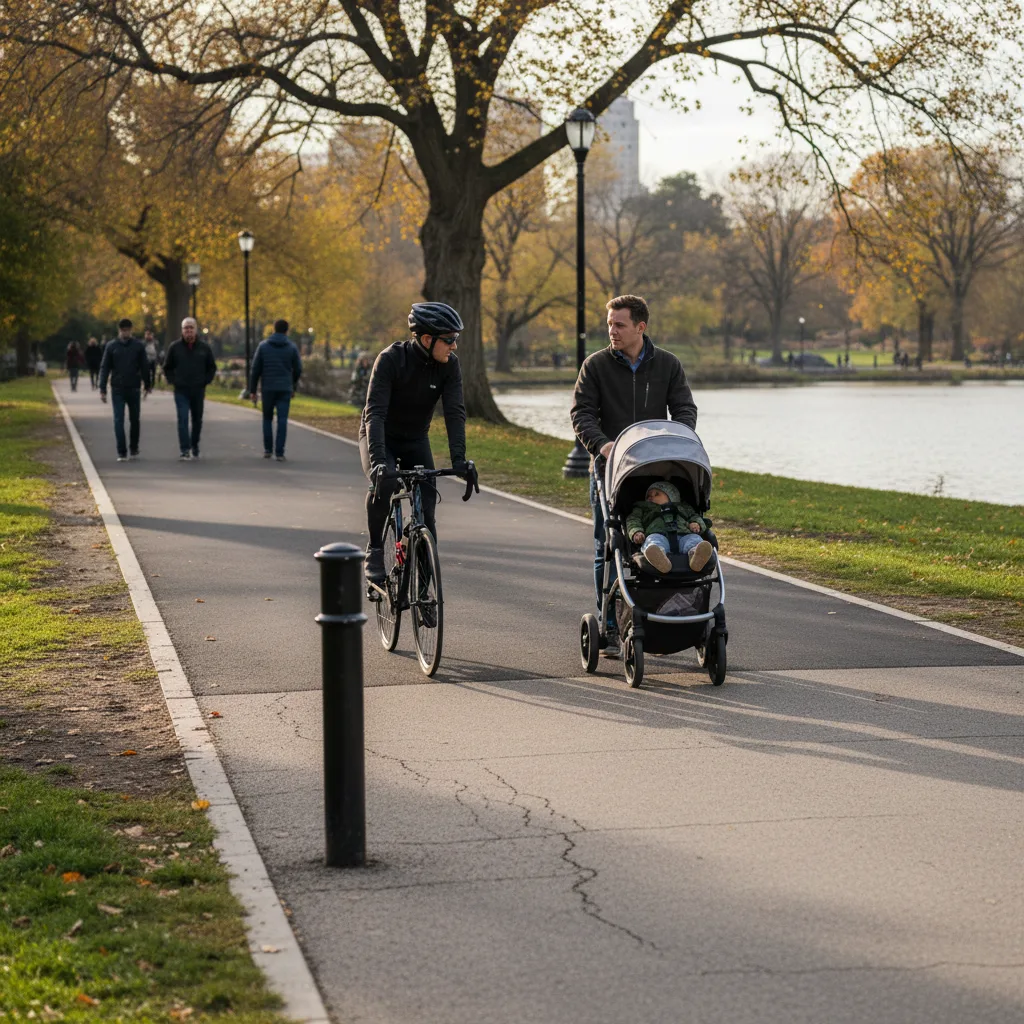
Safety Advocate Blames Park Redesign for Rising Central Park Cyclist Crashes
Safety advocates blame recent Central Park redesigns for a pedestrian's death and rising cyclist crashes, calling for urgent review of infrastructure.
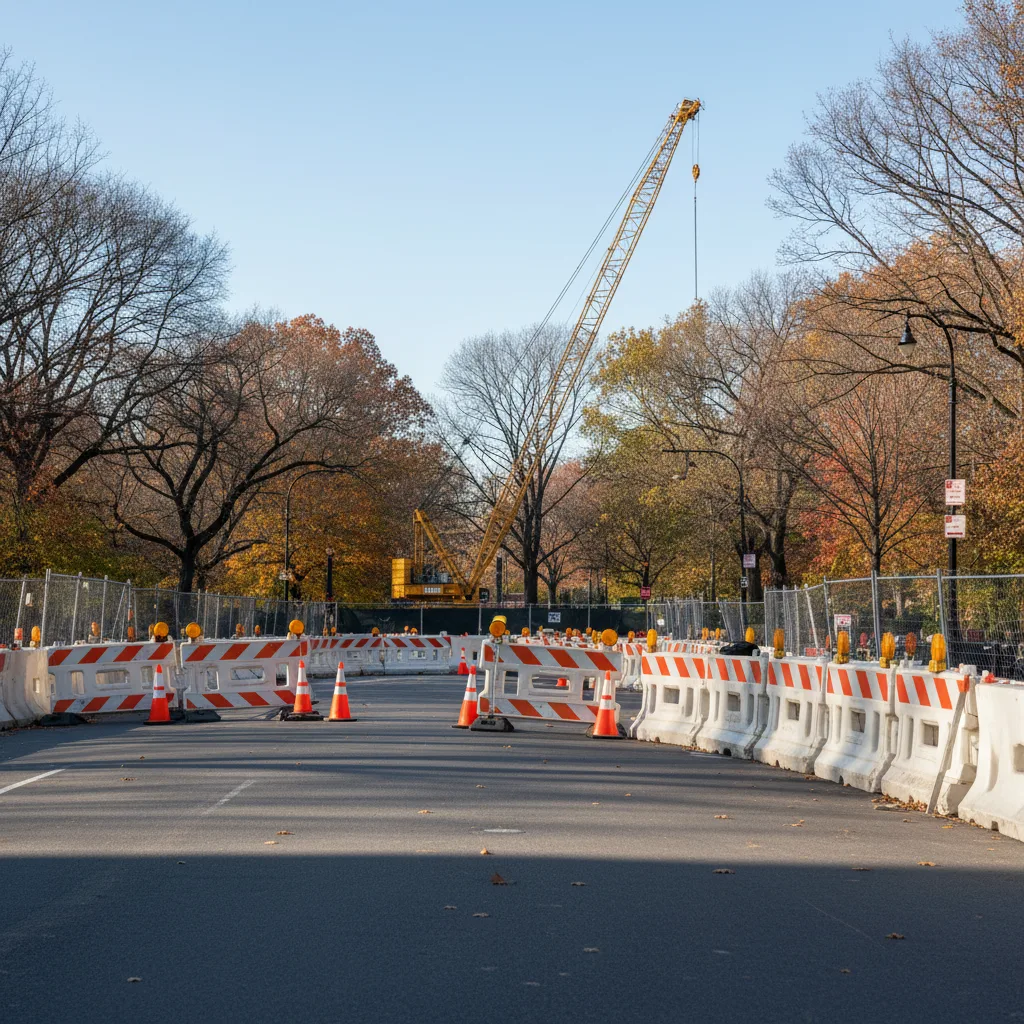
NYC DOT Advises Central Park Area Traffic Disruptions September 27
NYC DOT issued advisories for major traffic disruptions near Central Park on September 27, 2026, due to a parade and crane operations. Expect delays.

Davis Center at Harlem Meer Unveils State-of-the-Art Facilities
The new Davis Center at the Harlem Meer in Central Park's north end now features a state-of-the-art pool, ice rink, and multi-use turf field, enhancing community recreational options.
NYC City Record Confirms September 21, 2026, Publication Schedule
The NYC City Record confirmed its September 21, 2026, publication schedule, detailing administrative notices, procurement, and public hearings. This ensures transparency for municipal operations and public access to vital city information.