


A Comprehensive Guide to the Central Park Obelisk: Cleopatra's Needle Explained for 2026
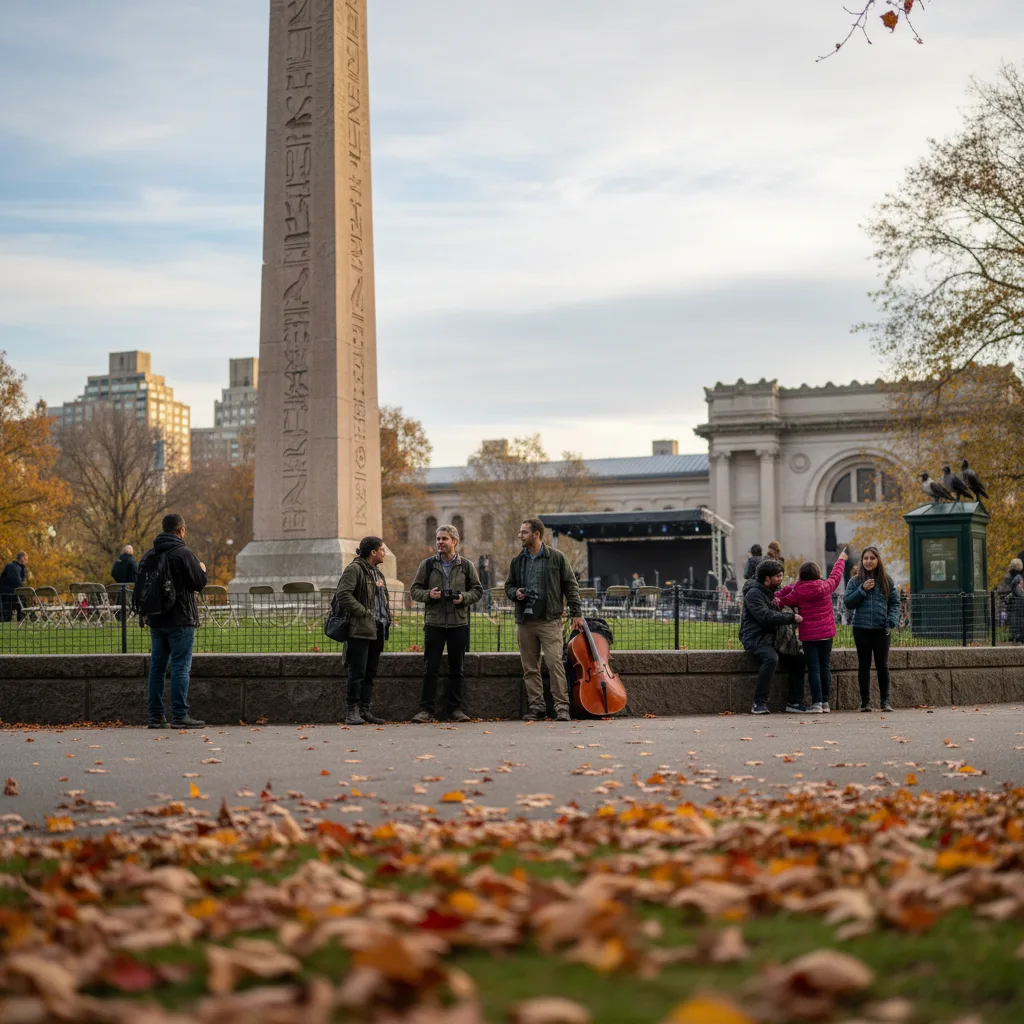
Central Park is home to many iconic landmarks, but few are as steeped in ancient history and international intrigue as the Central Park Obelisk, often known as Cleopatra's Needle. This guide explains everything visitors and locals need to know about this remarkable ancient Egyptian artifact, from its origins in the distant past to its journey to New York City and its current place as a beloved park feature for 2026.
The History and Origins of the Central Park Obelisk
The Central Park Obelisk is one of three ancient Egyptian obelisks colloquially known as Cleopatra's Needles, though they have no direct connection to the famous queen. This particular obelisk was originally erected in the ancient city of Heliopolis by Pharaoh Thutmose III around 1450 BC. It was later moved to Alexandria by Emperor Augustus in 12 BC to adorn the Caesareum, a temple dedicated to Mark Antony. Crafted from red granite, it stands approximately 69 feet tall and weighs around 244 tons. Its surfaces are intricately carved with hieroglyphs that detail the military victories and religious devotion of its original pharaoh.
The Obelisk's Journey to New York City
The journey of the Central Park Obelisk to its current home in New York City is a fascinating tale of 19th-century engineering and diplomacy. In 1877, as a gesture of goodwill, the Khedive of Egypt, Isma'il Pasha, gifted the obelisk to the United States. This gift was a token of appreciation for American commercial ties and neutrality during the Suez Canal construction. The monumental task of transporting the massive stone across the Atlantic Ocean fell to Lieutenant Commander Henry H. Gorringe of the U.S. Navy. His ingenious solution involved constructing a custom-designed ship, the Dessoug, to carry the obelisk lying horizontally within its hull. The process, which included a transatlantic voyage and an arduous journey through the streets of Manhattan to Central Park, took over a year and captivated the public's imagination. You can learn more about significant historical developments that affect the park in the future, such as the [seawall reconstruction bids](https://www.centralpark.news/news/city-record-bids-new-york-reveal-seawall-reconstruction-2026).
Locating the Central Park Obelisk and Visitor Information
The Central Park Obelisk is prominently situated behind the Metropolitan Museum of Art, near the East 81st Street entrance to Central Park. This strategic location makes it easily accessible for those visiting the museum or enjoying a stroll through the park. Visitors can approach the obelisk from various pathways, and its imposing presence is visible from a distance. There are no specific visiting hours for the obelisk itself, as it is an outdoor monument, meaning it can be viewed at any time the park is open. However, it's always wise to check current park hours and any potential closures before planning a late-night visit, especially considering Central Park's current weather conditions for a comfortable experience.
Decoding the Hieroglyphs on Cleopatra's Needle
The hieroglyphs covering the Central Park Obelisk are a rich source of historical information. The inscriptions primarily commemorate Pharaoh Thutmose III, detailing his reign, his relationship with the gods, and his military campaigns. Later additions by Ramesses II include further praise for his own accomplishments. While the full translation requires expert knowledge, many guides and online resources offer interpretations of the key panels, allowing visitors to appreciate the ancient messages etched into the stone. Understanding these markings provides a deeper connection to ancient Egypt and its powerful rulers.
Conservation Efforts and the Future of the Obelisk for 2026
Maintaining an ancient artifact exposed to New York City's weather for over a century is a continuous challenge. The Central Park Conservancy, responsible for the care of the park's landmarks, periodically undertakes conservation efforts to protect the Obelisk from erosion and pollution. These projects ensure that the hieroglyphs remain visible and the structural integrity of the monument is preserved for future generations. As of 2026, ongoing monitoring and maintenance are in place to safeguard this irreplaceable piece of global heritage. Such dedicated efforts are common for iconic structures, similar to the [Bethesda Fountain restoration](https://www.centralpark.news/news/central-park-conservancy-announces-bethesda-fountain-restoration-2026).
Frequently Asked Questions
What is the Central Park Obelisk and why is it called Cleopatra's Needle?
The Central Park Obelisk is an ancient Egyptian monument gifted to the United States in the late 19th century. Although it predates Cleopatra, it acquired the popular nickname "Cleopatra's Needle" because it was moved to Alexandria, Egypt, during her era, aligning it culturally with her historical period.
Where exactly is the Obelisk located within Central Park?
This historic Obelisk is located in Central Park directly behind the Metropolitan Museum of Art, on a rise known as Greywacke Knoll. Its prominent position makes it a popular point of interest for visitors exploring the east side of the park and the museum grounds.
How old is the Central Park Obelisk and who originally built it?
The Central Park Obelisk dates back to approximately 1450 BC, making it over 3,400 years old. It was originally commissioned and erected by Pharaoh Thutmose III in Heliopolis, Egypt, as a testament to his reign and devotion to the sun god Ra.
Can I see the hieroglyphs on the Central Park Obelisk clearly?
Yes, the hieroglyphs on the Central Park Obelisk are generally quite visible, especially on clear days. While some weathering has occurred over millennia, the intricate carvings detailing the lives of Thutmose III and Ramesses II are still discernible, offering a direct link to ancient Egyptian civilization. It's an excellent spot for history enthusiasts.
What is the significance of Cleopatra's Needle being in Central Park?
Its presence in Central Park symbolizes the global reach of ancient history and the historical connections between nations. It serves as an extraordinary educational piece, reminding visitors of Egypt's monumental architectural achievements and the fascinating story of international diplomacy and engineering that brought it to New York City.
Related Articles
More in Visitor Guide →
Central Park Conservancy Updates Calendar with Fall Foliage Trackers
The Central Park Conservancy has updated its calendar with fall foliage trackers and seasonal activities, guiding visitors to experience the park's autumn beauty and diverse offerings. The new resources aim to enhance planning for iconic views and events.

What to Know About the Obelisk Character in Central Park
Discover the history, journey, and significance of the ancient Egyptian obelisk character, Cleopatra's Needle, in Central Park, NYC.

New Yorkers Seek Free Central Park Activities on September 21, 2026
New Yorkers are seeking free activities in Central Park and other NYC boroughs on September 21, 2026. Opportunities include cultural exhibits at the Arsenal and exploring the park's natural beauty.
Central Park Conservancy Unveils Updated Calendar with New Events
Central Park Conservancy released its updated calendar of events, offering new activities and educational programs. This resource helps residents and visitors plan their park experience and learn about ongoing operations.
Central Park's Iconic Locations Highlighted in New Home Guide for 2026
A new "Central Park from Home Guide" for 2026 highlights the park's iconic locations, stretching from 59th to 110th Street. Explore Central Park virtually.
Central Park Mourns Loss of Beloved Birding Artist After Fatal Attack
Central Park's birding community is mourning the loss of a 63-year-old beloved homeless artist, found beaten to death in the Ramble.