


What to Know About the Obelisk Character in Central Park

Central Park is home to numerous historical landmarks and intriguing features, and among them is the ancient Egyptian obelisk, often referred to by visitors as the "obelisk character." This towering monument, officially known as Cleopatra's Needle, stands as a testament to millennia of history and is a must-see for anyone exploring the park. Understanding its origins, journey to New York, and significance adds a rich layer to your Central Park experience.
The History Behind Central Park's Obelisk Character
The "obelisk character" in Central Park, Cleopatra's Needle, is one of three ancient Egyptian obelisks. Its original twin resides in London, and a third is in Paris. This particular obelisk was originally erected in the ancient Egyptian city of Heliopolis around 1450 BC, during the reign of Pharaoh Thutmose III. Its hieroglyphs commemorate the pharaoh's victories and later additions by Ramesses II. For centuries, it stood proudly, witnessing the rise and fall of empires, before being moved to Alexandria by Augustus Caesar in 12 BC.
The Journey to New York City for the Obelisk Character
The transfer of Cleopatra's Needle to Central Park was an engineering marvel of the late 19th century. In 1877, the Khedive of Egypt, Isma'il Pasha, gifted the obelisk to the United States as a gesture of goodwill, recognizing America's friendly relations. The monumental task of transporting the 220-ton, 69-foot-tall granite shaft across the Atlantic Ocean fell to Lieutenant Commander Henry H. Gorringe of the U.S. Navy. His team devised an elaborate system to move the obelisk from Alexandria, through the streets of New York City, and finally to its current resting place on Greywacke Knoll, just west of the Metropolitan Museum of Art. The journey, which involved specially built ships and temporary railway tracks, captured the public's imagination and solidified the obelisk character's place in New York's history.
Deciphering the Hieroglyphs on the Central Park Obelisk
The surfaces of the obelisk character are covered in intricate hieroglyphs, providing a direct link to ancient Egypt. These carvings primarily detail the achievements and titles of Pharaoh Thutmose III, who originally commissioned the obelisk, and later additions by Ramesses II. Visitors can observe these ancient writings, which tell stories of divine protection, military triumphs, and royal lineage. While erosion over millennia has taken its toll, many of the hieroglyphs remain remarkably clear, offering a unique opportunity to connect with a distant past right in the heart of Manhattan. Regular cleanings and conservation efforts by the Central Park Conservancy help preserve these priceless inscriptions.
Where to Find and Appreciate the Obelisk Character
Locating the obelisk character in Central Park is relatively straightforward. It stands prominently on Greywacke Knoll, a rocky outcrop situated directly behind the Metropolitan Museum of Art. This strategic placement makes it easily accessible to museum visitors and those exploring the park's eastern side. The surrounding area offers benches for contemplation and provides excellent photo opportunities, especially with the museum as a backdrop. Consider visiting during off-peak hours for a more tranquil experience. You can also explore nearby attractions after seeing the obelisk, such as the Conservatory Water or the Central Park Zoo, which also hosts significant events like the Wildlife Conservation Society Awards Lovejoy Prize at Central Park Zoo.
Conservation and the Future of the Obelisk Character
Preserving the obelisk character, or Cleopatra's Needle, is an ongoing effort. Exposure to New York's weather and urban pollution has caused some wear and tear on the ancient granite. The Central Park Conservancy, in collaboration with experts, periodically assesses its condition and undertakes necessary conservation work to protect the monument from further deterioration. These efforts ensure that future generations of New Yorkers and visitors can continue to marvel at this extraordinary piece of history. Understanding the park's operational schedule, as detailed in the Central Park Conservancy Confirms 2026 Daily Operating Hours article, can help you plan your visit to see the obelisk and other attractions.
Frequently Asked Questions
What is the actual name of the obelisk character in Central Park?
The obelisk in Central Park is officially known as Cleopatra's Needle, despite its primary inscriptions being dedicated to Pharaoh Thutmose III and Ramesses II, not Cleopatra.
How old is Central Park's obelisk character?
Central Park's obelisk character dates back to approximately 1450 BC, making it over 3,400 years old, one of the oldest outdoor monuments in New York City.
How much did it cost to bring the obelisk character to New York?
The transportation and erection of Cleopatra's Needle in Central Park cost approximately $100,000 in 1880, funded largely by railroad magnate William Henry Vanderbilt.
Can I touch the hieroglyphs on the obelisk character?
While there are no strict barriers, it is generally advised not to touch the ancient hieroglyphs on the obelisk character to help preserve them from the oils and acids found on human skin, which can accelerate deterioration.
What is the significance of the obelisk character's location in Central Park?
The obelisk character is strategically placed on Greywacke Knoll behind the Metropolitan Museum of Art, symbolizing a connection between ancient civilizations and modern culture, and acting as a prominent visual landmark within the park.
Related Articles
More in Visitor Guide →
Central Park Conservancy Updates Calendar with Fall Foliage Trackers
The Central Park Conservancy has updated its calendar with fall foliage trackers and seasonal activities, guiding visitors to experience the park's autumn beauty and diverse offerings. The new resources aim to enhance planning for iconic views and events.

New Yorkers Seek Free Central Park Activities on September 21, 2026
New Yorkers are seeking free activities in Central Park and other NYC boroughs on September 21, 2026. Opportunities include cultural exhibits at the Arsenal and exploring the park's natural beauty.
Central Park Conservancy Unveils Updated Calendar with New Events
Central Park Conservancy released its updated calendar of events, offering new activities and educational programs. This resource helps residents and visitors plan their park experience and learn about ongoing operations.
Central Park's Iconic Locations Highlighted in New Home Guide for 2026
A new "Central Park from Home Guide" for 2026 highlights the park's iconic locations, stretching from 59th to 110th Street. Explore Central Park virtually.
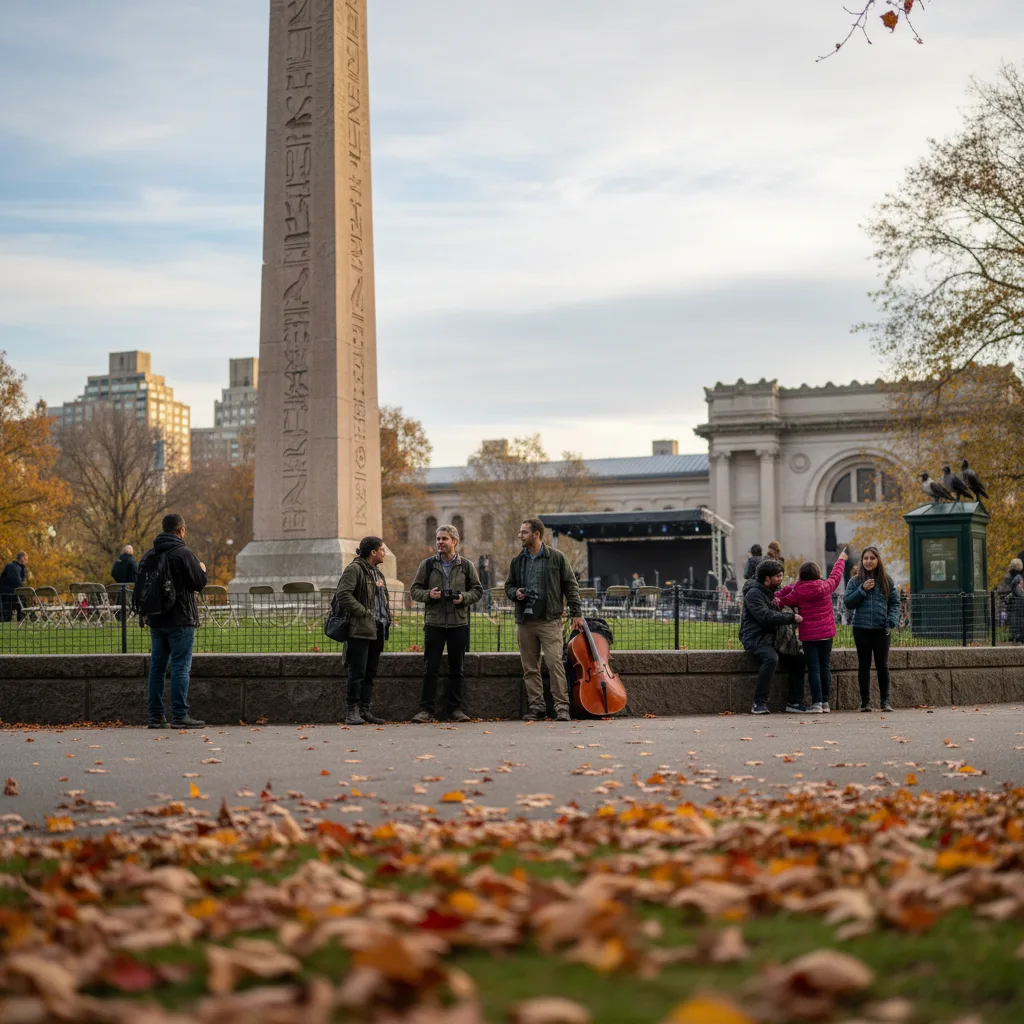
A Comprehensive Guide to the Central Park Obelisk: Cleopatra's Needle Explained for 2026
Explore the Central Park Obelisk, known as Cleopatra's Needle, with this comprehensive guide. Discover its ancient history, journey to NYC, and significance.
Central Park Mourns Loss of Beloved Birding Artist After Fatal Attack
Central Park's birding community is mourning the loss of a 63-year-old beloved homeless artist, found beaten to death in the Ramble.