


Holiday Tree of Origami Unveiled at the American Museum of Natural History
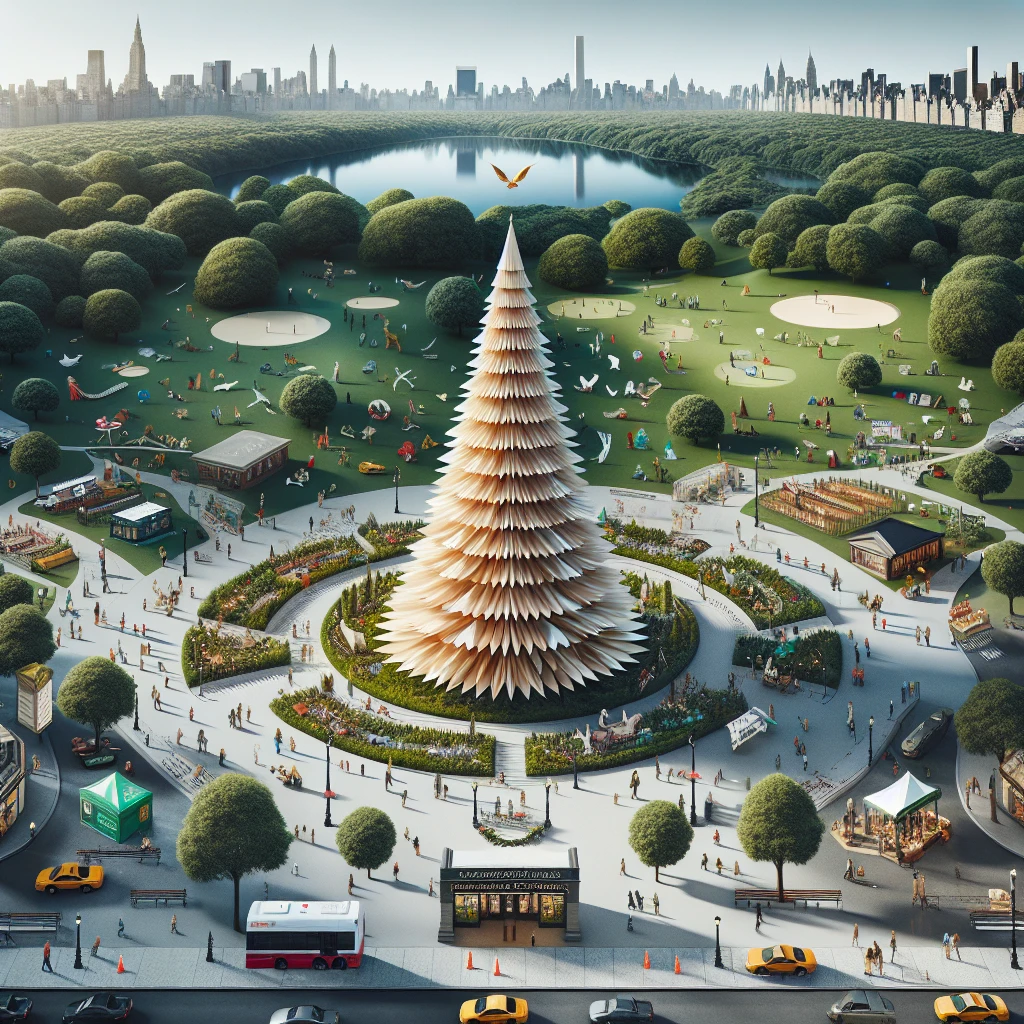
The American Museum of Natural History, renowned for its captivating exhibitions, recently unveiled a spectacular 13-foot holiday tree that showcases the art of origami. Featuring thousands of hand-folded origami animals and insects, this unique holiday installation celebrates the theme of 'New Beginnings' while paying homage to nature's history as inspired by the museum's ongoing exhibition on dinosaurs.
A Testament to Art and Nature
This brilliantly decorated holiday tree is not just a sight to behold but a profound statement about the relationship between art and nature. Set against the backdrop of Central Park West, the tree shines as a beacon of creativity, inviting visitors of all ages to appreciate intricate paper designs representing various creatures from our planet. Each piece is thoughtfully crafted, embodying the beauty and delicate complexity of life in the natural world.
This year’s theme of 'New Beginnings' serves to remind attendees of the cycles of life and the resurgence of hope and evolution in nature. With origami paper models crafted by skilled artists, the tree features a diverse array of creatures, reflecting biodiversity and ecological awareness.
Family-Friendly Holiday Tradition
The holiday tree has been an attraction for over 40 years and continues to draw visitors, particularly families looking for festive activities in New York City. The museum encourages visitors to immerse themselves in the holiday spirit by learning about origami through interactive workshops. This initiative fosters creativity and promotes education about environmental themes—a mission central to the museum's ethos.
With the combination of education, creativity, and holiday cheer, the holiday tree is not simply an aesthetic feature but a part of a larger push to raise awareness about natural history and conservation efforts. also visit crew holidy market
Key Points
- The tree is 13 feet tall and decorated with thousands of origami models.
- This year's theme focuses on 'New Beginnings', inspired by the history of dinosaurs.
- Interactive origami workshops are available for families and visitors.
Conclusion
The unveiling of the holiday tree at the American Museum of Natural History marks a joyous occasion that emphasizes art, family, and conservation. As visitors gather around this impressive structure, they are reminded not just of the beauty of creativity but also of the responsibility we share toward the preservation of our natural world. The tree is truly a symbol of hope and a call to action, encouraging everyone to participate in the ongoing dialogue about our environment.
Related Articles
More in Arts & Culture →
Central Park Film Festival Returns October 6-9, 2026
Central Park's Film Festival returns October 6-9, 2026, offering free outdoor cinematic experiences. This annual event attracts thousands, enhancing the city's cultural landscape. Plan your visit now.
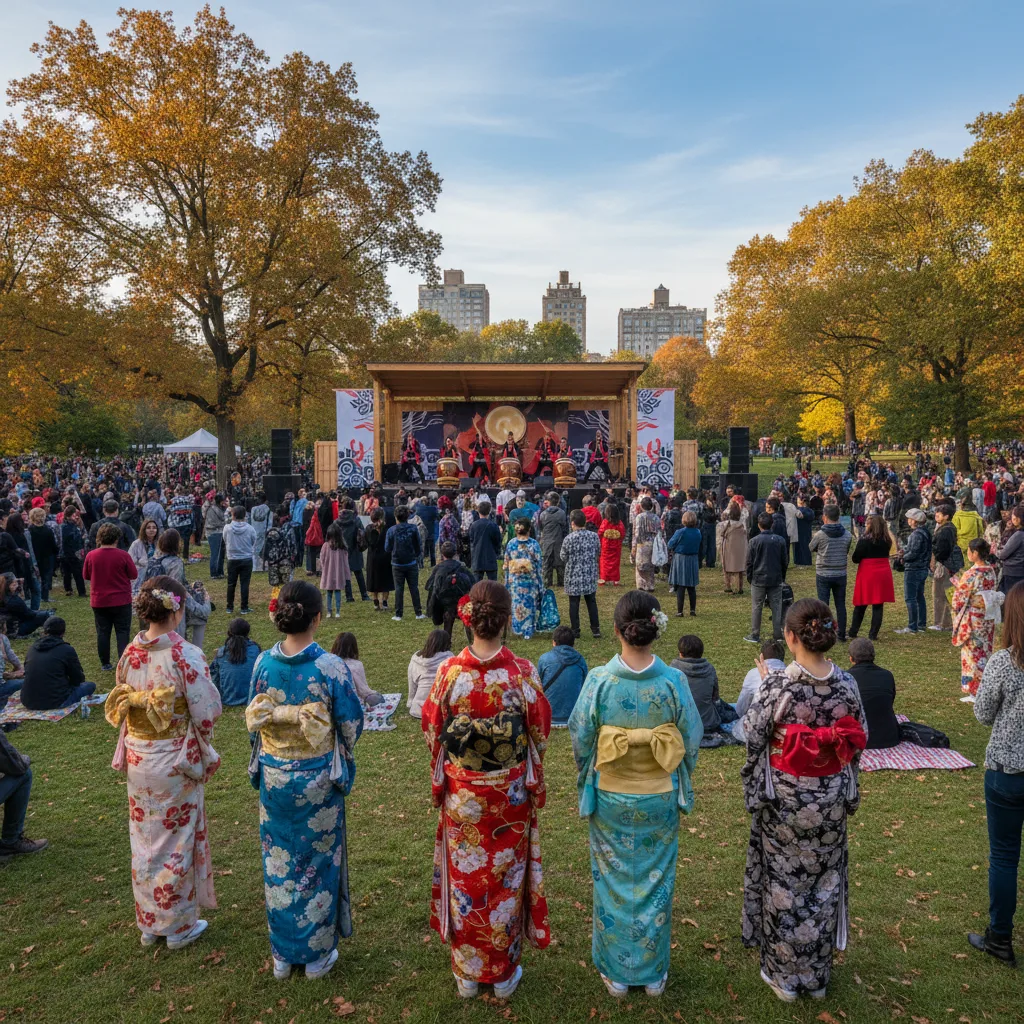
Central Park Hosts October 3 Japanese Buddhist Fall Festival
Central Park will host a Japanese Buddhist Fall Festival on October 3, 2026, alongside the Madison Avenue Fall Gallery Walk. This offers New Yorkers diverse cultural experiences and celebrates global traditions.
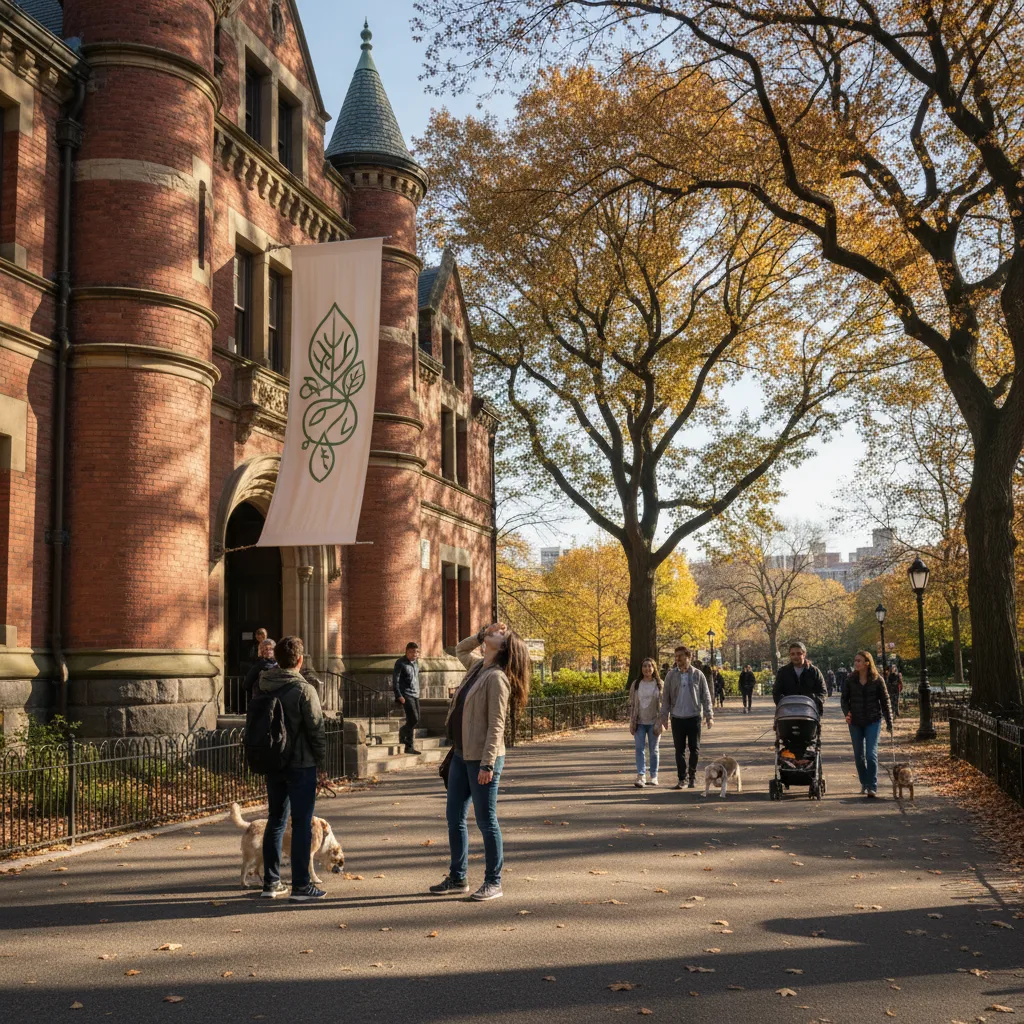
Arsenal Gallery Unveils "New Dendrology" Art Exhibition in Central Park
Central Park's Arsenal Gallery presents "New Dendrology," a group exhibition exploring trees and human connection through art. It runs 9 a.m. to 5 p.m. daily.
Central Park: A Historical Overview from 1858 to Present Day
Central Park, created in 1858 to meet NYC's recreational needs, now attracts 42 million annual visitors, many unaware of its deep history.
New York Swings with Josh Lee & The Family September 30, 2026
Josh Lee and The Family will present “New York Swings” on September 30, 2026, featuring Lindy Hop and live swing-era jazz music. Experience vintage jazz and dance in the heart of NYC.
Central Park Conservancy Hosts Seneca Village Tours September 27
Central Park Conservancy hosted Seneca Village Tours on September 27, 2026, exploring the history of the pre-park African-American community from West 82nd to 89th Street.