


Central Park Lightning Strike Survivor Prompts Emergency Safety Review
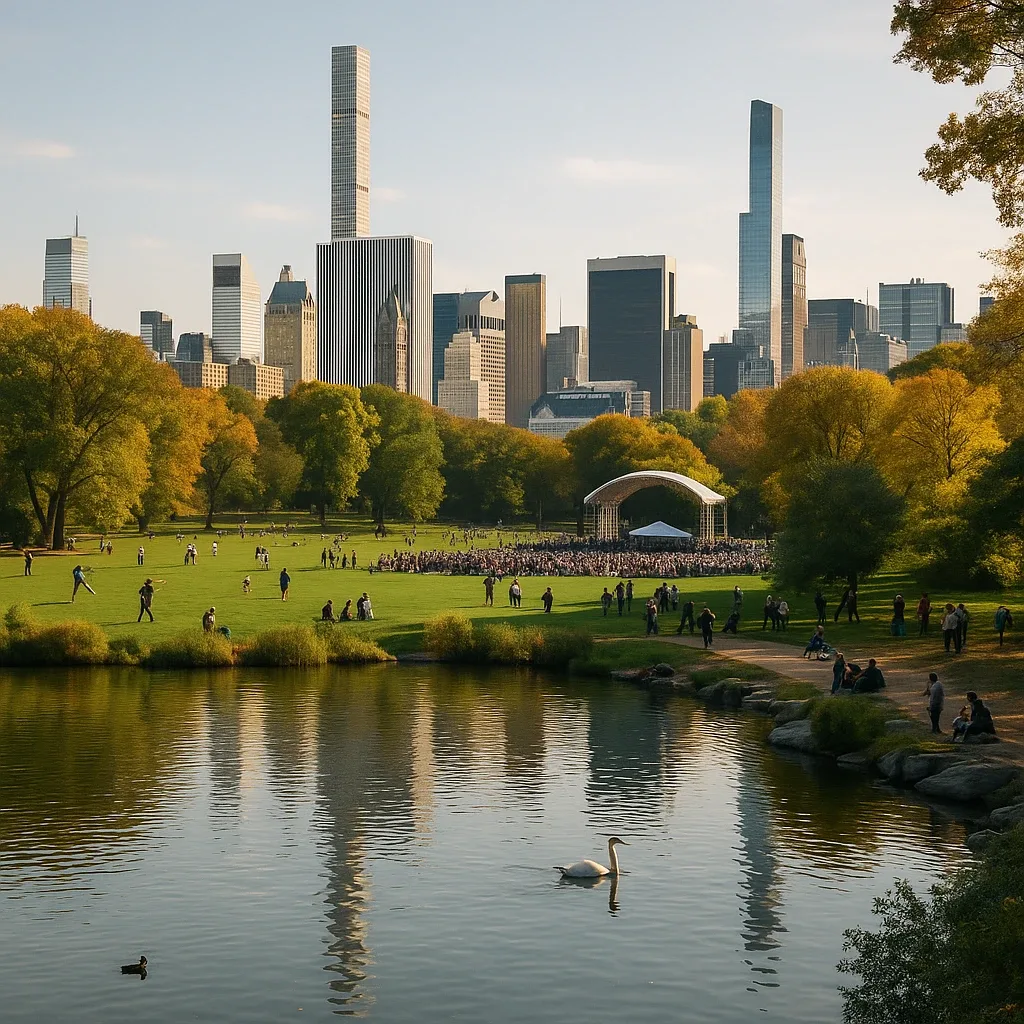
NEW YORK — Summer visitors near the Sheep Meadow fields scrambled for emergency shelter Thursday afternoon when a sudden thunderstorm triggered a rare direct lightning strike, according to The Independent. The unexpected weather event resulted in the emergency hospitalization of a 15-year-old teenager, prompting safety reviews by park rangers and city emergency management agencies.
Emergency Response Units Deploy Near Sheep Meadow
First responders from the NYPD's 22nd Precinct arrived at the West 66th Street park entrance within six minutes of receiving the urgent emergency call. The rescue crew navigated through dense afternoon crowds of pedestrians and cyclists who were seeking shelter from the torrential rainstorm under nearby stone bridges.
Paramedics quickly administered emergency medical care to the unresponsive teenager before transporting the patient to Mount Sinai Morningside hospital for specialized cardiac treatment. Medical staff confirmed the young victim was in stable condition but required continuous cardiovascular monitoring to detect potential electrical injuries.
The high-voltage electrical discharge scorched a small area of grass and bark on a mature oak tree standing near the pedestrian pathway. Park security officers quickly cordoned off the immediate vicinity with safety tape to prevent curious onlookers from interfering with the preliminary forensic assessment.
Medical Teams Confirm Teenager Survived Direct Strike
Medical specialists at Mount Sinai Morningside stated that surviving a direct lightning strike is extremely rare and depends heavily on rapid emergency medical intervention. Dr. Robert Vance, Chief of Emergency Medicine, explained that the high-voltage electrical current likely passed over the skin’s surface, a protective phenomenon known as flashover.
And that was before the storm reached its peak, unleashing multiple high-voltage cloud-to-ground discharges across the Upper West Side skyline. Dr. Vance added that immediate cardiopulmonary resuscitation performed by an off-duty nurse at the scene was critical in keeping the teenager alive until professional paramedics arrived.
Hospital representatives confirmed that the patient suffered minor superficial burns on the right shoulder and leg where the electrical current exited. The family has requested privacy while the teenager continues to recover from the intense physical and emotional trauma of the meteorological event.
Lightning Warning Systems Face City Council Scrutiny
The unexpected meteorological incident has prompted Manhattan representatives to evaluate the park's outdoor alert infrastructure and early warning broadcast capabilities. Council members are questioning whether the current system of digital informational signs and mobile phone notifications provides sufficient warning to visitors in wide, open lawns.
Local advocacy groups are urging the city to install specialized acoustic siren systems that can broadcast audible lightning warnings across the entire geographic area. They argue that sudden storms leave very little time for families to find safe shelter when they are far from major exits.
According to The Independent weather reporting, the storm developed rapidly over the Hudson River before sweeping east with intense wind gusts and heavy precipitation. Meteorologists noted that the system produced more than eighty lightning strikes across the Manhattan borough within a thirty-minute window.
Spatial Challenges and Rescue Coordination Hurdles
Navigating the expansive terrain of the park during severe weather emergencies poses unique logistical challenges for municipal dispatchers and ambulance crews. Many visitors do not realize how big is central park until they must describe their exact geographic coordinates to emergency operators during a crisis.
The park spans 843 acres of diverse landscapes, containing numerous winding wooded paths, lakes, and open meadows that can disorient lost visitors. Emergency responders must often rely on landmark reference points, such as lamp post numbers, to locate individuals who require urgent medical assistance.
To address these spatial navigation difficulties, the Central Park Conservancy recently updated its digital map application with real-time location tracking services. This interactive tool helps visitors identify nearby shelters and exit pathways, which is especially useful during sudden seasonal storms or security incidents.
Storm Safety Protocols for Open Manhattan Park Spaces
Safety guidelines from the National Weather Service advise individuals to seek fully enclosed metal vehicles or substantial indoor structures during active thunderstorms. Open pavilions, picnic shelters, and tall trees offer no protection from electrical discharges and can actually increase the risk of injury.
Meanwhile, organizers of popular outdoor activities like Central Park in the Dark nature walks have updated their severe weather cancellation policies. They now suspend all scheduled evening events if radar reports indicate convective activity within a twenty-mile radius of the Manhattan boundary.
Heavy gray clouds rolled rapidly over the Jacqueline Kennedy Onassis Reservoir loop, casting dark shadows across the running path as joggers hastened their pace before the deluge. Park rangers recommend that visitors immediately exit the open fields and seek shelter in local subway stations or commercial buildings.
Frequently Asked Questions
What should visitors do if they are caught in an open field during a sudden thunderstorm? If caught in an open field like Sheep Meadow during a thunderstorm, visitors should immediately head toward the nearest exit or stone underpass. Avoid standing near tall trees, light poles, or wet metallic structures, which are primary targets for electrical discharges during lightning storms.
How can emergency services locate visitors who are lost inside the massive park? Emergency services utilize the numbering system printed on the historic green lamp posts to locate lost individuals. The first two digits of the four-digit code indicate the nearest cross street, helping the NYPD's 22nd Precinct dispatch rescue vehicles directly to the exact location.
Are there designated severe weather shelters located throughout the park? While there are no specialized storm shelters, substantial brick and stone buildings like Belvedere Castle and the visitor centers offer safe shelter during severe weather. Digital signs near major entrances are updated in real-time to warn visitors of incoming storms and advise immediate evacuation.
Related Articles
More in Visitor Guide →
A Guide to Central Park's Top Activities and Best Things to Do in 2026
Discover the best things to do in Central Park, NYC, with our comprehensive 2026 guide to iconic landmarks, activities, and hidden gems for visitors.
A Guide to What to Know About the Vatican Obelisk in Central Park 2026
Discover what to know about the Vatican Obelisk (Cleopatra's Needle) in Central Park, its history, journey to NYC, and where to find it in 2026.
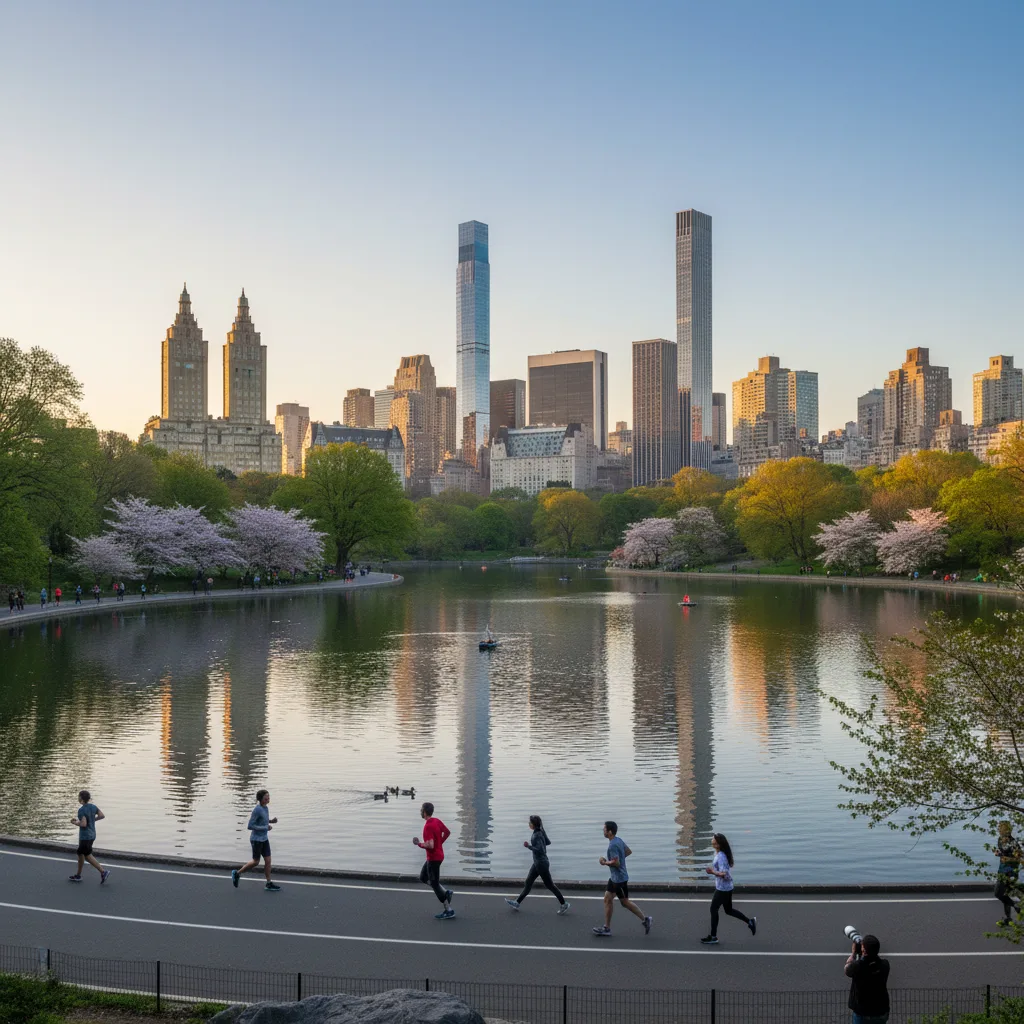
A Complete Guide to the Central Park Reservoir: What to Know Before You Visit
Discover everything you need to know about the Central Park Reservoir: its history, running track, wildlife, best views, and visitor tips for 2026.

A Guide to Central Park's Top 5 Pizzerias: The Best Slices Near You in NYC
Discover the top 5 pizzerias near Central Park, NYC. This guide helps you find the best slices, from historic institutions to modern favorites.
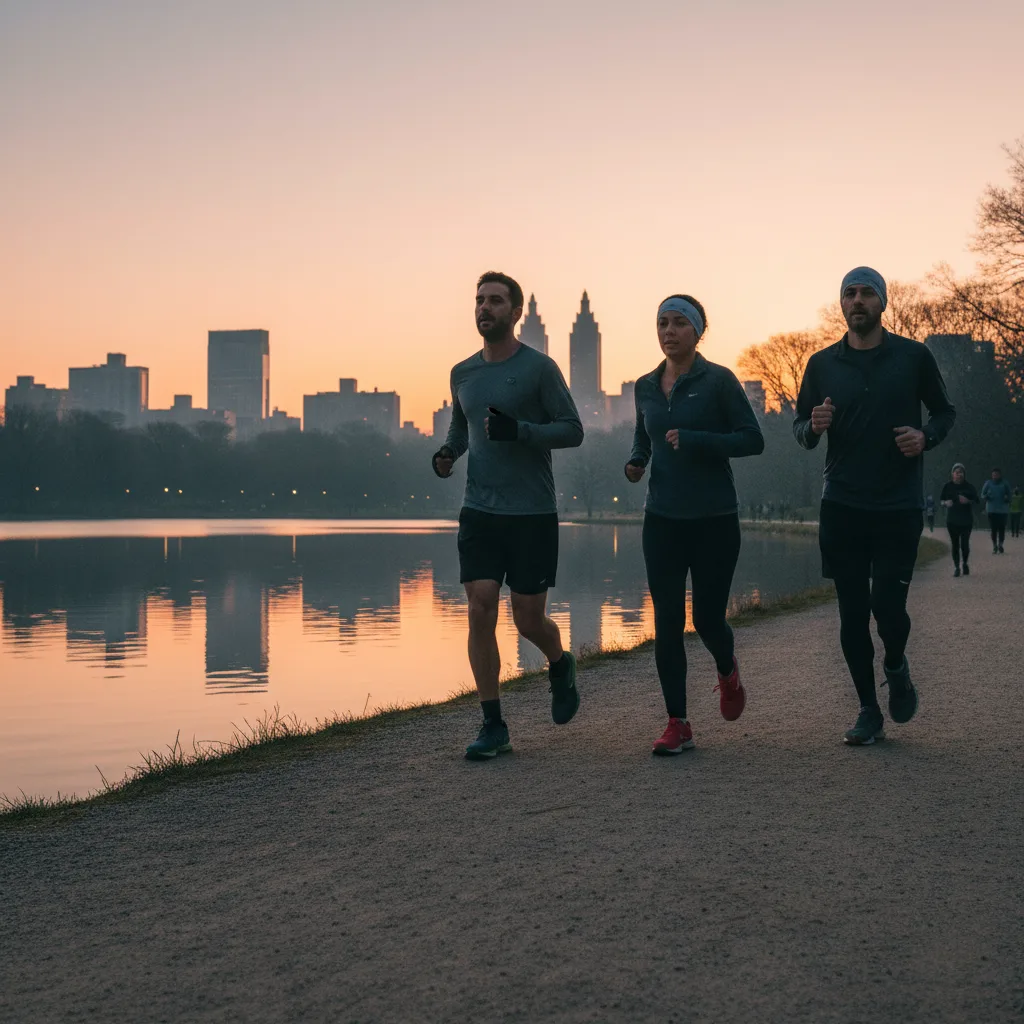
Central Park Offers Daily Public Access From 6 AM to 1 AM
Central Park maintains extensive daily public access from 6:00 am to 1:00 am, offering a continuous urban sanctuary for millions of visitors.
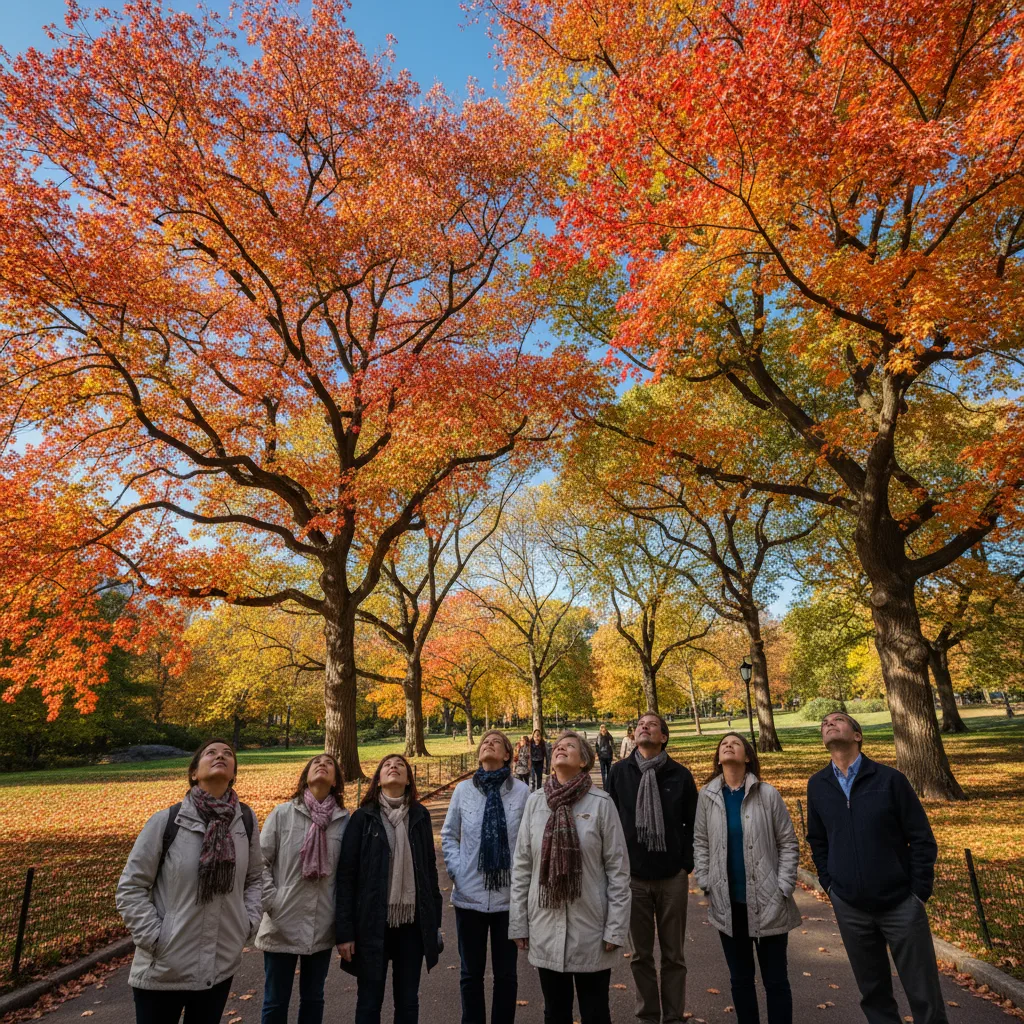
Central Park Conservancy Updates Calendar with Fall Foliage Trackers
The Central Park Conservancy has updated its calendar with fall foliage trackers and seasonal activities, guiding visitors to experience the park's autumn beauty and diverse offerings. The new resources aim to enhance planning for iconic views and events.