


Activists Question How Long Is Central Park Carriage Route After Death
Enjoying the coverage?
The week's Central Park events, rounded up every Friday. Free; unsubscribe in one click.
Sent every Friday. By subscribing, you agree to our Terms of Use and Privacy Policy.
NEW YORK — A carriage horse named Deniz collapsed and died on the asphalt near the 72nd Street transverse on Tuesday evening, ABC7NY reported. The sudden death has sparked intense questioning among veterinary advocates regarding how long is central park loop routes for older working animals under summer heat conditions.
The animal's final moments, which occurred at approximately 7:30 p.m. during the evening tourist rush, were recorded by eyewitnesses who described a scene of severe physical distress. As twilight settled over the Bethesda Terrace, the distant clop-clop of remaining horse carriages sounded increasingly somber to onlookers.
Distressing Footage Prompts Inquiries into How Long Is Central Park Loop
Videos captured by park visitors show the horse struggling to maintain its footing before collapsing onto its side. Onlookers rushed to provide water, but the animal was unresponsive within minutes of hitting the pavement. The widely shared footage has amplified calls for the city to address the structural demands of the carriage industry.
The Central Park News Friday Briefing
The week's Central Park events, rounded up every Friday. Free; unsubscribe in one click.
Sent every Friday. By subscribing, you agree to our Terms of Use and Privacy Policy.
Veterinary advocacy groups argue that pulling heavy carriages across long distances on hard asphalt is inherently unsafe. They point to the physical dimensions of the park, forcing public inquiries into how long is central park carriage trail loop and whether the distance is humane. The debate has drawn a sharp line between traditional tourism and modern animal ethics.
Advocates Decry Medical Conditions of Working Carriage Teams
"The conditions these horses face daily on hard city streets are unacceptable," NYCLASS Executive Director Edita Birnkrant said in a statement released Wednesday. Birnkrant noted that the physical exertion required to pull tourists through crowded public spaces frequently leads to chronic joint issues and heat exhaustion.
Industry representatives disputed these claims, asserting that the vast majority of horses are well-cared for and receive regular rest periods. They argued that carriage rides have been an iconic part of the city's identity for more than a century. The conflict remains a prominent issue for local community boards.
Autopsy Results Awaited as Health Department Launches Investigation
The Department of Health and Mental Hygiene has launched a full inquiry into the horse's medical history and recent work logs. Investigators are searching for any pre-existing conditions that may have contributed to the sudden cardiovascular failure. A full necropsy is being conducted at an upstate facility to determine the exact cause of death.
Results are expected to be released to the public within the next three weeks, according to health officials. The findings could influence future city regulations regarding maximum working hours and mandatory veterinary rest periods. Lawmakers are closely monitoring the progress of the medical investigation.
Evaluating How Long Is Central Park Transverse Route for Working Equines
The physical layout of the park's roadways includes several challenging inclines that place additional strain on the working animals. Critics point out that the standard routes span several miles, highlighting the question of how long is central park southern loop and whether carriage routes should be restricted to shorter, flatter paths. The geographic complexity of the paths complicates efforts to establish simple safety guidelines.
Proponents of the carriage trade suggest that restricting horses to specific flat zones would reduce physical strain while preserving the industry. However, animal rights groups maintain that no path in a busy urban center is truly safe for large draft animals. The debate over route modifications continues to divide city planners.
Stagnant City Legislation Sparks Renewed Grassroots Campaigns
Grassroots organizations are planning a series of rallies along Central Park South to pressure the City Council into passing pending animal welfare bills. Legislative efforts have historically faced resistance from tourism groups and labor unions representing the carriage drivers. The gridlock has frustrated activists who demand immediate executive action.
City officials have promised to hold public hearings to gather input from both animal welfare advocates and carriage industry representatives. For more perspective on how the carriage industry intersects with local neighborhood dynamics, readers can view the report on Midtown residential and carriage protests.
To understand the broader discussions surrounding the welfare of working animals in municipal spaces, please refer to the detailed analysis of the carriage safety debate in Central Park.
Frequently Asked Questions
What are the current maximum working hours allowed for carriage horses in NYC? Under existing city guidelines, carriage horses are permitted to work up to nine hours within any 24-hour period. These operating hours must include regular rest breaks, and the horses are legally required to have at least five weeks of pasture vacation per year. Enforcement agents from the Department of Consumer and Worker Protection monitor compliance.
Which city agency is responsible for investigating incidents involving carriage horses? The New York City Department of Health and Mental Hygiene, in cooperation with the NYPD's Animal Cruelty Investigation Squad, is responsible for conducting inquiries into injuries or deaths of working horses. They review veterinary records, stable conditions, and driver logs to ensure all health standards are met. Penalties for violations can include fines and license revocations.
Are there designated rest stations with water access for carriage horses inside the park? Yes, the city provides several designated watering troughs and rest stations near the southern entrances of the park along Central Park South. These stations are equipped with fresh water supplies to ensure horses remain hydrated during their shifts. However, advocacy groups argue that more shade and cooling infrastructure are needed to protect the animals during peak summer periods.
The Central Park News Friday Briefing
The week's Central Park events, rounded up every Friday. Free; unsubscribe in one click.
Sent every Friday. By subscribing, you agree to our Terms of Use and Privacy Policy.
Related Articles
More in Park Events →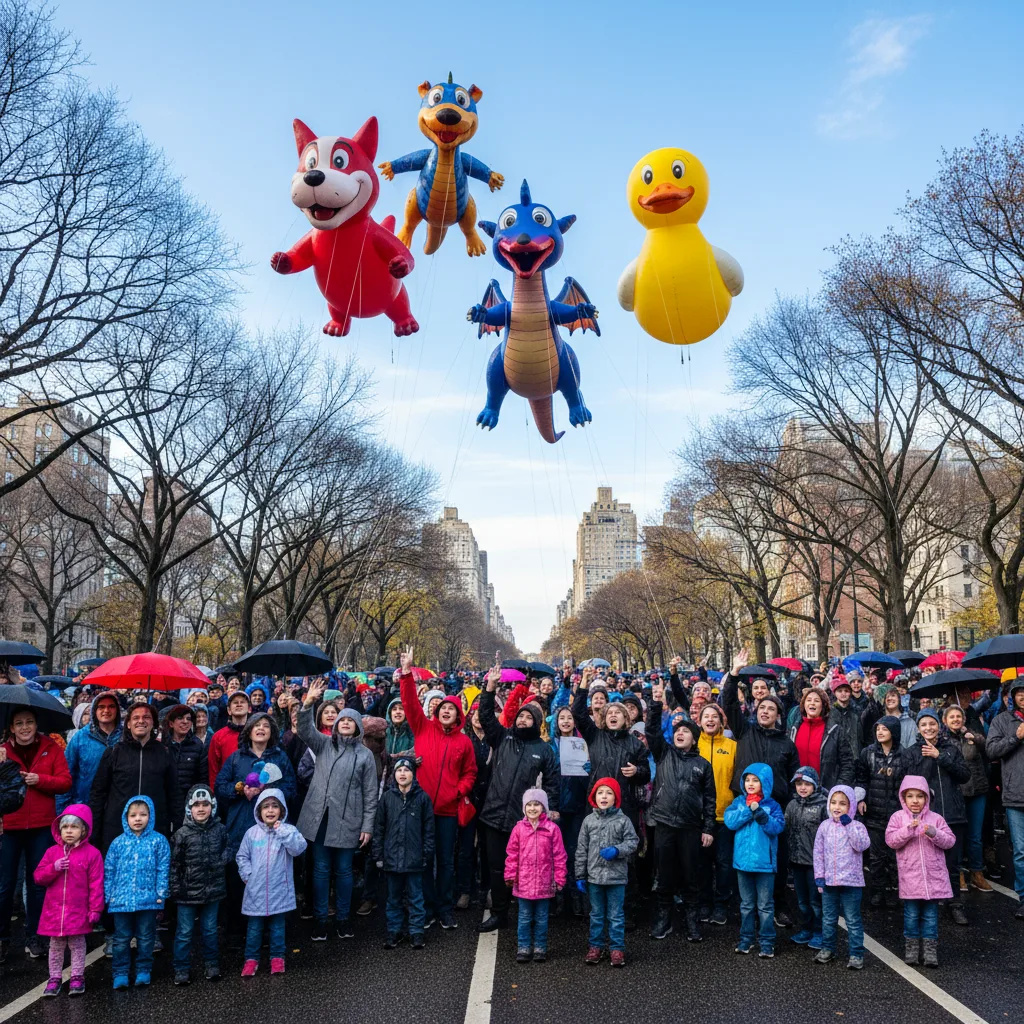
NYC Officials Host Postponed Macy's Parade with 100 Inflatables
New York City officials hosted the 100th Macy's Thanksgiving Day Parade on Saturday, November 28, 2026, after a postponement, featuring 100 inflatables.
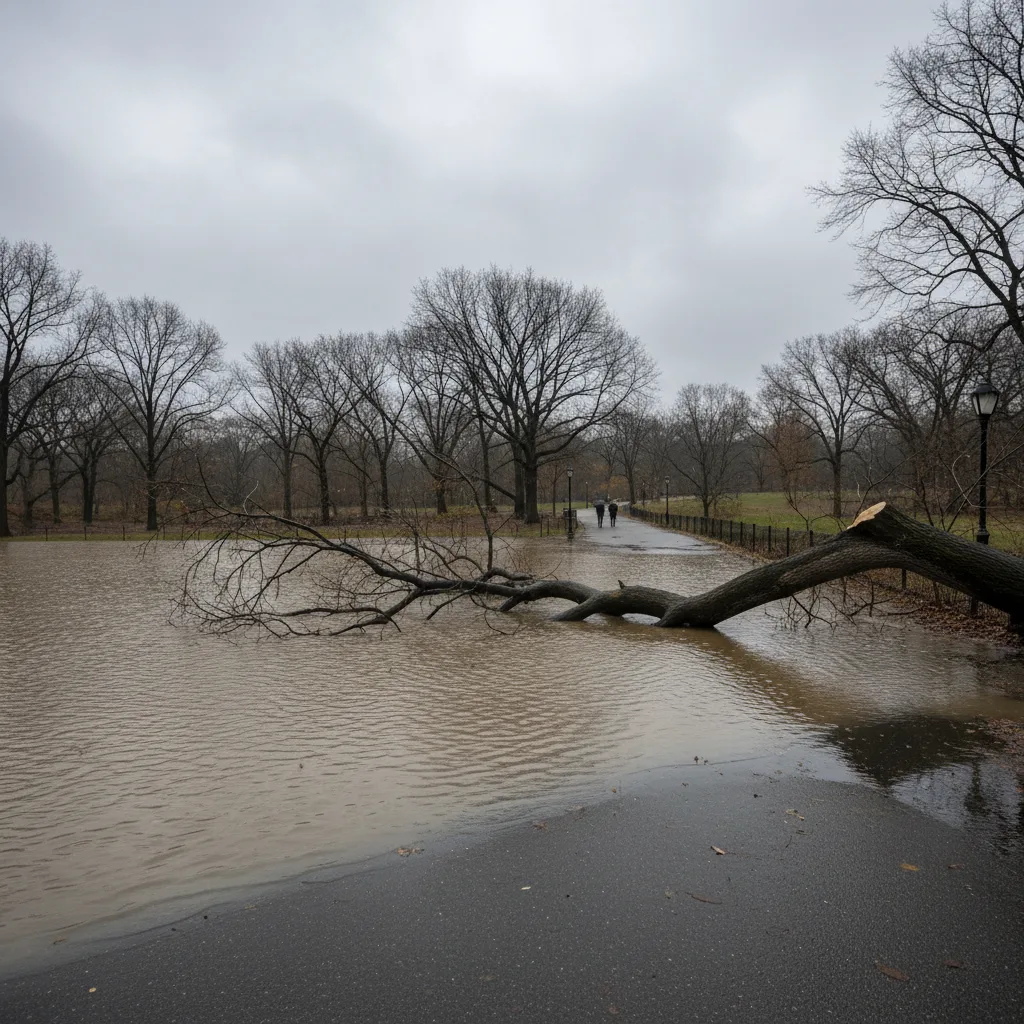
Central Park Records 2.18 Inches Rain, Storm Causes Outages
NEW YORK: NYC News Center reported Saturday, November 28, 2026, that Central Park received a record 2.18 inches of rain on Thanksgiving Day, November 26, 2026,…
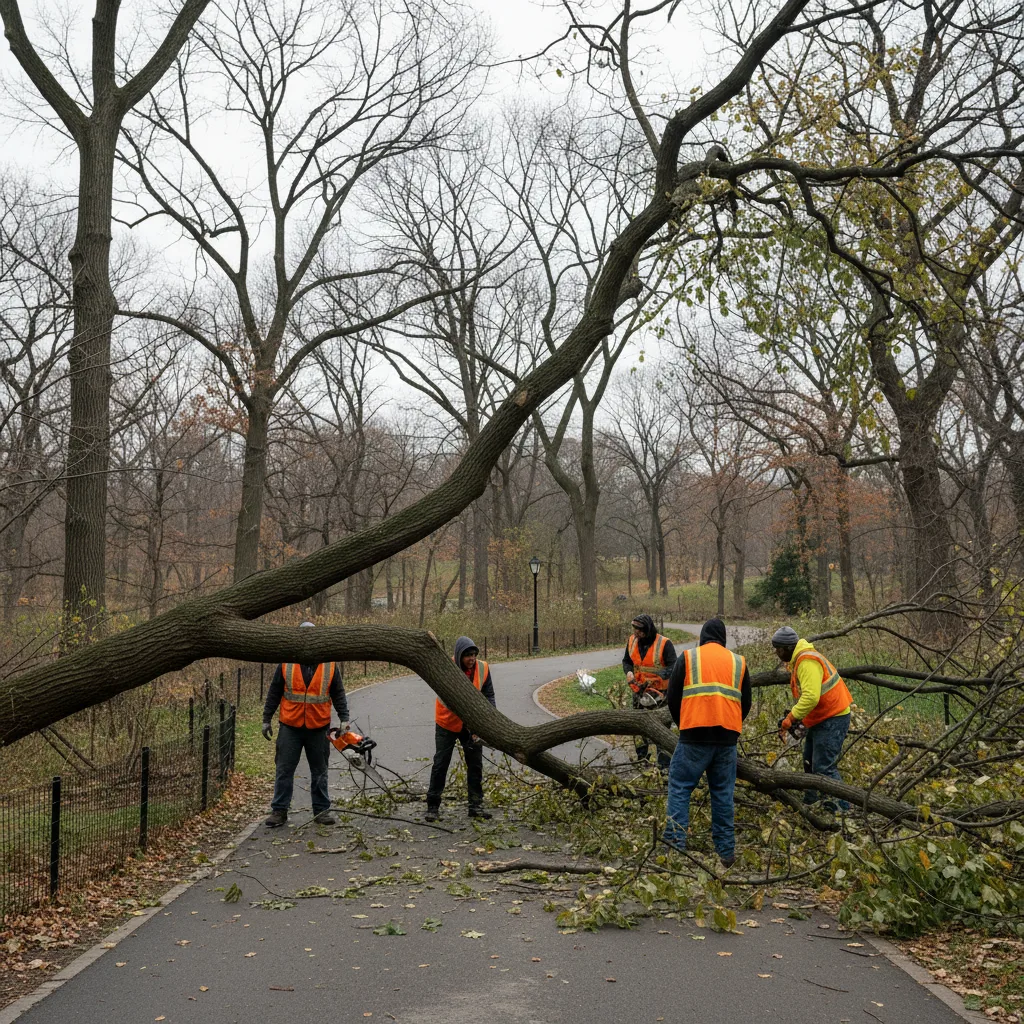
NYC Officials Confirm Central Park Thanksgiving Storm Clean-Up Efforts
NEW YORK: Crews across New York City, Long Island, and New Jersey responded Friday, November 27, 2026, to downed trees, flooding, and power outages after a…
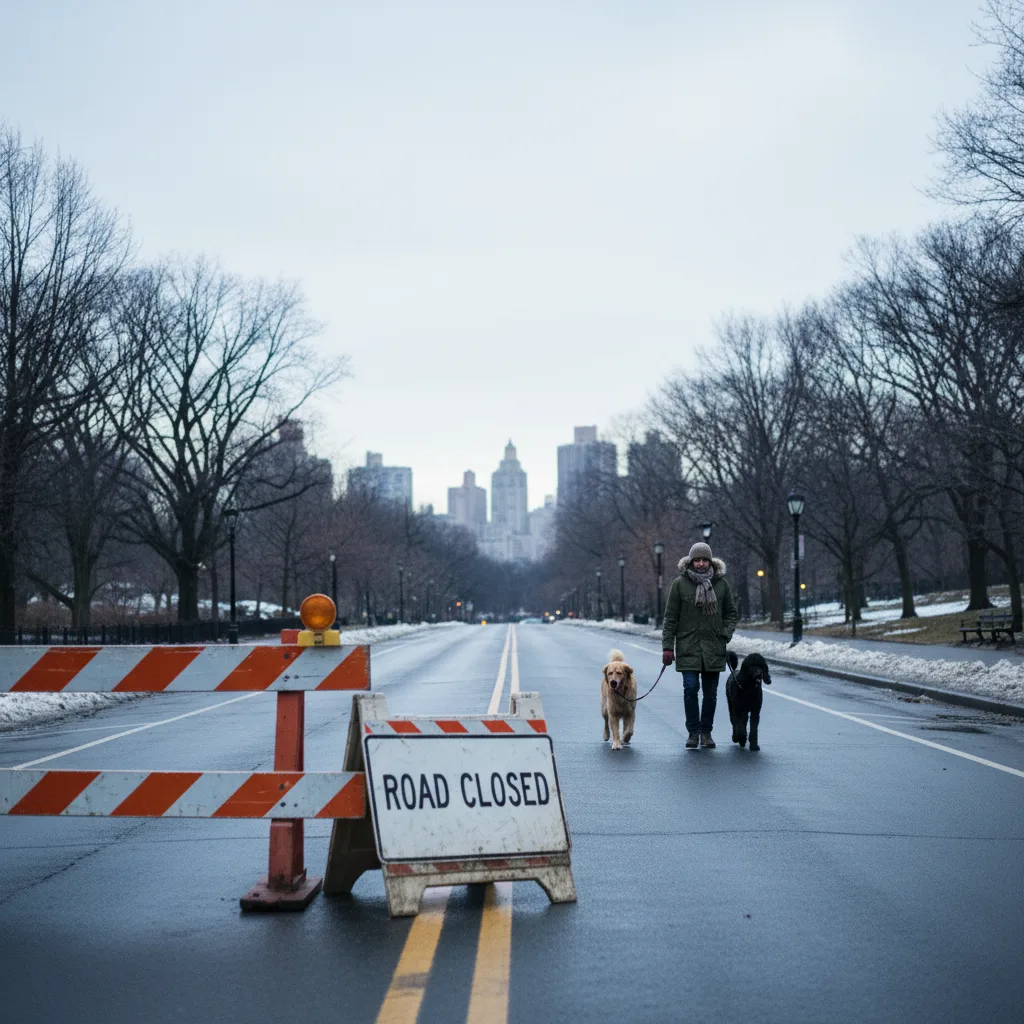
Dog Walker Navigates Closed Central Park Streets on Thanksgiving Day
A dog walker was observed on a closed street near Central Park on Thursday, November 26, 2026, Thanksgiving Day.

Central Park Visitors Face Limited Access During Macy's Parade Days
Central Park visitors experienced limited access and temporary closures on November 25 and 26, 2026, due to Macy's Thanksgiving Day Parade preparations.
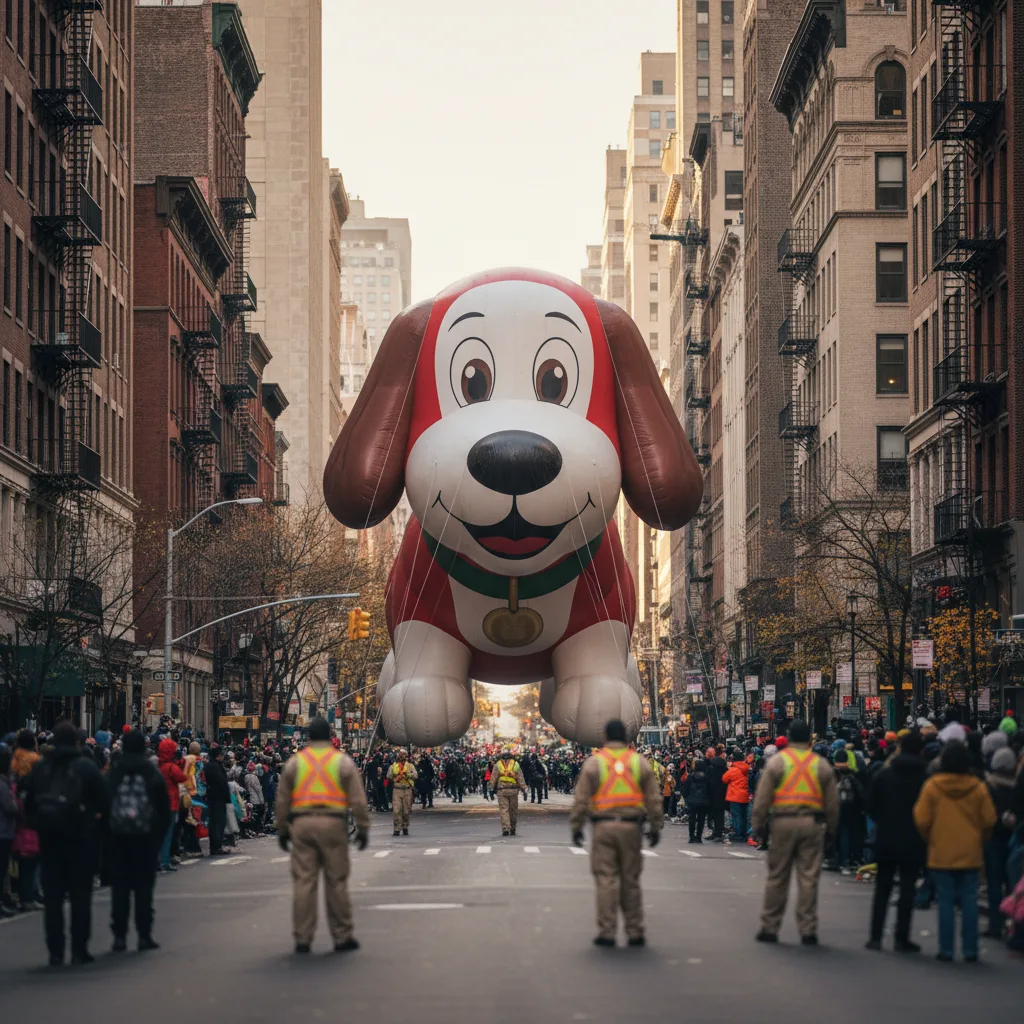
Macy's Thanksgiving Day Parade Kicks Off 100th Celebration in NYC
The 100th annual Macy's Thanksgiving Day Parade commenced at 8:30 AM on Thursday, November 26, 2026, originating from Central Park West and 77th Street.