


Israeli PM Updates Iran War Progress; Central Park Responds

NEW YORK — Israel's Prime Minister has stated there is no definitive timeline for ending the Iran war, but confirmed that over half of the conflict's objectives have been achieved, The Times of Israel reported on March 31, 2026. This announcement comes as US President Trump signals a willingness to stop military action without necessarily requiring the reopening of the Strait of Hormuz.
The update from the Israeli Prime Minister, coupled with Trump's reported stance, has sparked varied reactions among New Yorkers. Conversations within Central Park reflect a mix of relief, skepticism, and continued concern over global stability and regional safety, particularly within the Jewish community.
Central Park Debates Global Geopolitics
Central Park chess players and picnickers were observed dissecting the Prime Minister's update, with one Manhattanite telling friends on the Great Lawn, "If Israel's halfway done and Trump's backing off, maybe we avoid World War III." This sentiment captures the cautious optimism present among some park-goers, according to local observers.
Reactions heard in local podcasts recorded from park benches and community discussions reflect a blend of hope for de-escalation and skepticism about the conflict's true trajectory. The park remains a hub for public discourse on both local and international issues, as evidenced by these candid conversations.
Context of Trump's De-escalation Signals
President Trump's reported willingness to end military action without a precondition for the Strait of Hormuz reopening adds a complex layer to the ongoing situation. This approach, while potentially controversial, could pave the way for a more immediate cessation of hostilities, as noted in analyses of the live blog update.
Such signals from the US leadership are critical in shaping international perceptions and expectations for the conflict's resolution. The coordination, or lack thereof, between key allies like the US and Israel remains a focal point for global observers.
Local Community Concerns and Advocacy
Residents near Carnegie Hill, many of whom are part of New York City's vibrant Jewish community, have voiced worries about community safety and pushed for peace vigils in Central Park. These calls for communal solidarity and prayer underscore the deeply personal impact of geopolitical events on local populations.
Local synagogues and community centers have also become venues for discussions and support gatherings, reflecting a broader pattern of community-led responses to international crises. These efforts aim to foster dialogue and provide solace during times of uncertainty.
Economic Implications and Energy Prices
The ongoing conflict continues to have economic ripples, particularly affecting energy prices, as detailed in the live updates. While de-escalation signals may offer a glimmer of hope for market stabilization, the immediate impact on gas prices and broader inflation remains a significant concern for New York City residents.
Analysts are closely monitoring how these geopolitical shifts will translate into tangible economic relief for consumers. The prospect of lower energy costs, though not immediate, is a key driver of the public's desire for a swift and peaceful resolution to the conflict.
Future of Regional Stability and International Relations
The statements from both the Israeli Prime Minister and President Trump highlight the delicate balance of power and diplomacy in the Middle East. The world watches for coordinated next steps that could lead to a more stable regional environment and mitigate further global economic disruption.
Experts on international relations suggest that the coming weeks will be crucial in determining whether these signals translate into concrete policy changes and a sustained period of peace. The role of international mediation and multilateral discussions will be paramount in navigating this complex geopolitical landscape, according to global policy forums.
Frequently Asked Questions About the Iran War Update
What did the Israeli Prime Minister announce about the Iran war? The Israeli Prime Minister confirmed that over half of the war's objectives have been achieved, though he provided no specific timeline for its conclusion, as reported by The Times of Israel on March 31, 2026.
How did Central Park residents react to the news? Central Park visitors, including chess players and picnickers, reacted with a mix of relief and skepticism. Many expressed hope that President Trump's de-escalation signals, combined with Israel's progress, could avert a larger conflict.
What is President Trump's position on ending the war? President Trump has reportedly indicated a willingness to halt military action in the Iran war even if the Strait of Hormuz is not reopened. This signals a potential shift in strategy towards de-escalation.
Are there concerns for specific communities in New York City? Yes, residents near Carnegie Hill, particularly within the Jewish community, have expressed concerns about safety and are advocating for peace vigils in Central Park, reflecting anxieties related to the conflict's regional implications.
What are the broader economic impacts of the conflict? The ongoing war continues to cause significant economic ripples, including soaring energy prices. These economic pressures are a major concern for New Yorkers, impacting daily costs like gasoline and potentially broader inflation. read more about central park news here
Related Articles
More in Community & Philanthropy →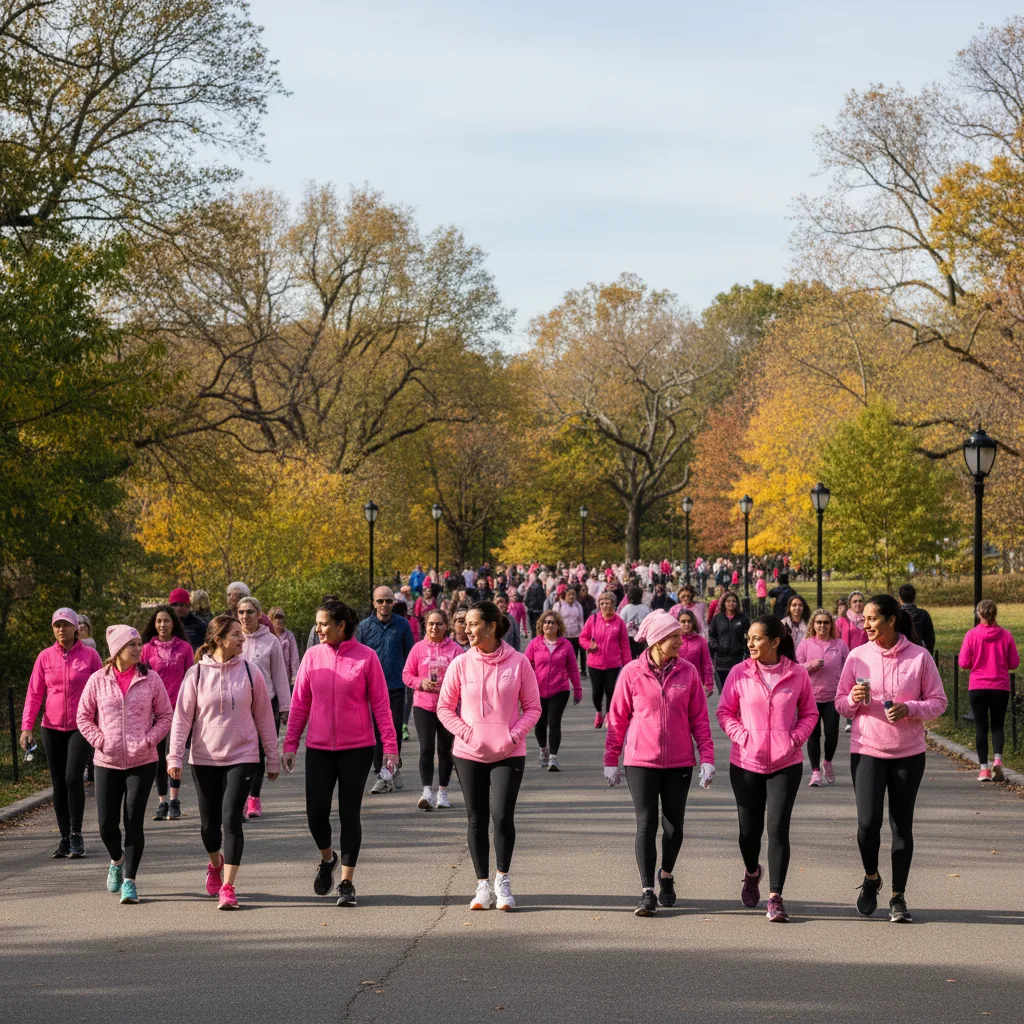
50,000 Expected to Rally in Central Park for Making Strides Walk
An estimated 50,000 participants are expected to rally in Central Park this month for the iconic Making Strides Against Breast Cancer walk. The event highlights community support for research and patient services.
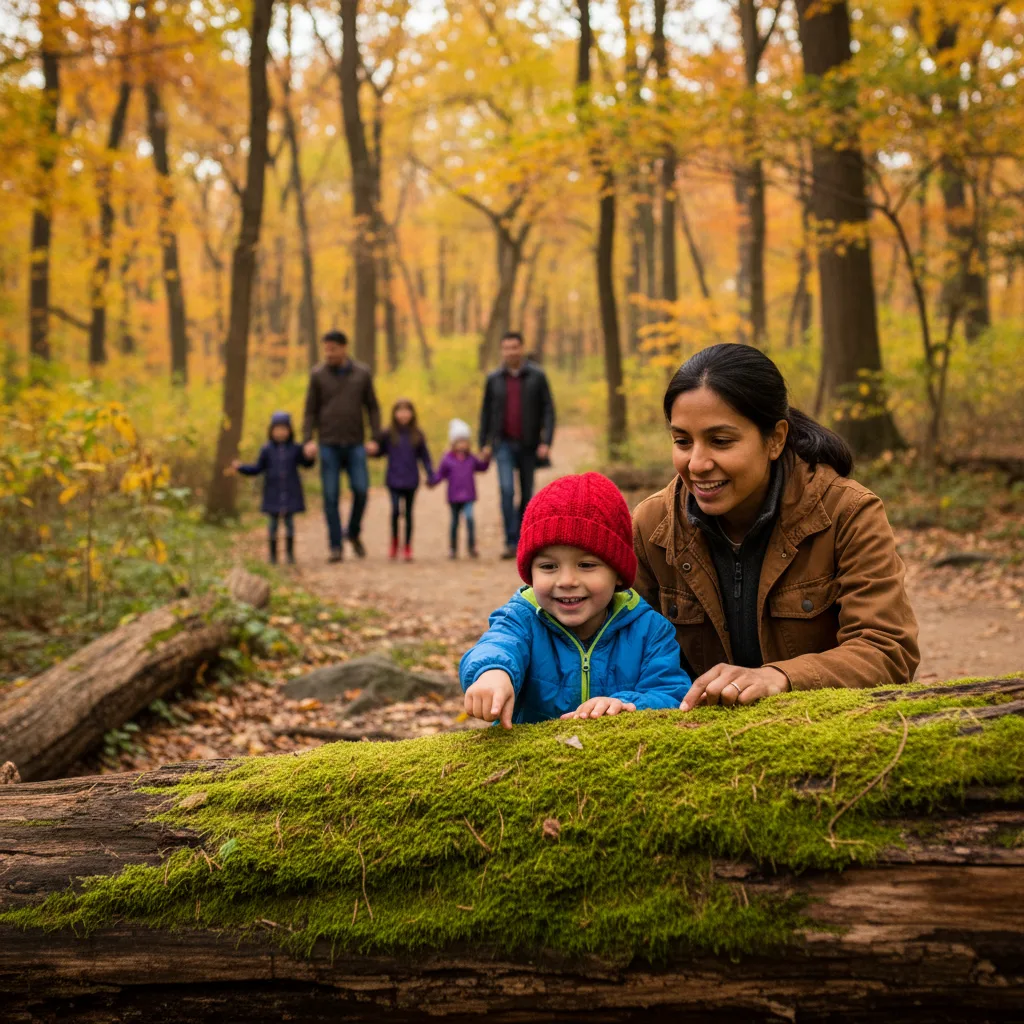
Central Park Kids Celebrate Forest Day with Wonder in the Woods
Central Park hosts "Wonder in the Woods" on October 3, 2026, a free family scavenger hunt in the North Woods. Children can celebrate City of Forest Day, offering an engaging outdoor activity.

Central Park Conservancy Launches Free Fall Scavenger Hunt
Central Park Conservancy launches a free fall scavenger hunt for families next month, encouraging outdoor exploration. This self-guided tour through wooded areas offers a chance to unplug and enjoy autumn beauty.
Central Park Friday Play Club Continues for Children in October 2026
Central Park's Friday Play Club, a free, parent-led initiative, continues through winter recess, offering children outdoor recreation on October 2, 2026, and subsequent Fridays.
Patch Calendar Highlights Central Park 'Party On Park 2026' September 27
The Upper East Side Patch calendar featured "Party On Park 2026" for Sunday, September 27, at 12:00 PM, opening Park Avenue Viaduct spaces for recreation near Central Park.
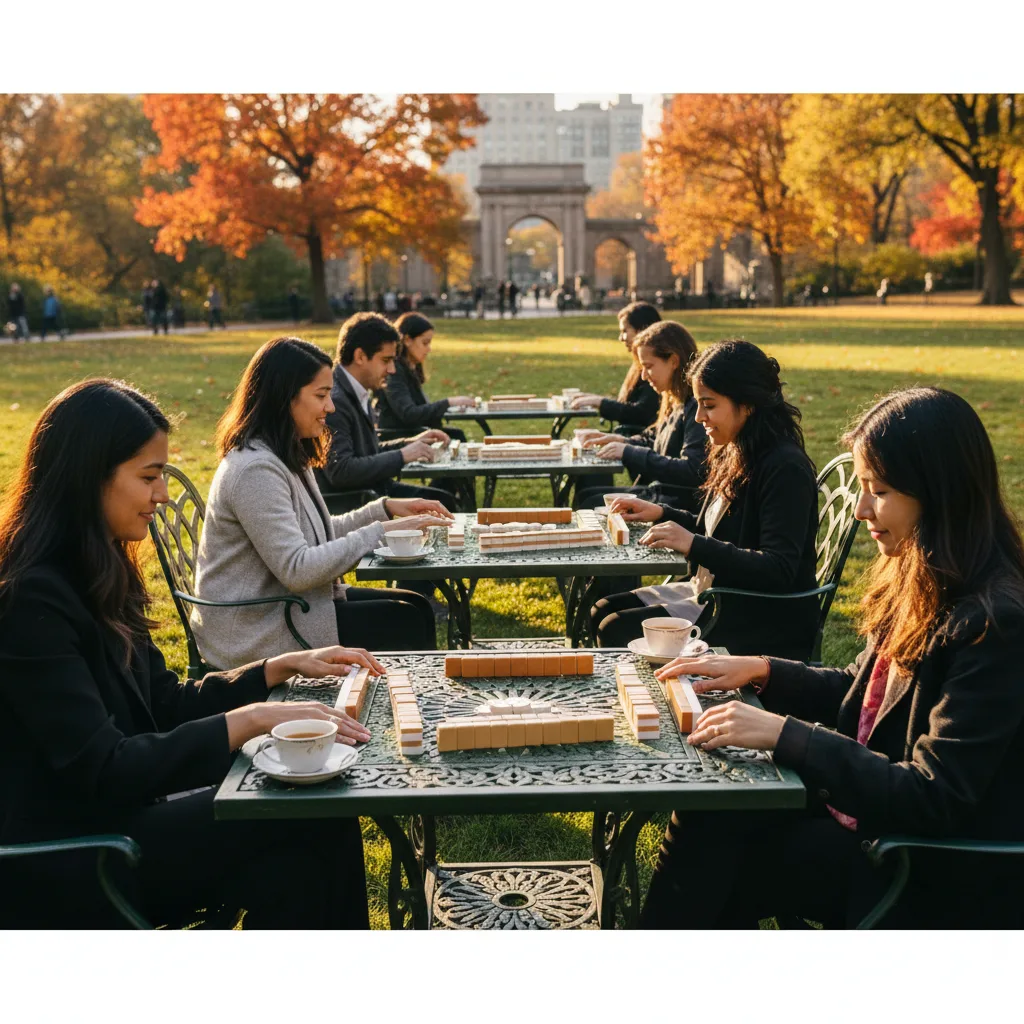
Central Park Conservancy Announces 2026 Fall Mahjong Social
The Central Park Conservancy announced its 2026 Fall Central Park Mahjong Social, hosted by the Women’s Committee and Playground Partners. This event supports park initiatives and follows the Play for the Park Tennis Tournament, inviting community involvement.