


Manhattan 'No Kings' March: Aerial Views Show Tens of Thousands

NEW YORK — Tens of thousands of demonstrators flooded the streets of Manhattan on March 28, 2026, for the "No Kings" march, creating a powerful visual spectacle that stretched for miles. Aerial footage captured the immense scale of the protest, showing dense streams of people moving through the borough's iconic thoroughfares, with the vast human river visible from above.
The sheer number of participants underscored the depth of public sentiment driving the "No Kings" movement. This large-scale mobilization, extensively documented from an elevated perspective, provided a striking image of collective action in the heart of New York City.
Bird's-Eye Perspective of the Demonstration
Aerial views, circulated widely online, provided an unprecedented perspective of the March 28, 2026, "No Kings" march through Manhattan. Drone footage and helicopter shots revealed continuous streams of people, demonstrating the extraordinary organizational capacity behind the event and the broad participation it commanded.
According to YouTube footage capturing the event, the aerial vantage point allowed observers to grasp the true magnitude of the demonstration, showcasing its progression through major avenues. The visuals depicted a unified, yet diverse, crowd moving with purpose, creating a significant impact on the urban landscape.
March Route and Central Park Vicinity
The "No Kings" march traversed several key Manhattan neighborhoods, with its route taking demonstrators through areas adjacent to Central Park. While the main body of the march did not directly enter the park, its proximity meant that thousands of participants were visible from its perimeter, particularly along Central Park South and the Upper West Side.
This strategic routing allowed the protest to maximize visibility against the backdrop of one of the world's most recognizable urban parks. The human flow created a dynamic scene, illustrating how civic actions can momentarily transform the city's typically bustling environment into a stage for public expression.
Impact on Urban Flow and Observation
The movement of tens of thousands through Manhattan had inevitable repercussions on urban flow, leading to temporary closures of streets and rerouting of traffic. However, the aerial perspective offered a unique way to observe and understand these disruptions, providing clarity on the protest's logistical challenges and successes.
From above, the coordinated efforts of both protesters and law enforcement to manage the massive crowd were evident. The visual data gathered from these aerial observations will likely be invaluable for future urban planning and crowd management strategies during large-scale public events.
The Power of Visual Documentation
In an age of digital media, the aerial documentation of the "No Kings" march serves as a powerful tool for conveying the event's significance. Such footage transcends local news reports, offering a universal image of popular mobilization that resonates globally.
The widespread sharing of these videos online ensured that the message and scale of the "No Kings" protest reached audiences far beyond New York City. It highlights how visual media, particularly from unique perspectives, can shape public perception and historical understanding of significant civic events. This YouTube aerial video provides compelling evidence of the demonstration's size.
Frequently Asked Questions About the Manhattan March
The "No Kings" march on March 28, 2026, saw tens of thousands of demonstrators move through Manhattan, creating a vast and impactful public display. The primary objective of this large-scale protest was to voice collective dissatisfaction with governmental policies and political figures, as part of a broader movement advocating for significant reforms. Aerial views, including drone and helicopter footage, captured the extraordinary scale of the event, showcasing continuous streams of people moving through the city's main avenues, providing a unique perspective on the demonstration's magnitude. The march's route included areas adjacent to Central Park, making the large crowds visible from its perimeter and emphasizing its strategic location for public assembly. While causing temporary traffic disruptions and street closures, the event demonstrated a powerful exercise of democratic expression, with visual documentation playing a crucial role in its widespread impact.
Related Articles
More in Urban Policy & Development →
NYC Mayor Mamdani Booed at Union Square October 7 Vigil
Mayor Mamdani faced boos and protests at a Union Square vigil Thursday marking the Oct. 7 attacks, highlighting deep community divisions in NYC.
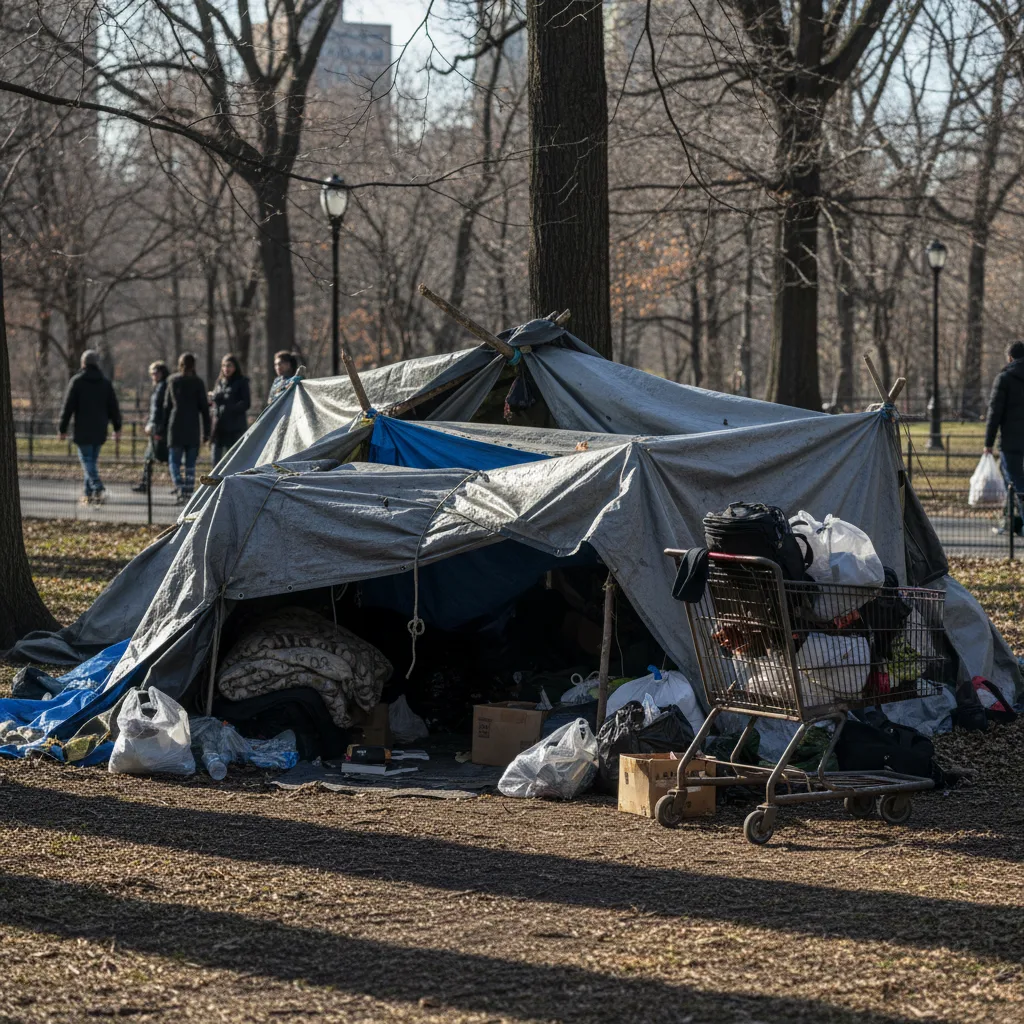
NYC Homeless Encampments Spotted Across Manhattan, Raising Concerns
Multiple homeless encampments have been spotted across Manhattan, raising significant concerns about urban policy and public safety. City officials are under pressure to address the growing homelessness crisis.
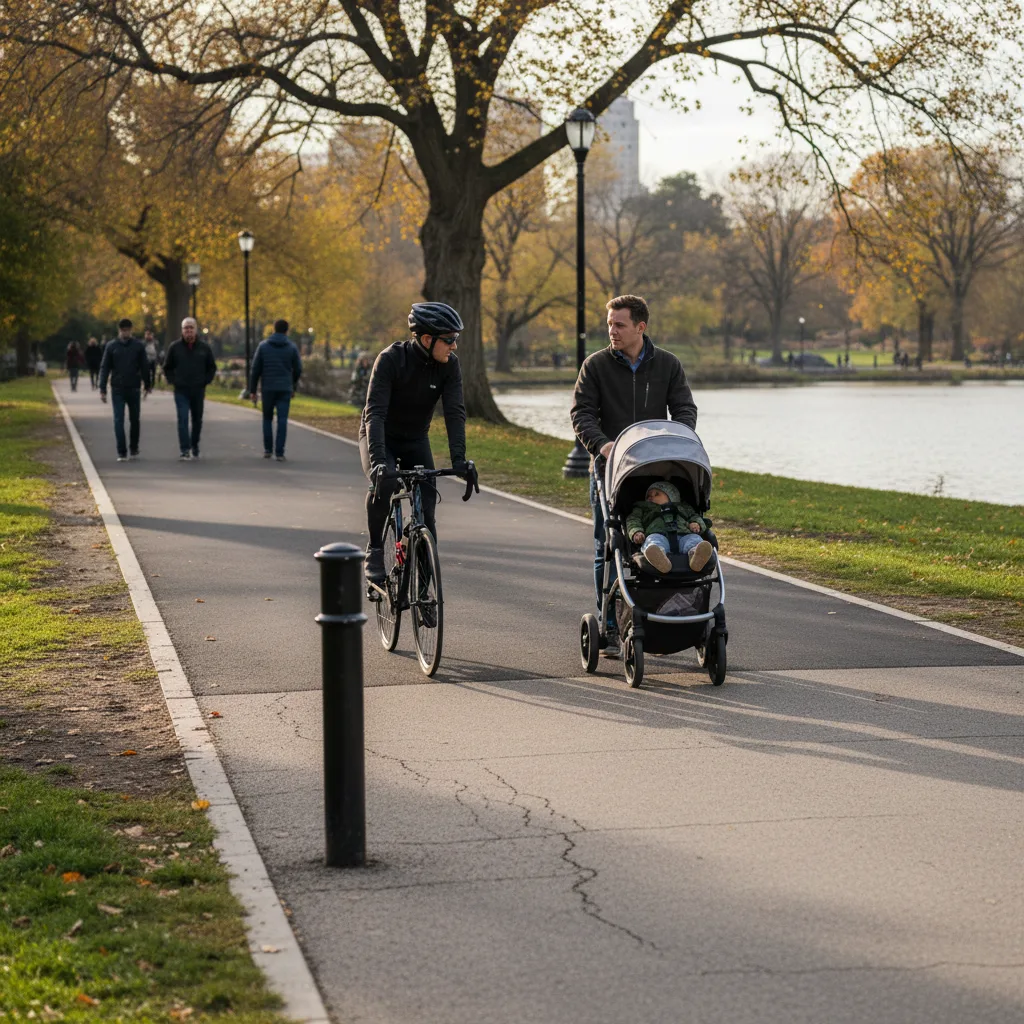
Safety Advocate Blames Park Redesign for Rising Central Park Cyclist Crashes
Safety advocates blame recent Central Park redesigns for a pedestrian's death and rising cyclist crashes, calling for urgent review of infrastructure.
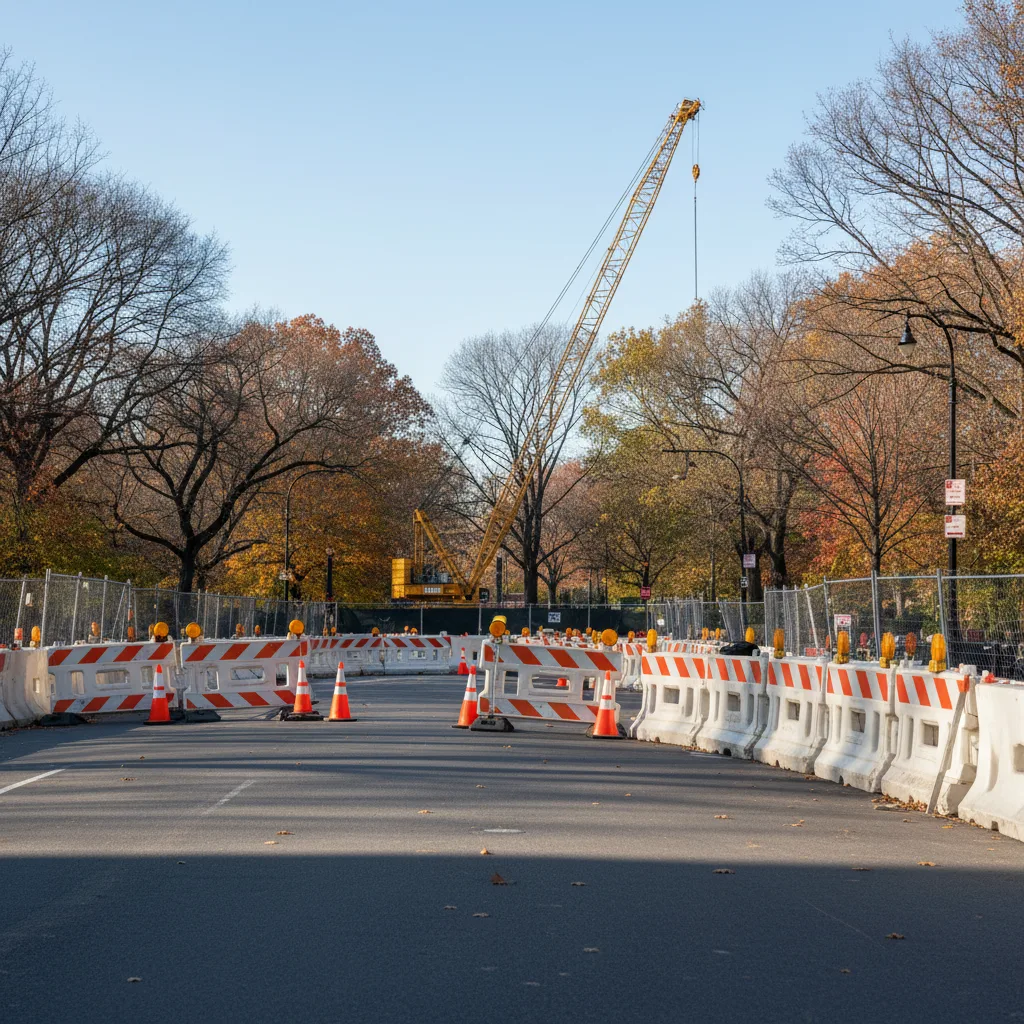
NYC DOT Advises Central Park Area Traffic Disruptions September 27
NYC DOT issued advisories for major traffic disruptions near Central Park on September 27, 2026, due to a parade and crane operations. Expect delays.

Davis Center at Harlem Meer Unveils State-of-the-Art Facilities
The new Davis Center at the Harlem Meer in Central Park's north end now features a state-of-the-art pool, ice rink, and multi-use turf field, enhancing community recreational options.

NYC City Record Confirms September 21, 2026, Publication Schedule
The NYC City Record confirmed its September 21, 2026, publication schedule, detailing administrative notices, procurement, and public hearings. This ensures transparency for municipal operations and public access to vital city information.