


Manhattan Residents Anxious Over Rising Gas Prices, Iran Threat

NEW YORK — Manhattan residents, particularly those near Central Park, are experiencing heightened anxiety following recent global events, including a significant threat from US President Donald Trump regarding Iran's oil infrastructure. This geopolitical tension is directly translating into local concerns over rising gas prices and potential energy disruptions.
President Trump's statement, posted on Truth Social, threatened to "obliterate" Iran's Kharg Island crude oil export hub, oil wells, and power plants if a deal to end the US-Israeli war is not reached. This aggressive rhetoric has sent shockwaves through international energy markets and has sparked fears of US ground operations.
Central Park Joggers Discussing Global Tensions
Morning joggers in Central Park are increasingly incorporating discussions about rising gas prices and Trump's threats into their routines. Many are openly speculating about the potential for energy blackouts in New York City, demonstrating how global politics quickly become local anxieties.
"I overheard someone saying we should brace for blackouts," remarked avid runner David Lee, 52, near the Reservoir. "It makes you wonder how stable things really are, and then you see gas prices jump again."
Local Delis Report Stockpiling Amid Energy Fears
Local delis and convenience stores surrounding Central Park are observing a discernible shift in consumer behavior. Several establishments report customers beginning to stockpile non-perishable snacks and bottled water, a reaction to fears of energy instability.
Maria Gomez, manager of a deli on Columbus Avenue, noted, "People are buying extra, especially things that don’t need refrigeration. They mention the news, the gas prices, and the possibility of power outages," as reported by golocalprov.com.
Upper East Side Community Board Debates Preparedness
Community board meetings in the Upper East Side, a neighborhood directly bordering Central Park, have begun to prioritize discussions on emergency preparedness. Residents and officials are exploring strategies to bolster local resilience against potential energy crises.
These discussions include reviewing contingency plans for essential services and advising residents on household readiness. The sense of urgency underscores the profound local impact of distant international conflicts.
Street Vendors Note Tourist Concerns Over Middle East Safety
Street vendors operating within Central Park are reporting an unusual pattern in tourist inquiries. Visitors are increasingly asking about the safety of travel to the Middle East, indicating how global tensions permeate even leisurely park activities.
"Tourists are mixing their usual questions about directions with concerns about the news from Iran," said Omar Khan, a hot dog vendor near Bethesda Terrace. "It shows everyone is paying attention, and it definitely affects their travel confidence."
Economic Repercussions and Inflationary Pressures
The threat of disrupting a major oil hub has immediate and significant repercussions for global oil prices, directly contributing to inflationary pressures in the United States. New Yorkers are bracing for continued increases in the cost of living.
Economists warn that sustained geopolitical instability could lead to further supply chain disruptions and higher energy costs, impacting everything from transportation to food prices. This uncertainty adds another layer of concern for Manhattan residents.
Frequently Asked Questions About Local Impact of Global Events
Residents often inquire about the direct cause of rising gas prices; current increases are largely attributed to heightened geopolitical tensions in the Middle East, specifically threats targeting major oil infrastructures, which destabilize global supply chains. Concerns about potential blackouts are also prevalent; while city agencies have contingency plans, significant energy disruptions due to global events could strain the grid, prompting community discussions on preparedness. The Central Park community’s particular sensitivity stems from its dense urban environment and reliance on stable infrastructure, making global energy shocks felt acutely at the local level. For further insights into the global context of these events and their potential economic fallout, individuals can refer to detailed news reports covering the unfolding situation. Local community boards and emergency management offices are also providing updates and resources on preparedness.
Related Articles
More in Urban Policy & Development →
NYC Mayor Mamdani Booed at Union Square October 7 Vigil
Mayor Mamdani faced boos and protests at a Union Square vigil Thursday marking the Oct. 7 attacks, highlighting deep community divisions in NYC.
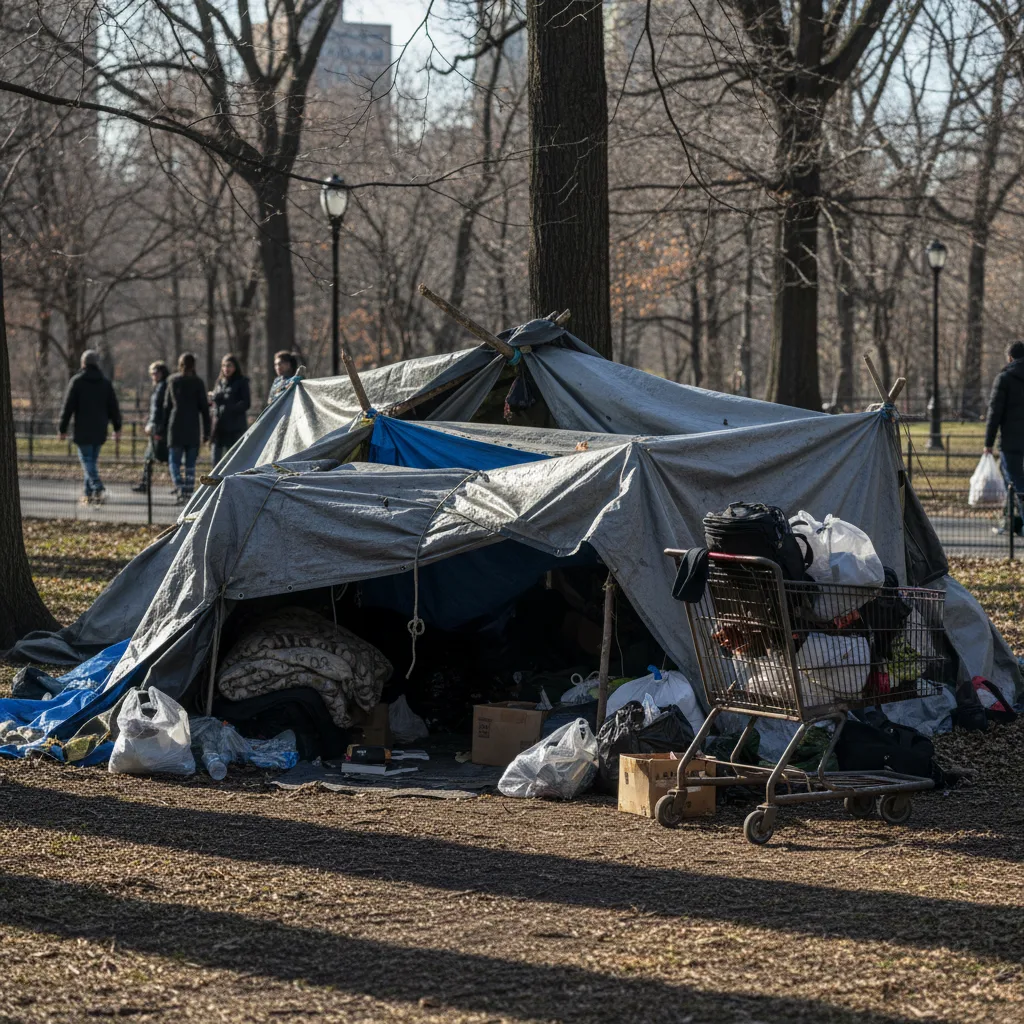
NYC Homeless Encampments Spotted Across Manhattan, Raising Concerns
Multiple homeless encampments have been spotted across Manhattan, raising significant concerns about urban policy and public safety. City officials are under pressure to address the growing homelessness crisis.
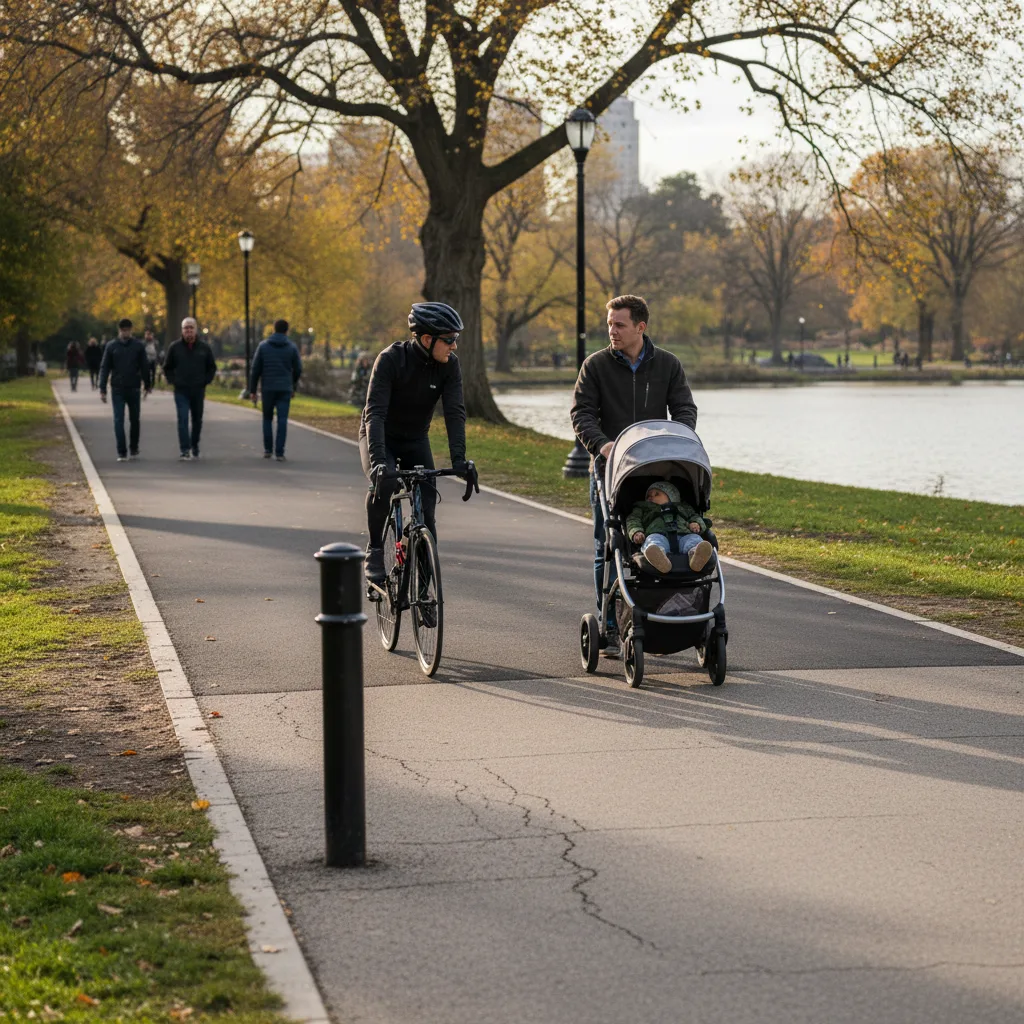
Safety Advocate Blames Park Redesign for Rising Central Park Cyclist Crashes
Safety advocates blame recent Central Park redesigns for a pedestrian's death and rising cyclist crashes, calling for urgent review of infrastructure.
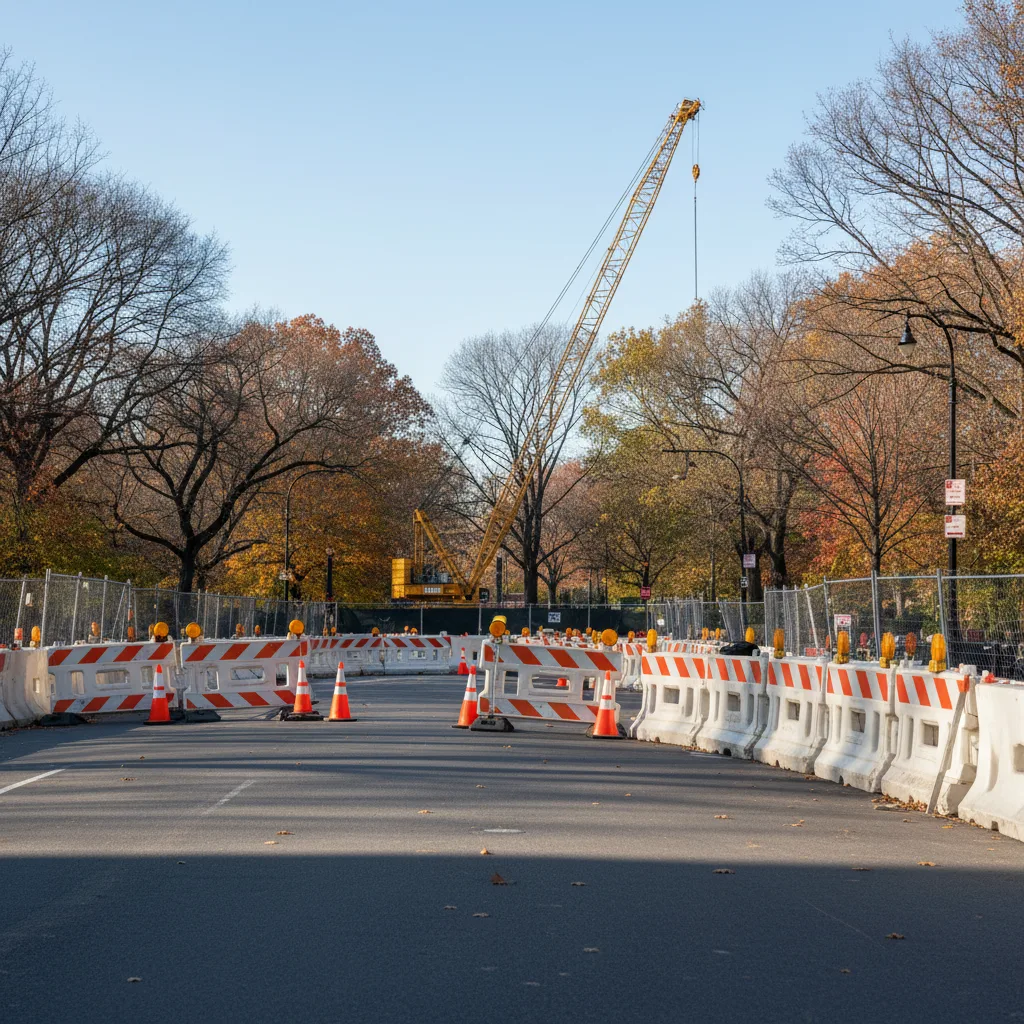
NYC DOT Advises Central Park Area Traffic Disruptions September 27
NYC DOT issued advisories for major traffic disruptions near Central Park on September 27, 2026, due to a parade and crane operations. Expect delays.

Davis Center at Harlem Meer Unveils State-of-the-Art Facilities
The new Davis Center at the Harlem Meer in Central Park's north end now features a state-of-the-art pool, ice rink, and multi-use turf field, enhancing community recreational options.
NYC City Record Confirms September 21, 2026, Publication Schedule
The NYC City Record confirmed its September 21, 2026, publication schedule, detailing administrative notices, procurement, and public hearings. This ensures transparency for municipal operations and public access to vital city information.