


Manhattan Residents Discuss Global Tensions, Draft Concerns 2026

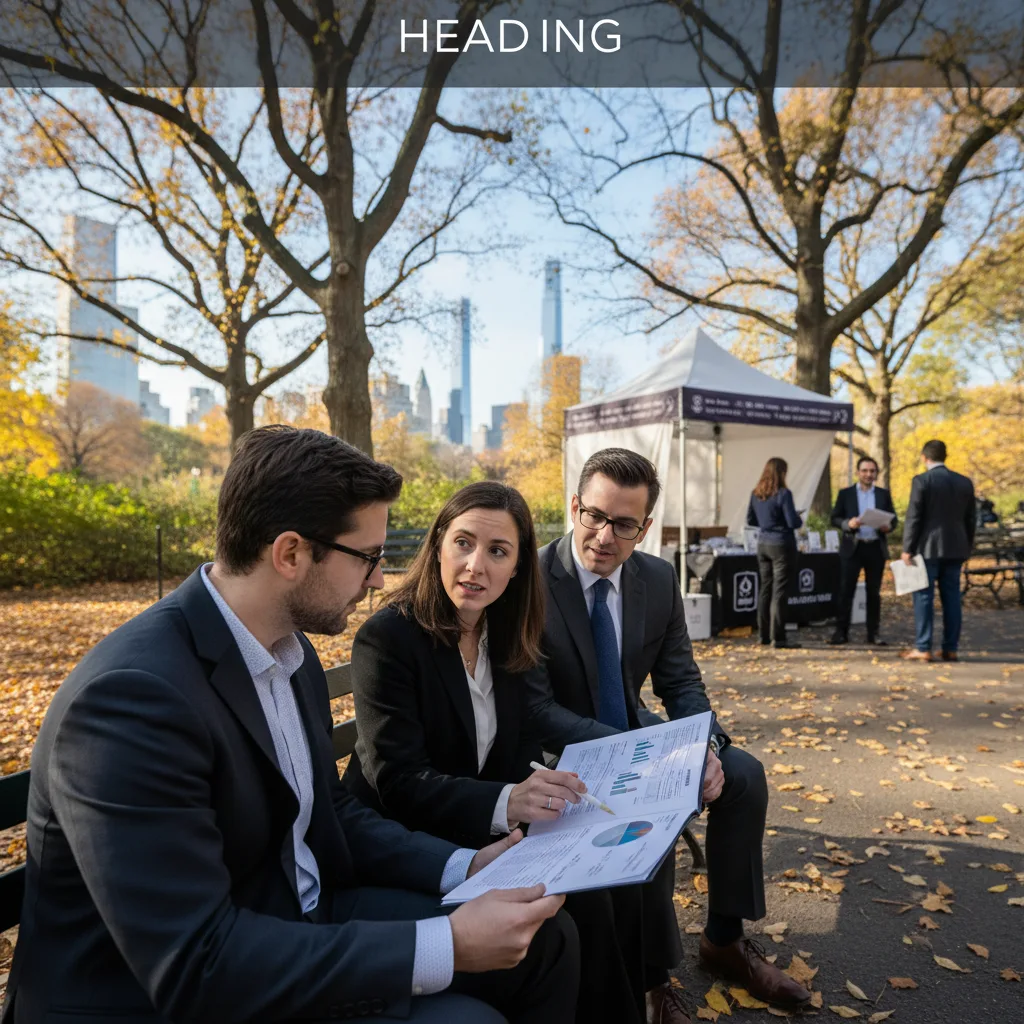
NEW YORK — Manhattan residents are expressing alarm about simultaneous escalations with both Iran and Russia, with conversations in Central Park focusing on what this means for US military capacity in March 2026. The community discourse reflects a blend of Cold War nostalgia and modern anxiety regarding potential global conflicts. Concerns range from financial stability to military implications.
Russian President Vladimir Putin delivered a dramatic address from the Kremlin outlining security demands and "red lines" directed at the United States and NATO allies, according to a YouTube broadcast. This speech has prompted an urgent review within the Trump administration and signals a potential new era of confrontation between nuclear powers. The development impacts international relations and global financial markets.
Central Park Conversations on US Military Readiness
Discussions among Central Park visitors frequently revolve around the nation's military capacity and whether the country faces a two-front crisis. The simultaneity of tensions in the Middle East and with Russia has sparked widespread public debate. This reflects a deeper concern about the United States' ability to manage multiple significant geopolitical challenges.
These conversations often touch upon historical precedents, drawing parallels to past periods of global instability. Residents are actively processing complex international events through the lens of national security. The park serves as an informal forum for expressing these collective anxieties and seeking understanding.
Market Volatility and Financial Sector Anxiety
Local financial workers near Wall Street are discussing the significant market volatility triggered by Putin's ultimatum. Global financial markets react swiftly to geopolitical instability, often leading to rapid fluctuations in stock prices, commodity values, and currency exchange rates. This uncertainty directly impacts investment portfolios and economic forecasts.
The prospect of heightened international conflict can deter investment and slow economic growth, creating a ripple effect across various industries. Financial professionals are advising clients on navigating these turbulent times, emphasizing diversification and caution. The global economic landscape remains precarious, influenced by political pronouncements.
Unsettling Discussions About Draft Implications
Several residents in Central Park mentioned uncertainty about whether young people might face draft implications if tensions escalate further. While there has been no official discussion of a draft, the heightened geopolitical rhetoric can understandably raise such concerns among the public. This reflects a deep-seated apprehension about the potential human cost of conflict.
These anxieties underscore a generational divide in public memory and experience regarding military service. For younger residents, the concept of a draft might be unfamiliar, while older generations recall historical periods of conscription. The mere mention of such possibilities highlights the gravity with which these global events are being perceived locally.
Echoes of the Cold War Era
Among many Manhattan residents, the overall sentiment reflects Cold War nostalgia mixed with modern anxiety about simultaneous global flashpoints. The current geopolitical landscape evokes memories of past eras of superpower confrontation and nuclear brinkmanship. This historical context shapes how many New Yorkers interpret current events.
For those who lived through the Cold War, there is a sense of déjà vu, albeit with new actors and complexities. This collective memory informs present-day concerns about international relations and the potential for large-scale conflict. The discussions in Central Park are therefore not just about current events, but also about historical patterns and their contemporary relevance.
Trump Administration's Urgent Review
The Trump administration's urgent review of Putin's demands signals a critical moment in international diplomacy. Decisions made in the coming weeks could profoundly reshape global alliances and security postures. The stakes are exceptionally high, with potential ramifications for economic stability and peace. A full address from the Kremlin outlines Russia's non-negotiable security demands and can be viewed via this YouTube link.
Diplomatic efforts will likely intensify to de-escalate tensions and explore potential pathways for negotiation. The international community watches closely, hoping for a peaceful resolution to the escalating rhetoric. The complex interplay between domestic politics and foreign policy adds further layers of difficulty to these critical discussions.
Frequently Asked Questions About Geopolitical Tensions
Why are Manhattan residents discussing draft implications? The heightened rhetoric from global powers and the simultaneous escalation of tensions with Russia and Iran have led some residents to ponder worst-case scenarios, including the possibility of a military draft, despite no official declarations. How do these global tensions affect local financial markets? Global tensions introduce significant uncertainty, leading to market volatility as investors react to news of potential conflict, sanctions, or disruptions to international trade and supply chains, which can impact local investment and business stability. What does 'Cold War nostalgia' mean in this context? 'Cold War nostalgia' refers to residents recalling the period of geopolitical tension between the US and Soviet Union, where similar concerns about nuclear confrontation and superpower ultimatums were prevalent, shaping their current anxieties. How is the Trump administration responding to Putin's ultimatum? The Trump administration is reportedly conducting an urgent review of Putin's demands and security red lines, indicating serious consideration and strategic deliberation in response to the escalating rhetoric. Are there specific areas in Central Park where these discussions are more common? Informal political discussion groups often gather in various popular spots within Central Park, such as around benches, near monuments, or in designated gathering areas, serving as natural venues for residents to exchange views on significant global events.
Related Articles
More in Urban Policy & Development →
NYC Mayor Mamdani Booed at Union Square October 7 Vigil
Mayor Mamdani faced boos and protests at a Union Square vigil Thursday marking the Oct. 7 attacks, highlighting deep community divisions in NYC.
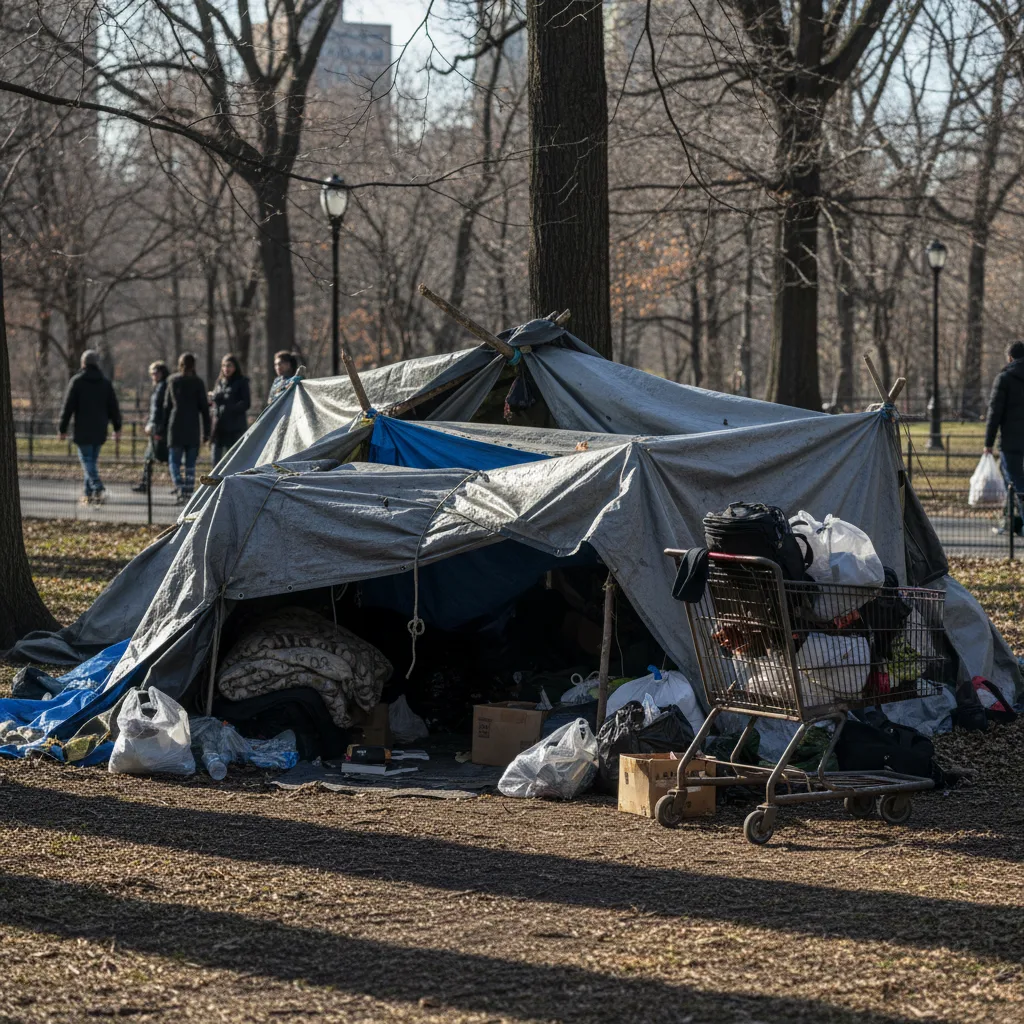
NYC Homeless Encampments Spotted Across Manhattan, Raising Concerns
Multiple homeless encampments have been spotted across Manhattan, raising significant concerns about urban policy and public safety. City officials are under pressure to address the growing homelessness crisis.
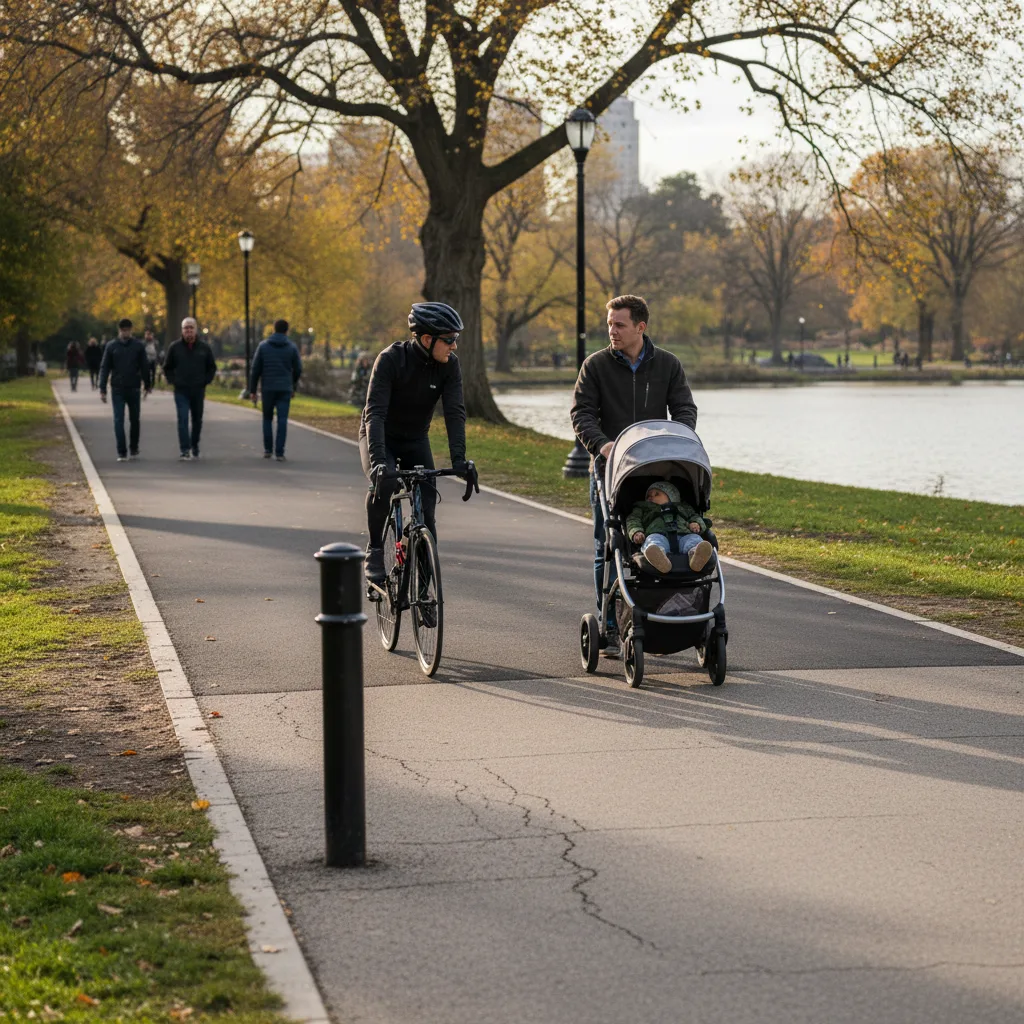
Safety Advocate Blames Park Redesign for Rising Central Park Cyclist Crashes
Safety advocates blame recent Central Park redesigns for a pedestrian's death and rising cyclist crashes, calling for urgent review of infrastructure.
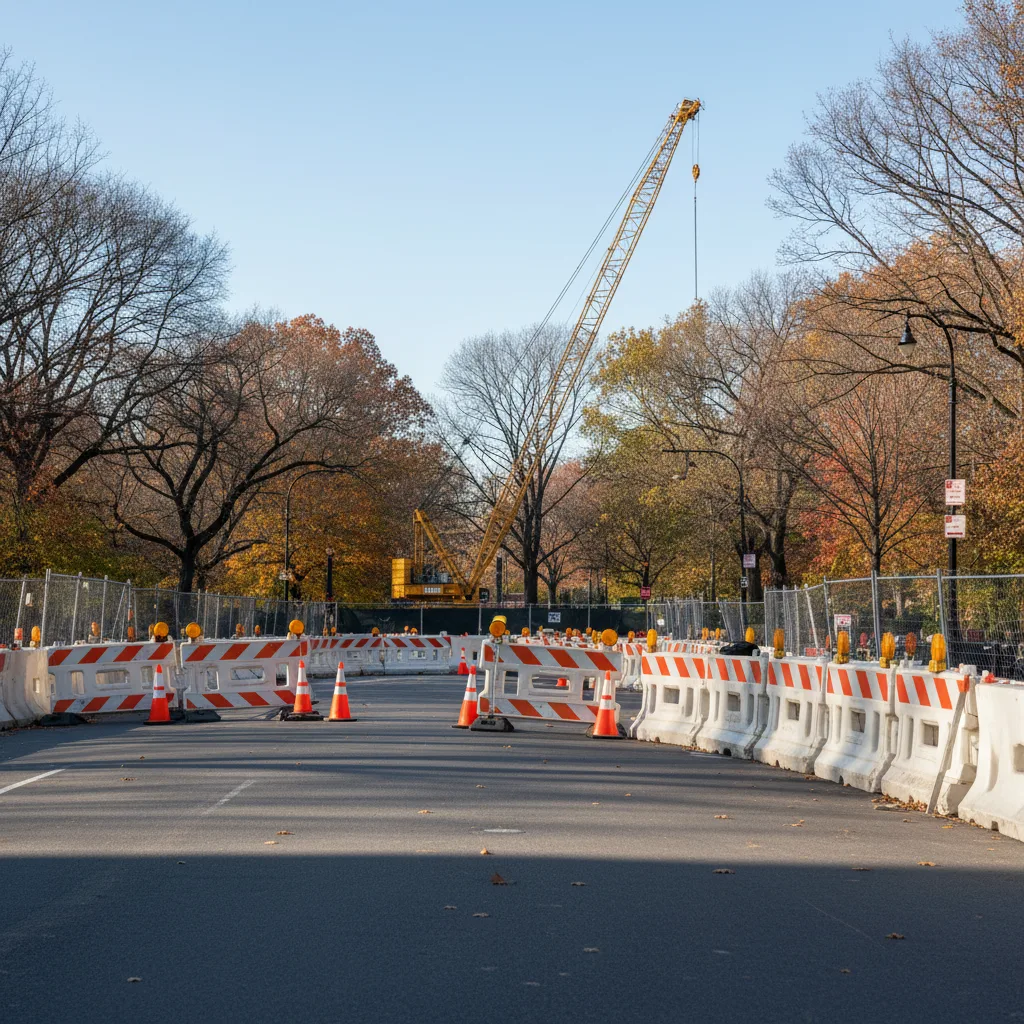
NYC DOT Advises Central Park Area Traffic Disruptions September 27
NYC DOT issued advisories for major traffic disruptions near Central Park on September 27, 2026, due to a parade and crane operations. Expect delays.
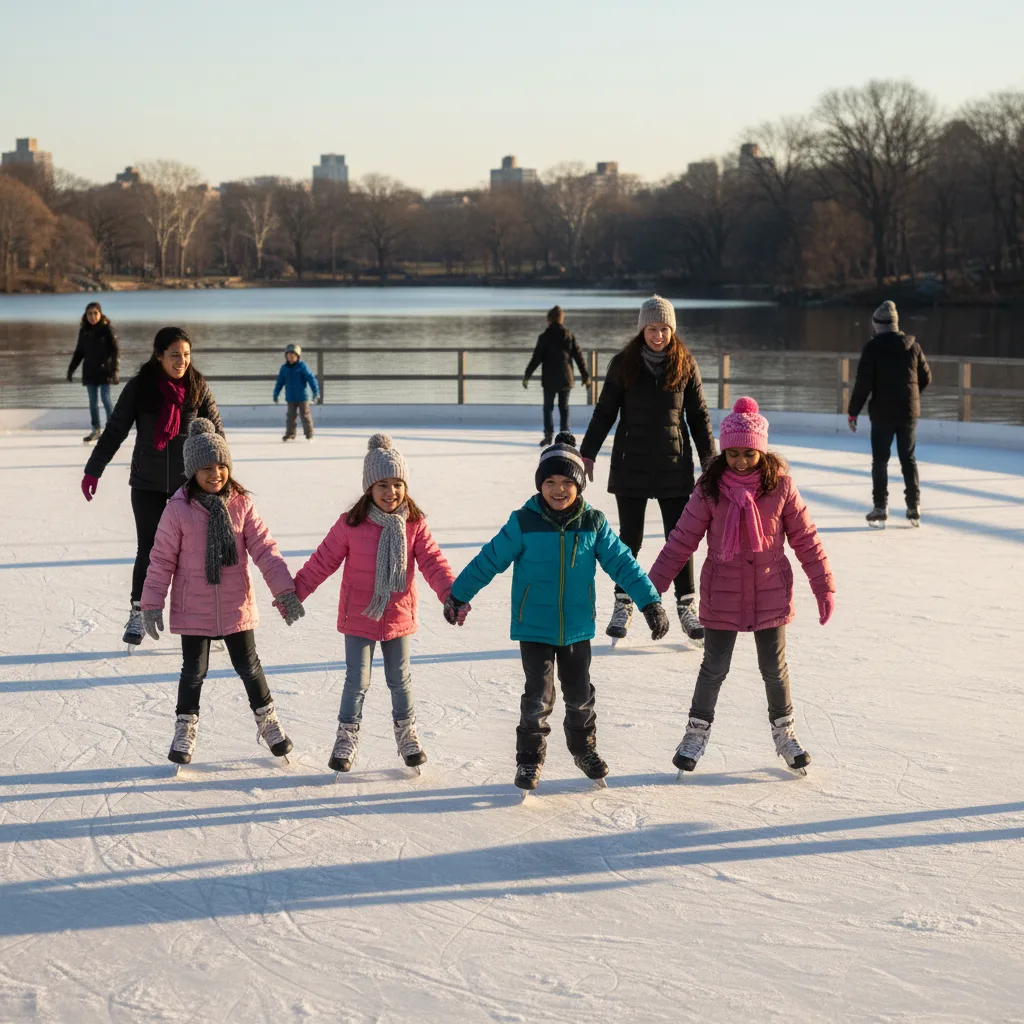
Davis Center at Harlem Meer Unveils State-of-the-Art Facilities
The new Davis Center at the Harlem Meer in Central Park's north end now features a state-of-the-art pool, ice rink, and multi-use turf field, enhancing community recreational options.
NYC City Record Confirms September 21, 2026, Publication Schedule
The NYC City Record confirmed its September 21, 2026, publication schedule, detailing administrative notices, procurement, and public hearings. This ensures transparency for municipal operations and public access to vital city information.