


Manhattan Residents React to Trump's Iran Standoff, Economy

NEW YORK — Former US President Donald Trump issued a 48-hour ultimatum to Iran, threatening to obliterate its power plants if the Strait of Hormuz remained closed amid an ongoing US-Israel-Iran conflict. This high-stakes announcement, made on day 24 of the conflict, initially sparked widespread anxiety among Manhattan residents, particularly those who frequent Central Park. Concerns quickly shifted to potential economic fallout in New York City.
The escalation intensified global fears over energy supplies, with experts warning of skyrocketing fuel and food prices due to the blockade. However, Trump later delayed the strikes following "very strong talks" with Iran, a move that brought cautious relief but also ongoing uncertainty to local communities. The shifting dynamics of this global conflict have direct implications for everyday life in New York, influencing everything from daily commutes to grocery bills.
Central Park Community Discusses Geopolitical Tensions
In the green expanse of Central Park, the global conflict and Trump's ultimatum became a dominant topic of conversation among joggers, dog walkers, and those enjoying morning coffees. Many Upper East Siders, accustomed to following global events, were observed discussing the implications of the threats and subsequent delay. The delay itself was often praised as a pragmatic decision to avert immediate economic catastrophe.
Conversations around local carts frequently touched upon the potential for gas price spikes and their direct impact on daily commutes within the city and beyond. Residents shared their anxieties about how global instability translates to local economic pressures. The informal public forums within the park underscore a community deeply engaged with national and international affairs.
Economic Anxieties Hit Manhattan Households in 2026
Manhattan residents, particularly those in community chats near Central Park, expressed growing anxiety about grocery costs. The threat of global energy and supply chain disruptions immediately translated into fears of rising prices for everyday necessities. Many began sharing tips on bulk buying at upscale grocery stores like Zabar's, anticipating potential food shortages or significant inflation.
This immediate local reaction highlights how global events can rapidly influence household budgeting and consumer behavior in New York City. The International Energy Agency's warnings of severe energy crises resonate deeply in a city with high living costs. Residents are becoming increasingly proactive in preparing for potential economic turbulence throughout 2026, as documented by Global News.
Local Businesses Report Changing Consumer Behavior
Businesses surrounding Central Park, which rely heavily on both local and tourist traffic, reported shifts in consumer behavior following the geopolitical developments. While local foot traffic remained steady, discussions among customers often centered on the war and its potential economic impacts. Some establishments noted a slight decrease in tourist numbers, indicating broader concerns affecting international travel.
Street vendors and small shop owners observed that customers were more vocal about rising costs and economic uncertainty. The prevailing sentiment among local entrepreneurs was one of watchful waiting, as they assessed how long the global tensions would continue to affect local purchasing power. This indicates a direct link between global politics and the local economy.
Trump's Strategic Delay: Local Interpretations
The decision by former President Trump to delay the strikes after "very strong talks" with Iran was met with a mix of relief and skepticism among Central Park regulars. Many viewed it as a shrewd diplomatic maneuver to prevent an immediate crisis, particularly one that would directly impact fuel and food prices before the summer. This perspective reflects a practical concern for personal finances.
However, others expressed caution, suggesting that the delay might only be a temporary reprieve from a volatile situation. The debate among park-goers highlights the complex public perception of international diplomacy and its ripple effects on local economic stability. The five-day pause was a dominant theme in morning conversations and local news cycles.
The Lingering Specter of Global Conflict and Local Impact
Despite the temporary de-escalation, the broader implications of the US-Israel-Iran war continue to loom over New York City. The ongoing conflict, even without direct military engagement in the immediate term, has already caused significant global market volatility. For Manhattan residents, this translates to an unstable economic outlook, with potential for continued price increases.
Experts suggest that the global energy crisis, exacerbated by the Strait of Hormuz blockade, will have lasting effects on supply chains and commodity prices. Central Park residents, from their daily routines to their long-term financial planning, are adjusting to a new reality of interconnected global and local challenges. The impact of such events is often felt disproportionately in large metropolitan areas, as reported by Global News coverage.
Frequently Asked Questions About Iran Conflict and NYC Impact
How did Central Park residents initially react to Trump's Iran ultimatum?
Central Park residents, including joggers and dog walkers, were glued to their phones and openly debated Trump's tough talk over morning coffees. There was initial anxiety about potential war and economic fallout, but also relief and praise for the subsequent delay in strikes, viewed by some as smart diplomacy to avoid immediate gas price hikes.
What were the primary economic concerns expressed by Manhattan residents?
Manhattan residents, particularly in community chats near Central Park, expressed significant anxiety about rising grocery costs and fears of food shortages. Many shared tips on bulk buying, directly linking global conflict to their household budgets and the potential for increased prices at local stores like Zabar's.
Did local businesses around Central Park observe any changes due to the global situation?
Yes, local businesses around Central Park reported fewer tourists but a steady local foot traffic. Conversations among customers and vendors often revolved around the global conflict and its economic implications. Businesses were discussing if the five-day pause in hostilities would genuinely ease economic uncertainty or merely provide a temporary respite.
What was the general sentiment regarding Trump's decision to delay strikes against Iran?
The sentiment was mixed. Many Upper East Siders viewed the delay as "smart diplomacy" to prevent immediate gas price spikes and economic disruption. Others in Manhattan, while relieved, expressed anxiety about continued uncertainty and shared tips on preparing for potential increases in grocery costs, indicating a cautious optimism rather than full reassurance.
Related Articles
More in Urban Policy & Development →
NYC Mayor Mamdani Booed at Union Square October 7 Vigil
Mayor Mamdani faced boos and protests at a Union Square vigil Thursday marking the Oct. 7 attacks, highlighting deep community divisions in NYC.
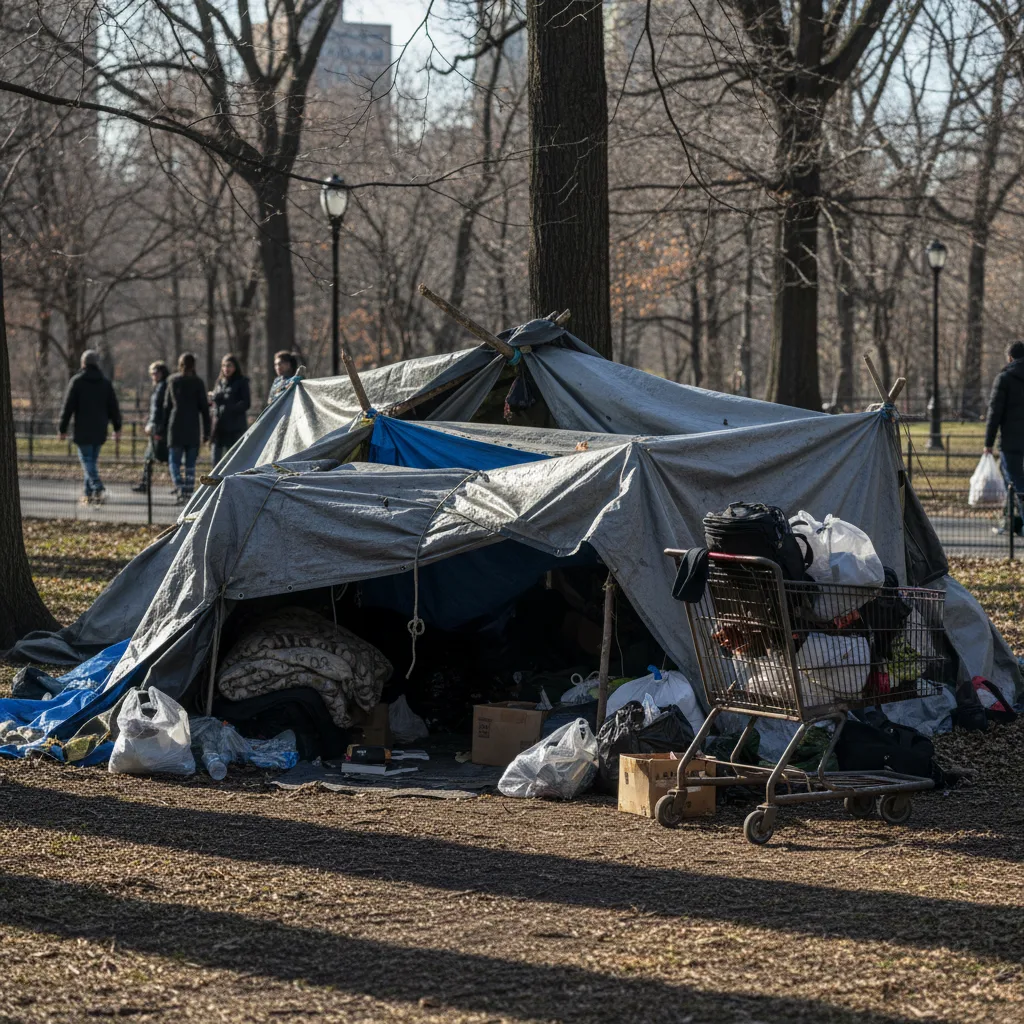
NYC Homeless Encampments Spotted Across Manhattan, Raising Concerns
Multiple homeless encampments have been spotted across Manhattan, raising significant concerns about urban policy and public safety. City officials are under pressure to address the growing homelessness crisis.
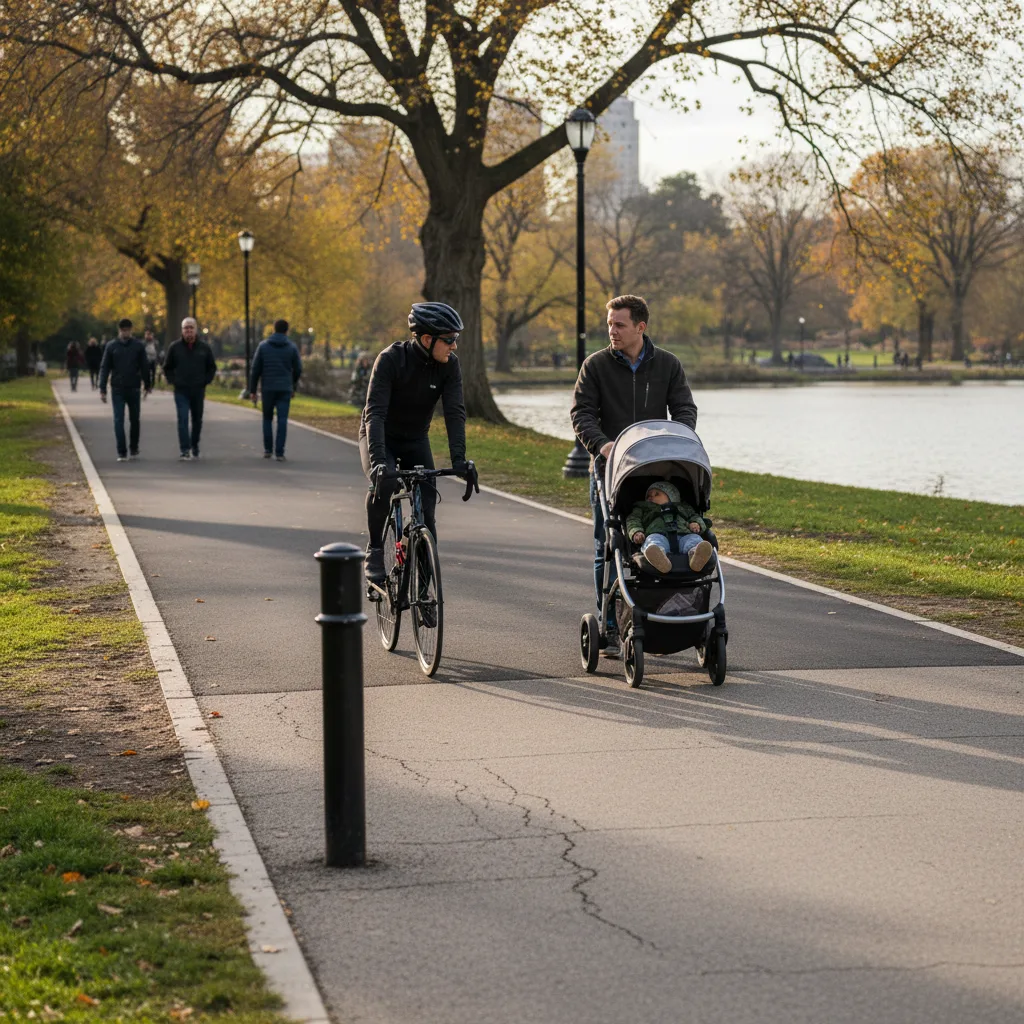
Safety Advocate Blames Park Redesign for Rising Central Park Cyclist Crashes
Safety advocates blame recent Central Park redesigns for a pedestrian's death and rising cyclist crashes, calling for urgent review of infrastructure.
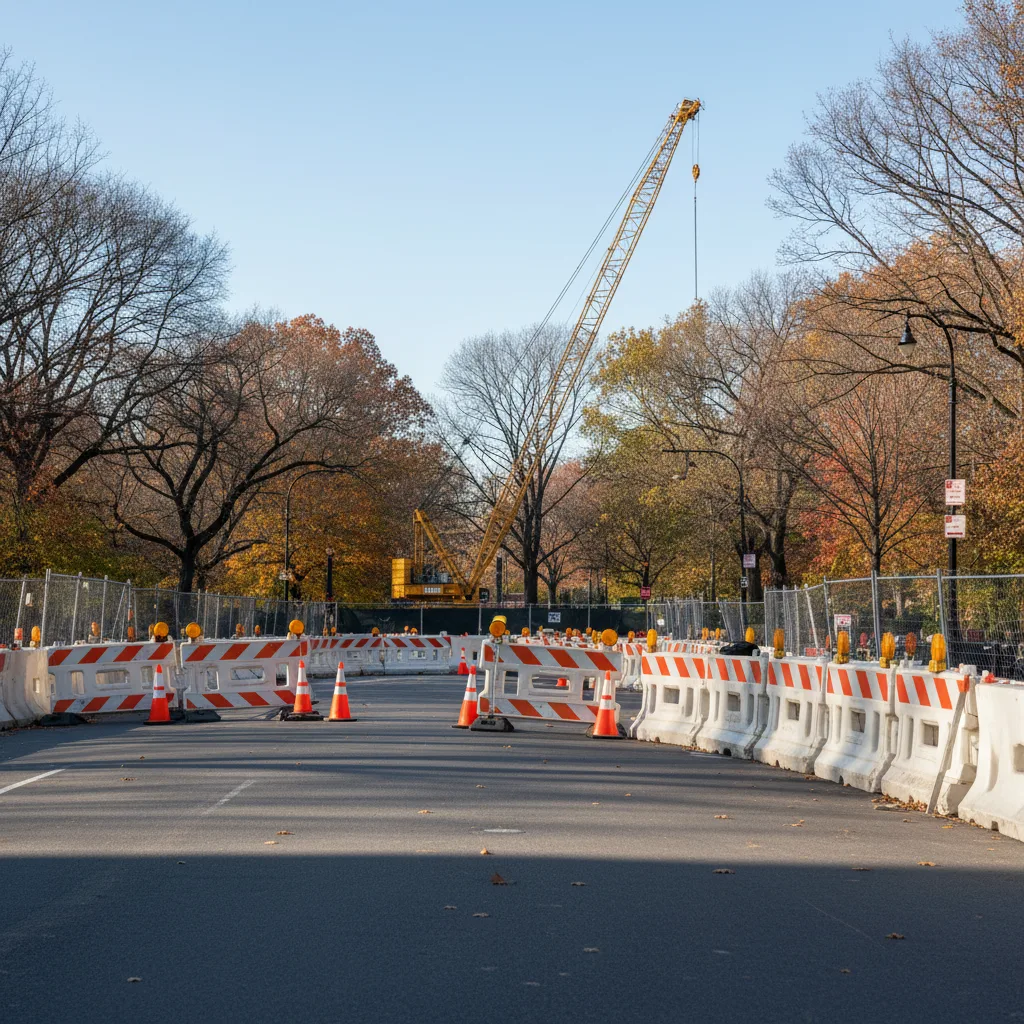
NYC DOT Advises Central Park Area Traffic Disruptions September 27
NYC DOT issued advisories for major traffic disruptions near Central Park on September 27, 2026, due to a parade and crane operations. Expect delays.

Davis Center at Harlem Meer Unveils State-of-the-Art Facilities
The new Davis Center at the Harlem Meer in Central Park's north end now features a state-of-the-art pool, ice rink, and multi-use turf field, enhancing community recreational options.
NYC City Record Confirms September 21, 2026, Publication Schedule
The NYC City Record confirmed its September 21, 2026, publication schedule, detailing administrative notices, procurement, and public hearings. This ensures transparency for municipal operations and public access to vital city information.