


National 'No Kings' Protests Planned for March 28, 2026

NEW YORK — A widespread national movement, under the banner of "No Kings," is mobilizing for what organizers project to be the largest protest in United States history on Saturday, March 28, 2026. This coordinated effort aims to convey a clear message that "America rejects the regime's brutality at home and abroad." While local events are planned across the country, New York City, particularly around Central Park, is expected to be a major focal point for participation.
The national initiative emphasizes localized actions, encouraging individuals to find and join their closest "No Kings" event to maximize collective impact. The organizers are focused on creating a unified voice across diverse communities, reflecting widespread discontent with current governmental policies and societal injustices. The sheer scale of the proposed protests marks a significant moment in contemporary American activism.
National Organizers Project Record-Breaking Turnout
Lead organizers of the "No Kings" movement have publicly stated their ambition to surpass previous records for national protest attendance, targeting a broad demographic of participants. Their strategy relies on decentralized coordination, empowering local chapters and affiliated groups to organize events tailored to their specific communities. This approach seeks to ensure broad geographical representation and maximize engagement.
Social media campaigns and digital outreach have played a crucial role in building momentum, disseminating the core message, and providing logistical information to potential attendees. The movement's central message, rejecting perceived governmental brutality, resonates with various groups concerned about civil liberties, economic inequality, and foreign policy. Official information about finding local events is available through the No Kings national coordination website.
The Ideology Behind the 'No Kings' Movement
The "No Kings" movement is fundamentally rooted in a philosophy that challenges concentrated power and advocates for greater democratic accountability. Its proponents argue that current political and economic structures have become unresponsive to the needs of ordinary citizens, leading to systemic injustices. The slogan "No Kings" symbolizes a rejection of authoritarian tendencies and undue influence within governance.
This ideology draws parallels to historical movements that sought to dismantle oppressive systems, positioning the upcoming protests as a continuation of America's struggle for true self-governance. Participants are motivated by a desire to reclaim political agency and ensure that governmental power truly reflects the will of the people. They believe that collective action is the most effective means to achieve these systemic reforms.
Central Park Readies for Significant Local Participation
New York City is anticipated to be a major hub for the "No Kings" protests, with significant local participation expected in the march originating near Central Park. The iconic park, often a gathering point for large public assemblies, provides a symbolic backdrop for expressing collective grievances. Local activist groups have been actively promoting the New York City demonstration.
City officials and law enforcement are preparing for a large influx of participants, both local and those traveling from surrounding regions. The concentration of media and public attention in New York City also makes it a strategic location for amplifying the national message. This local event is a critical component of the broader national effort to demonstrate widespread public sentiment.
Historical Precedent for Large-Scale Demonstrations
The aspiration for the "No Kings" protests to be the largest in US history places them in conversation with significant past demonstrations, such as the March on Washington or various anti-war rallies. These historical events often catalyzed major social and political shifts, demonstrating the power of collective public expression. The organizers aim to harness a similar transformative energy.
Lessons from these historical precedents, including strategies for peaceful assembly and effective message dissemination, are being studied by the movement's leadership. The potential scale of the March 28 events could mark a new chapter in American protest history, drawing renewed attention to the role of grassroots movements in shaping national policy. The NYCLU has also backed local events, highlighting civil liberties aspects.
Logistical Challenges and Coordination Efforts Nationwide
Organizing a protest of the projected magnitude presents considerable logistical challenges, ranging from coordinating diverse local groups to ensuring participant safety across numerous locations. The "No Kings" movement has established a network of communication channels and support structures to facilitate these efforts. These include legal support for participants and guidelines for peaceful conduct.
Local law enforcement agencies and city administrations nationwide are also preparing for the demonstrations, coordinating with event organizers to manage crowds and ensure public order. The decentralized nature of the protests, while empowering, also requires meticulous communication to maintain a cohesive national message and operational consistency. These complex preparations underscore the gravity of the planned events.
Frequently Asked Questions About the National Protest
What is the primary goal of the "No Kings" national protest? The main objective is to register a unified national rejection of what organizers describe as "regime brutality," aiming to be the largest protest in US history on March 28, 2026. This overarching goal encompasses various calls for systemic change.
How can individuals participate in these national protests? Individuals are encouraged to find their local "No Kings" event to join the demonstration. The national organization provides resources and information to help people locate nearby protests. Participation is key to demonstrating the movement's broad support.
What kind of impact are organizers hoping to achieve? Organizers hope to create an undeniable display of public discontent that will compel political leaders to address concerns about civil liberties, accountability, and justice. They aim for the sheer scale of the protest to force national dialogue and policy reconsideration.
Will the protests be peaceful? The movement emphasizes non-violent action and peaceful assembly. Organizers provide guidelines and training to participants to ensure demonstrations remain orderly and respectful of public safety. Law enforcement agencies are also preparing to facilitate peaceful protest.
Where can I find more specific information about the national movement? For comprehensive details about the national "No Kings" movement, including its mission, ideology, and how to get involved, the official national website is a primary resource. It serves as the central hub for all related information.
Related Articles
More in Urban Policy & Development →
NYC Mayor Mamdani Booed at Union Square October 7 Vigil
Mayor Mamdani faced boos and protests at a Union Square vigil Thursday marking the Oct. 7 attacks, highlighting deep community divisions in NYC.
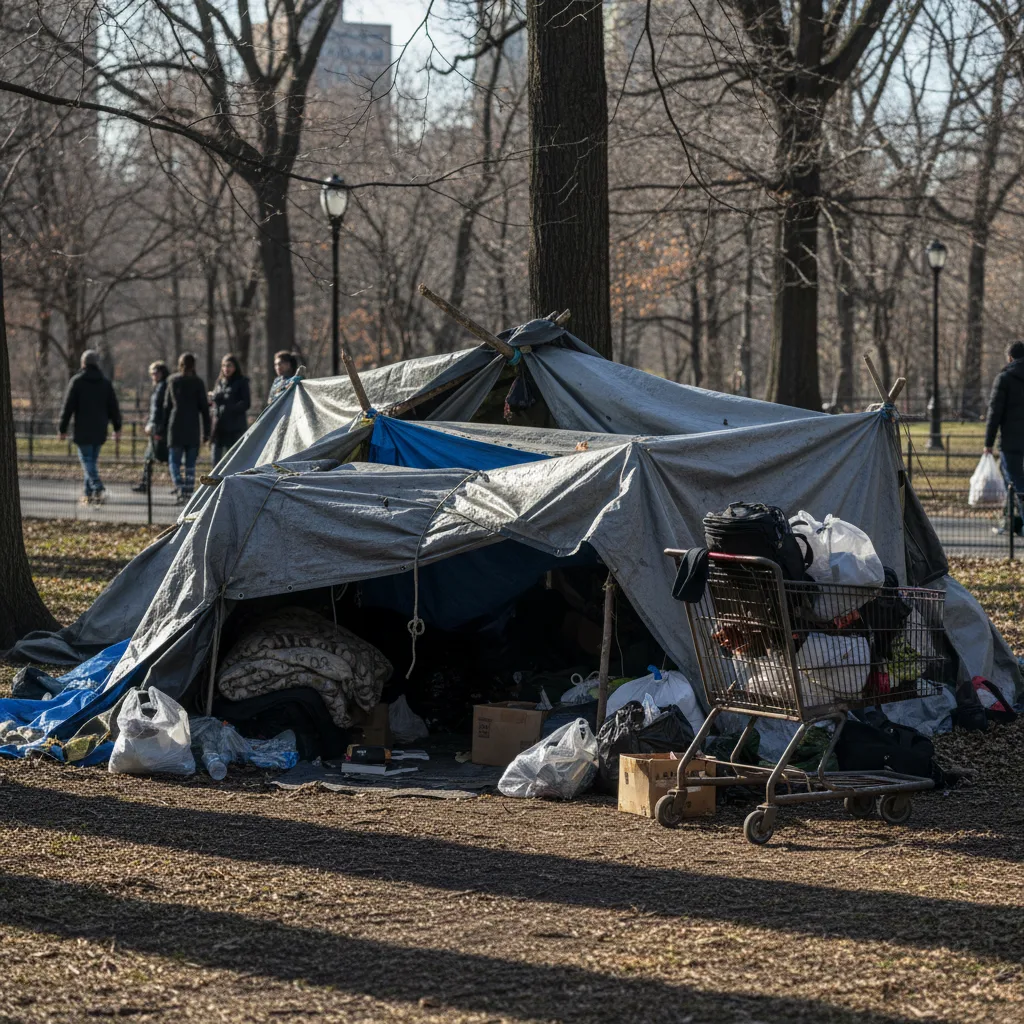
NYC Homeless Encampments Spotted Across Manhattan, Raising Concerns
Multiple homeless encampments have been spotted across Manhattan, raising significant concerns about urban policy and public safety. City officials are under pressure to address the growing homelessness crisis.
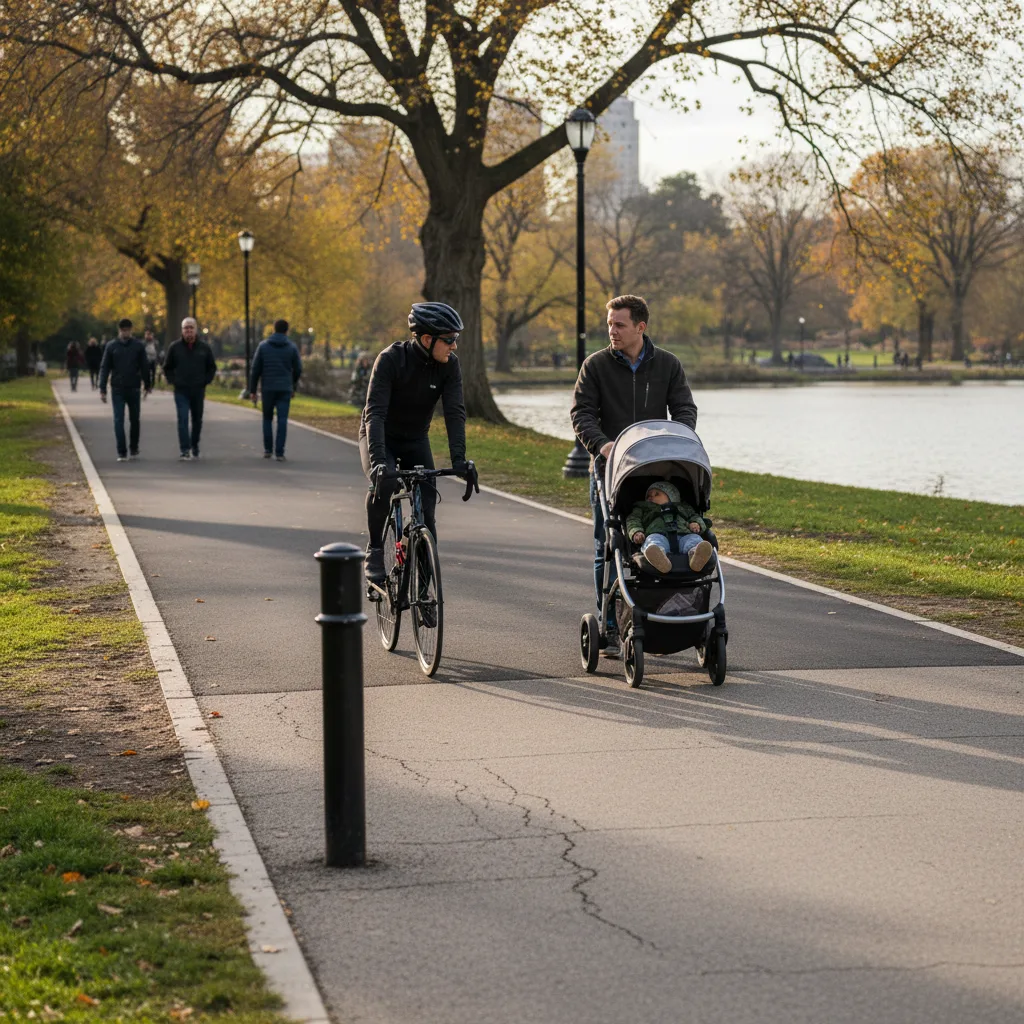
Safety Advocate Blames Park Redesign for Rising Central Park Cyclist Crashes
Safety advocates blame recent Central Park redesigns for a pedestrian's death and rising cyclist crashes, calling for urgent review of infrastructure.
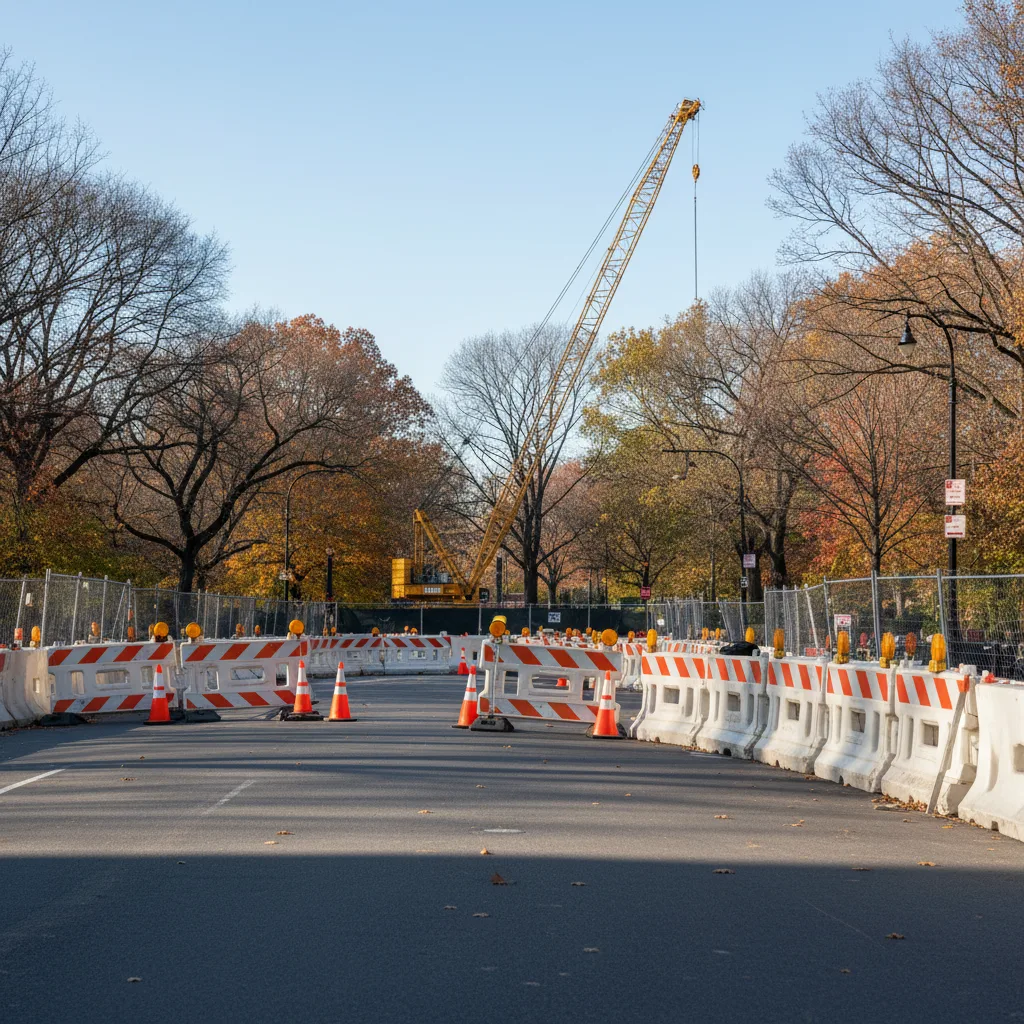
NYC DOT Advises Central Park Area Traffic Disruptions September 27
NYC DOT issued advisories for major traffic disruptions near Central Park on September 27, 2026, due to a parade and crane operations. Expect delays.
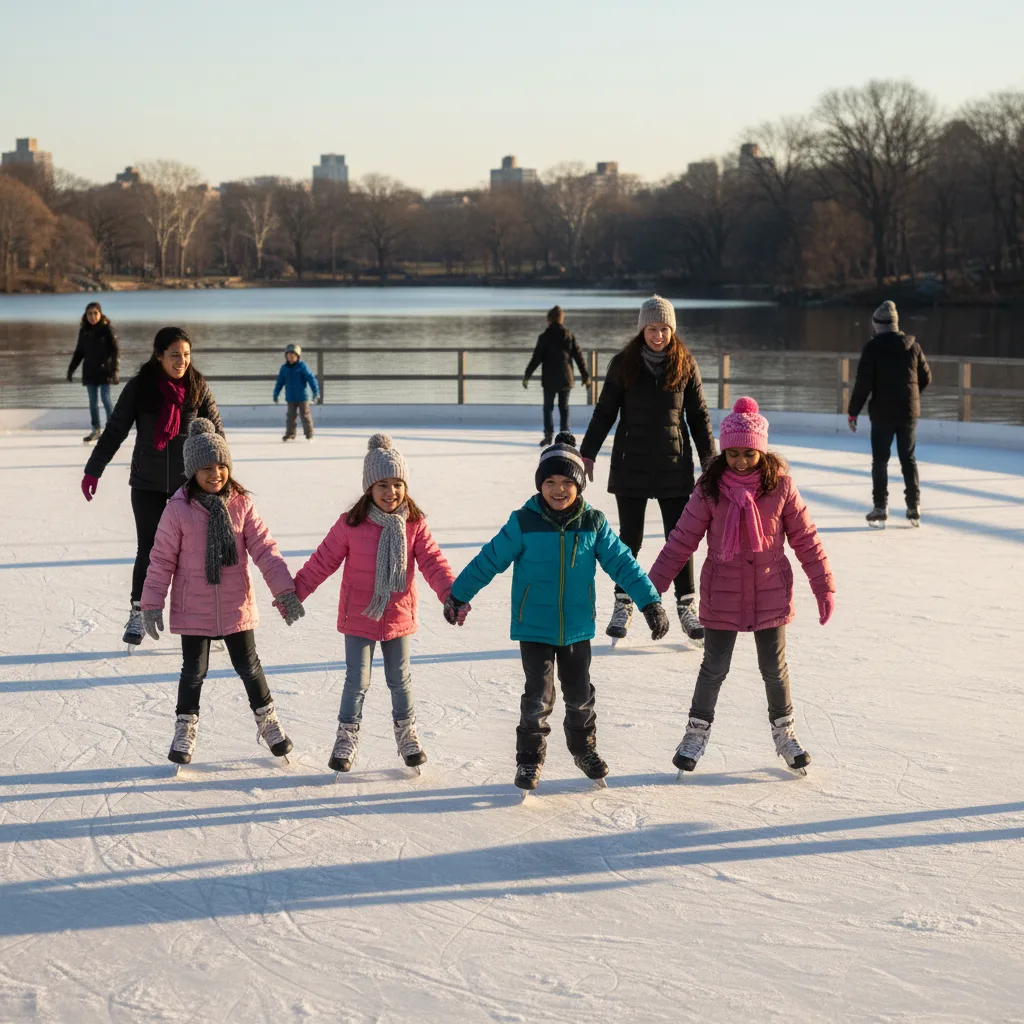
Davis Center at Harlem Meer Unveils State-of-the-Art Facilities
The new Davis Center at the Harlem Meer in Central Park's north end now features a state-of-the-art pool, ice rink, and multi-use turf field, enhancing community recreational options.
NYC City Record Confirms September 21, 2026, Publication Schedule
The NYC City Record confirmed its September 21, 2026, publication schedule, detailing administrative notices, procurement, and public hearings. This ensures transparency for municipal operations and public access to vital city information.