


NYC Advocates Demand Full Car Ban in Central Park by 2026

NEW YORK — “The time has come for Central Park to be entirely car-free, reclaiming its natural tranquility and ensuring pedestrian safety,” asserted Maya Singh, co-founder of Families for Safe Parks, at a rally near the park’s West Drive on Thursday morning.
This renewed push by advocacy groups targets a complete ban on vehicular traffic by 2026, including the remaining cross-park transverse roads, arguing for a healthier and safer environment for all park users.
The Intensifying Movement for a Car-Free Central Park
Advocates emphasize that while significant progress has been made—notably the permanent closure of park drives north of 72nd Street to traffic in 2018—the presence of vehicles on the 65th, 72nd, 79th, and 86th Street Transverses still compromises the park experience.
The current proposal calls for the full re-engineering of these transverse roads to redirect through-traffic around the park’s perimeter, freeing up the interior for exclusive pedestrian and cyclist use. This would involve significant urban planning and infrastructure investment.
"Every car that traverses the park introduces noise pollution, emissions, and the inherent risk of accidents," Singh told reporters, her voice amplified by a megaphone, the distinct rumble of vehicles on the perimeter roads often competing with the cheerful shouts from children's playgrounds nearby. "Our children deserve an oasis, not an urban highway."
According to data from the Department of Transportation, there were 18 pedestrian and cyclist injuries on Central Park’s transverse roads in 2025 alone. Advocates argue this number, while small, is unacceptable in a park environment.
Health, Safety, and Environmental Benefits Highlighted
The push for a full car ban aligns with broader Vision Zero initiatives in New York City, aiming to eliminate traffic fatalities and severe injuries. Removing vehicles from the park’s interior is seen as a crucial step towards this goal, enhancing public health and safety.
Environmental benefits are also a major argument. Reduced vehicle emissions within the park would improve air quality for the millions of visitors and the park's diverse flora and fauna. Studies by environmental organizations suggest a significant reduction in localized pollutants.
"Imagine the quiet, the clean air, the uninterrupted flow of green space," remarked Dr. Lena Kim, an environmental scientist with the Clean Air Coalition. "A car-free Central Park is not just a luxury; it’s a public health imperative for millions of New Yorkers."
Advocates have gathered over 25,000 signatures on a petition addressed to the Mayor’s Office and the City Council, demonstrating widespread community support for the initiative. The petition specifically requests a comprehensive plan by mid-2026.
Potential Challenges and Counterarguments
Opponents of a full car ban, primarily businesses, residents, and taxi services that rely on the transverse roads for efficient transit across Manhattan, raise concerns about increased congestion on adjacent avenues. This could impact emergency response times.
"While we appreciate the sentiment, we must consider the practical implications for traffic flow on Fifth and Eighth Avenues," stated Robert Davies, President of the Manhattan Chamber of Commerce. "Diverting all that traffic will simply push the problem onto already strained streets."
City transportation officials acknowledge the complexities involved, indicating that any complete ban would require extensive traffic studies and significant infrastructure adjustments to mitigate impacts on surrounding neighborhoods. They confirm that a formal review process is underway.
For more context on ongoing park management and policy, the Central Park Conservancy Newsroom provides updates on park initiatives, though they have not taken an official stance on the transverse road ban.
The Path Forward: Public Discourse and Policy Decisions
The City Council is expected to hold public hearings on the car ban proposal in late spring 2026, inviting input from all stakeholders. This will be a critical phase in determining the feasibility and timeline for such a monumental change.
Advocacy groups are preparing for robust participation in these hearings, aiming to present compelling data on improved safety, environmental quality, and the enhanced recreational value of a fully car-free park. They are confident in their ability to mobilize public opinion.
As the debate continues, the vision of a truly pedestrian-first Central Park remains a powerful aspiration for many. The discussions will likely shape the park's character for decades to come, impacting how millions of people experience Central Park events and activities.
FAQs on the Central Park Car Ban Proposal
What is the current status of car traffic in Central Park?
Currently, park drives north of 72nd Street are permanently car-free. However, the transverse roads at 65th, 72nd, 79th, and 86th Streets remain open to through-traffic, allowing vehicles to cross Manhattan without entering the main park drives.
What are the main arguments for a full car ban?
Advocates primarily cite improved pedestrian and cyclist safety, reduced air and noise pollution, and the enhanced recreational experience of a completely car-free environment. They argue it aligns with the park's original purpose as a natural oasis.
What are the primary concerns or counterarguments against a full car ban?
Opponents, including some businesses and residents, express concerns about potential increases in traffic congestion on surrounding avenues, which could impact travel times, local commerce, and emergency service accessibility. They call for careful study of traffic diversion strategies.
Related Articles
More in Urban Policy & Development →
NYC Mayor Mamdani Booed at Union Square October 7 Vigil
Mayor Mamdani faced boos and protests at a Union Square vigil Thursday marking the Oct. 7 attacks, highlighting deep community divisions in NYC.
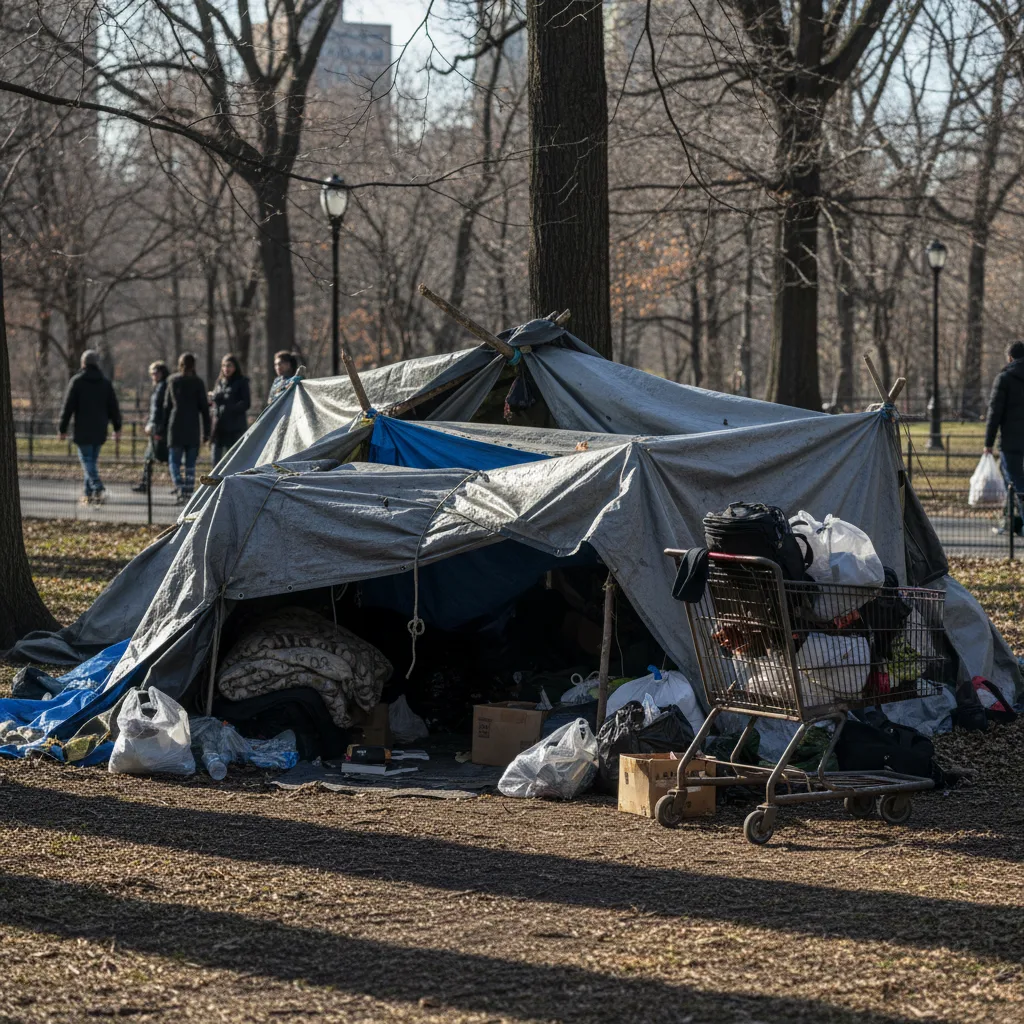
NYC Homeless Encampments Spotted Across Manhattan, Raising Concerns
Multiple homeless encampments have been spotted across Manhattan, raising significant concerns about urban policy and public safety. City officials are under pressure to address the growing homelessness crisis.
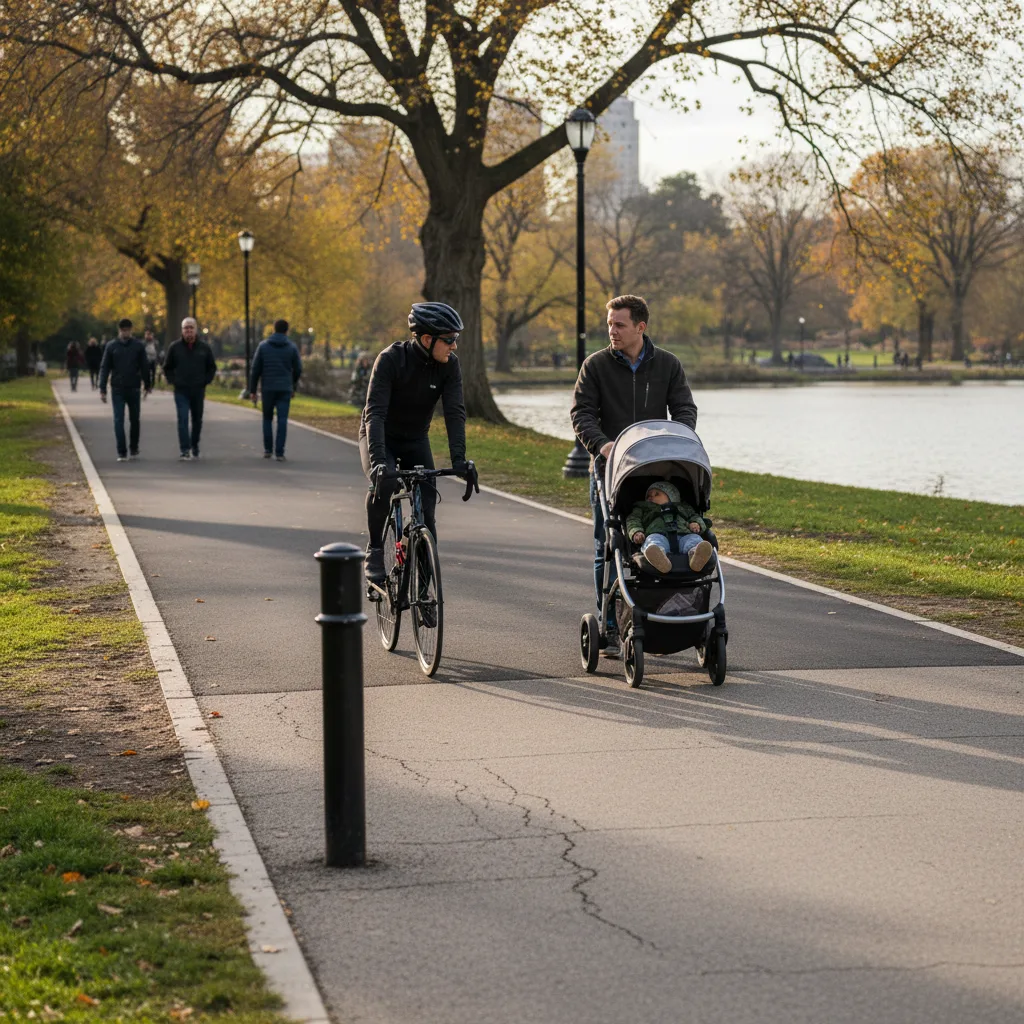
Safety Advocate Blames Park Redesign for Rising Central Park Cyclist Crashes
Safety advocates blame recent Central Park redesigns for a pedestrian's death and rising cyclist crashes, calling for urgent review of infrastructure.
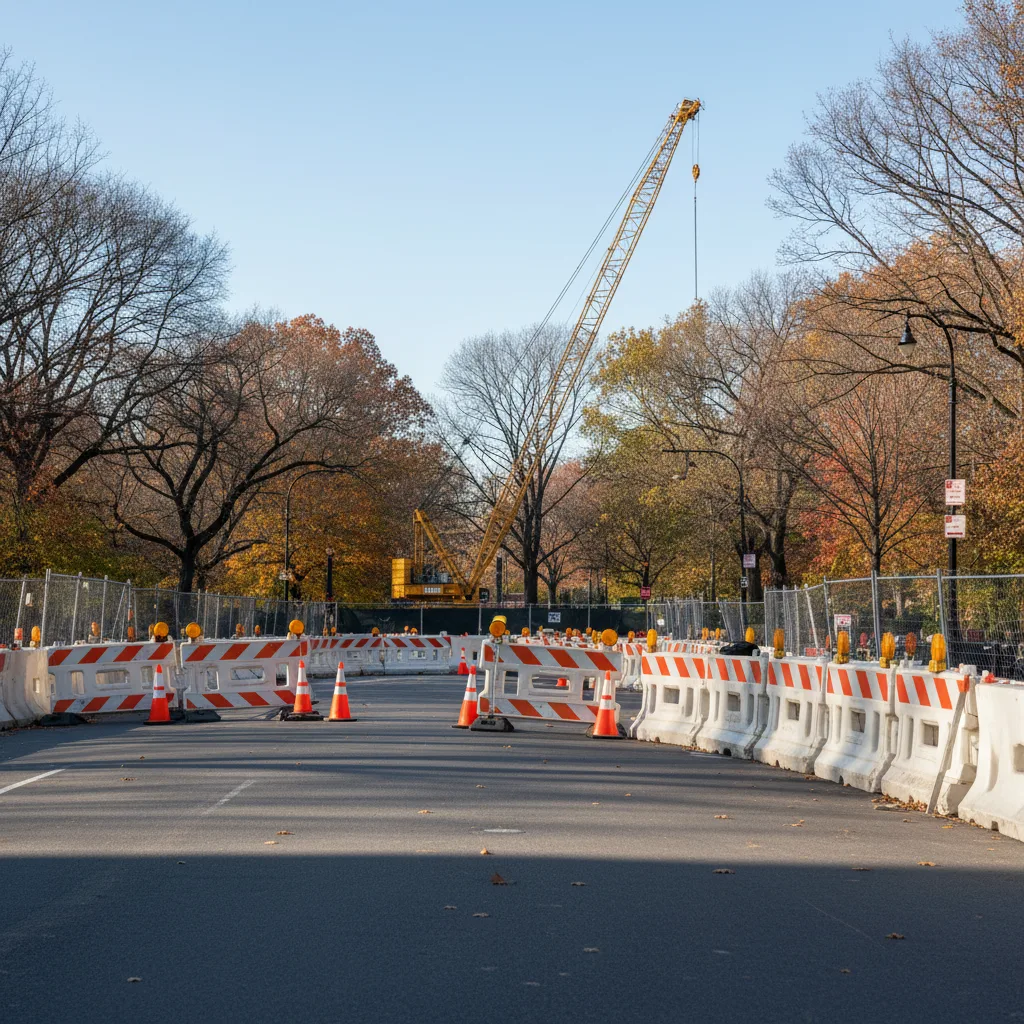
NYC DOT Advises Central Park Area Traffic Disruptions September 27
NYC DOT issued advisories for major traffic disruptions near Central Park on September 27, 2026, due to a parade and crane operations. Expect delays.

Davis Center at Harlem Meer Unveils State-of-the-Art Facilities
The new Davis Center at the Harlem Meer in Central Park's north end now features a state-of-the-art pool, ice rink, and multi-use turf field, enhancing community recreational options.
NYC City Record Confirms September 21, 2026, Publication Schedule
The NYC City Record confirmed its September 21, 2026, publication schedule, detailing administrative notices, procurement, and public hearings. This ensures transparency for municipal operations and public access to vital city information.