


NYC Carriage Commissioner Sue Donoghue Restores Central Park Rides
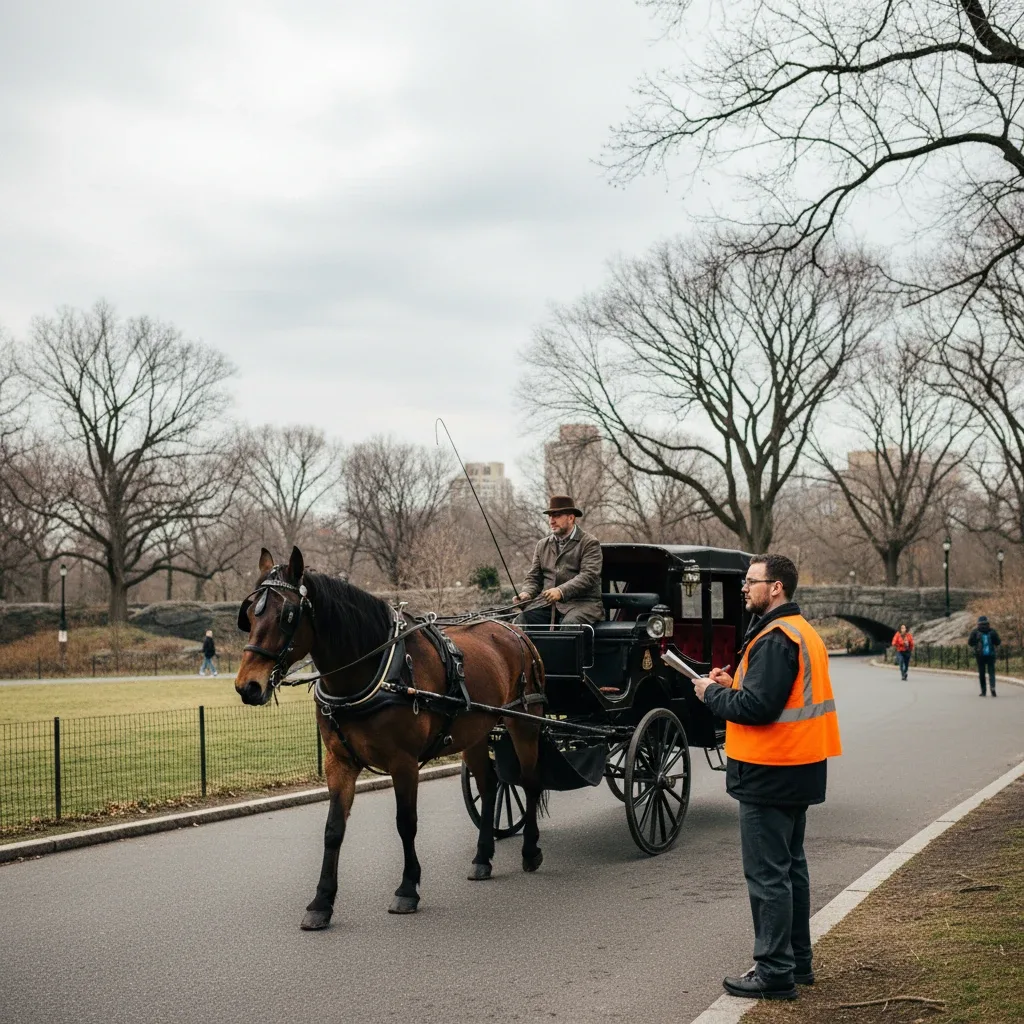
NEW YORK — NYC Parks Commissioner Sue Donoghue authorized the return of horse-drawn carriages to Central Park pathways on Thursday morning following a temporary operational suspension. The halt was implemented after a tragic accident earlier this month claimed the life of a young international visitor.
Donoghue Orders Resumption After Detailed Fleet Evaluation
The decision to permit carriages back on the park loop follows a comprehensive safety audit of all active fleet vehicles. According to ABC7 New York, the city halted operations to inspect horse harnesses and structural components on dozens of registered carriages.
Inspectors from the NYC Parks Commissioner's communications office spent three days reviewing safety logs at the carriage stables on the far West Side. The suspension disrupted normal tourism patterns during the busy early summer season, leaving several major carriage stands empty.
Mourners Gather at Plaza for Romanch Mahajan Memorial Vigil
"We want to ensure that no other family experiences this kind of sudden and devastating loss," said Christina Hansen, a representative for the historic carriage drivers group. Hansen confirmed that industry operators cooperated fully with the administrative inspection protocols.
While carriage operations resumed, a solemn crowd of several dozen people gathered near the East 72nd Street park entrance on Wednesday evening. The group organized a candlelight vigil to honor Romanch Mahajan, the 18-year-old tourist from India who died during the initial incident.
City Records Show Inspection Safety Compliance Levels
According to official licensing records, 68 active carriage permits underwent physical reviews during the temporary city-mandated operational halt. The safety team verified wheel alignments and braking mechanisms on every single carriage frame before issuing clearance certificates.
Local businesses near the park perimeter reported a noticeable dip in afternoon sightseeing ticket sales during the suspension. You can review the ABC7 New York carriage suspension report to understand the administrative steps taken by municipal regulators during the safety review.
Historical Carriage Safety Standards in Manhattan South Precincts
This is not the first time carriage operations have faced sudden municipal restrictions after high-profile incidents near the southern boundary. Similar safety reviews occurred in prior years when traffic conflicts on Central Park South prompted changes in staging rules.
The city previously adjusted the daily operating hours for carriages during extreme summer humidity to protect animal health. Many carriage industry guidelines have remained largely unchanged since the modernization of city traffic rules in the late twentieth century.
Public Reaction Along the Busy Southern Park Boundaries
By mid-morning, the familiar sound of horse hooves returned to the paved loops as the first tourists boarded carriages near the Grand Army Plaza. The atmosphere along the southern end of the park was quiet, with early mist rising from the Pond near Central Park South.
And that was before the afternoon tourism rush brought larger crowds back to the carriage stands. For more details on recent park developments, you can read about how NYC carriage rides resume as memorial honors Romanch Mahajan to see how the community is responding to the changes.
Frequently Asked Questions
Where do the horse-drawn carriages officially operate within the park?
Carriages operate on the paved drives of the southern section of the park, usually keeping to the designated carriage loops. They are prohibited from entering pedestrian-only paths, the Ramble, or lawns like Sheep Meadow. Drivers must follow standard traffic rules along the main park loop.
How does the city monitor the health of the carriage horses?
Licensed veterinarians from the Department of Health and Mental Hygiene conduct regular health assessments on all registered carriage horses. The horses are also protected by strict temperature regulations that suspend work when the temperature exceeds 90 degrees Fahrenheit or drops below 19 degrees.
Related Articles
More in Visitor Guide →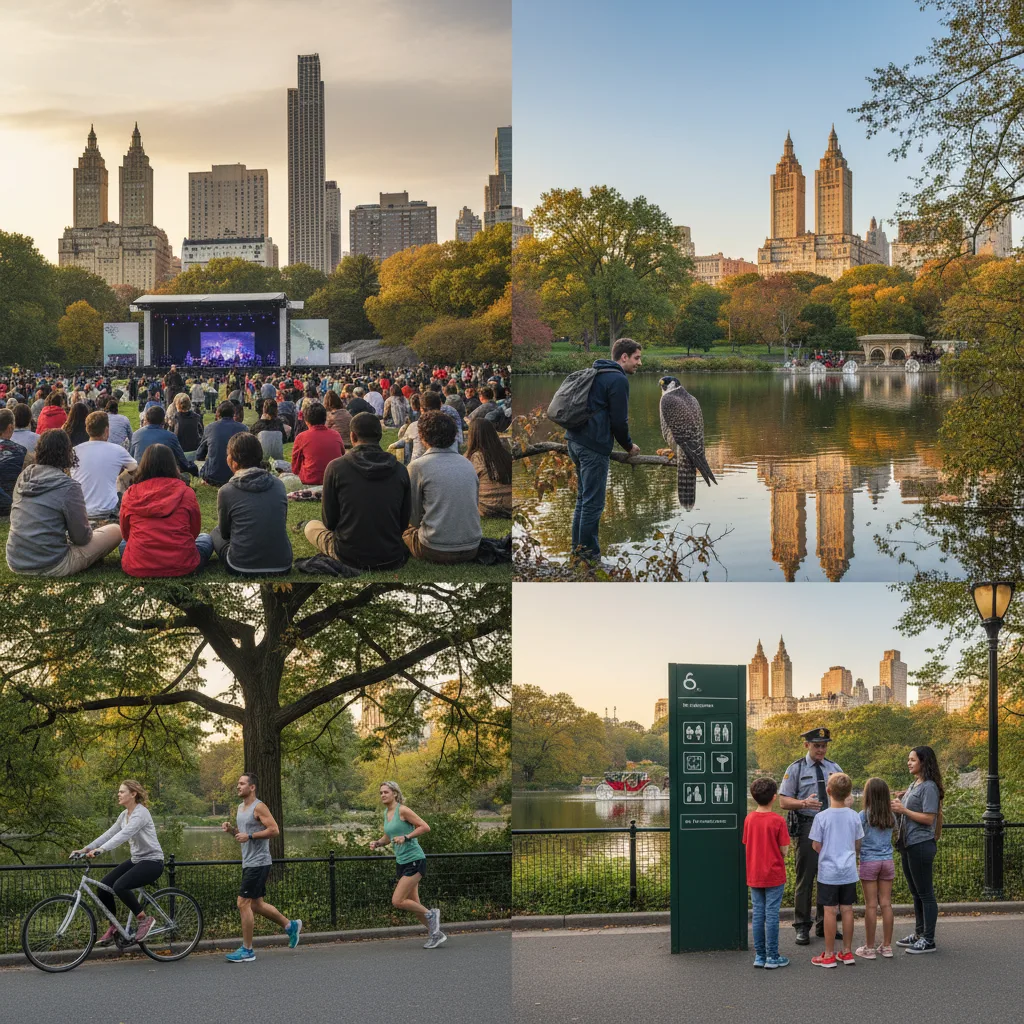
A Guide to Central Park's Top Activities and Best Things to Do in 2026
Discover the best things to do in Central Park, NYC, with our comprehensive 2026 guide to iconic landmarks, activities, and hidden gems for visitors.
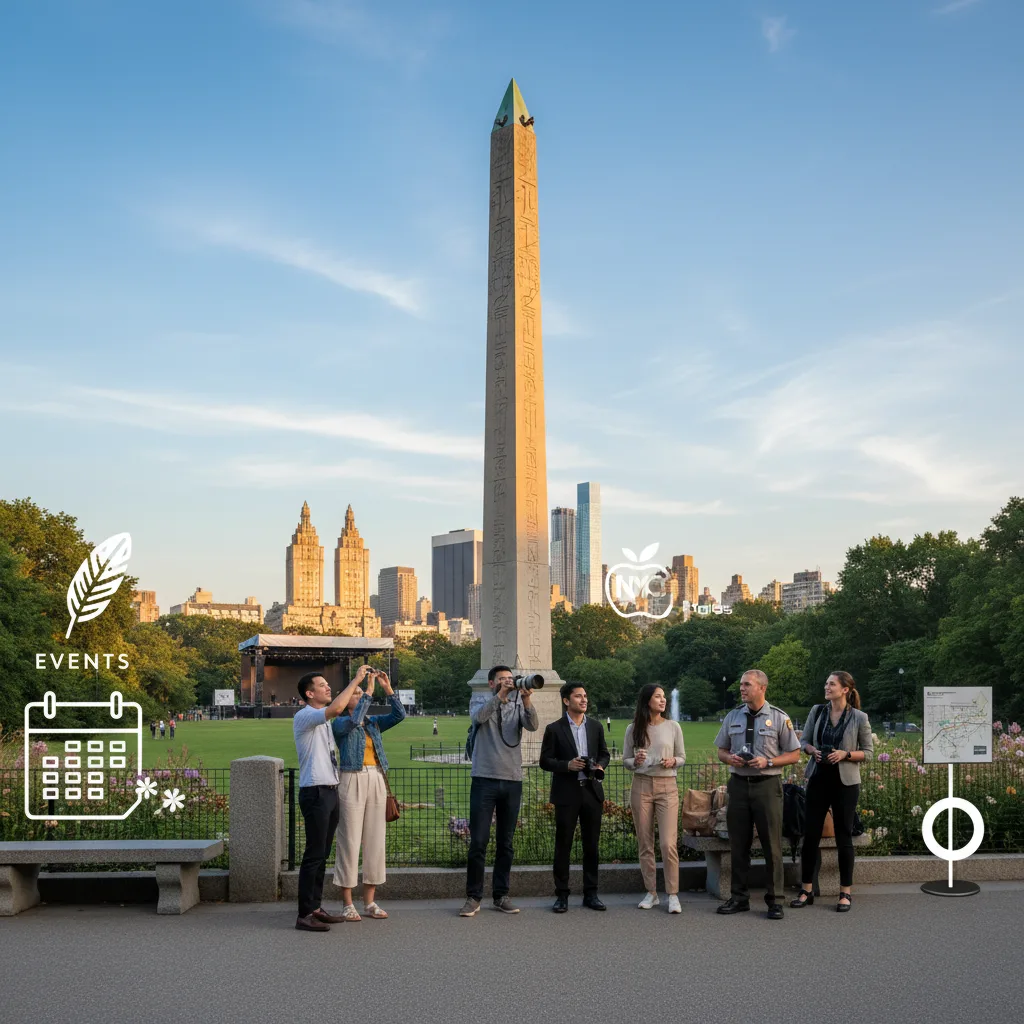
A Guide to What to Know About the Vatican Obelisk in Central Park 2026
Discover what to know about the Vatican Obelisk (Cleopatra's Needle) in Central Park, its history, journey to NYC, and where to find it in 2026.
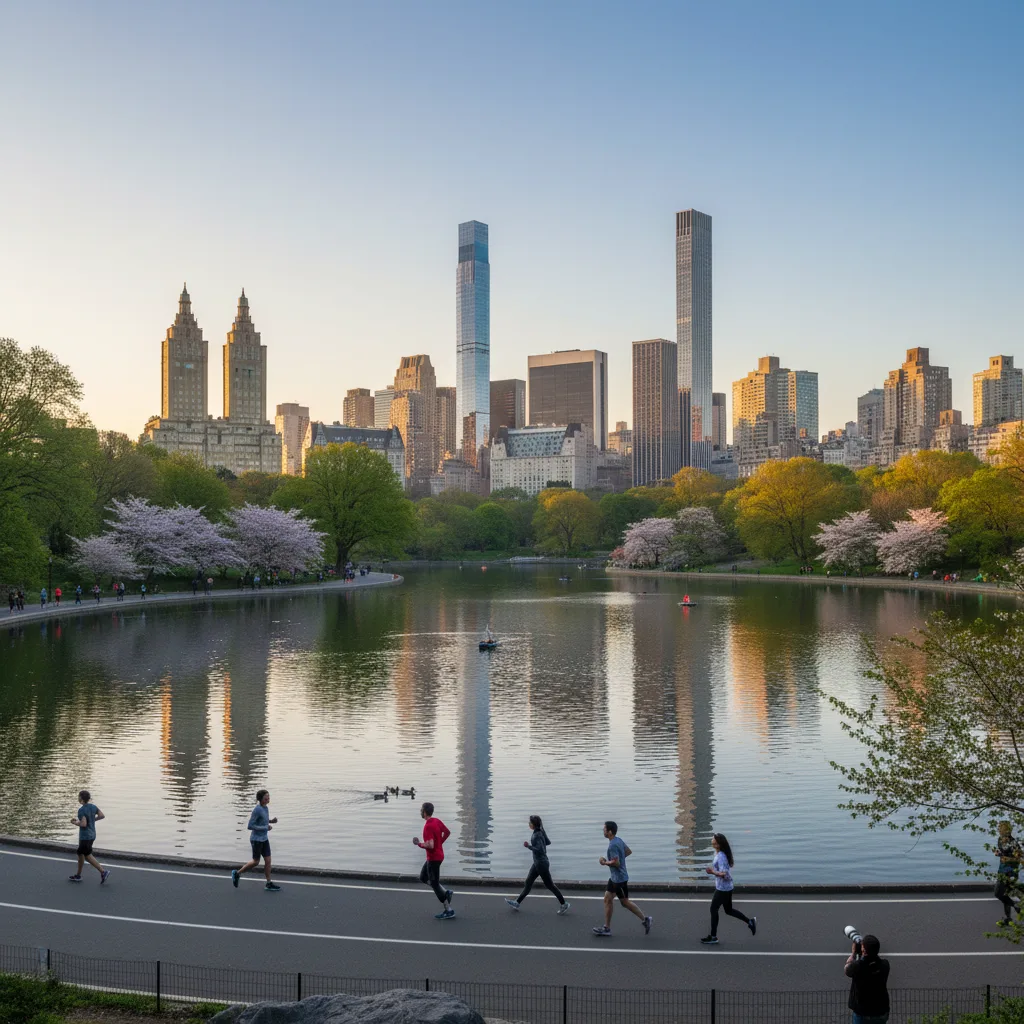
A Complete Guide to the Central Park Reservoir: What to Know Before You Visit
Discover everything you need to know about the Central Park Reservoir: its history, running track, wildlife, best views, and visitor tips for 2026.
A Guide to Central Park's Top 5 Pizzerias: The Best Slices Near You in NYC
Discover the top 5 pizzerias near Central Park, NYC. This guide helps you find the best slices, from historic institutions to modern favorites.
Central Park Offers Daily Public Access From 6 AM to 1 AM
Central Park maintains extensive daily public access from 6:00 am to 1:00 am, offering a continuous urban sanctuary for millions of visitors.
Central Park Conservancy Updates Calendar with Fall Foliage Trackers
The Central Park Conservancy has updated its calendar with fall foliage trackers and seasonal activities, guiding visitors to experience the park's autumn beauty and diverse offerings. The new resources aim to enhance planning for iconic views and events.