


NYC "No Kings" Protest Draws Thousands Near Central Park

NEW YORK — Thousands of demonstrators from across the Tri-State Area converged on New York City on Saturday, March 28, 2026, for the "No Kings" protest. The large-scale demonstration, which saw participants gather in various city locations before some marched past the periphery of Central Park, underscored widespread public sentiment on several societal issues.
Organizers emphasized that the protest aimed to draw attention to perceived systemic inequalities and calls for greater accountability from leadership. The sheer volume of attendees necessitated significant police presence and traffic rerouting throughout Midtown and Upper Manhattan, impacting areas adjacent to the park.
Demonstrators March Through City Streets
Participants began to assemble early Saturday morning at designated points, including Columbus Circle and Grand Army Plaza, before proceeding along planned routes. Many of these routes brought the procession within view of Central Park, highlighting the park's role as a backdrop for significant public gatherings in New York City's history.
Police officials, speaking on condition of anonymity, estimated the crowd size in the thousands by midday. Chants of "No more kings, just people" and "Power to the many" resonated through the city blocks, according to reports from CBS News covering the event.
Community Impact and Public Safety
The considerable turnout prompted city agencies to implement temporary road closures and public transport adjustments to manage the flow of demonstrators and onlookers. While generally peaceful, the protest activities led to minor disruptions for local businesses and residents attempting to navigate the affected areas around the park perimeter.
Local law enforcement confirmed that no major incidents or arrests were reported in connection with the primary march routes. The authorities had prepared for a large crowd, deploying extra personnel to ensure public safety and maintain order, a New York Police Department spokesperson stated.
Historical Context of Central Park Protests
Central Park itself has a long and storied history as a site for public discourse and demonstration, from anti-war rallies to civil rights movements. While Saturday's march primarily skirted the park, its proximity brought the movement into the consciousness of park-goers and nearby residents.
The use of public spaces for protest remains a cornerstone of American democracy, reflecting diverse viewpoints within the community. Events like the "No Kings" demonstration continue this tradition, even when the main activities occur just outside the park's green expanses, as reported by local observers.
Organizers Vow Continued Action
Speaking to a crowd gathered near Lincoln Center, a representative for the "No Kings" movement reiterated their commitment to sustained advocacy. They indicated that Saturday's protest was one of several planned actions designed to keep their message in the public eye throughout 2026 and beyond.
Organizers called upon participants to remain engaged and to channel their collective energy into ongoing community organizing efforts. Details on future actions are expected to be announced through various online platforms and community newsletters, according to movement leaders.
Economic Ripple Effects and Local Sentiment
The large demonstration had varied effects on local commerce, with some small businesses reporting increased foot traffic, while others experienced temporary downturns due to street closures. Restaurants and cafes near Central Park West and Fifth Avenue noted a slight uptick in business from protestors and spectators.
Conversely, some commuters expressed frustration over travel delays, impacting their weekend plans. "It's important to have our voices heard, but it definitely made getting across town a bit of a challenge today," one Upper West Side resident remarked while exiting Central Park.
Frequently Asked Questions About the "No Kings" Protest
How many people participated in the "No Kings" protest in NYC? According to CBS News, thousands of demonstrators from across the Tri-State Area joined the "No Kings" protest on Saturday, March 28, 2026. The exact number was not officially released, but crowd estimates suggested a substantial turnout.
What was the primary goal of the "No Kings" demonstration? Organizers stated that the protest aimed to highlight issues of systemic inequality and demand greater accountability from various leadership structures. The movement seeks to empower individuals and foster more equitable governance.
Did the protest directly enter Central Park? While the primary march routes for the "No Kings" protest brought thousands of participants near the perimeter of Central Park, key assembly points included Columbus Circle and Grand Army Plaza, with processions moving along adjacent thoroughfares. The park itself was not a central rally point.
Were there any arrests or significant incidents during the protest? Local law enforcement agencies, including the NYPD, reported that the "No Kings" protest on March 28, 2026, was largely peaceful, with no major incidents or arrests directly related to the main demonstration.
Will there be future "No Kings" protests in New York City? Organizers of the "No Kings" movement have indicated their intention to continue planned actions and advocacy efforts throughout 2026. Further details on upcoming events are anticipated to be shared by the movement's leadership.Read more about NYC no and kings protest in
Related Articles
More in Urban Policy & Development →
NYC Mayor Mamdani Booed at Union Square October 7 Vigil
Mayor Mamdani faced boos and protests at a Union Square vigil Thursday marking the Oct. 7 attacks, highlighting deep community divisions in NYC.
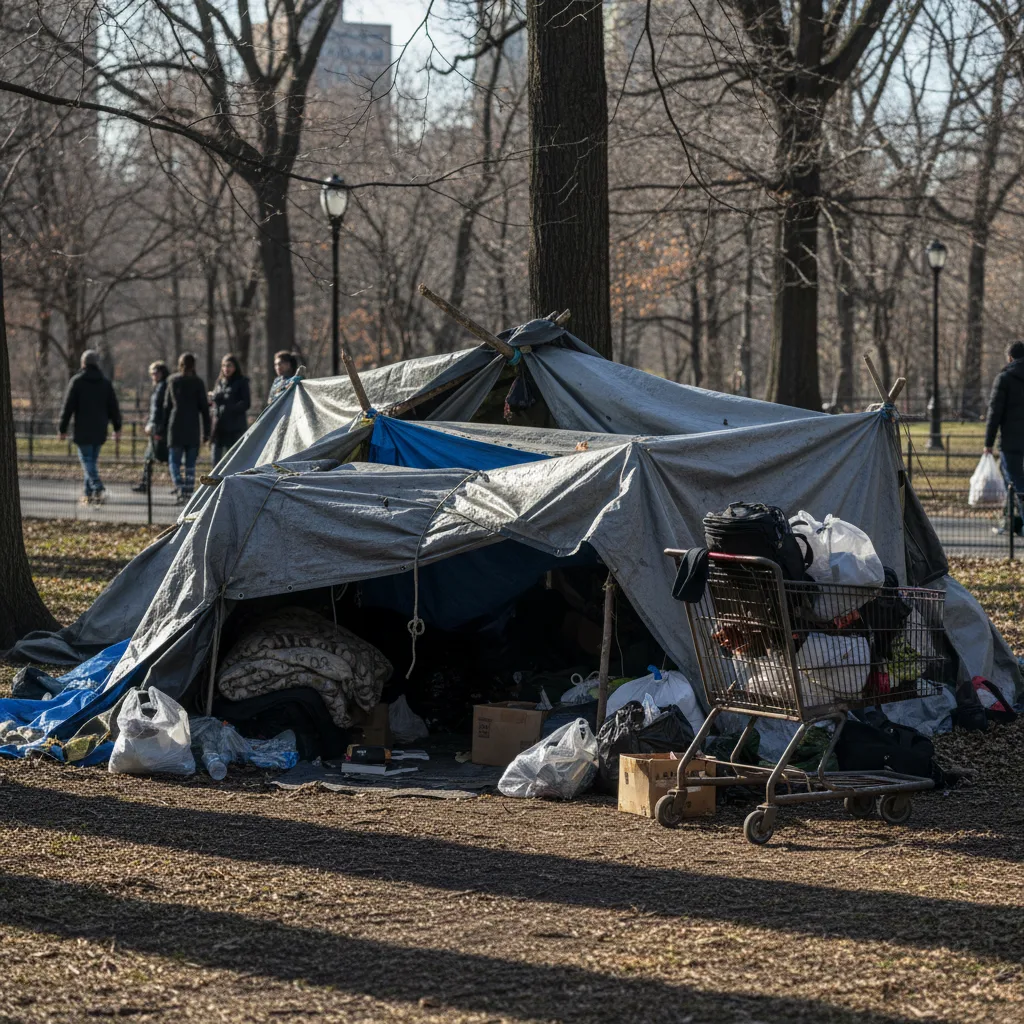
NYC Homeless Encampments Spotted Across Manhattan, Raising Concerns
Multiple homeless encampments have been spotted across Manhattan, raising significant concerns about urban policy and public safety. City officials are under pressure to address the growing homelessness crisis.
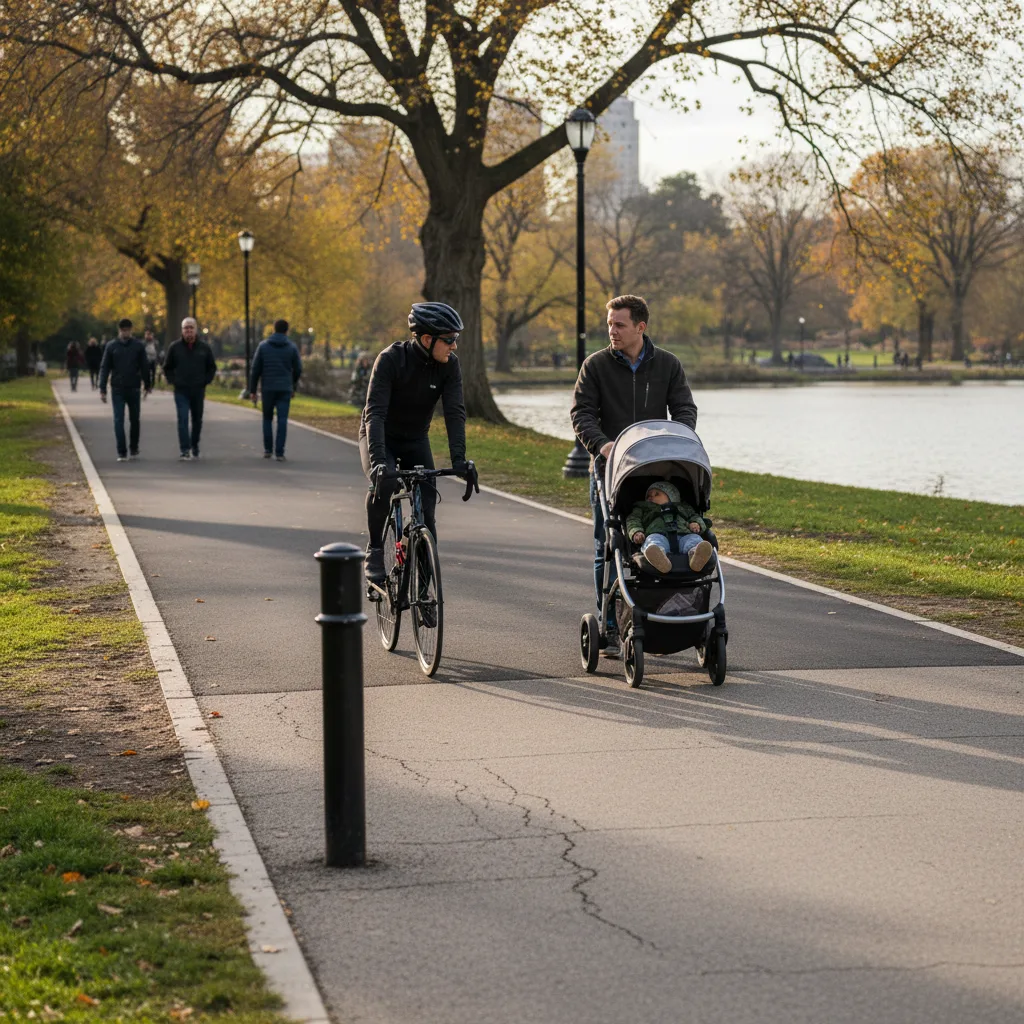
Safety Advocate Blames Park Redesign for Rising Central Park Cyclist Crashes
Safety advocates blame recent Central Park redesigns for a pedestrian's death and rising cyclist crashes, calling for urgent review of infrastructure.
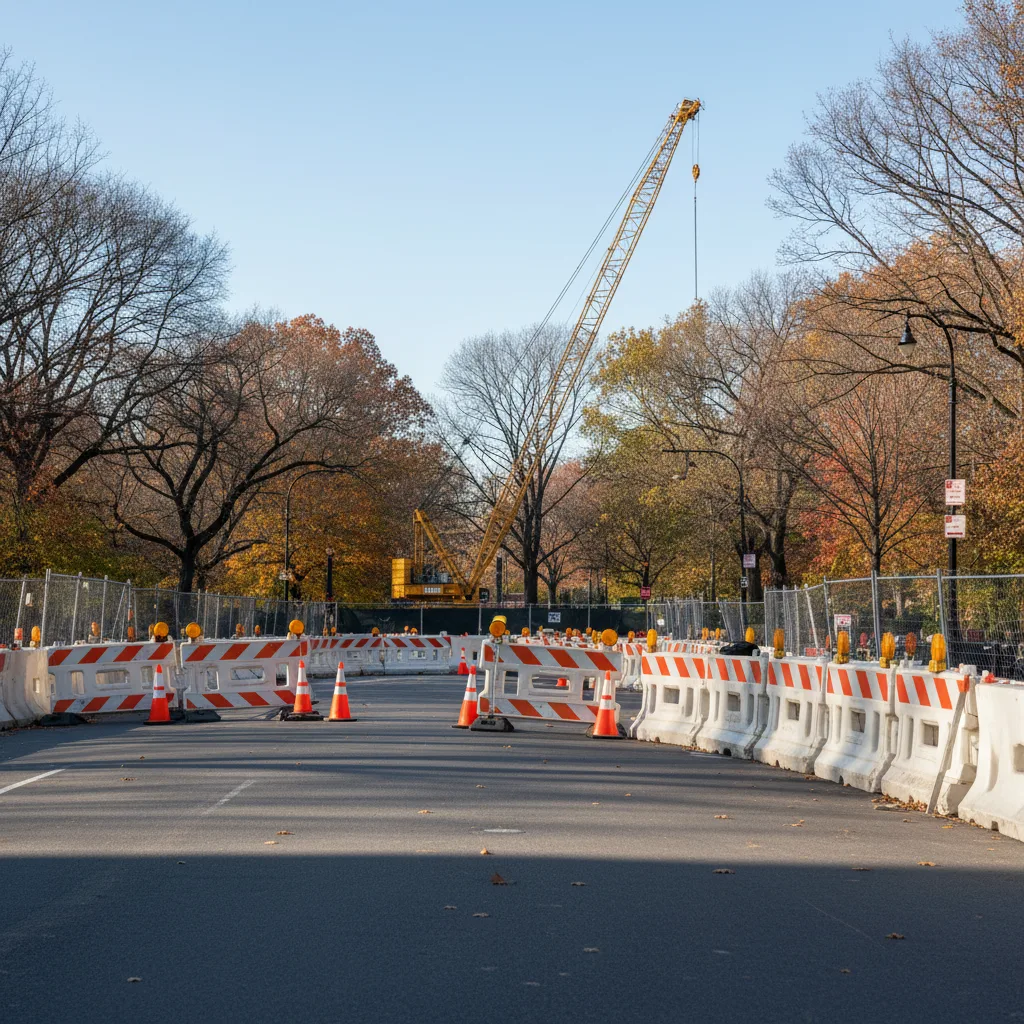
NYC DOT Advises Central Park Area Traffic Disruptions September 27
NYC DOT issued advisories for major traffic disruptions near Central Park on September 27, 2026, due to a parade and crane operations. Expect delays.
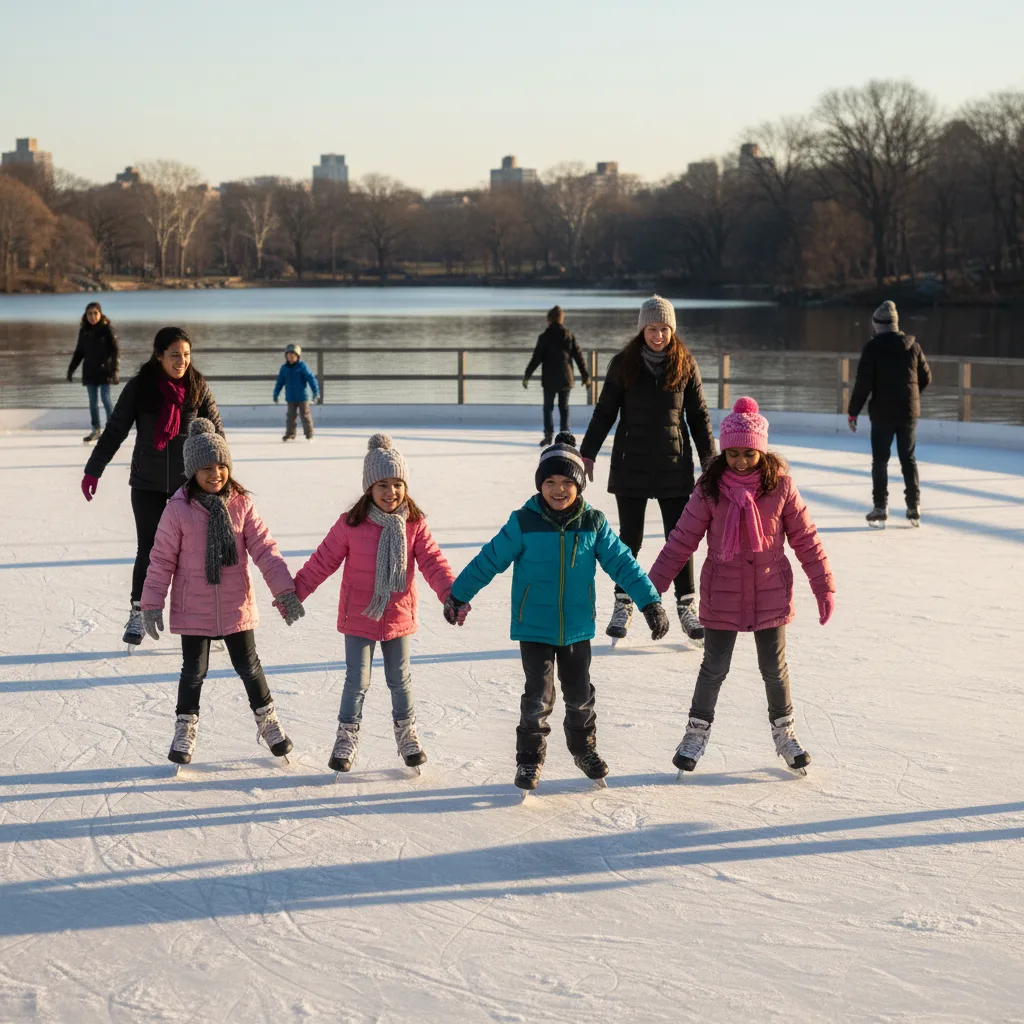
Davis Center at Harlem Meer Unveils State-of-the-Art Facilities
The new Davis Center at the Harlem Meer in Central Park's north end now features a state-of-the-art pool, ice rink, and multi-use turf field, enhancing community recreational options.
NYC City Record Confirms September 21, 2026, Publication Schedule
The NYC City Record confirmed its September 21, 2026, publication schedule, detailing administrative notices, procurement, and public hearings. This ensures transparency for municipal operations and public access to vital city information.