


NYC No Kings Protests Draw Thousands, Third Major Event in 2026

NEW YORK — Thousands of demonstrators converged on New York City today, participating in the third significant “No Kings” protest wave of 2026. These widespread demonstrations, mirroring national movements, saw participants gather across various Manhattan locations, including routes adjacent to Central Park.
The city became one of more than two dozen New York locations hosting peaceful protests, part of a broader nationwide movement encompassing over 3,000 scheduled events. Organizers stated the collective actions aimed to amplify diverse voices challenging established power structures.
Central Park Proximity and Public Response
The protest routes, meticulously planned by various advocacy groups, often skirted the periphery of Central Park, attracting attention from both residents and tourists. Police presence was notably increased along Fifth Avenue and Central Park South, ensuring public safety and managing traffic flow.
Local businesses near the park reported varied impacts, with some experiencing reduced foot traffic while others noted a slight increase in demand for quick service from passing demonstrators. "The sheer volume of people was impressive," commented Sarah Chen, owner of a coffee shop on Central Park West, observing the peaceful passage of marchers.
Nationwide Mobilization and Local Coordination
The coordinated "No Kings" protests signify a growing national sentiment for systemic change, according to analysis from newyorktheater.me. This third major mobilization follows two previous events earlier in the year that also saw substantial participation across the country.
New York City’s protest efforts involved a complex logistical network, with numerous community organizations collaborating on permits, security, and medical support. The NYPD confirmed extensive preparations to facilitate the marches while minimizing disruption to city life, deploying officers from multiple precincts.
Participant Voices and Demands
Participants expressed a range of grievances and demands, from economic inequality to environmental concerns and civil rights issues. Many carried handmade signs, reflecting the diverse motivations driving their involvement in the movement.
“We are here to show that our voices cannot be ignored,” stated Maria Rodriguez, a 34-year-old teacher from Harlem, marching with a group advocating for education reform. Her sentiment was echoed by others who emphasized the importance of sustained public engagement.
Historical Context of the "No Kings" Movement
The "No Kings" moniker, while a relatively recent appellation, draws inspiration from historical anti-authoritarian movements and calls for greater democratic accountability. Its resurgence in 2026 highlights ongoing societal tensions and a desire for more equitable governance.
Academics studying social movements suggest that the decentralized nature of these protests, coupled with their broad appeal, contributes to their resilience and growing impact. The movement leverages both digital and grassroots organizing to mobilize participants effectively.
Security Measures and Community Engagement
Security for the protests included a visible but largely hands-off approach from law enforcement, prioritizing de-escalation and freedom of expression. Emergency services were also on standby, though no major incidents were reported by late afternoon.
Community leaders organized outreach efforts beforehand, informing residents and businesses about the planned routes and potential for temporary disruptions. This proactive communication aimed to foster understanding and mitigate concerns within affected neighborhoods.
Frequently Asked Questions About NYC Protests
Many residents inquire about the specific aims of the "No Kings" movement; it encompasses a broad spectrum of demands for social justice, economic equality, and political reform, reflecting a widespread desire for systemic change. Concerns often arise regarding traffic and public access during large demonstrations; authorities worked to minimize disruptions, with alternate routes and public transport advisories issued in advance. The role of Central Park in these events is primarily as a recognizable landmark adjacent to key protest corridors, making it a focal point for public observation and occasional gathering. Residents wishing to support or understand the movement further can find details on scheduled protests through various local advocacy group websites and community forums. Information regarding future protest dates or related events is typically announced through organizational channels and local news outlets well in advance.
Related Articles
More in Urban Policy & Development →
NYC Mayor Mamdani Booed at Union Square October 7 Vigil
Mayor Mamdani faced boos and protests at a Union Square vigil Thursday marking the Oct. 7 attacks, highlighting deep community divisions in NYC.
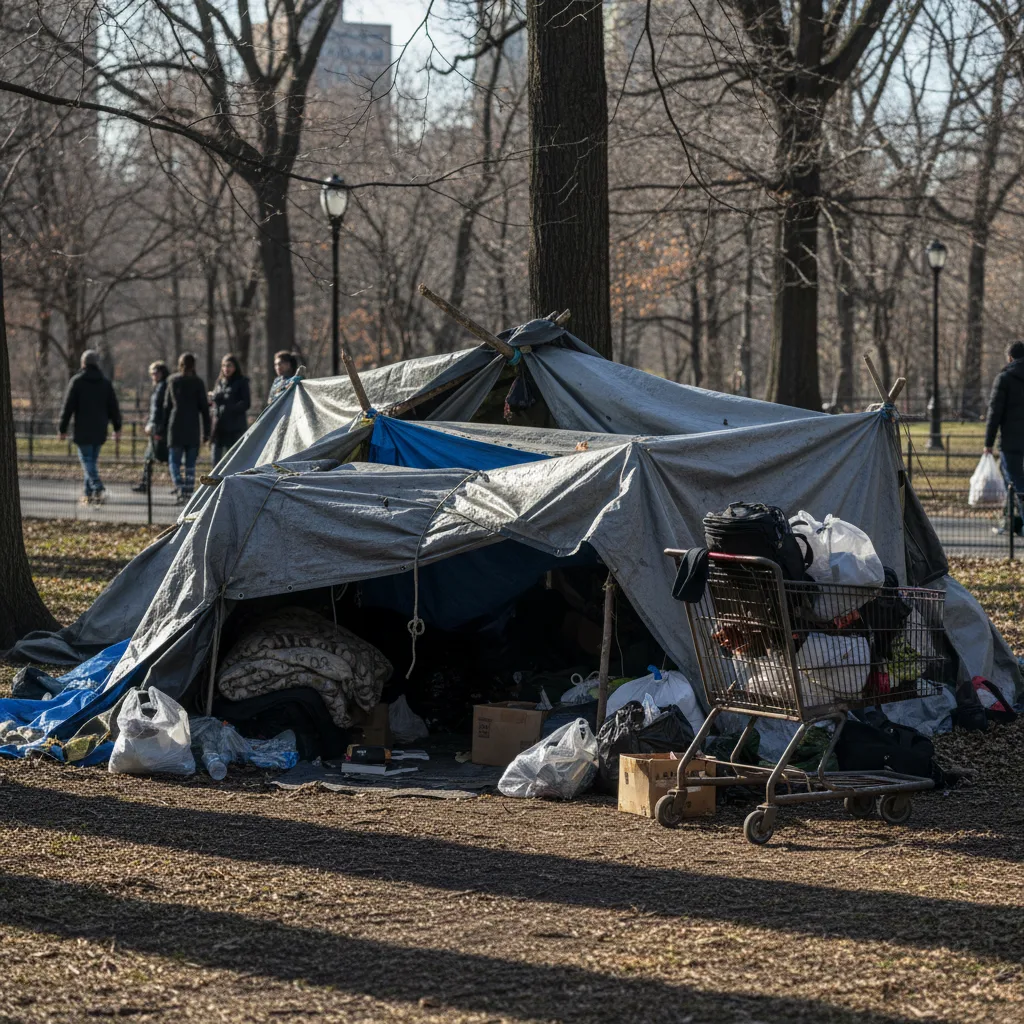
NYC Homeless Encampments Spotted Across Manhattan, Raising Concerns
Multiple homeless encampments have been spotted across Manhattan, raising significant concerns about urban policy and public safety. City officials are under pressure to address the growing homelessness crisis.
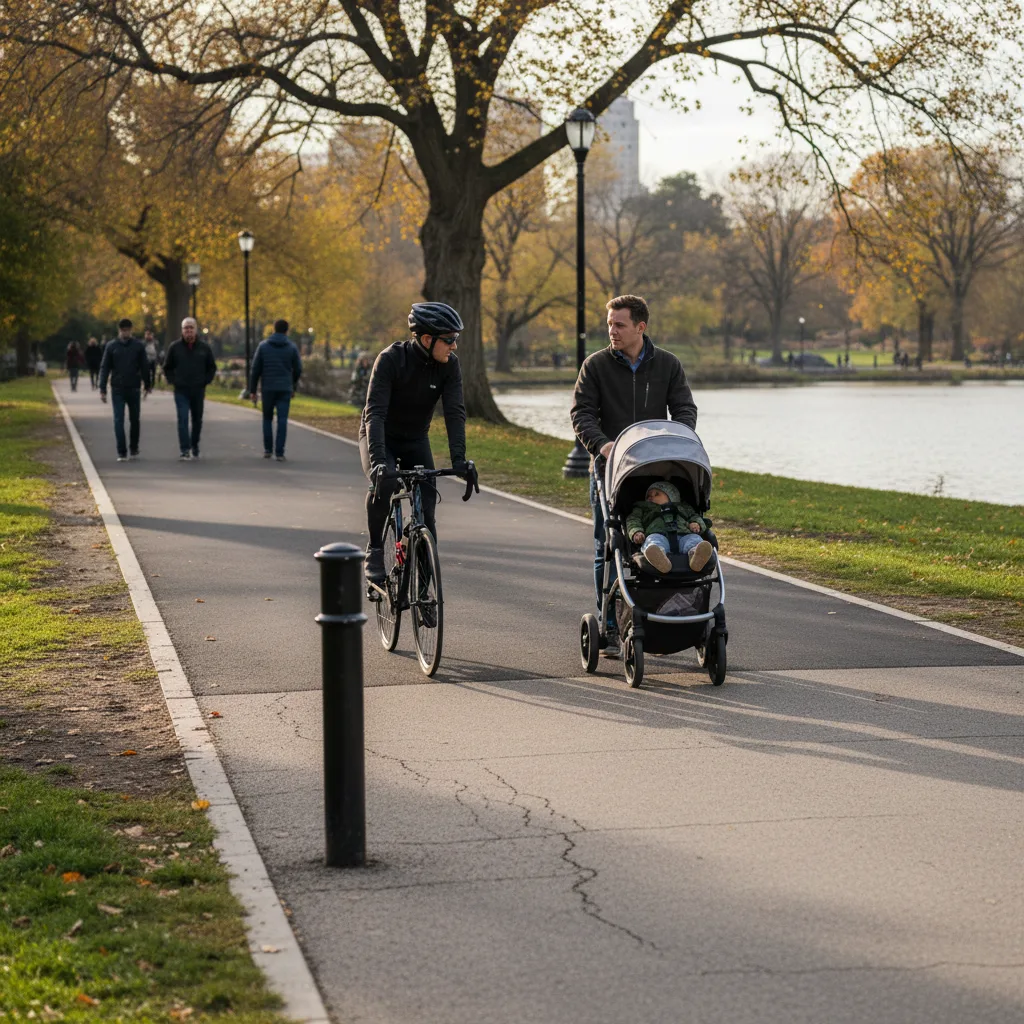
Safety Advocate Blames Park Redesign for Rising Central Park Cyclist Crashes
Safety advocates blame recent Central Park redesigns for a pedestrian's death and rising cyclist crashes, calling for urgent review of infrastructure.
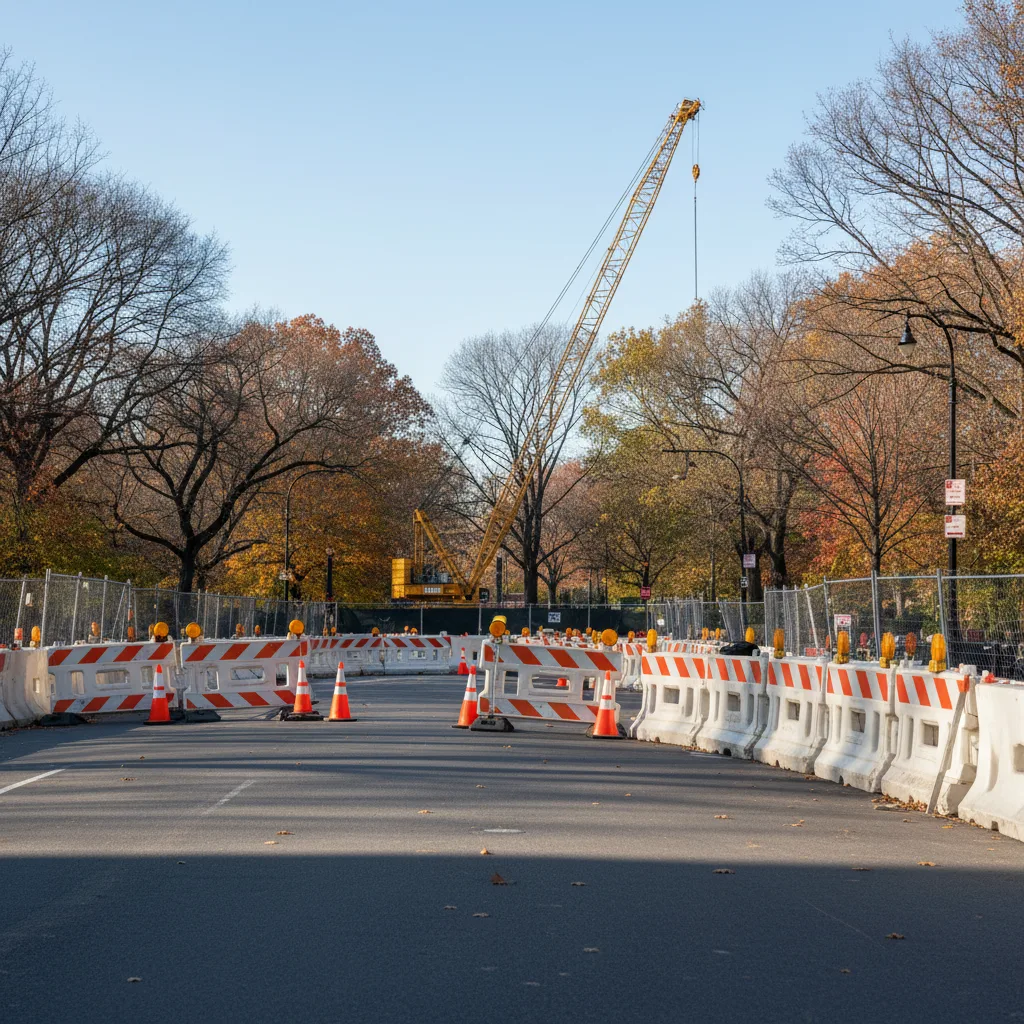
NYC DOT Advises Central Park Area Traffic Disruptions September 27
NYC DOT issued advisories for major traffic disruptions near Central Park on September 27, 2026, due to a parade and crane operations. Expect delays.

Davis Center at Harlem Meer Unveils State-of-the-Art Facilities
The new Davis Center at the Harlem Meer in Central Park's north end now features a state-of-the-art pool, ice rink, and multi-use turf field, enhancing community recreational options.

NYC City Record Confirms September 21, 2026, Publication Schedule
The NYC City Record confirmed its September 21, 2026, publication schedule, detailing administrative notices, procurement, and public hearings. This ensures transparency for municipal operations and public access to vital city information.