


NYC Parks Officials Confirm Central Park Barn Owls Relocated
Enjoying the coverage?
Birds, trees and wildlife stories from the park, every Friday. Free; unsubscribe in one click.
Sent every Friday. By subscribing, you agree to our Terms of Use and Privacy Policy.
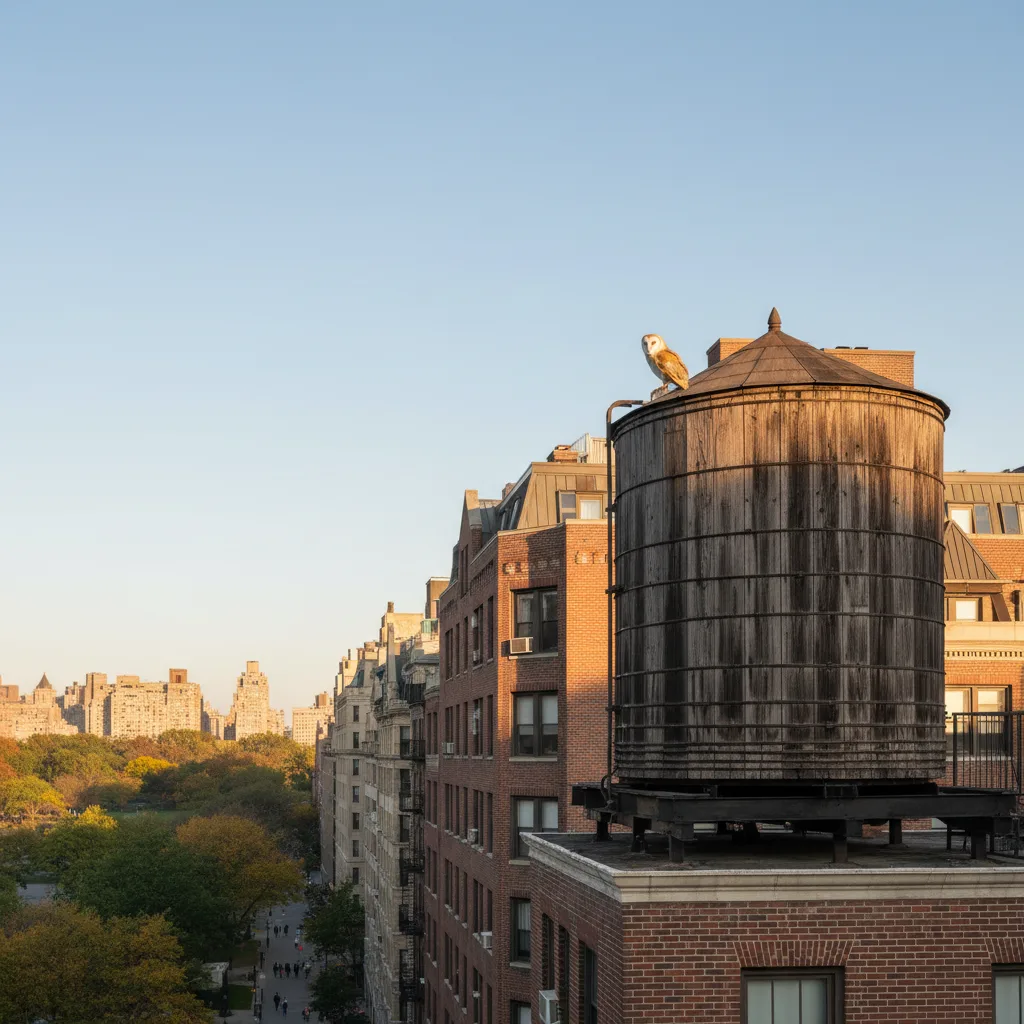
NEW YORK — Officials with New York City Parks confirmed Wednesday that all seven barn owls previously associated with a water tower near Central Park West have been located and appear to have moved to new nesting sites. Construction activity had disturbed their original roost near West 76th Street. The birds are no longer using the tower for roosting, with feeding taking place at alternative locations, according to CBS News.
Water Tower Disturbance Spurs Relocation Efforts
Construction around the water tower near Central Park West and West 76th Street led to the displacement of a barn owl family. This area, adjacent to the Upper West Side, is known for its architectural blend and proximity to Central Park, a vital green space for urban wildlife.
Animal welfare groups and city officials initiated monitoring efforts to ensure the owls' safety and track their movements. Their primary concern was to minimize disruption to these protected birds.
The Central Park News Friday Briefing
Birds, trees and wildlife stories from the park, every Friday. Free; unsubscribe in one click.
Sent every Friday. By subscribing, you agree to our Terms of Use and Privacy Policy.
Monitoring Confirms New Roosting Patterns
CBS News reported that extensive monitoring by NYC Parks personnel confirmed the owls have successfully established new roosting sites. This development alleviates earlier concerns about the impact of the construction on the local barn owl population.
Feeding activities have also shifted away from the water tower area, indicating a full relocation. Such adaptability is crucial for urban wildlife facing habitat changes.
Central Park West Habitat for Urban Wildlife
The water tower, a prominent feature of the Upper West Side skyline, has long provided a secluded spot for various bird species, including barn owls. These nocturnal hunters play a significant role in urban ecosystems by controlling rodent populations.
Central Park itself, particularly its less-trafficked northern sections and the adjacent residential blocks, offers critical habitat. The park’s diverse landscape supports a variety of bird species, making it a focal point for birdwatchers and conservationists.
Conservation Efforts and Future Planning
Incidents like the barn owl relocation highlight the ongoing challenges of urban development alongside wildlife conservation. NYC Parks officials emphasize the importance of careful planning for construction projects in areas known to host sensitive species.
Working with local environmental groups ensures that such disturbances are managed effectively and ethically. The goal is always to protect New York City's diverse wildlife while allowing for necessary infrastructure development.
Community Response and Environmental Awareness
The presence of barn owls on the Upper West Side has long been a source of fascination for residents, many of whom actively participate in local birdwatching groups. The news of their successful relocation has been met with relief within the community.
This event also serves as a reminder of the delicate balance between urban life and nature. Awareness campaigns often highlight how small changes can have significant impacts on local ecosystems.
Frequently Asked Questions
What caused the barn owls to relocate from the water tower?
The barn owls relocated from the water tower near Central Park West after construction activities in the area disturbed their nesting site, prompting them to seek new, undisturbed roosts for their safety and well-being, according to officials.
Are barn owls a common sight in Central Park?
While not seen as frequently as some other bird species due to their nocturnal habits, barn owls are known to inhabit Central Park and its surrounding areas, playing an important role in the local ecosystem by hunting rodents, making their presence a valued aspect of the park's wildlife. Officials track their populations to ensure their continued presence. (For more on the park’s wildlife, see Central Park puppies on a hot day).
What should residents do if they spot nesting owls near construction sites?
Residents who spot nesting owls or other sensitive wildlife near active construction should immediately contact NYC Parks or local animal welfare organizations, as their intervention can help ensure appropriate measures are taken to protect the animals and minimize disturbance during development projects.
The Central Park News Friday Briefing
Birds, trees and wildlife stories from the park, every Friday. Free; unsubscribe in one click.
Sent every Friday. By subscribing, you agree to our Terms of Use and Privacy Policy.
Related Articles
More in Wildlife & Nature →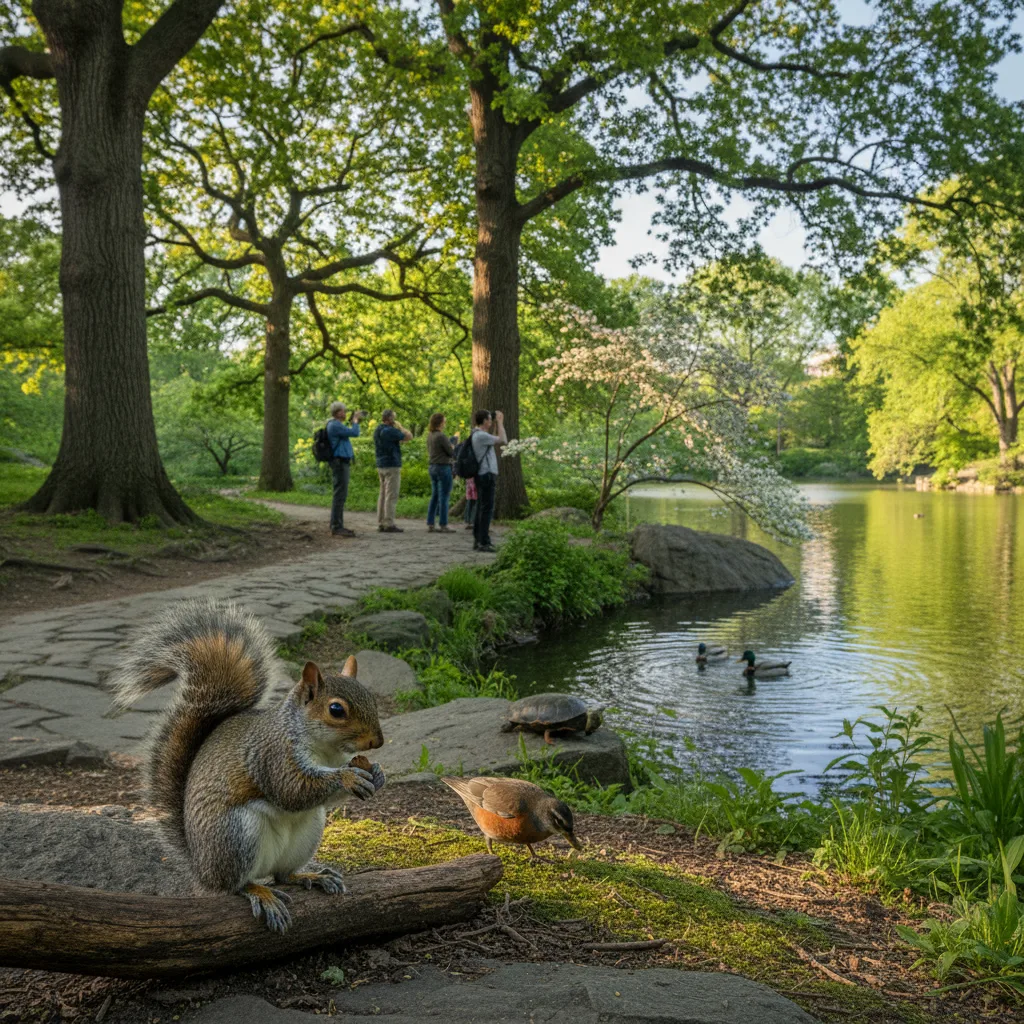
A Guide to Central Park's Wildlife and Nature
Discover the diverse wildlife and nature thriving in Central Park, from birdwatching hotspots to common mammal sightings and seasonal ecological changes.
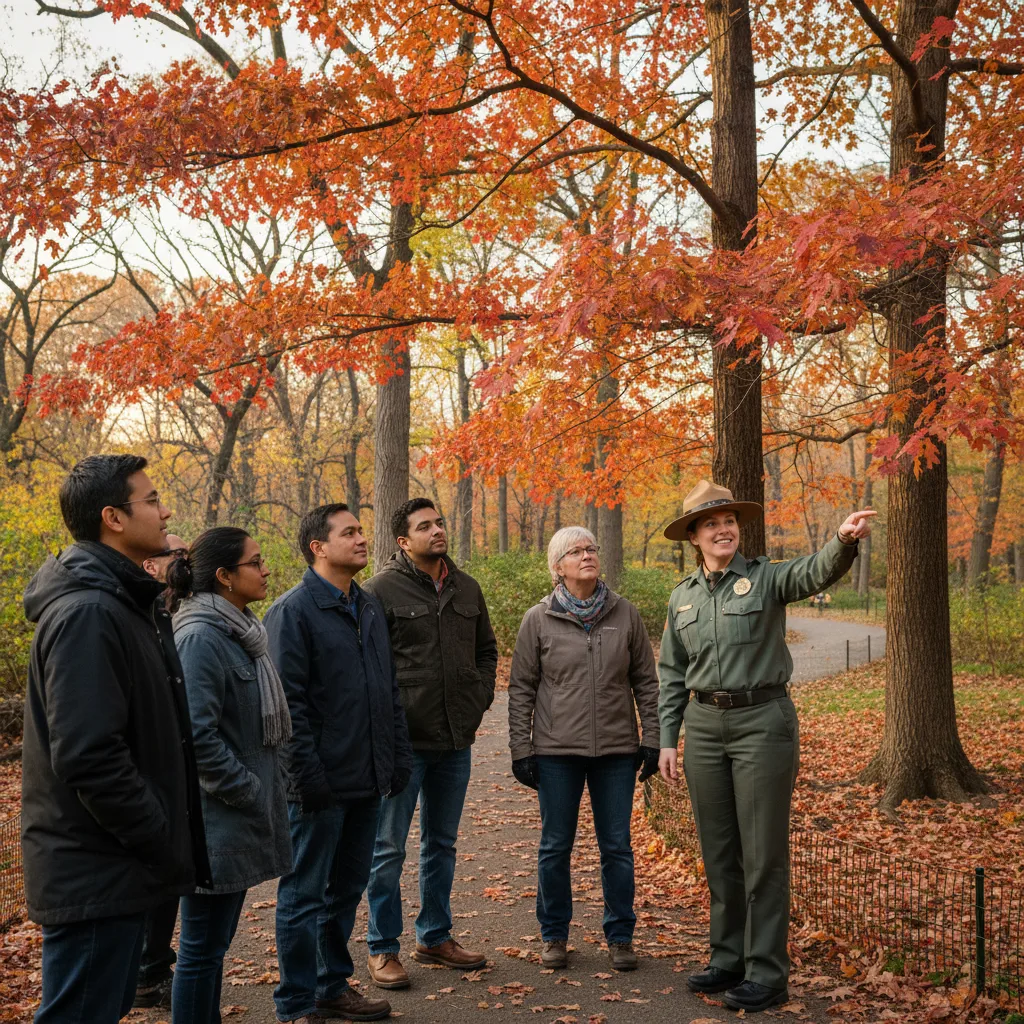
Urban Park Rangers Host Autumn Nature Walk in Conference House Park
Urban Park Rangers led a guided nature walk through Conference House Park on Saturday, November 14, 2026, celebrating late autumn's beauty.

Jones County Central Park Nature Center Hosts Autumn Open House
The Central Park Nature Center in Jones County, Iowa, will host its Autumn Open House on November 14, 2026.
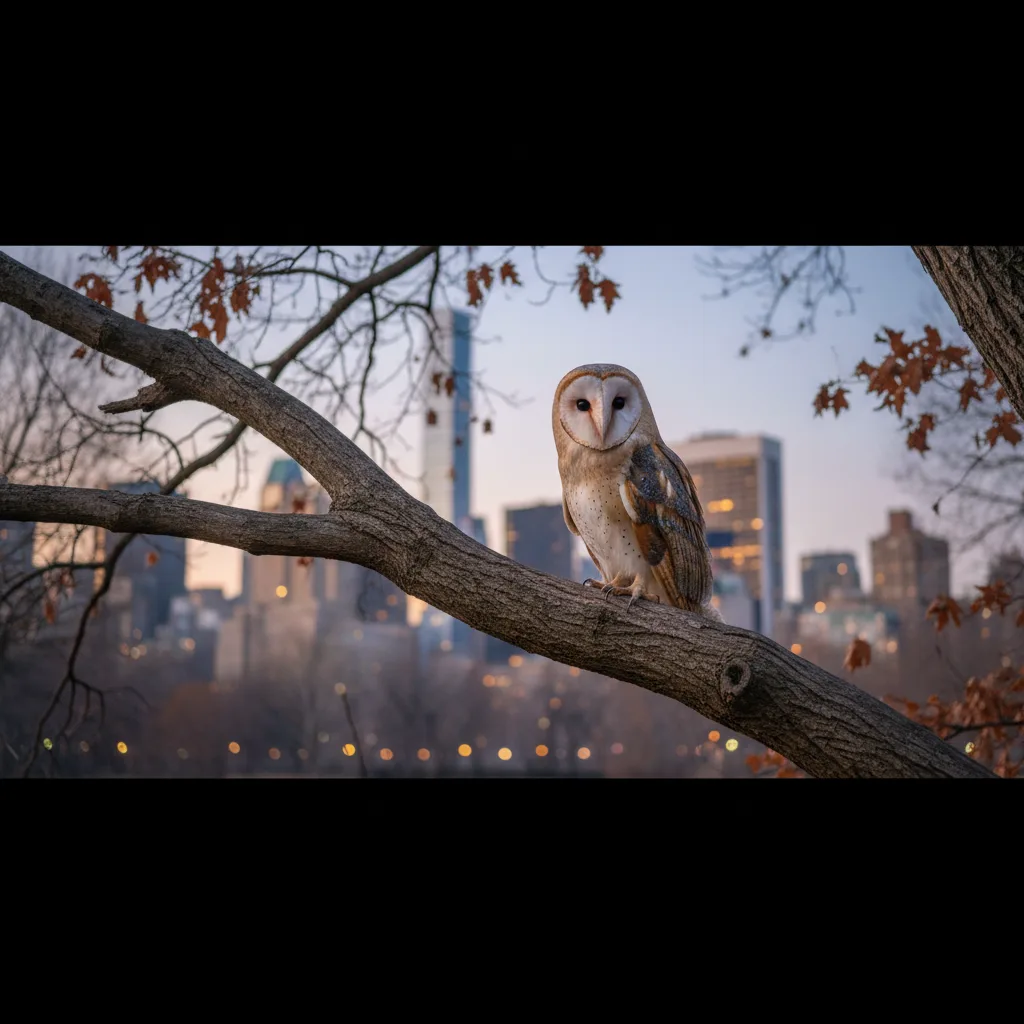
UWS Barn Owls Accounted For Amid Cyclist Scofflaw Discussions November 9
UWS barn owls are accounted for, providing relief to wildlife observers on November 9, 2026. This comes amid ongoing debates over scofflaw cyclists and other city news.
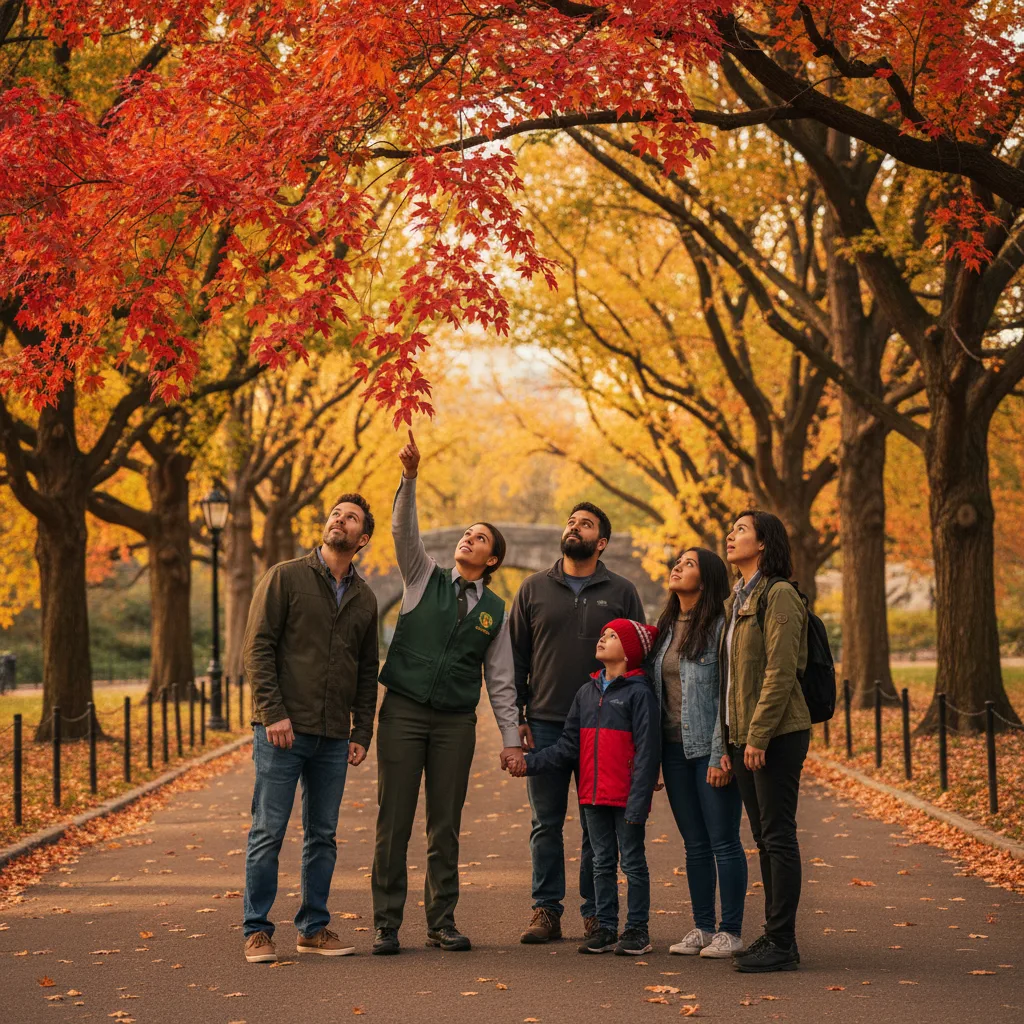
NYC Parks Announces Falling for Nature Hike on November 10 at West 81st Street
NYC Parks announces "Falling for Nature Hike" on November 10, 2026, at Central Park's West 81st Street entrance. Explore autumn flora, promoting urban nature awareness.
NYC Parks Announces 196 Nature Events Through June 2027
NYC Parks announced 196 nature events from November 9, 2026, to June 6, 2027, including many in Central Park. Engage with urban nature and promote stewardship.