


NYC Parks Officials Reviewing Safety Protocols After Urban Park Incidents

Enjoying the coverage?
Closures, restorations and park operations news, every Friday. Free; unsubscribe in one click.
Sent every Friday. By subscribing, you agree to our Terms of Use and Privacy Policy.
NEW YORK — New York City Parks Department officials have confirmed a proactive review of Central Park's safety and surveillance measures following recent incidents in urban parks, both locally and in other major cities. This internal audit aims to ensure the continued security of the city's flagship park, which welcomes millions of visitors annually. The review focuses on current patrol strategies, technology, and public engagement initiatives.
"The safety of our parks and the well-being of every New Yorker and visitor is our top priority," stated NYC Parks Commissioner Olivia Reed during a press briefing held at the Arsenal, the Parks Department headquarters within Central Park. "While Central Park remains incredibly safe, we continuously assess our protocols to adapt to evolving urban safety landscapes, drawing lessons from incidents both within and outside our jurisdiction."
Proactive Measures and NYPD Collaboration
The review includes close collaboration with the New York City Police Department (NYPD), which maintains a dedicated precinct for Central Park. NYPD Captain David Lee, commanding officer of the Central Park Precinct, emphasized the integrated approach. "Our officers are an integral part of the park's fabric, working daily with Parks Enforcement Patrol and Conservancy staff," Captain Lee explained. "This current review helps us refine deployment, optimize response times, and enhance our visible presence across all 843 acres of the park."
The Central Park News Friday Briefing
Closures, restorations and park operations news, every Friday. Free; unsubscribe in one click.
Sent every Friday. By subscribing, you agree to our Terms of Use and Privacy Policy.
Discussions encompass the efficacy of existing emergency call boxes, the strategic placement of surveillance cameras, and the frequency of patrols on bicycles, horseback, and foot. The goal is to identify any potential vulnerabilities and implement best practices gleaned from nationwide urban park safety studies. Such a robust review is standard procedure for major city parks.
Learning from Incidents in Other Jurisdictions
While the focus remains on Central Park, officials acknowledge that incidents in other major urban parks, such as a recent shooting reported in a park in Brampton, Canada, serve as reminders for heightened vigilance. These events, though geographically distant, contribute to the broader conversation about urban security and prompt a comparative analysis of safety strategies. A report from CP24, a Canadian news outlet, highlighted the incident and related concerns, showing the global nature of urban park safety discussions in news segments like this.
"We study crime patterns and security innovations from around the world," Commissioner Reed noted. "Every incident, anywhere, offers insights into potential threats and effective countermeasures that we can consider for our unique environment here in New York. We remain ever vigilant, understanding that a world-class park demands world-class security."
Central Park Conservancy's Role in a Safe Environment
The Central Park Conservancy, responsible for the park's daily management and restoration, plays a crucial role in maintaining a safe and welcoming atmosphere. Its public safety officers work in tandem with the NYPD, providing information and assistance to visitors. The Conservancy also invests in lighting, maintenance, and programming that encourages positive park use, thereby contributing to a safer environment.
Thomas Harrison, Head of Security for the Central Park Conservancy, elaborated on their operational philosophy. "Our approach is holistic, combining prevention through design, community engagement, and strong law enforcement partnerships," Harrison confirmed. "We constantly monitor visitor patterns and adjust our strategies to ensure everyone can enjoy Central Park safely. Our officers are trained to be approachable resources for visitors near landmarks like Sheep Meadow and Bethesda Terrace."
Future Enhancements and Public Engagement
The comprehensive review is expected to yield recommendations for various enhancements, which could range from technological upgrades to increased community outreach programs. Officials are considering pilot programs for new surveillance technologies and exploring ways to better integrate public feedback into safety planning. The aim is to create a more resilient and responsive security framework for the park, ensuring it remains a jewel of New York City.
Public engagement is a key component, with calls for park users to report suspicious activities and participate in community forums. This collaborative effort between city agencies, the Conservancy, and the public is vital for maintaining Central Park's reputation as a safe urban retreat. General Central Park news and safety tips are always available for visitors seeking current information.
Frequently Asked Questions About Central Park Security
How does NYC Parks determine security needs for Central Park?
Security needs for Central Park are determined through a comprehensive process that includes regular crime data analysis, visitor surveys, consultations with NYPD, and assessments by security experts. Factors like park usage patterns, special events, and urban crime trends also play a significant role in shaping security strategies and resource allocation for public spaces.
What is the difference between NYPD and Central Park Conservancy security personnel?
NYPD officers in Central Park are fully empowered law enforcement officers with arrest authority, responding to crimes and emergencies. Central Park Conservancy public safety officers, while highly trained and visible, primarily focus on visitor assistance, park rules enforcement, and serving as a liaison with the NYPD. They often patrol specific areas and are identifiable by distinct uniforms.
Are there plans to increase surveillance cameras in Central Park?
The review of safety protocols often includes evaluating existing surveillance infrastructure. While specific plans for increasing cameras are part of ongoing operational assessments, any such decisions would consider privacy concerns, effectiveness, and budgetary implications. The goal is always to balance security needs with the natural aesthetic and visitor experience of the park, particularly in areas like The Ramble.
The Central Park News Friday Briefing
Closures, restorations and park operations news, every Friday. Free; unsubscribe in one click.
Sent every Friday. By subscribing, you agree to our Terms of Use and Privacy Policy.
Related Articles
More in Park Operations & Maintenance →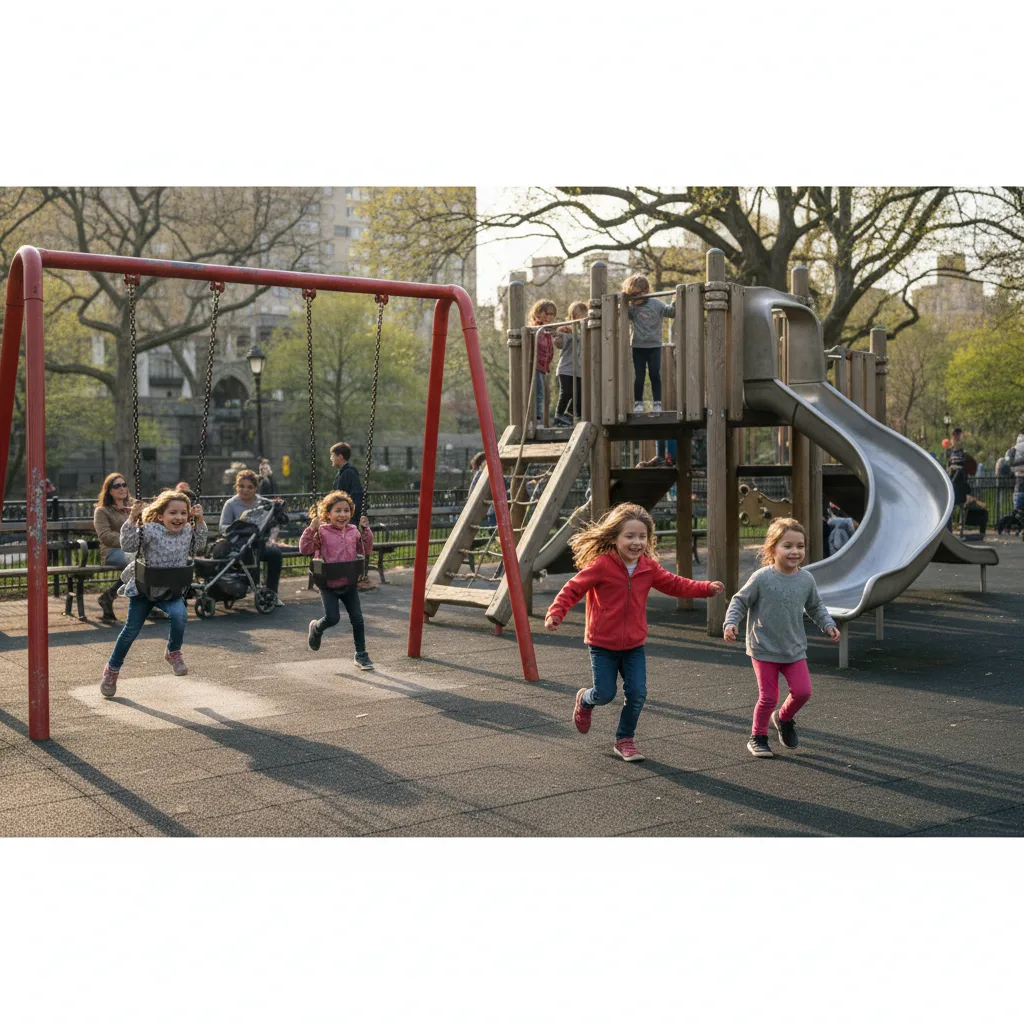
Central Park's Rudin Playground Slated for Major Renovation
The Central Park Conservancy is planning a major renovation of the Rudin Family Playground near West 96th Street and Central Park West.
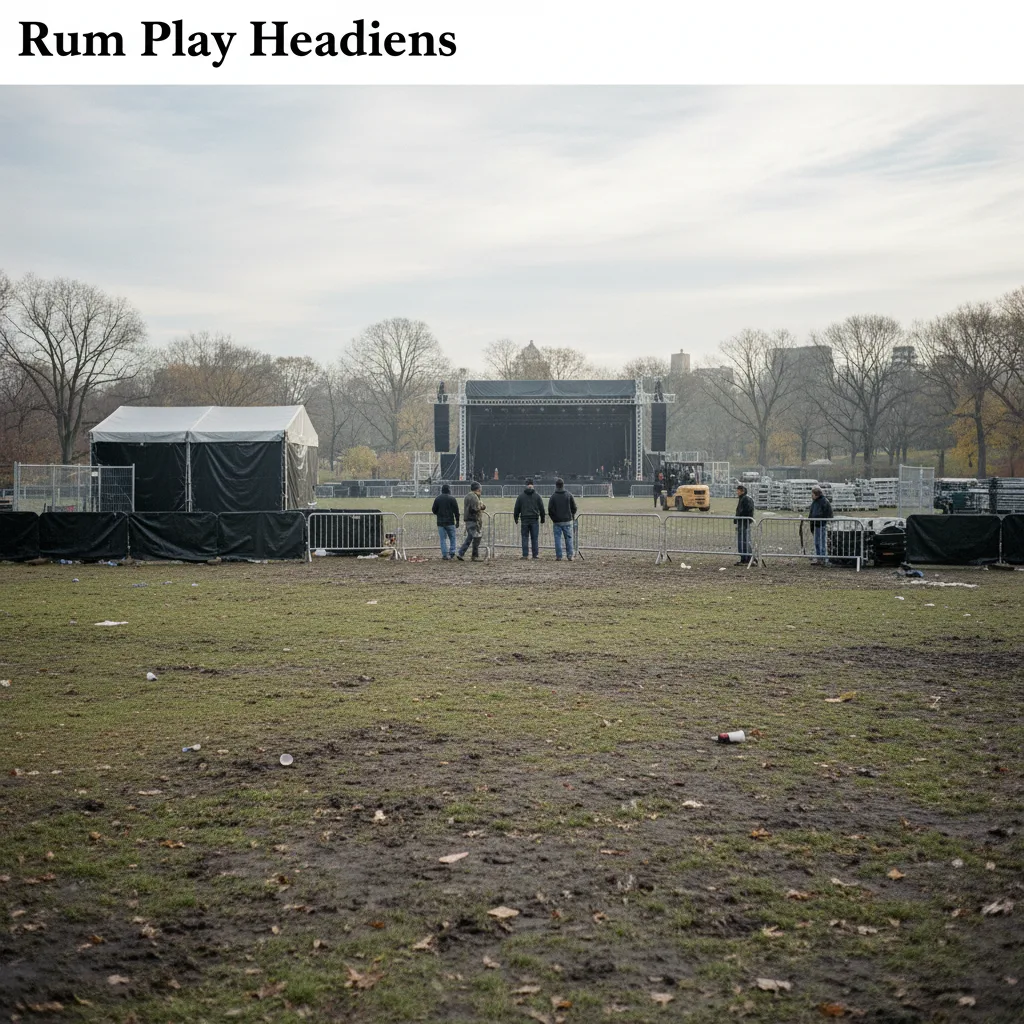
Central Park Conservancy Closes Rumsey Playfield for Fundraiser
The Central Park Conservancy will close Rumsey Playfield from November 13 to November 21, 2026, for a fundraising event.
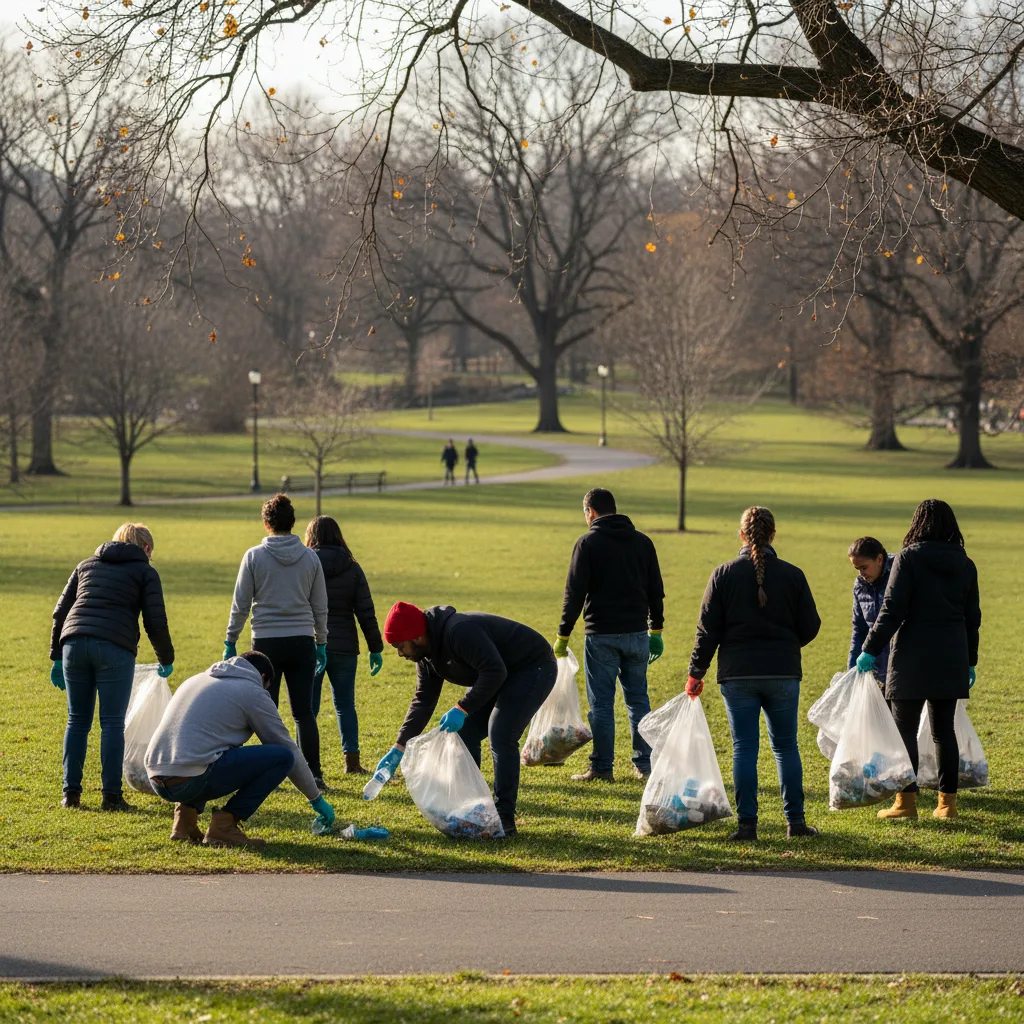
NYC Parks Announces Self-Directed Beach & Park Clean-Up Program
NYC Parks, in partnership with the Conference House Park Conservancy, has launched a new self-directed beach and park clean-up initiative.
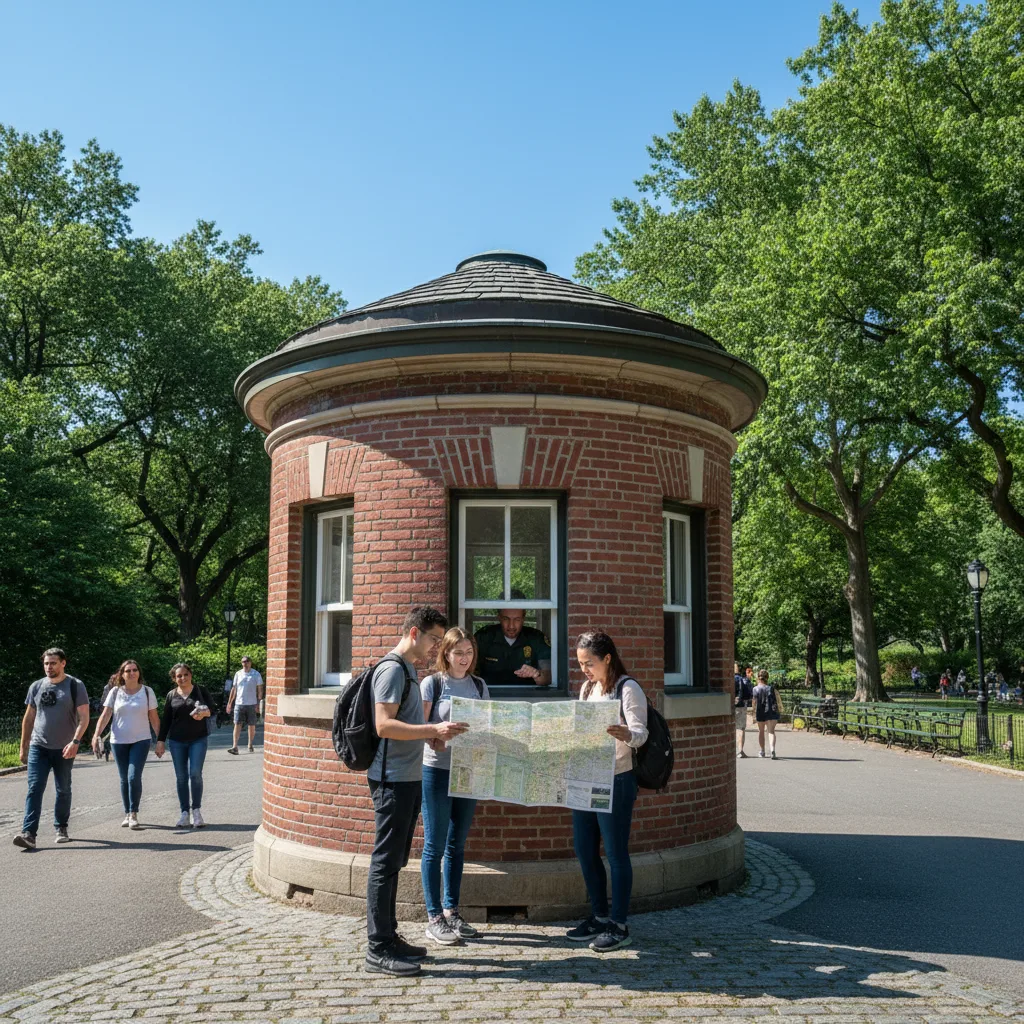
NYC Parks Announces Columbus Circle Kiosk Early Closure November 10
Central Park's Columbus Circle Kiosk and Dairy Visitor Center will close early Tuesday, November 10, at 1:00 p.m. Plan visits accordingly.

Central Park Conservancy Hosts Weekly Walk: The Great Lawn in November 2026
Central Park Conservancy hosts weekly guided walks of The Great Lawn at 12:30 p.m. throughout November 2026. Explore its history and significance.
Jones County Conservation Board Meets at Central Park Nature Center
Jones County Conservation Board meets November 9, 2026, at 6:30 PM at the Central Park Nature Center. Local conservation initiatives and park management will be discussed; public welcome.