


NYC Plans Dozens of Anti-Trump 'No Kings' Rallies From Central Park South

NEW YORK — New York City is gearing up for an expansive series of 'No Kings' rallies, with plans for dozens of demonstrations across the metropolitan area, spearheaded by a major gathering near Central Park South. These events represent a robust collective rebuke of President Donald Trump's administration policies, signaling a period of sustained public activism.
The main rally initiated its proceedings on Saturday afternoon, March 28, 2026, commencing at 7th Avenue and Central Park South. This local mobilization is part of a much larger national effort, with over 3,000 related events anticipated across the United States.
Unprecedented Scale of Local Mobilization
City officials and protest organizers anticipate that the sheer volume of planned demonstrations will make this period one of the most significant expressions of political dissent in recent New York history. The strategic planning involves coordinating multiple sites to ensure widespread public engagement and message delivery.
The 'No Kings' movement has meticulously outlined various protest points, aiming to cover different neighborhoods and demographic groups within the city. This decentralized yet coordinated approach seeks to amplify the collective voice of opposition against the current administration.
Key Policy Disagreements Fueling Protests
At the heart of these widespread protests are several contentious policies enacted or proposed by the Trump administration. A primary concern for many New Yorkers revolves around federal funding cuts to crucial welfare programs, which local advocates argue would severely impact the city's most vulnerable populations.
Furthermore, the administration's foreign policy, particularly the recent war with Iran, has sparked significant outrage and calls for de-escalation. The aggressive tactics of Immigration and Customs Enforcement (ICE) also remain a persistent point of contention, driving many to participate in the demonstrations and demand comprehensive immigration reform. Learn more about the planned demonstrations and their scale by exploring local news reports.
Central Park South as a Symbolic Starting Point
The decision to launch the main rally from 7th Avenue and Central Park South carries significant symbolic weight. This prominent location, bordering one of the city's most iconic landmarks, ensures high visibility and emphasizes the protests' central role in New York's political discourse.
The confluence of local residents, commuters, and tourists in this area provides a broad audience for the 'No Kings' message, highlighting its relevance to both the city's inhabitants and its global visitors. This strategic choice underscores the organizers' intent to maximize public awareness and impact.
City's Preparedness and Public Safety
New York City authorities, including the NYPD, have been actively preparing for the extensive series of rallies. Their primary objective is to ensure public safety while upholding the constitutional right to peaceful assembly.
Extensive planning includes traffic management, designated protest zones, and rapid response protocols to address any potential disruptions. The city aims to facilitate the protests while minimizing inconvenience to daily life, showcasing its ability to manage large-scale civic events.
Historical Context of NYC Protests
New York City has a long and rich history of political activism and protest movements, dating back centuries. From early labor movements to civil rights marches and anti-war demonstrations, the city has consistently served as a crucible for social change.
These upcoming 'No Kings' rallies are set to add another chapter to this storied tradition, reflecting the city's enduring spirit of resistance and engagement with national and international political issues. They draw upon a legacy of public expression that has shaped both local and national policy.
Local Impact and Community Discourse
The planned protests are expected to generate significant local discourse, with residents across all boroughs discussing the implications of the Trump administration's policies. Conversations are anticipated to range from economic impacts to social justice concerns.
Neighborhood groups and community organizations are playing a crucial role in disseminating information, coordinating logistics, and encouraging participation. The events are fostering a renewed sense of civic engagement and collective action among New Yorkers, aiming to influence the broader national conversation on key political issues. For ongoing updates on the NYC protest schedule, residents are encouraged to consult local news outlets.
FAQ: NYC 'No Kings' Protest Plans
Q: What is the primary focus of the 'No Kings' rallies in NYC? A: The rallies primarily protest President Trump's administration policies, including federal funding cuts to welfare programs, the recent war with Iran, and aggressive Immigration and Customs Enforcement (ICE) tactics.
Q: How many related events are expected across the U.S.? A: The New York City demonstrations are part of a nationally coordinated effort, with more than 3,000 related events anticipated across the United States.
Q: Where did the main rally in New York City begin? A: The main 'No Kings' rally in New York City commenced on Saturday afternoon, March 28, 2026, at 7th Avenue and Central Park South.
Q: What measures is the city taking for these large-scale protests? A: New York City authorities, including the NYPD, are preparing for the rallies by implementing traffic management, designating protest zones, and establishing rapid response protocols to ensure public safety and facilitate peaceful assembly.
Q: How do these protests impact daily life in NYC? A: While aimed at maximizing public engagement, large-scale protests can lead to temporary traffic disruptions and altered foot traffic for businesses. The city works to manage these impacts while protecting the right to protest, as covered in local NYC news.
Related Articles
More in Urban Policy & Development →
NYC Mayor Mamdani Booed at Union Square October 7 Vigil
Mayor Mamdani faced boos and protests at a Union Square vigil Thursday marking the Oct. 7 attacks, highlighting deep community divisions in NYC.
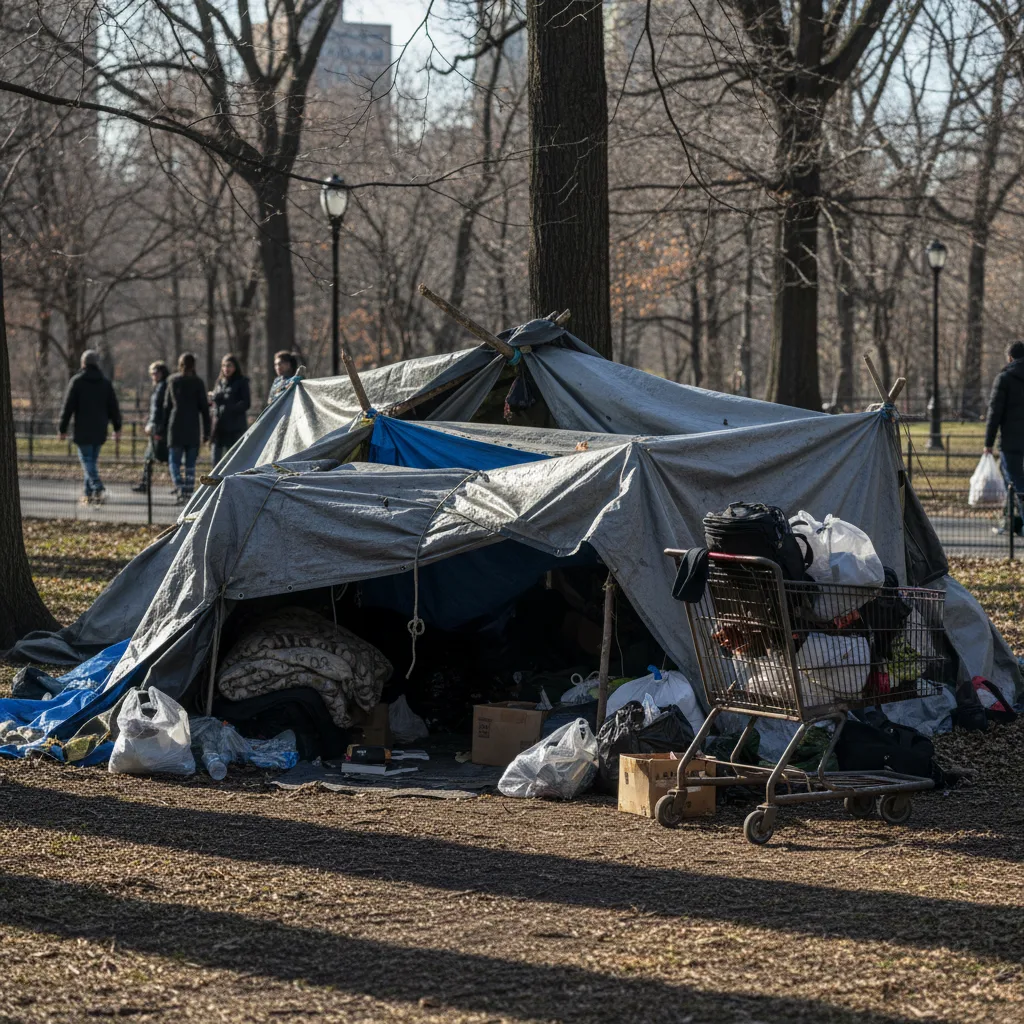
NYC Homeless Encampments Spotted Across Manhattan, Raising Concerns
Multiple homeless encampments have been spotted across Manhattan, raising significant concerns about urban policy and public safety. City officials are under pressure to address the growing homelessness crisis.
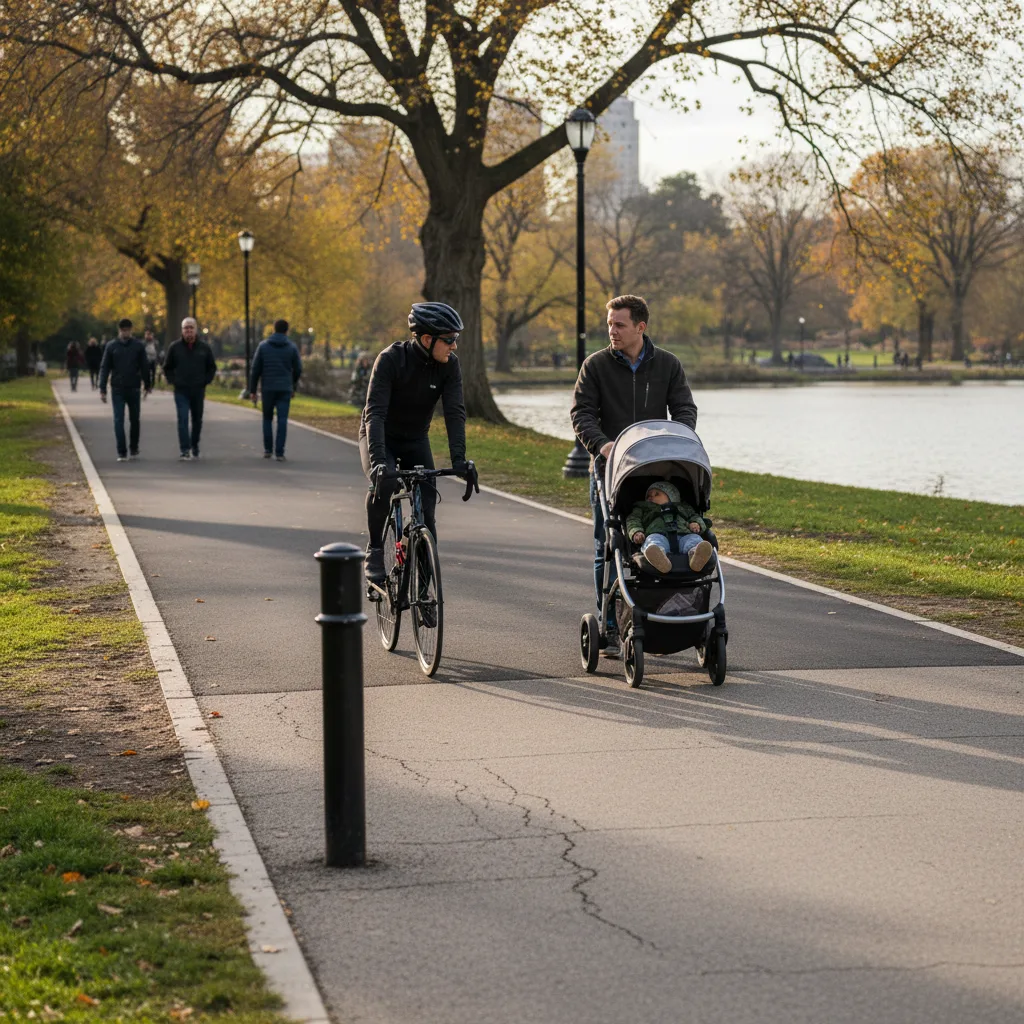
Safety Advocate Blames Park Redesign for Rising Central Park Cyclist Crashes
Safety advocates blame recent Central Park redesigns for a pedestrian's death and rising cyclist crashes, calling for urgent review of infrastructure.
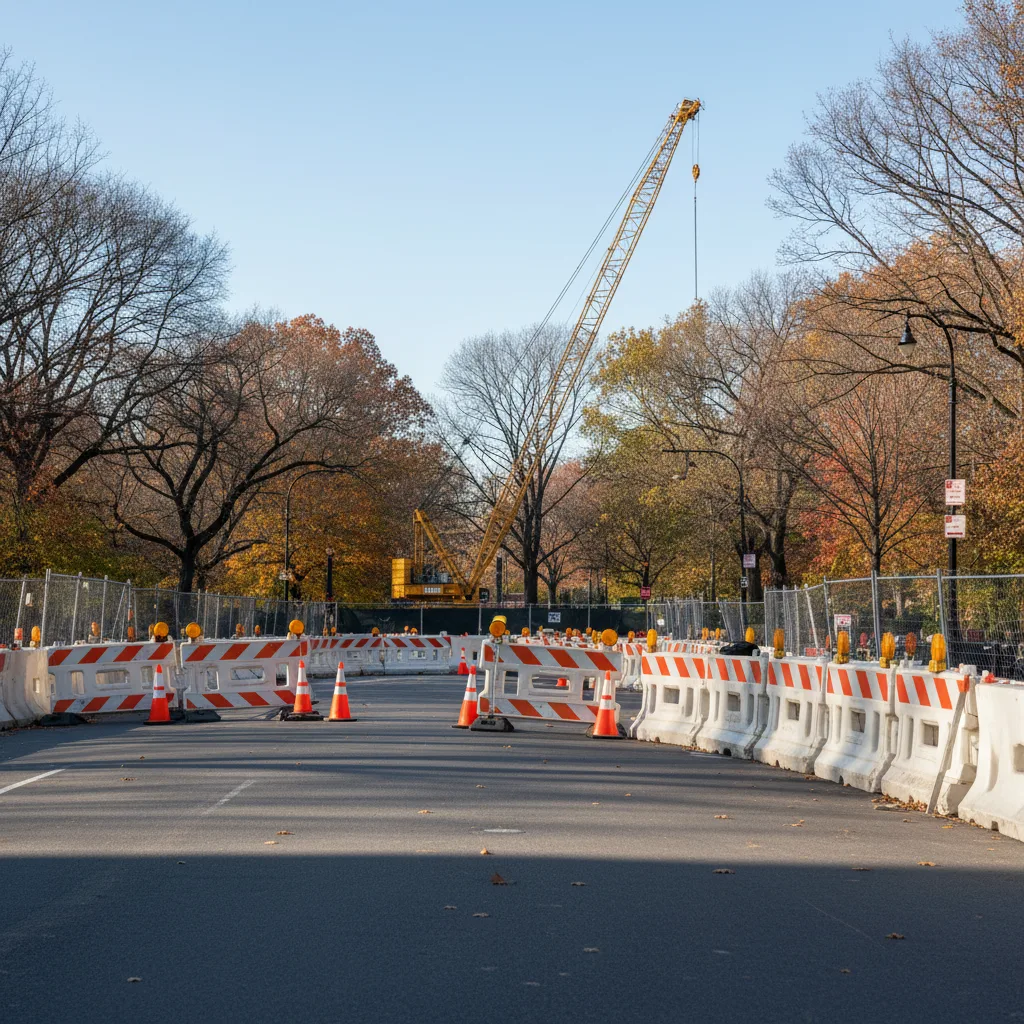
NYC DOT Advises Central Park Area Traffic Disruptions September 27
NYC DOT issued advisories for major traffic disruptions near Central Park on September 27, 2026, due to a parade and crane operations. Expect delays.
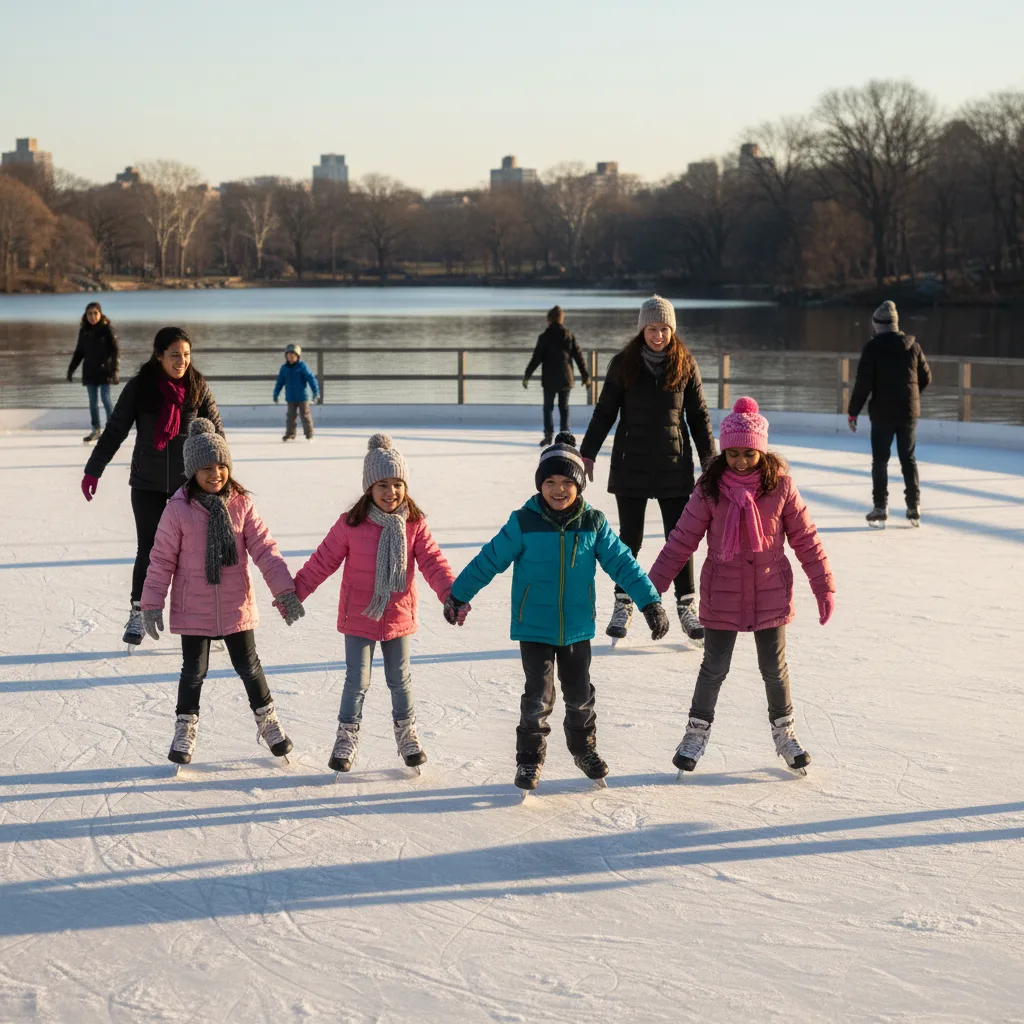
Davis Center at Harlem Meer Unveils State-of-the-Art Facilities
The new Davis Center at the Harlem Meer in Central Park's north end now features a state-of-the-art pool, ice rink, and multi-use turf field, enhancing community recreational options.

NYC City Record Confirms September 21, 2026, Publication Schedule
The NYC City Record confirmed its September 21, 2026, publication schedule, detailing administrative notices, procurement, and public hearings. This ensures transparency for municipal operations and public access to vital city information.