


NYC Plans Dozens of "No Kings" Marches Near Central Park

NEW YORK — New York City is bracing for an unprecedented wave of political activism, with plans for dozens of "No Kings" marches scheduled for Saturday, March 28, 2026. The main rallying point is set to be 7th Avenue and Central Park South, just blocks from Trump Tower, according to organizers. This strategic location underscores the pointed nature of the demonstrations, described by Audacy as a "sharp rebuke of Trump."
The city's various law enforcement and public safety agencies have been coordinating extensively in anticipation of these widespread events. Officials are preparing for significant crowd management, traffic disruptions, and ensuring the safety of both participants and the wider public. The scale of the planned protests highlights a concerted effort by activist groups to make their voices heard across the metropolitan area.
Strategic Location and Symbolic Significance
The choice of 7th Avenue and Central Park South as the primary assembly point is highly symbolic and logistical. Its proximity to Trump Tower positions the protest directly within the immediate sphere of its target, maximizing visibility and media attention. This location has historically been a flashpoint for political demonstrations in New York City due to its high traffic and iconic status.
Central Park South offers ample space for initial gathering before potential marches proceed into other areas of Midtown Manhattan. Organizers believe this central, highly visible spot will ensure the largest possible turnout and impact for their message. The intersection's role as a gateway to both the park and major thoroughfares makes it ideal for public expression.
Unprecedented Scale of Coordinated Action
Officials indicated that the sheer number of planned demonstrations across the city represents a significant organizational feat by activist groups. Dozens of separate but coordinated marches are expected to converge on or traverse key Manhattan arteries. This distributed approach aims to create a pervasive presence across the city, making it difficult for the public to ignore the movement's message.
Each march, while contributing to the larger "No Kings" movement, may also highlight specific sub-issues pertinent to its organizers. This allows for a broad spectrum of concerns to be addressed under a unifying banner of dissent. The city's preparation involves coordinating responses to multiple simultaneous events, a complex logistical challenge.
City Agencies Prepare for Logistics and Public Safety
New York City agencies, including the NYPD, Department of Transportation (DOT), and the Mayor's Office of Citywide Event Coordination and Management, have been in extensive planning meetings. Their focus is on ensuring public safety, maintaining order, and managing the inevitable traffic and pedestrian disruptions. Temporary street closures and altered bus routes are anticipated in affected areas, particularly around Central Park and Midtown.
Emergency services are also on high alert, with plans in place to respond quickly to any medical incidents or unforeseen circumstances. The goal is to facilitate peaceful assembly while minimizing inconvenience to non-participants and ensuring essential city services remain operational. The city's experience with large-scale events provides a framework for managing these protests.
Organizer Statements and Messaging Clarity
Representatives for the "No Kings" movement have publicly reiterated their commitment to peaceful protest and civil disobedience. They emphasized that the demonstrations are intended to be a powerful, visual expression of democratic rights and a call for policy changes. Organizers aim to project a unified message of opposition and a demand for accountability from the federal administration.
Public statements from organizers highlighted the importance of diverse participation and the collective power of citizens gathering to voice their concerns. The Audacy report underscores the direct political nature of these protests. Learn more about the planned rallies here.
Impact on Central Park Access and Local Commute
While the primary rallying point is on the periphery, the sheer volume of planned marches could affect access to Central Park throughout the day. Pedestrian traffic around park entrances, particularly on the southern side, is expected to be significantly heavier. Park visitors are advised to check local news for real-time updates on access points and potential detours.
Commuters traveling through Midtown Manhattan, especially those using public transportation or personal vehicles, should anticipate significant delays. The DOT will issue advisories regarding street closures and alternative routes. The city encourages residents to utilize subway services where possible, as subway lines are less affected by surface-level demonstrations.
Frequently Asked Questions About NYC Protest Planning
How do protest organizers obtain permits for such large events? Organizers for large protests in NYC typically apply for permits through the Mayor's Office of Citywide Event Coordination and Management, often involving the NYPD and DOT for approval of routes and crowd control measures. This process ensures safety and logistical coordination for events near Central Park and other major landmarks. What is the city's protocol for managing multiple simultaneous protests? The city's emergency management and law enforcement agencies have established protocols for managing multiple simultaneous protests, which include dividing resources, designating incident commanders for each event, and maintaining centralized communication hubs. The goal is to ensure a coordinated response across all affected areas. Will all Central Park entrances be affected? While the main rally is near Central Park South, it is unlikely all park entrances will be directly affected, though increased pedestrian traffic is expected around demonstration areas. Visitors should consult official city channels for real-time information on park access. How do local businesses near Trump Tower prepare for protests? Businesses near high-profile protest locations like Trump Tower often take precautionary measures, such as adjusting operating hours, securing outdoor seating, and increasing staff presence. They also typically monitor local news and police advisories for updates on potential disruptions. What public resources are available for real-time protest information? New Yorkers can access real-time information on protests, street closures, and transit changes through official city websites, NYPD social media channels, and local news outlets. Signing up for city alert systems can also provide timely updates on significant events affecting Central Park and wider city areas.
Related Articles
More in Urban Policy & Development →
NYC Mayor Mamdani Booed at Union Square October 7 Vigil
Mayor Mamdani faced boos and protests at a Union Square vigil Thursday marking the Oct. 7 attacks, highlighting deep community divisions in NYC.
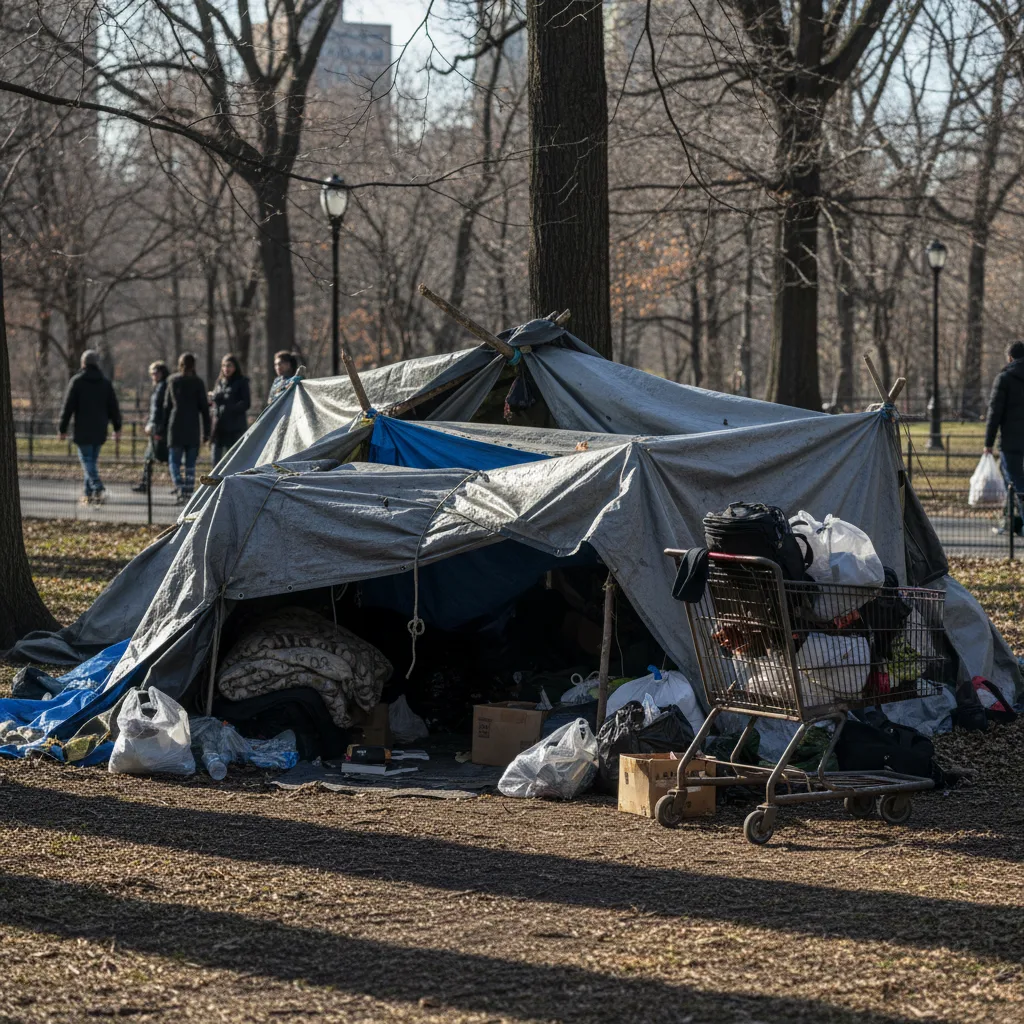
NYC Homeless Encampments Spotted Across Manhattan, Raising Concerns
Multiple homeless encampments have been spotted across Manhattan, raising significant concerns about urban policy and public safety. City officials are under pressure to address the growing homelessness crisis.
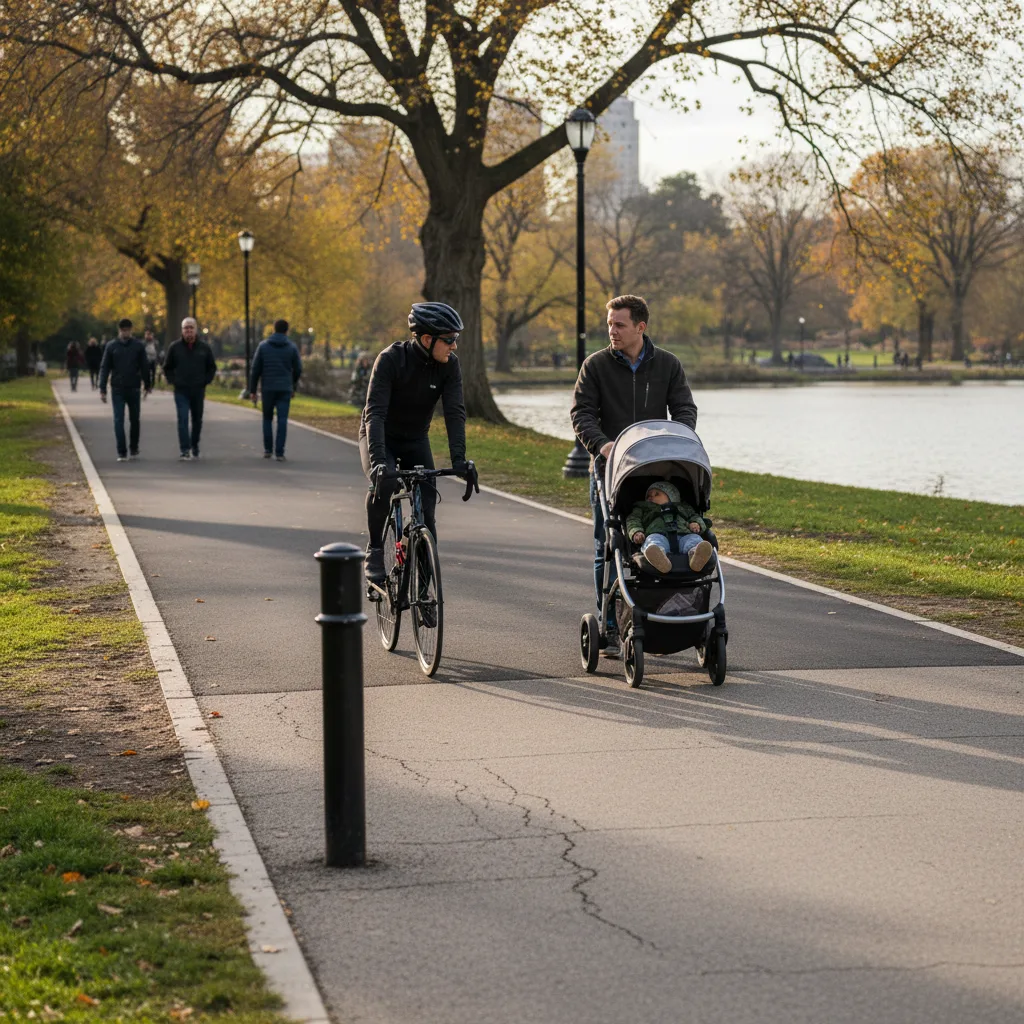
Safety Advocate Blames Park Redesign for Rising Central Park Cyclist Crashes
Safety advocates blame recent Central Park redesigns for a pedestrian's death and rising cyclist crashes, calling for urgent review of infrastructure.
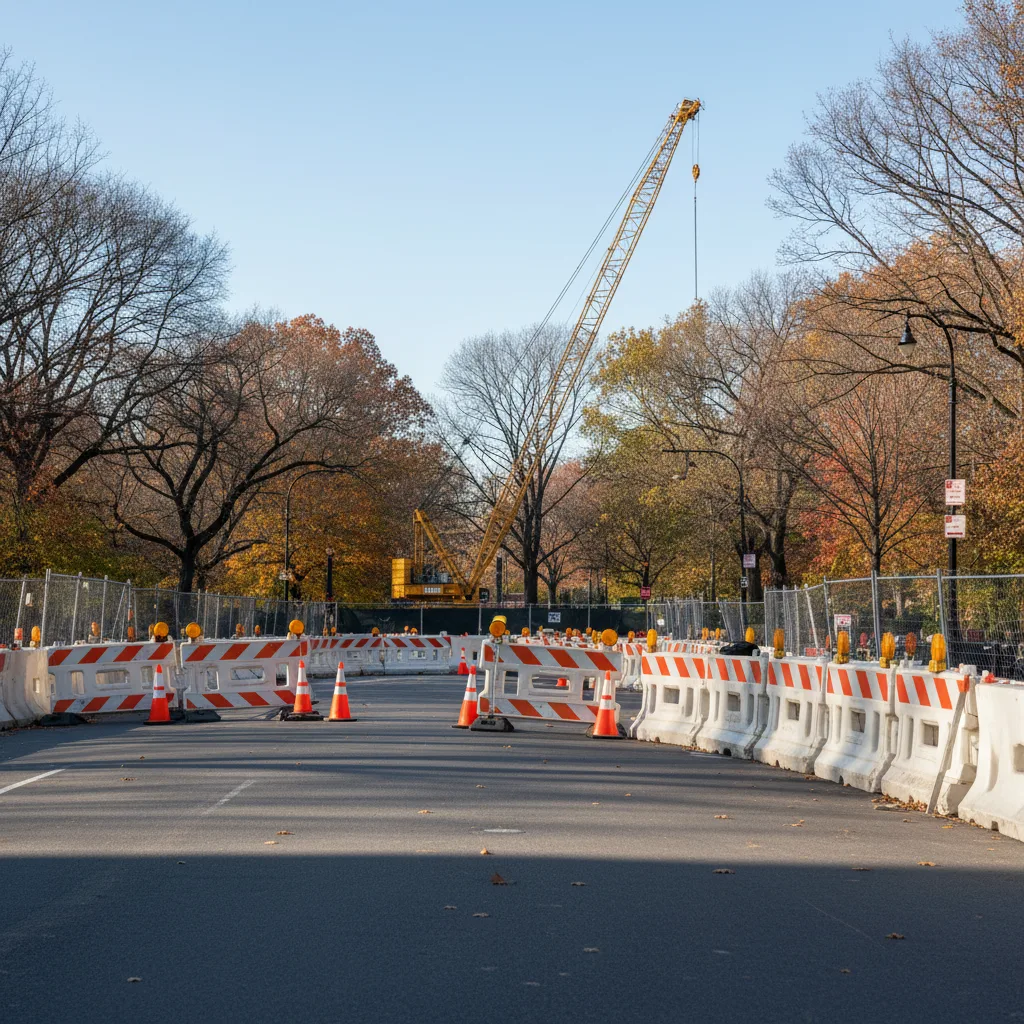
NYC DOT Advises Central Park Area Traffic Disruptions September 27
NYC DOT issued advisories for major traffic disruptions near Central Park on September 27, 2026, due to a parade and crane operations. Expect delays.

Davis Center at Harlem Meer Unveils State-of-the-Art Facilities
The new Davis Center at the Harlem Meer in Central Park's north end now features a state-of-the-art pool, ice rink, and multi-use turf field, enhancing community recreational options.

NYC City Record Confirms September 21, 2026, Publication Schedule
The NYC City Record confirmed its September 21, 2026, publication schedule, detailing administrative notices, procurement, and public hearings. This ensures transparency for municipal operations and public access to vital city information.