


NYPD Enforces Central Park Traffic Regulations, Public Debates

NEW YORK — The New York Police Department (NYPD) continues to enforce traffic laws and parking regulations in and around Central Park, a perennial topic of discussion among city residents and advocacy groups. This enforcement ensures public safety while managing the complex flow of vehicles and pedestrians traversing the park's perimeter and controlled access roads. Recent public discourse, including a notable exchange documented by Streetsblog New York, highlights ongoing debates about the effectiveness and scope of these regulations.
The NYPD's role extends beyond traditional crime prevention to include managing vehicular movement, issuing summonses for infractions, and responding to accidents. The specific challenge within Central Park involves balancing access for essential services, permitted vehicles, and the vast numbers of pedestrians and cyclists who use the park daily. This creates a unique regulatory environment that requires constant oversight and adaptation.
Understanding Central Park's Unique Traffic Rules
Central Park operates under specific traffic regulations designed to prioritize pedestrian and cyclist safety. Most of the park's internal roads are entirely car-free, with vehicle access generally restricted to perimeter roads, transverse roads, and for official park business or emergency services. Enforcement focuses on preventing unauthorized vehicle entry, speeding, and illegal parking along the park's edges.
Parking in the vicinity of Central Park is notoriously challenging, with strict regulations and limited availability. The NYPD diligently patrols these areas, issuing summonses for violations ranging from expired meters to blocking fire hydrants. The aim is to maintain traffic flow, ensure emergency access, and manage the high demand for parking spots in a dense urban environment, according to NYPD Traffic Enforcement officials.
Public Dialogue on Enforcement Practices
A recent piece in Streetsblog New York brought attention to public scrutiny regarding NYPD's traffic enforcement in the city, with specific implications for park-adjacent areas. The article referenced a direct quote, "Have you checked with NYPD?" in response to inquiries about traffic law enforcement, emphasizing the department's role in this domain. This exchange underscores a public desire for transparency and accountability in traffic management.
Advocacy groups often raise concerns about perceived inconsistencies in enforcement or the impact of certain regulations on local businesses and residents. The dialogue frequently revolves around the balance between strict adherence to traffic laws and the practical needs of a bustling city. The NYPD maintains that its enforcement actions are consistent and data-driven, aimed at reducing accidents and improving urban mobility, as detailed in various Streetsblog New York articles.
The Role of NYPD in Central Park Safety
Beyond traffic and parking, the NYPD plays a critical role in the overall safety and security of Central Park. Officers assigned to the Central Park Precinct are responsible for patrolling the entire 843-acre expanse, responding to incidents, and ensuring public order. Traffic enforcement along the park's periphery directly contributes to this broader mission by managing the interfaces between urban streets and the park's recreational areas.
Illegal parking and traffic violations near park entrances can obstruct pedestrian flow, create hazards for cyclists, and impede emergency vehicle access. Therefore, strict enforcement of these seemingly minor infractions is considered a vital component of a comprehensive park safety strategy. The constant presence of NYPD personnel acts as a deterrent for more serious criminal activities.
Future Considerations for Traffic Management
As Central Park continues to be a major destination, the city is constantly evaluating its traffic management strategies. This includes considering new technologies for parking enforcement, potential changes to traffic patterns on surrounding streets, and public education campaigns to promote compliance. The goal is to optimize the experience for all park users and those who live and work nearby.
Community input remains crucial in shaping these policies. Public forums and surveys often gather feedback on areas where traffic enforcement is most needed or where current regulations may be causing undue burden. The NYPD, in conjunction with the Department of Transportation, periodically reviews and updates its enforcement protocols to adapt to changing urban dynamics. Insights from various news outlets like Streetsblog New York City contribute to this ongoing public discussion.
FAQs on Central Park Traffic & Parking
Are cars allowed inside Central Park? Generally, most internal roads within Central Park are car-free to prioritize pedestrians and cyclists. Vehicles are restricted to the four transverse roads that cross the park (97th, 86th, 79th, and 65th Streets), and certain perimeter roads. Access for maintenance, emergency services, and permitted vehicles is strictly controlled. This policy aims to maintain the park's tranquil environment and enhance safety for non-vehicular traffic.
Where can I park when visiting Central Park? Parking options near Central Park include metered street parking, which can be scarce, and various commercial parking garages located around the park's perimeter. Visitors are advised to check parking availability and rates in advance, especially during peak seasons. Public transportation is highly recommended as the most convenient way to reach Central Park, reducing the need for parking altogether. Illegal parking is strictly enforced.
How does the NYPD enforce parking near Central Park? The NYPD's Traffic Enforcement Division regularly patrols the streets surrounding Central Park. They issue summonses for a wide range of violations, including illegal parking, expired meters, blocking hydrants or crosswalks, and double-parking. Enforcement is consistent to ensure traffic flow and public safety in these heavily congested areas. Towing services are also utilized for severe or repeated infractions to maintain order and accessibility.
What are the consequences of traffic violations near Central Park? Consequences for traffic violations can range from monetary fines and surcharges to points on a driver's license. More serious offenses, such as reckless driving or unauthorized entry into car-free zones, could lead to higher penalties, vehicle impoundment, or even criminal charges. The specific penalties depend on the nature and severity of the infraction, as well as prior driving history. It is important to adhere to all posted signs and regulations.
Related Articles
More in Safety & Crime →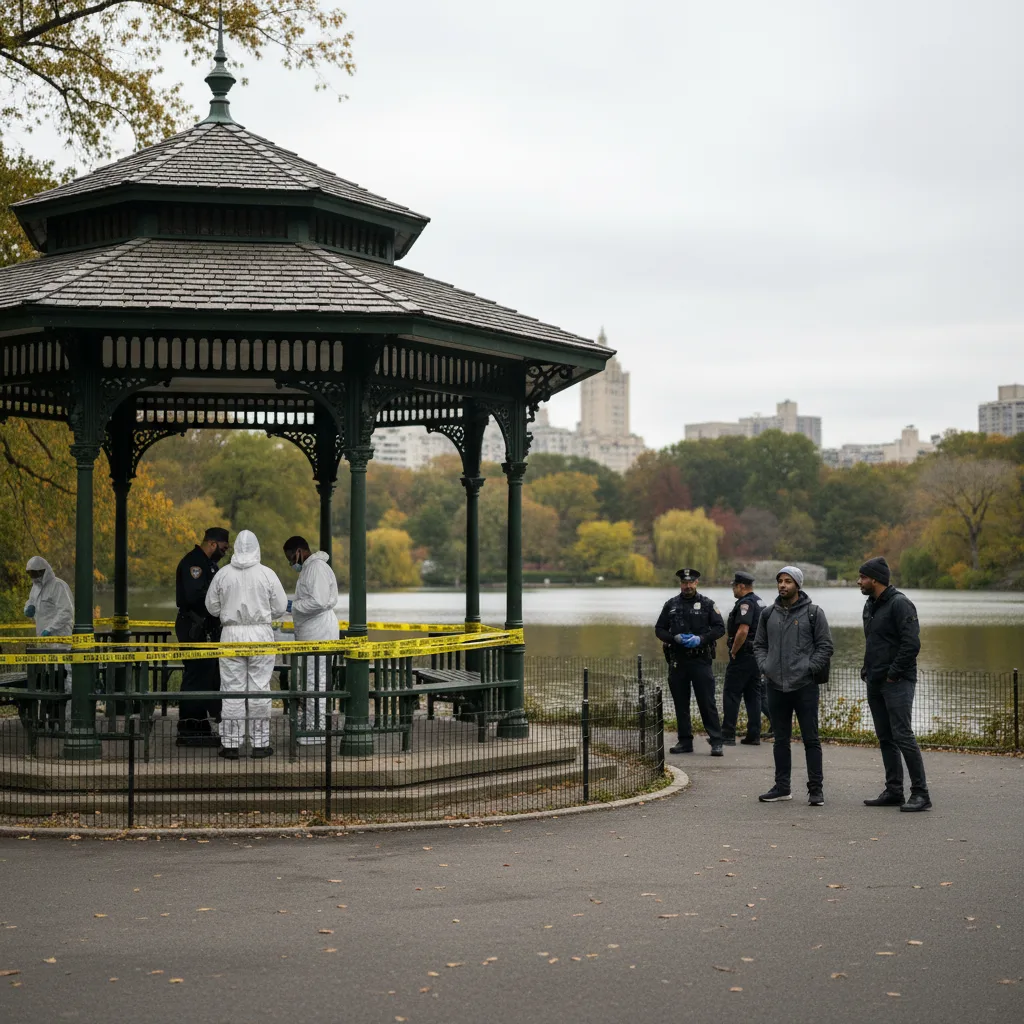
Central Park Woman Found Dead Near Boathouse Gazebo
A woman was found stabbed to death in a Central Park gazebo near the Boathouse on Sunday, prompting an active NYPD homicide investigation.
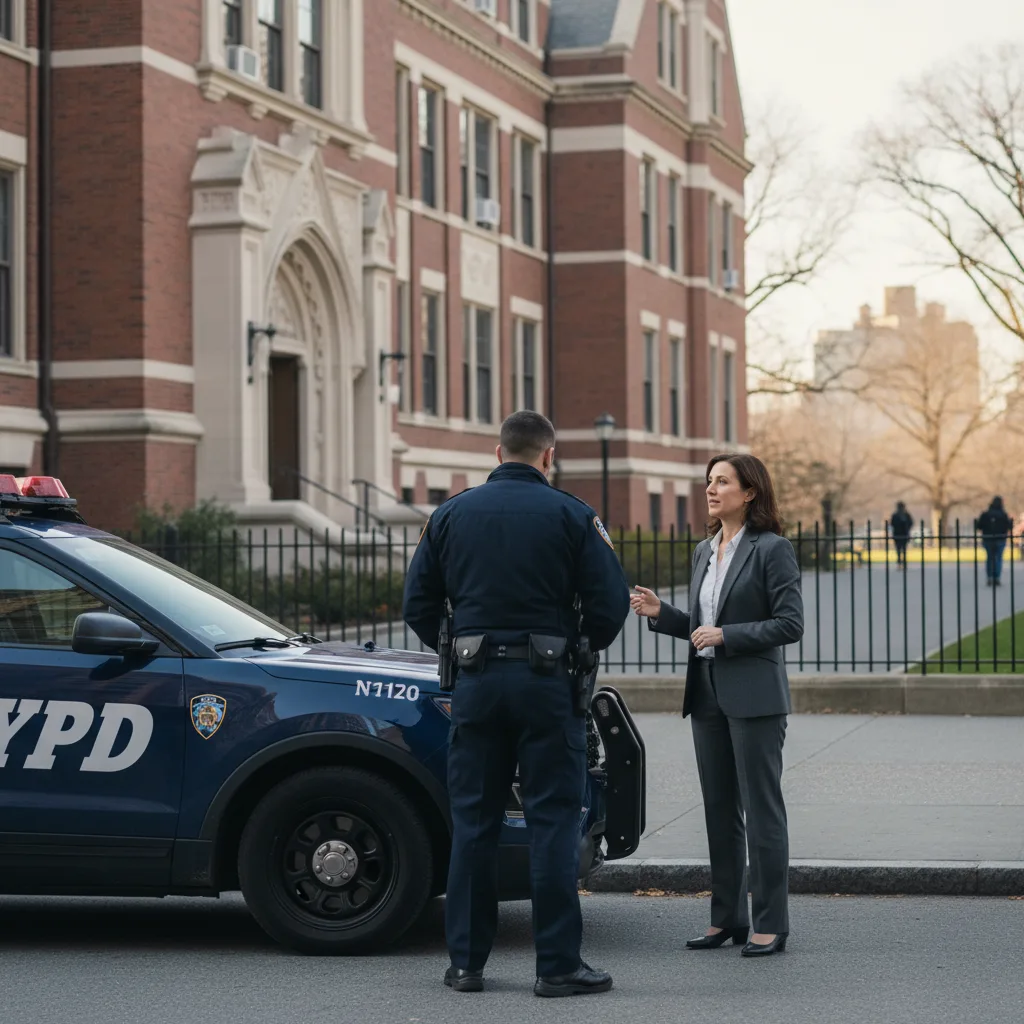
Queens Student Arrested for Bringing Gun to High School
A Queens student was arrested for bringing a gun to high school, prompting immediate law enforcement action and raising school safety concerns.
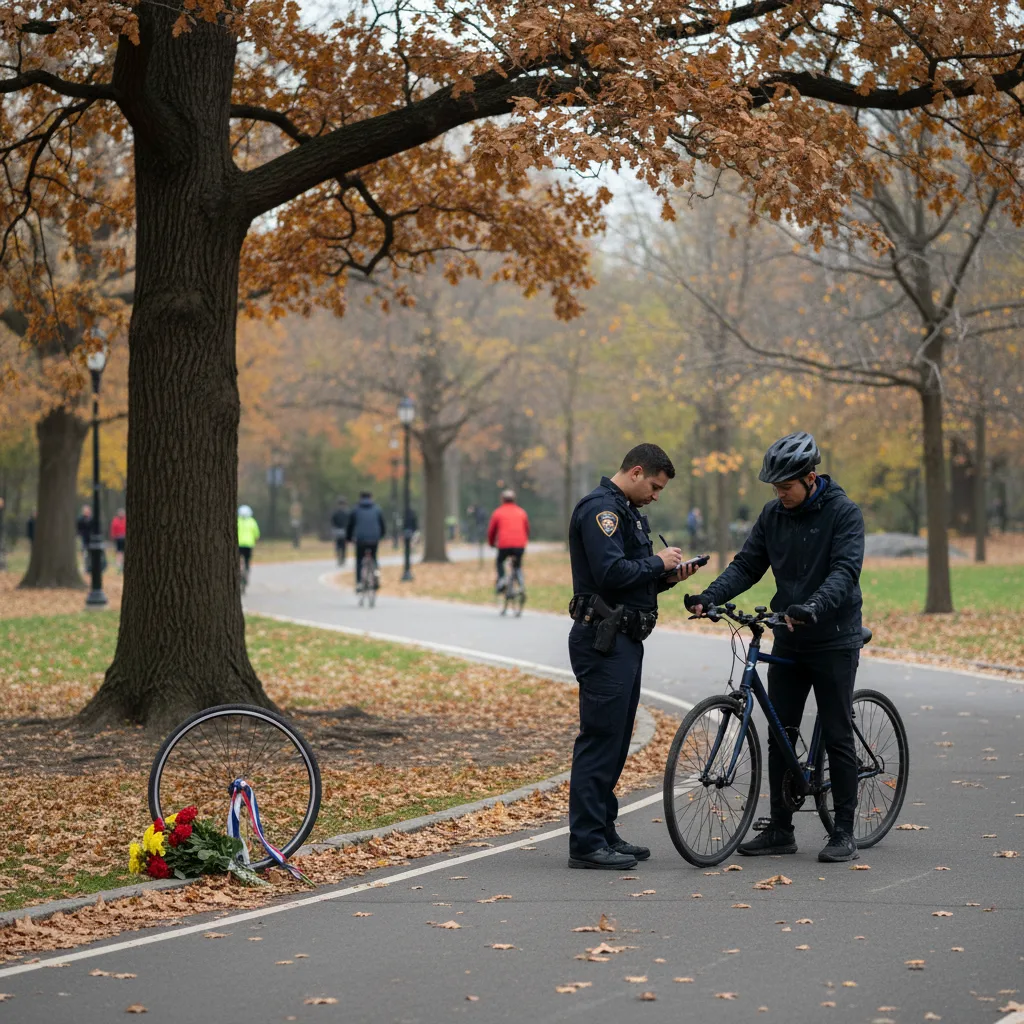
NYC Cyclist Death Prompts NYPD Ticketing Near Fatal Crash Site
NYPD stepped up cyclist ticketing near a recent fatal crash site in Central Park after a cyclist died Monday morning. Local groups demand safety reforms.
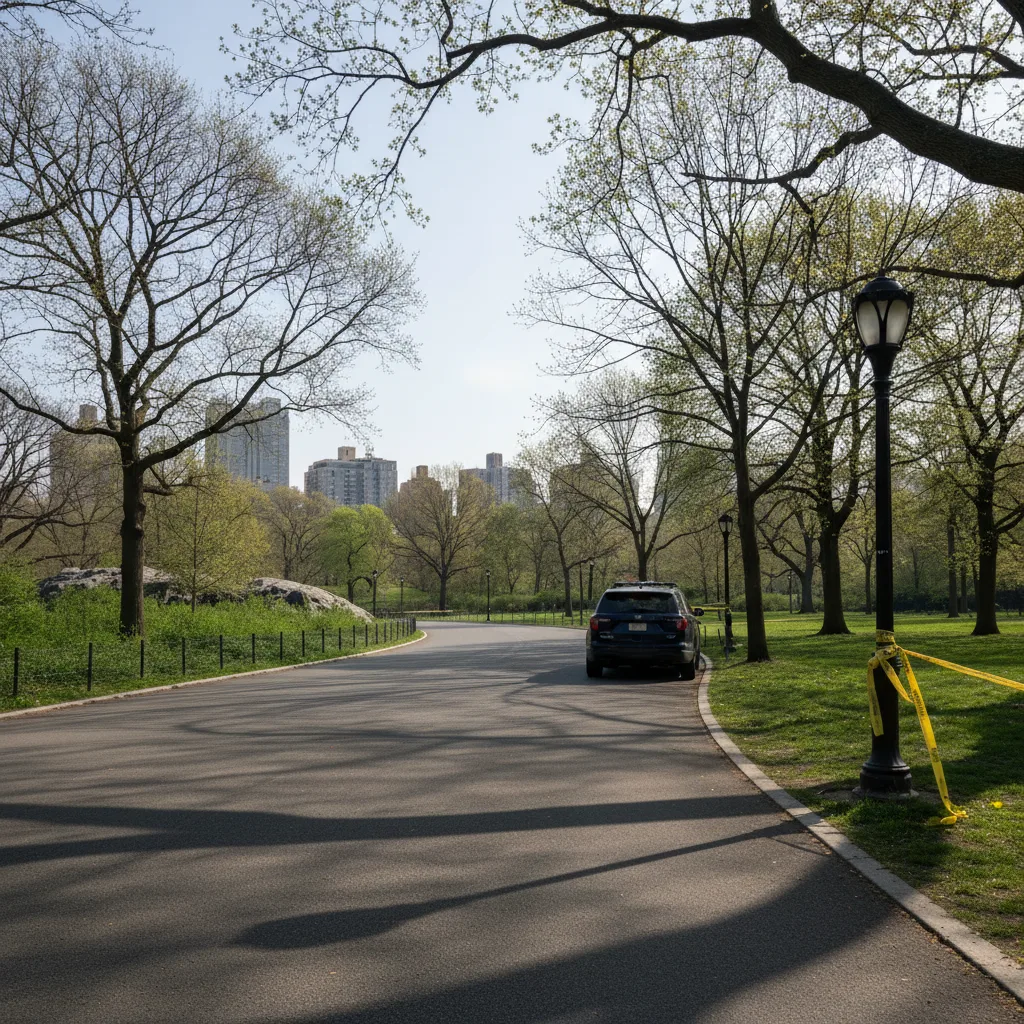
NYPD Confirms 71-Year-Old Cyclist Dies After Dog Collision in Central Park
NYPD confirms a 71-year-old cyclist died after colliding with a dog on Central Park's East Drive, near East 84th Street. The investigation is ongoing.
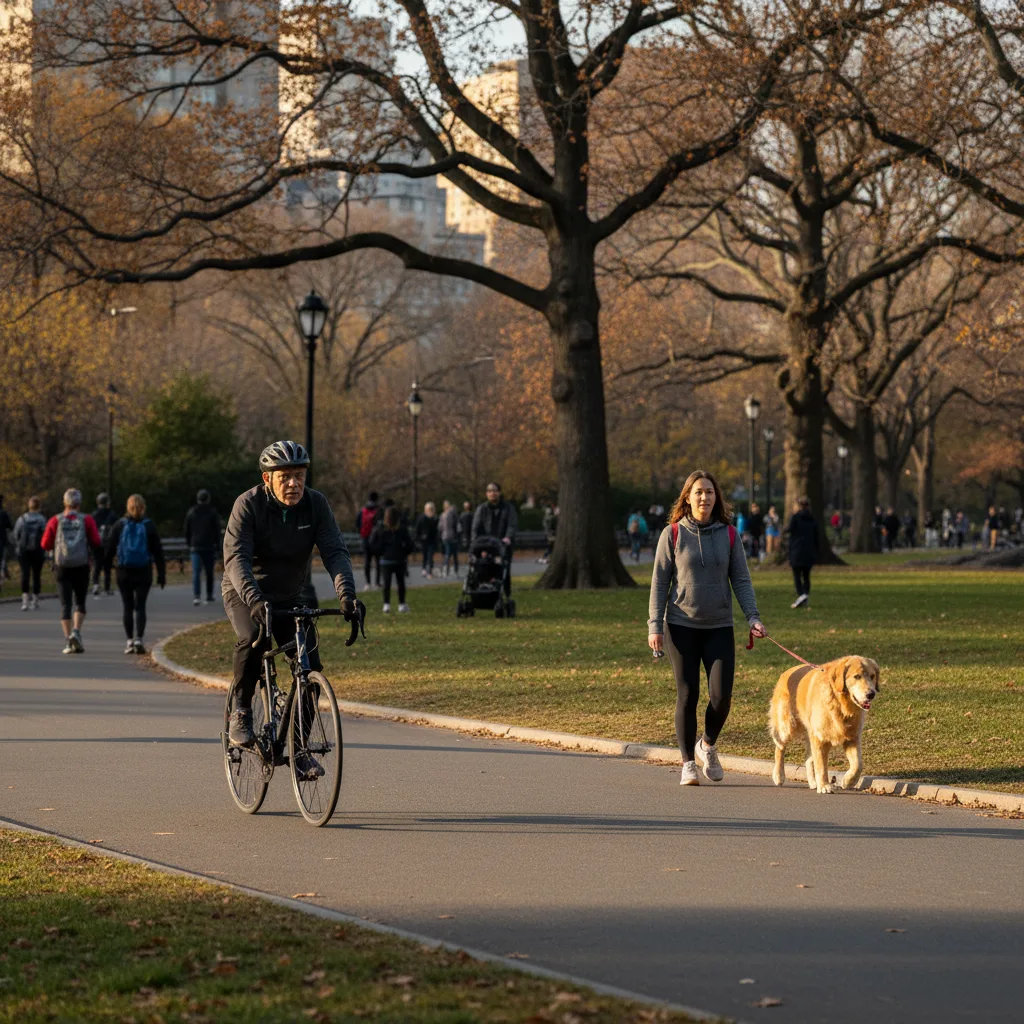
NYPD Investigates Central Park Cyclist Death After Dog Collision
NYPD confirms a 71-year-old cyclist died after colliding with a dog on Central Park's East Drive, near 84th Street. Investigation ongoing.
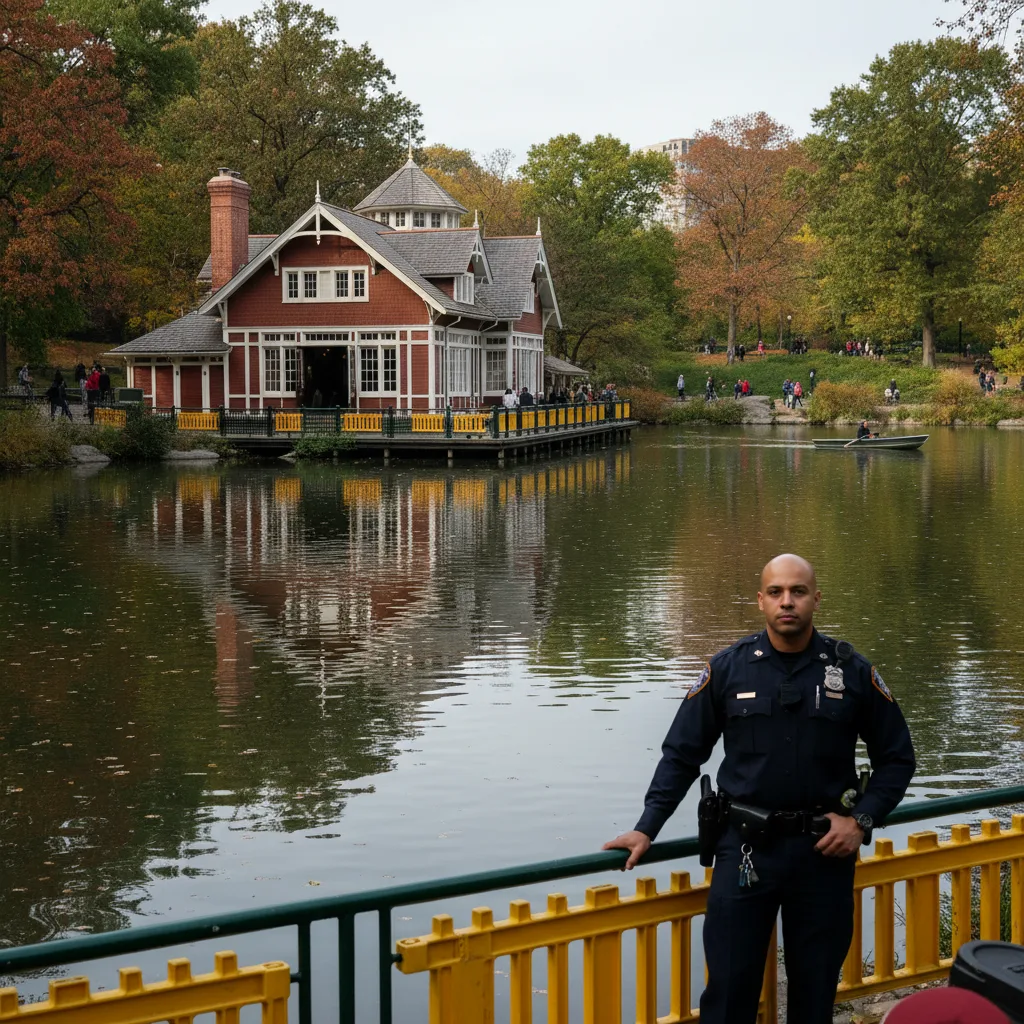
Man Charged in Central Park Beating Death of 63-Year-Old Woman
A 36-year-old man was charged with murder after a 63-year-old woman was found dead with head trauma in Central Park, NYPD confirmed.