


OPINION: On Fifth Avenue, Pedestrians Must Come First

In a pivotal moment for urban design, New York City is witnessing discussions around how to prioritize pedestrian experience on Fifth Avenue, a critical junction that leads into Central Park. In recent years, pedestrian safety and accessibility have gained momentum among community leaders and stakeholders, culminating in the Future of Fifth Partnership initiative. The vision aims to create a more walkable and engaging environment for millions who traverse this important thoroughfare.
The Need for Change
Fifth Avenue has long been celebrated for its grand architecture and vibrant culture, but it struggles with the realities of vehicular congestion and pedestrian safety issues. As urban planners and local businesses engage in dialogue, it becomes explicitly clear that safety must take precedence. Measures proposed include raising crosswalks, widening sidewalks, and upgrading the aging underground infrastructure, thereby enhancing the pedestrian experience.
Moreover, significant attention is being directed toward accessibility concerns for the disabled. Advocates emphasize that creating an environment where everyone, irrespective of physical capabilities, can enjoy Fifth Avenue and access Central Park is paramount.
Sustainable Development Goals
Part of the Future of Fifth initiative aligns with broader sustainability goals—encouraging visitors to walk rather than drive. This not only improves public health but also reduces the carbon footprint. A pedestrian-friendly Fifth Avenue will serve as a model for cities worldwide aiming to balance urban life with green initiatives.
The collaboration involves local businesses, city agencies, and advocacy groups who are all invested in fostering a vibrant urban setting. As the discussions unfold, community input and feedback will be invaluable in shaping the final plan.
This initiative represents a shift in mindset—where city planners prioritize the experiences of pedestrians over vehicles, especially on thoroughfares that lead to vital spaces like Central Park.
Key Points
- Safety First: Address pedestrian safety through infrastructure improvements.
- Community Engagement: Collective effort by stakeholders encourages civic participation.
- Sustainable Practices: Encouraging walking contributes to environmental goals.
Conclusion
The Future of Fifth Partnership is not just about making streets walkable; it's about reimagining how New Yorkers interact with their city. By placing pedestrians at the forefront, there is a promise to create a more inclusive space that enhances the experience of both visitors and residents alike, ensuring that access to Central Park is as enjoyable and safe as it is vital.
Related Articles
More in Urban Policy & Development →
NYC Mayor Mamdani Booed at Union Square October 7 Vigil
Mayor Mamdani faced boos and protests at a Union Square vigil Thursday marking the Oct. 7 attacks, highlighting deep community divisions in NYC.
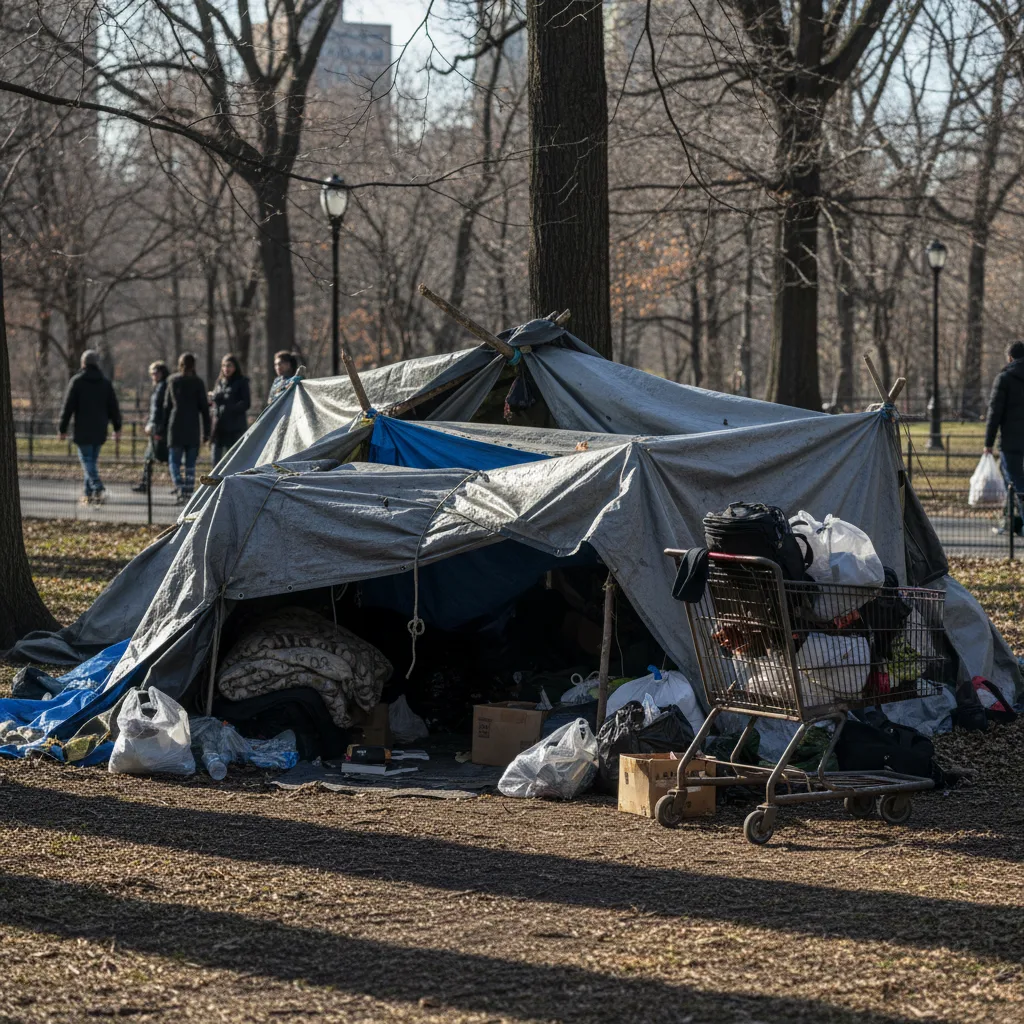
NYC Homeless Encampments Spotted Across Manhattan, Raising Concerns
Multiple homeless encampments have been spotted across Manhattan, raising significant concerns about urban policy and public safety. City officials are under pressure to address the growing homelessness crisis.
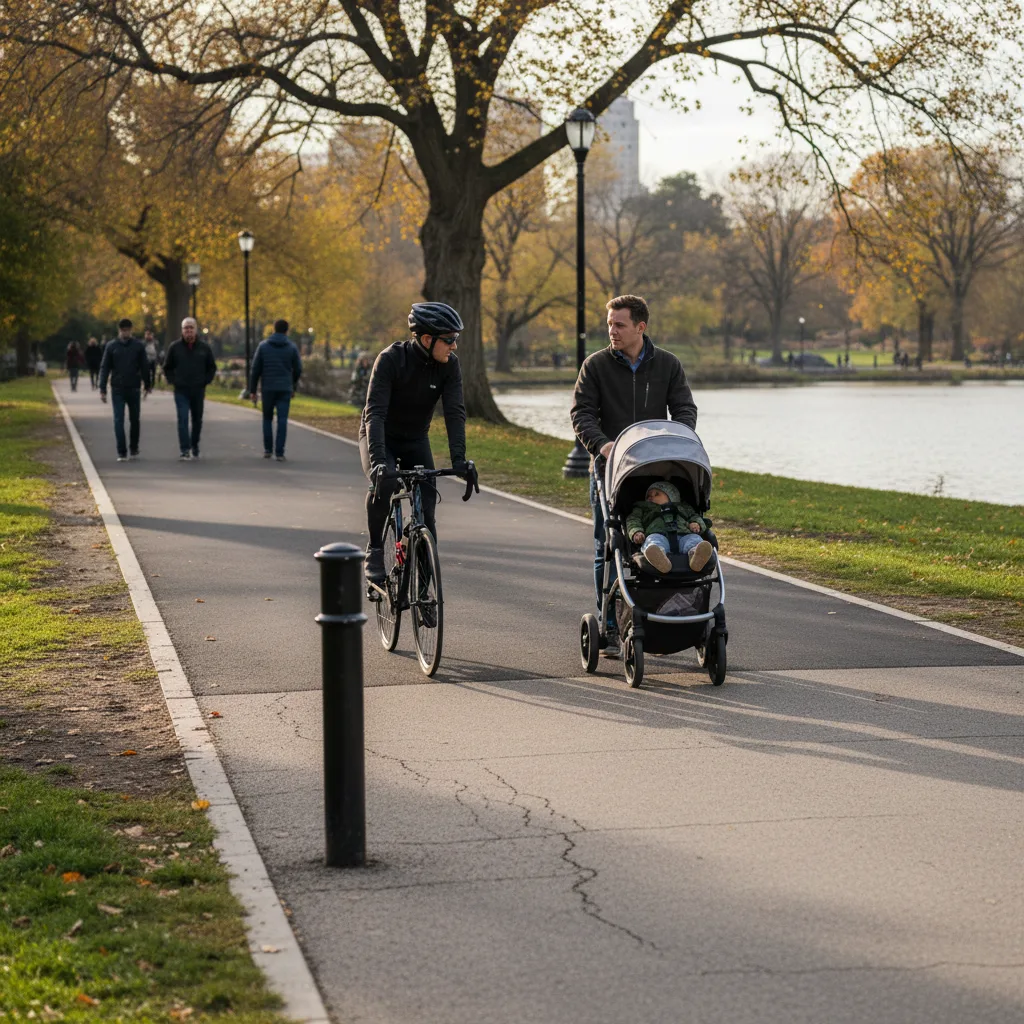
Safety Advocate Blames Park Redesign for Rising Central Park Cyclist Crashes
Safety advocates blame recent Central Park redesigns for a pedestrian's death and rising cyclist crashes, calling for urgent review of infrastructure.
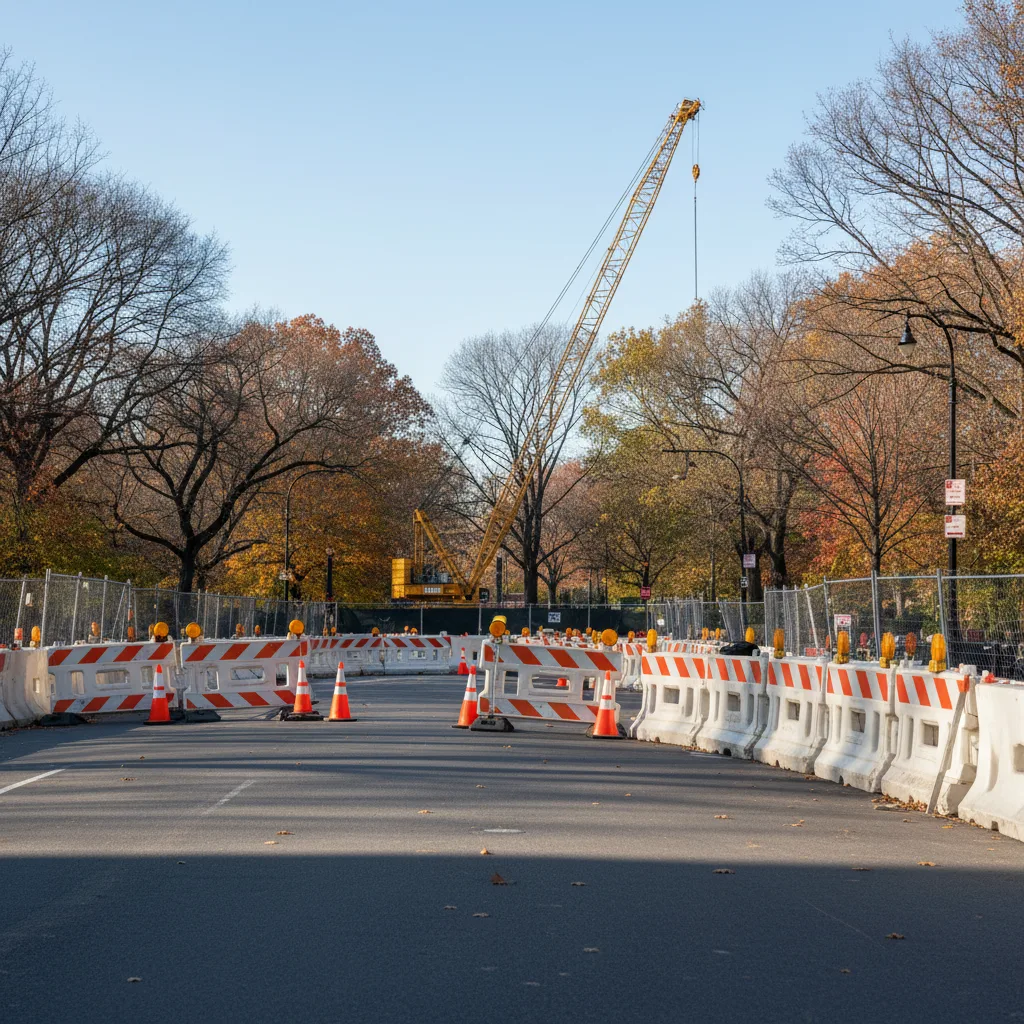
NYC DOT Advises Central Park Area Traffic Disruptions September 27
NYC DOT issued advisories for major traffic disruptions near Central Park on September 27, 2026, due to a parade and crane operations. Expect delays.

Davis Center at Harlem Meer Unveils State-of-the-Art Facilities
The new Davis Center at the Harlem Meer in Central Park's north end now features a state-of-the-art pool, ice rink, and multi-use turf field, enhancing community recreational options.
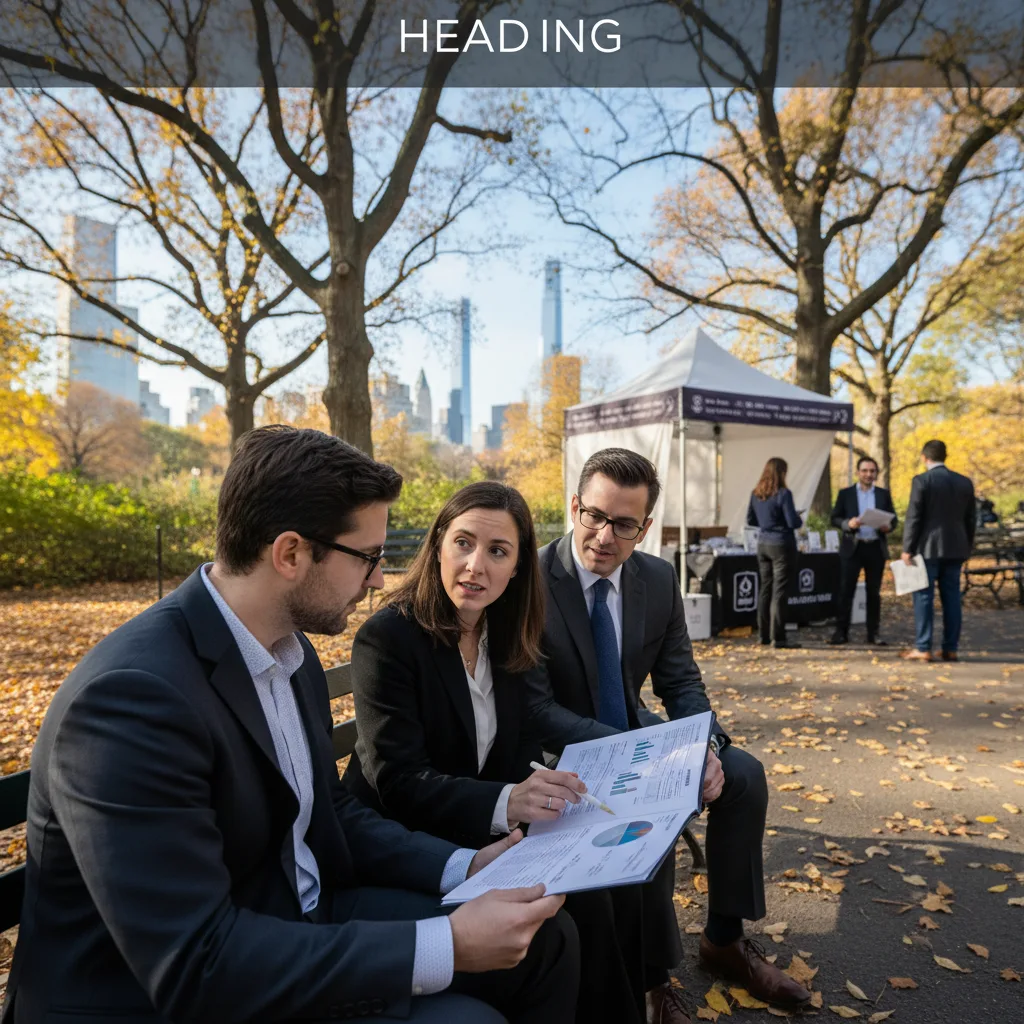
NYC City Record Confirms September 21, 2026, Publication Schedule
The NYC City Record confirmed its September 21, 2026, publication schedule, detailing administrative notices, procurement, and public hearings. This ensures transparency for municipal operations and public access to vital city information.