


Over 3000 US Events Planned: NYC Central Park Protest Focus

NEW YORK — More than 3,000 coordinated events are scheduled across the United States for Saturday, March 28, 2026, with a significant peaceful march originating from Central Park in New York City. This nationwide mobilization is set to protest various national policies, particularly focusing on immigration measures and military intervention abroad. The Central Park demonstration serves as a focal point for the broader movement, drawing attention to critical domestic and international issues, as highlighted by a YouTube report. Explore insights into the nationwide events.
Organizers across the country have collaborated for months to ensure a synchronized expression of dissent, aiming for maximum impact. The New York City event is considered one of the largest and most prominent, reflecting the city's historical role as a center for activism and social change. Its peaceful nature is consistently emphasized by advocacy groups and city officials alike.
Central Park: A Nexus for National Dialogue
Central Park's role as the launchpad for a major march underscores its enduring significance as a public forum for civic engagement. The park's vast landscape provides an ideal setting for large gatherings, attracting national media coverage that amplifies the movement's objectives. Participants expressed pride in utilizing such an iconic space for their collective voice.
The march from Central Park is part of a deliberate strategy to anchor the national conversation in a globally recognized city. Its peaceful intentions, as repeatedly stated by organizers, aim to counter potential negative narratives and highlight the serious intent behind the demonstrations. This focus on orderly conduct is crucial for maintaining public support and achieving long-term goals.
Key Issues: Immigration and International Policy
The March 28 nationwide events specifically target federal immigration measures, with protesters calling for more humane and equitable policies. Many activists highlight concerns over border enforcement, family separations, and the treatment of asylum seekers. The demonstration seeks to pressure lawmakers into comprehensive immigration reform that prioritizes human rights.
Alongside immigration, the protests also voice strong opposition to ongoing military intervention in Iran. Participants demand a de-escalation of tensions and a diplomatic approach to international relations, warning against potential regional destabilization. The intersection of these two issues reflects a broader anti-war and human rights agenda prevalent among the organizing coalition.
Coordination Across 50 States
The planning for over 3,000 events required an intricate network of local and national organizers across all 50 states. This decentralized yet coordinated approach allowed for regional specificities while maintaining a unified message. Social media and online platforms played a critical role in facilitating communication, resource sharing, and logistical planning among diverse groups.
Training sessions on peaceful demonstration tactics and legal rights were conducted virtually and in-person in the weeks leading up to March 28. This comprehensive preparation aimed to ensure that all events, regardless of size or location, adhered to principles of non-violence and civic responsibility. The sheer scale of coordination speaks to the dedication of activists.
City Response and Public Safety Considerations
New York City authorities, including the NYPD and relevant city departments, have worked closely with protest organizers to ensure the safety and orderly conduct of the Central Park march. A comprehensive public safety plan is in place, addressing crowd control, traffic management, and emergency response. The city's primary goal is to protect free speech while minimizing disruption to daily life.
Temporary street closures and rerouted public transportation services are anticipated in the vicinity of Central Park and along the march route. Residents and visitors are encouraged to consult official city advisories for real-time updates and plan their travel accordingly. The city's proactive approach aims to manage the event smoothly and responsibly.
Frequently Asked Questions About Nationwide Protests
How do organizers coordinate thousands of events across the US? Organizers coordinate thousands of events across the US through extensive use of digital communication platforms, national activist networks, and regional hubs. They often develop shared messaging, strategic goals, and logistical guidelines to ensure coherence and impact across diverse locations, including the Central Park demonstration. What are the specific immigration policies being protested? Protesters are generally targeting federal immigration policies perceived as harsh or inhumane, including increased border enforcement, detention practices, and restrictions on asylum claims. They advocate for comprehensive reform that emphasizes compassion and due process. How does a Central Park protest influence national dialogue? A Central Park protest, especially one linked to a national movement, gains significant media attention due to New York City's status as a global media hub. This amplification helps to project the movement's message to a wider national and international audience, influencing public opinion and political discourse. What measures are taken to ensure the peaceful nature of such a large protest? Organizers implement several measures to ensure peaceful conduct, including training marshals to guide participants, issuing clear guidelines on non-violence, and coordinating closely with law enforcement. The emphasis on peaceful assembly is critical for maintaining the movement's integrity and public support. How can the public get information about changes to local services during protests? The public can receive updates on changes to local services, such as transit reroutes and street closures, through official city websites, the NYPD's social media accounts, and local news outlets. Alerts and advisories are typically issued well in advance for events impacting areas like Central Park.
Related Articles
More in Urban Policy & Development →
NYC Mayor Mamdani Booed at Union Square October 7 Vigil
Mayor Mamdani faced boos and protests at a Union Square vigil Thursday marking the Oct. 7 attacks, highlighting deep community divisions in NYC.
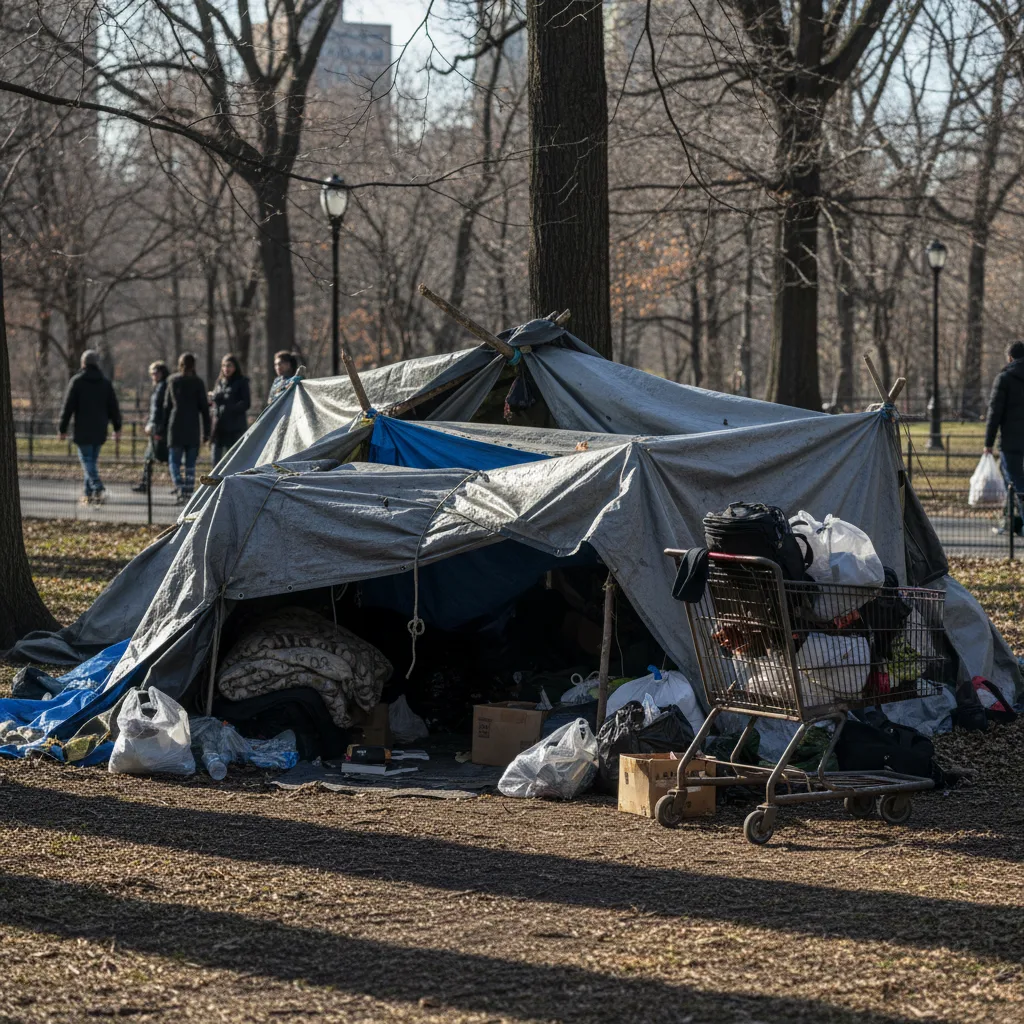
NYC Homeless Encampments Spotted Across Manhattan, Raising Concerns
Multiple homeless encampments have been spotted across Manhattan, raising significant concerns about urban policy and public safety. City officials are under pressure to address the growing homelessness crisis.
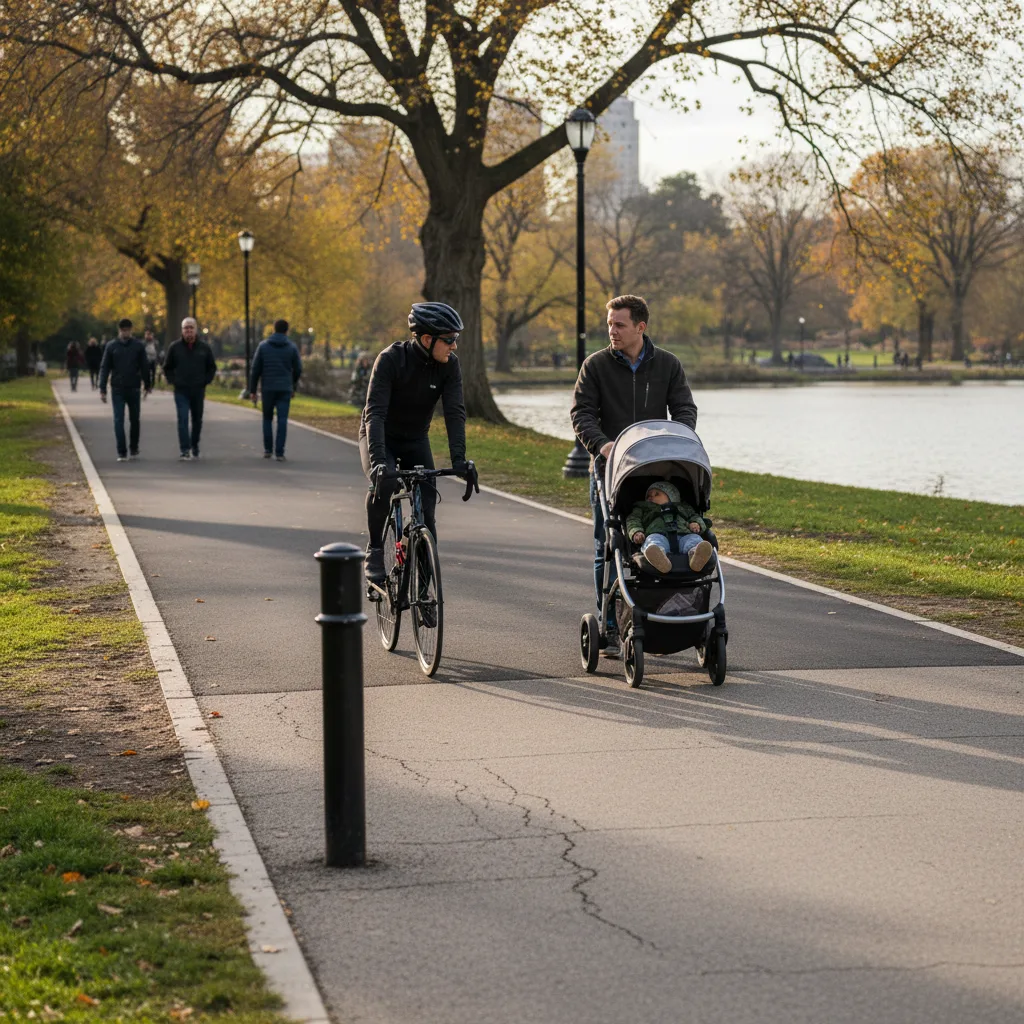
Safety Advocate Blames Park Redesign for Rising Central Park Cyclist Crashes
Safety advocates blame recent Central Park redesigns for a pedestrian's death and rising cyclist crashes, calling for urgent review of infrastructure.
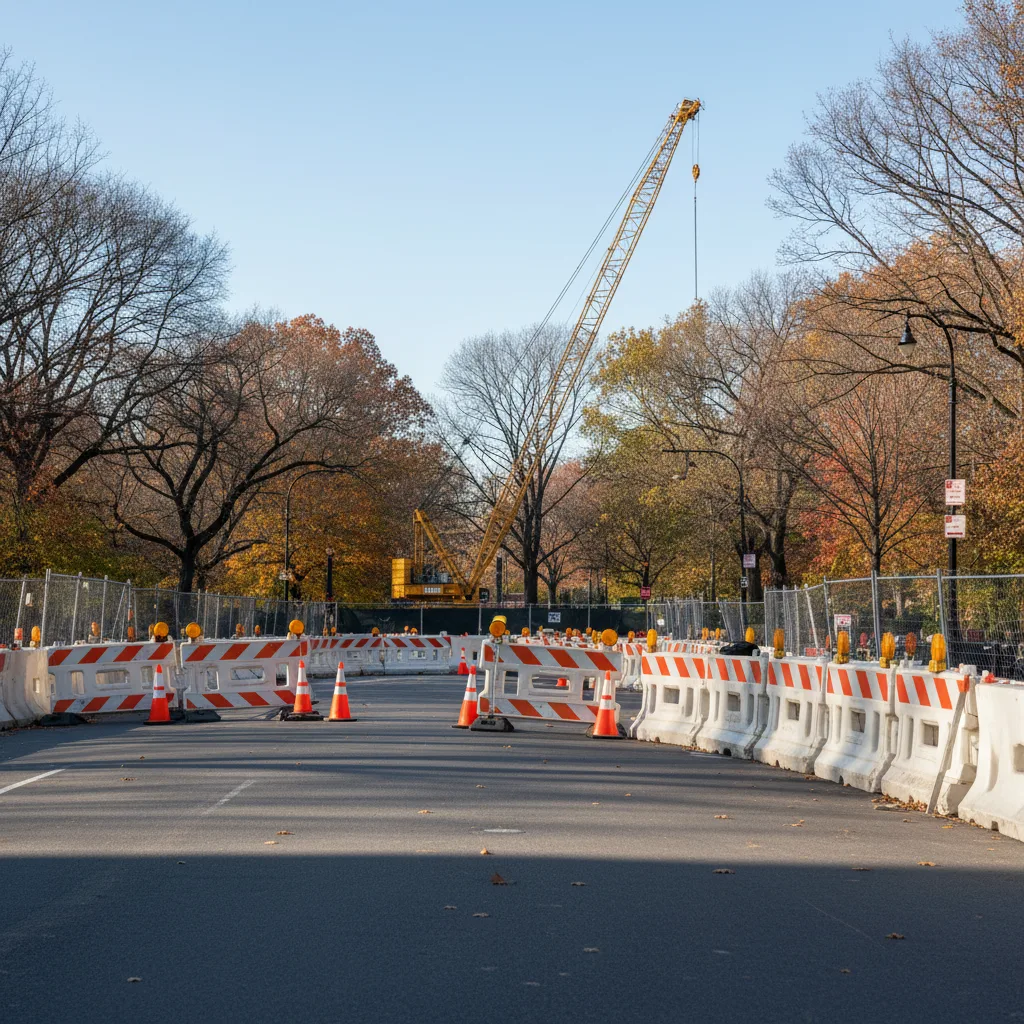
NYC DOT Advises Central Park Area Traffic Disruptions September 27
NYC DOT issued advisories for major traffic disruptions near Central Park on September 27, 2026, due to a parade and crane operations. Expect delays.
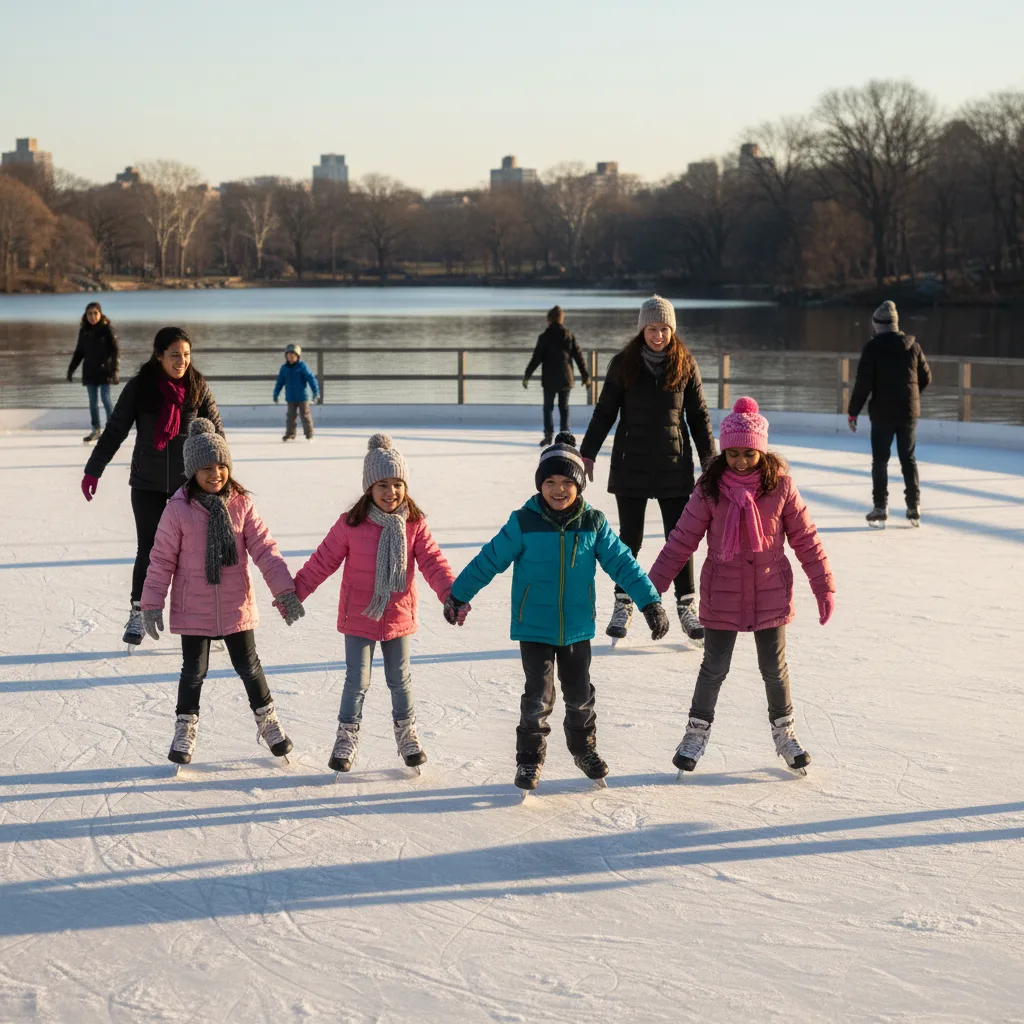
Davis Center at Harlem Meer Unveils State-of-the-Art Facilities
The new Davis Center at the Harlem Meer in Central Park's north end now features a state-of-the-art pool, ice rink, and multi-use turf field, enhancing community recreational options.
NYC City Record Confirms September 21, 2026, Publication Schedule
The NYC City Record confirmed its September 21, 2026, publication schedule, detailing administrative notices, procurement, and public hearings. This ensures transparency for municipal operations and public access to vital city information.