


Tens of Thousands March Through Central Park Area in "No Kings" Rally

NEW YORK — Tens of thousands of demonstrators marched through the Central Park area of Manhattan on March 28, 2026, as part of the widespread "No Kings" rally. The sheer scale of the event was captured in aerial footage, showcasing a massive public assembly against current political trends.
This demonstration, which drew participants from various communities, transformed parts of Manhattan into a vibrant, moving tableau of public dissent. The visible presence of such a large crowd underscored the depth of sentiment fueling the "No Kings" movement.
An Unprecedented Display of Public Assembly
The turnout for the "No Kings" rally on March 28 was notably large, making it one of the most significant public assemblies in Manhattan in recent memory. Organizers cited widespread dissatisfaction with current national and local policies as the primary driver for participation.
The large numbers reflect a strong collective will to influence public discourse and advocate for systemic changes. This level of engagement indicates a robust and active civil society responding to pressing issues.
The Route and Visual Impact from Above
The march commenced from staging areas in Midtown and proceeded along a carefully planned route that traversed central Manhattan, passing near the iconic boundaries of Central Park. Aerial perspectives highlighted the impressive length and density of the marching columns.
Online platforms, including video sharing sites, quickly became repositories for aerial footage of the protest, offering a striking visual testament to the scale of the demonstration. These images emphasized the collective power of thousands of individuals united for a common cause.
Messages Carried by the Crowd
Participants carried a diverse array of signs and banners, articulating messages related to social justice, economic reform, and environmental protection. While varied, the overarching theme was a call for greater accountability and transparency from those in power.
Chants echoed through the streets, amplifying the collective voice of the demonstrators and ensuring their message was heard across the city. The creativity and passion displayed in their messaging resonated with many onlookers.
Coordination Between Organizers and City Officials
Successfully managing a demonstration of this magnitude required extensive coordination between protest organizers and New York City officials, including the NYPD. Discussions focused on route planning, public safety, and minimizing disruption to city services.
An NYPD spokesperson confirmed that the collaboration was crucial in facilitating a peaceful and orderly march. Their efforts ensured that the thousands of participants could exercise their rights without major incidents.
Central Park as a Backdrop for Dissent
Although the march did not enter Central Park itself, its immediate vicinity served as a powerful backdrop for the demonstration. The park's status as a public space and its historical association with gatherings further amplified the rally's significance.
Many spectators gathered along the park's edges to witness the procession, underscoring the event's cultural and political resonance within the urban fabric. The symbolism of protesting near such a landmark was not lost on participants or observers.
Post-March Analysis and Future Implications
In the aftermath of the march, analysts are examining the potential long-term implications of such a large-scale demonstration. The high turnout may signal a renewed period of public activism and increased pressure on political leaders.
Organizers expressed satisfaction with the turnout and vowed to continue their advocacy, indicating that the "No Kings" movement is poised to remain a prominent force. The success of this event may encourage similar large-scale actions in the future.
Frequently Asked Questions About the Large-Scale March
On March 28, 2026, tens of thousands participated in a "No Kings" rally that marched through the Central Park area of Manhattan, making it a notably large public assembly. The protest aimed to voice widespread dissatisfaction with current policies, with messages covering social justice and economic reform. Organizers worked closely with city officials, including the NYPD, to ensure a peaceful and orderly event. While there were no major incidents, the scale of the march created a significant visual impact, captured in various media. This powerful demonstration signals ongoing public activism and a determined effort to influence public discourse.
Related Articles
More in Urban Policy & Development →
NYC Mayor Mamdani Booed at Union Square October 7 Vigil
Mayor Mamdani faced boos and protests at a Union Square vigil Thursday marking the Oct. 7 attacks, highlighting deep community divisions in NYC.
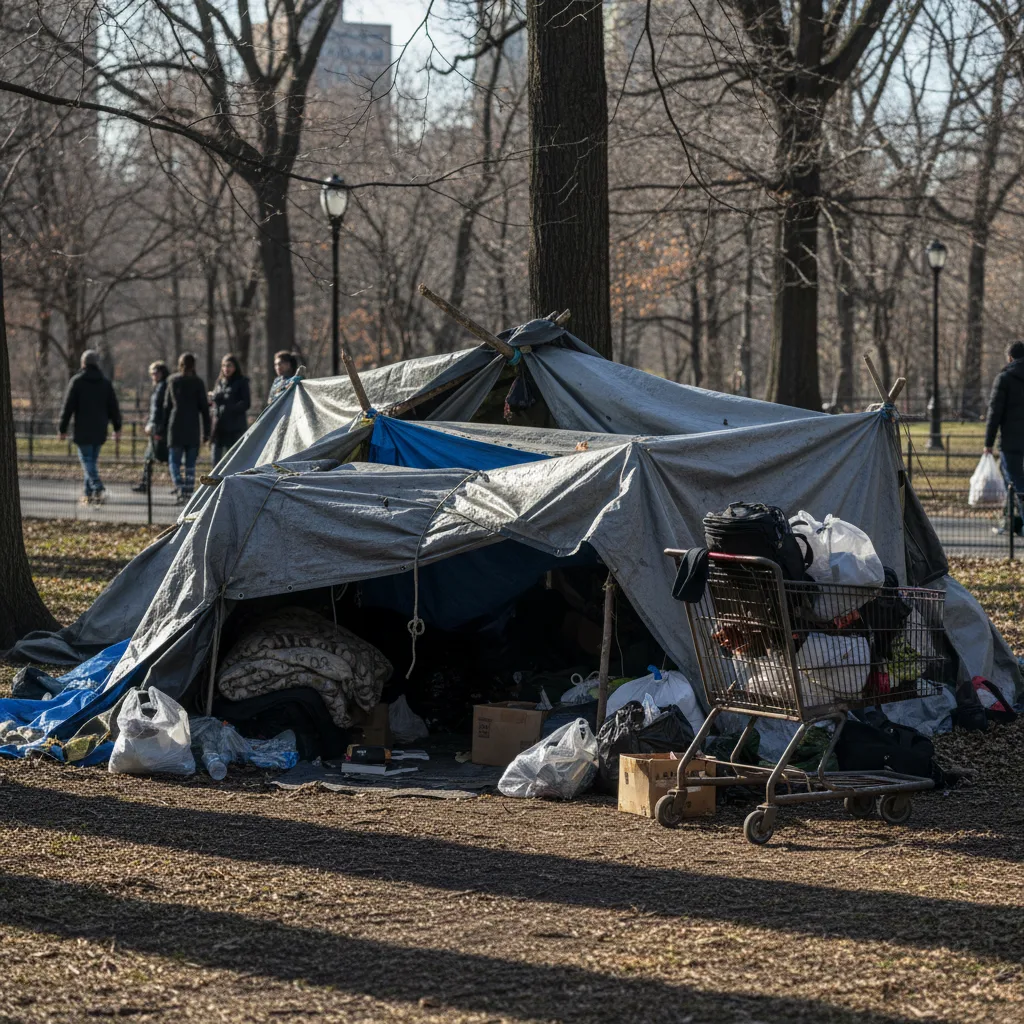
NYC Homeless Encampments Spotted Across Manhattan, Raising Concerns
Multiple homeless encampments have been spotted across Manhattan, raising significant concerns about urban policy and public safety. City officials are under pressure to address the growing homelessness crisis.
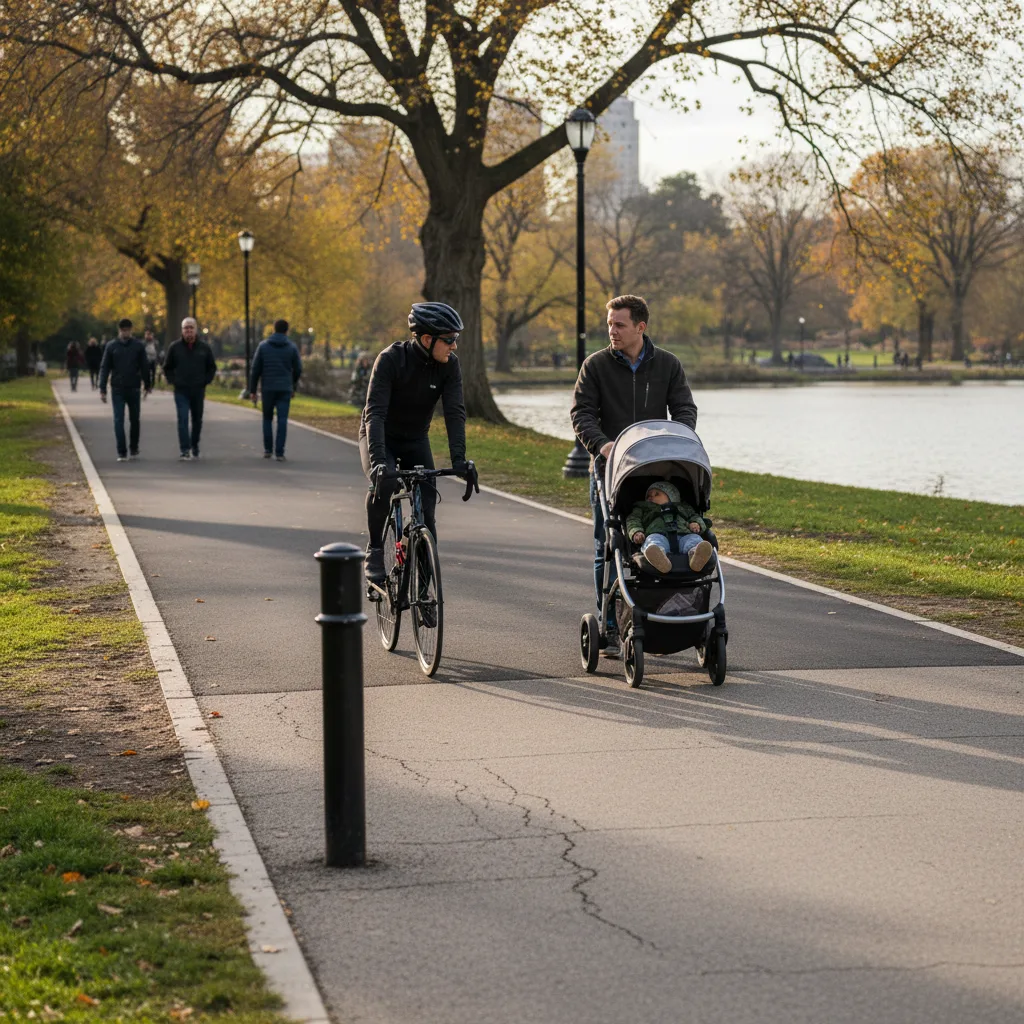
Safety Advocate Blames Park Redesign for Rising Central Park Cyclist Crashes
Safety advocates blame recent Central Park redesigns for a pedestrian's death and rising cyclist crashes, calling for urgent review of infrastructure.
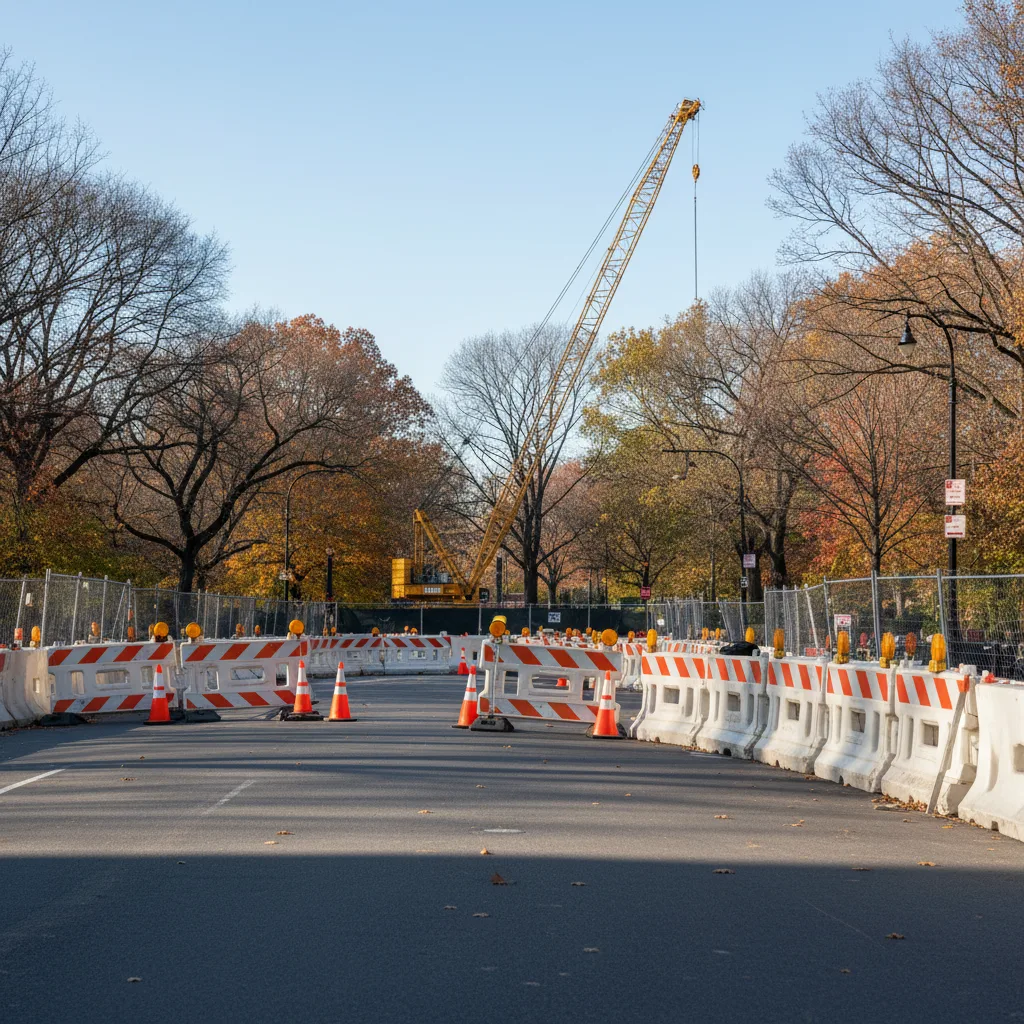
NYC DOT Advises Central Park Area Traffic Disruptions September 27
NYC DOT issued advisories for major traffic disruptions near Central Park on September 27, 2026, due to a parade and crane operations. Expect delays.
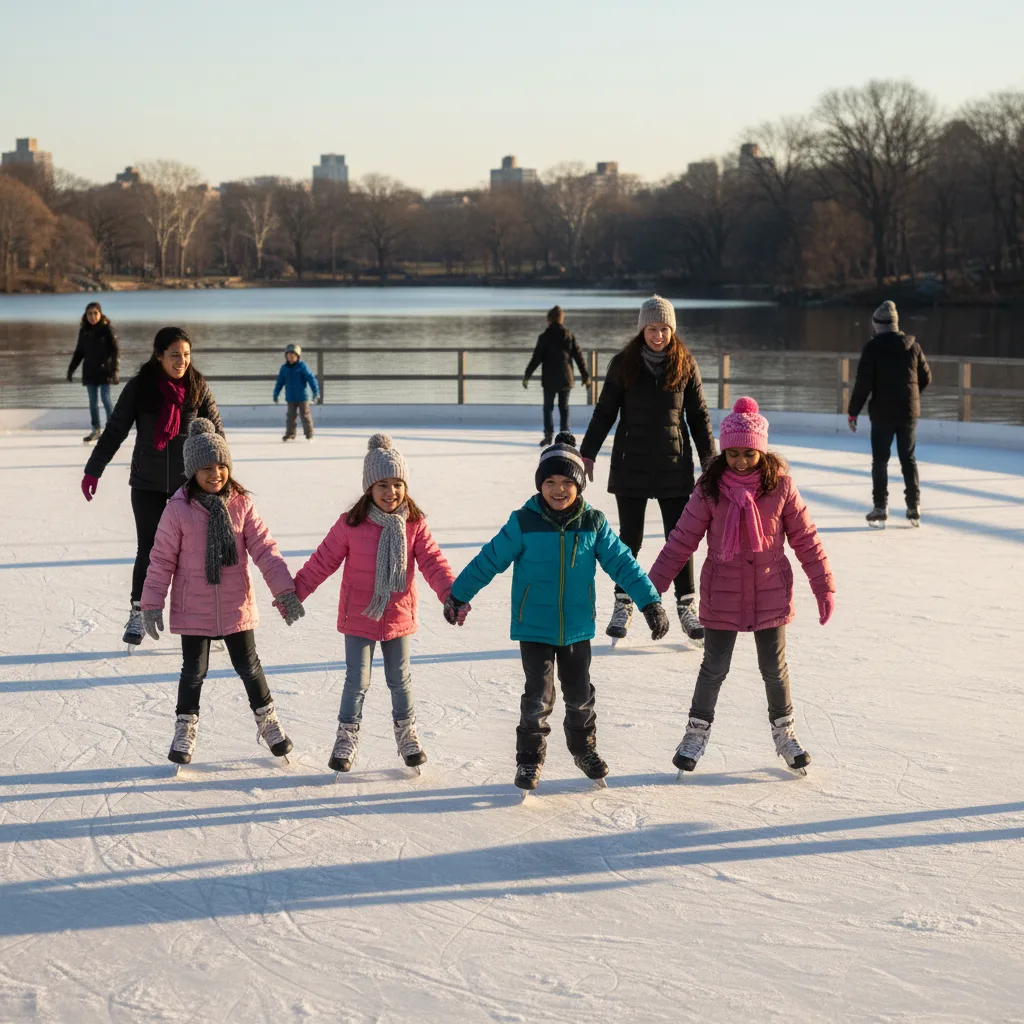
Davis Center at Harlem Meer Unveils State-of-the-Art Facilities
The new Davis Center at the Harlem Meer in Central Park's north end now features a state-of-the-art pool, ice rink, and multi-use turf field, enhancing community recreational options.

NYC City Record Confirms September 21, 2026, Publication Schedule
The NYC City Record confirmed its September 21, 2026, publication schedule, detailing administrative notices, procurement, and public hearings. This ensures transparency for municipal operations and public access to vital city information.