


Trump's Iran War Goals Unmet, Central Park Residents Anxious March 28
NEW YORK — One month after the initiation of the U.S. air campaign against Iran, President Trump's stated objectives remain largely unfulfilled, raising questions about the conflict's efficacy and generating anxiety among Central Park residents. The military action, which began on February 28, 2026, was outlined with five distinct goals, including the complete destruction of Iran's defense industrial base and the elimination of its naval and air forces.
Despite claims of 90% missile destruction, these key aims have not been met, according to reports from WSLS. This discrepancy between declared goals and actual outcomes has led to a shifting narrative from the administration, further fueling public unease both globally and within local New York communities. Manhattan residents are closely watching the developments, as global events often resonate significantly within the city.
Unfulfilled Objectives Spark Local Concerns
The original five objectives set by President Trump for the U.S. air campaign against Iran included decisively dismantling Iran's defense industrial capabilities and neutralizing its significant naval and air power. One month into the conflict, these ambitious goals have not been fully realized, prompting a reassessment of the strategic effectiveness of the military intervention, as detailed by WSLS News.
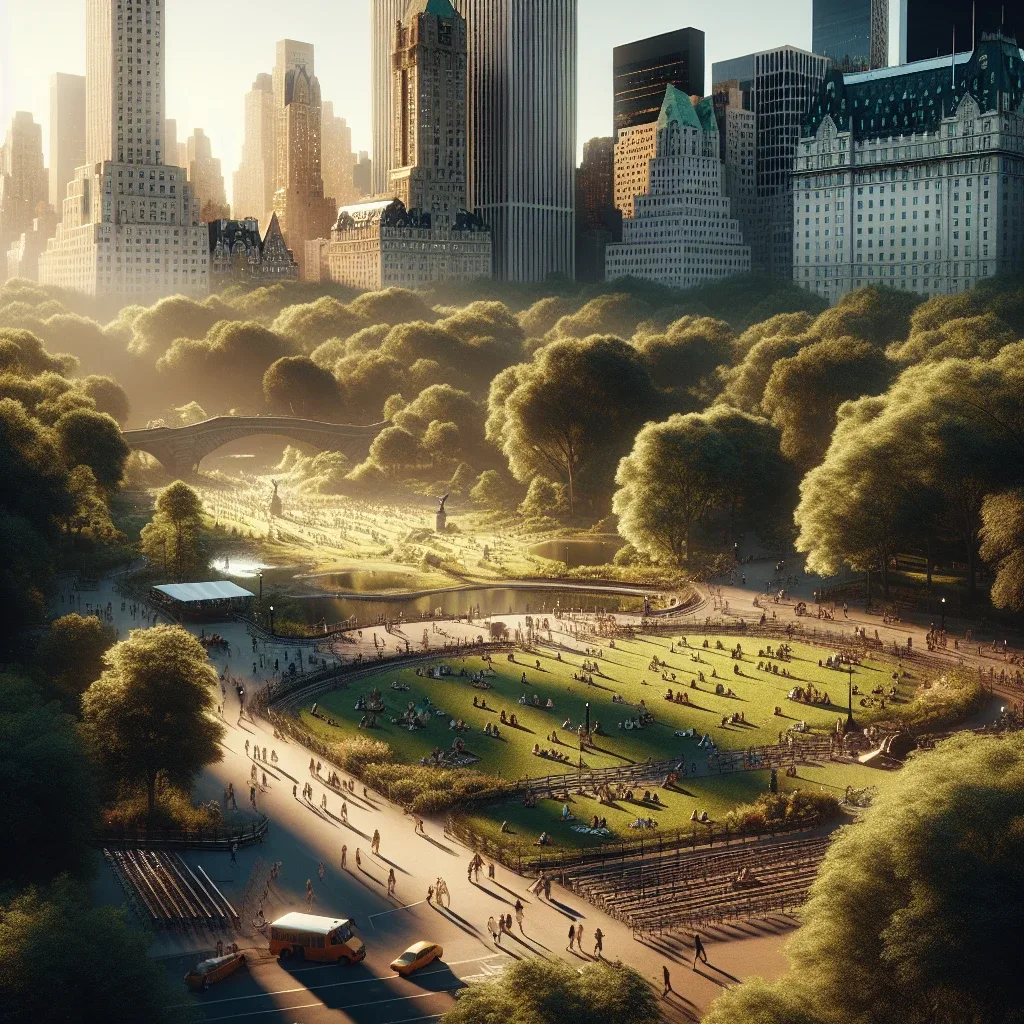
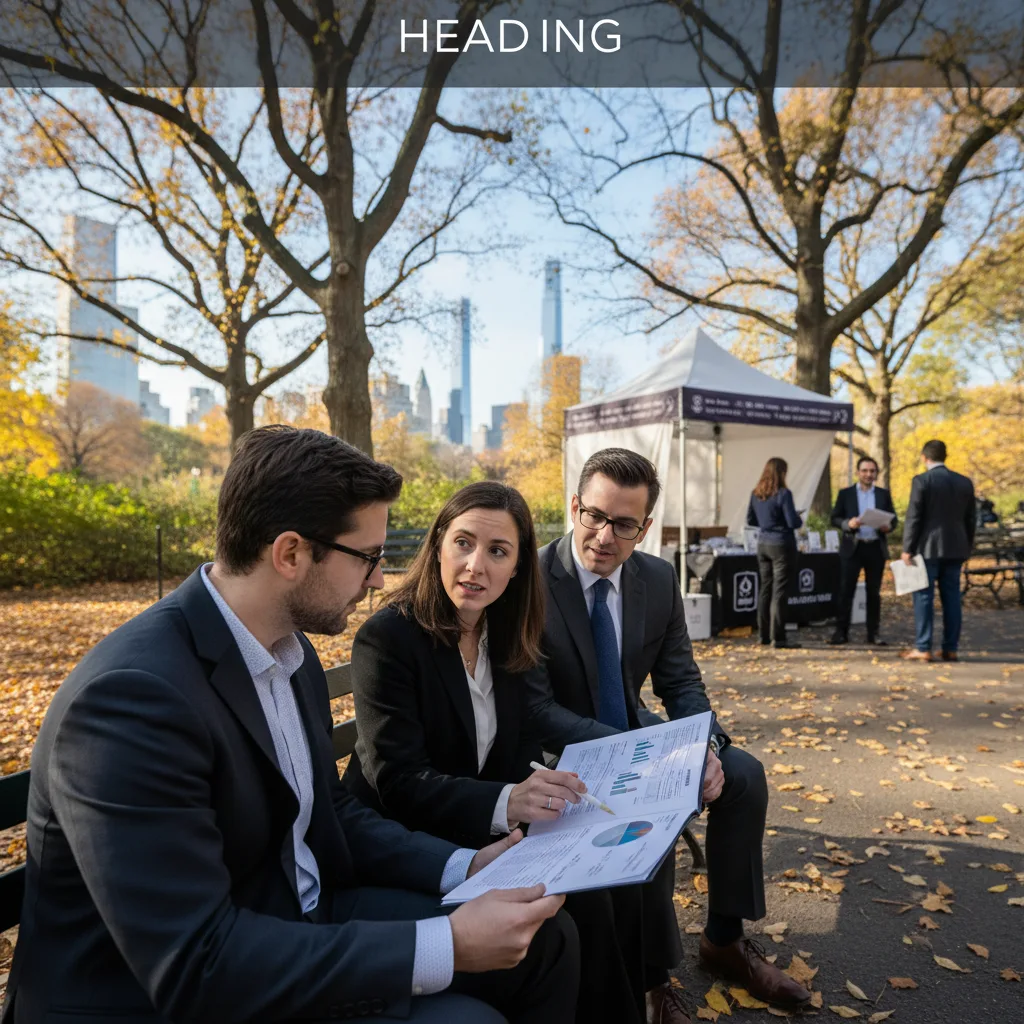
Within Central Park, the repercussions of these geopolitical developments are acutely felt. Joggers and dog walkers are observed huddling around their phones, sharing clips of President Trump's recent statements. Many Manhattan residents express palpable anxiety over rising gas prices, directly linking them to the ongoing Middle East instability and its impact on their daily commutes and household budgets.
Economic Tolls and Shifting Strategic Goals
The global economic ramifications of the Iran conflict have been substantial, with particular concern centered on fluctuating oil prices and their direct impact on consumer costs. The initial optimistic projections for a swift and decisive campaign have given way to a more protracted engagement, which has further strained international markets. This economic uncertainty creates widespread public and financial concern.
President Trump has recently signaled a potential wind-down of the conflict, a move that introduces further ambiguity regarding the administration's long-term strategy and commitment to the initial objectives. This shift raises questions about the cost-benefit analysis of the campaign and its effectiveness in achieving regional stability. The lack of clear progress on stated objectives casts a shadow over future diplomatic and military actions.
Community Reaction Within Central Park
Central Park has become a microcosm of the city's broader reaction to the conflict, reflecting a mix of frustration, debate, and concern among its diverse visitors. Local runners near the reservoir are actively debating whether an eventual end to the war will bring immediate relief to economic pressures or if the effects will linger. The uncertainty about the future affects daily conversations.
Parents in Upper East Side playgrounds worry aloud about the potential for escalation, voicing fears that the U.S. could be drawn into a larger, more protracted conflict. These conversations underscore a collective apprehension about global events impacting local lives. Coffee shops along Central Park West buzz with skepticism toward the unfulfilled objectives, with baristas noting a decline in weekend trips as customers cite travel fears linked to international instability.
Alliance Strains and International Scrutiny
The ongoing conflict in Iran and the perceived lack of progress on declared objectives have placed significant strain on international alliances, prompting scrutiny from allied nations. Questions have been raised about the coordination and communication between the U.S. and its partners, as well as the long-term implications for global security arrangements. This diplomatic challenge adds another layer of complexity to the situation.
Diplomatic analysts suggest that the U.S. must work to restore confidence among allies and provide a clearer path forward to resolve the conflict without further destabilizing the region. The effectiveness of the air campaign and the shifting goals have become points of contention in international forums. This situation highlights the intricate balance required in international relations, especially during periods of active conflict, as discussed in detail by political commentators.
Frequently Asked Questions About the Iran Conflict's Impact
Why are Central Park residents particularly anxious about the Iran conflict? Central Park residents, like many New Yorkers, are experiencing anxiety due to the conflict's global economic tolls, specifically rising gas prices affecting commutes and general cost of living. There are also concerns about potential escalation and its broader implications for stability and safety, reflecting the interconnectedness of global and local issues.
What were President Trump's initial objectives for the air campaign? President Trump outlined five main objectives, including the complete destruction of Iran's defense industrial base and the elimination of its navy and air force. These goals were set at the campaign's inception on February 28, 2026, aiming for a decisive military outcome.
Has the U.S. air campaign achieved its stated goals after one month? One month into the conflict, key objectives like fully destroying Iran's defense industrial base and neutralizing its military forces remain unfulfilled, despite claims of significant missile destruction. This has led to questions about the campaign's overall effectiveness and the administration's strategy, contributing to local and global uncertainty.
Related Articles
More in Urban Policy & Development →
NYC Mayor Mamdani Booed at Union Square October 7 Vigil
Mayor Mamdani faced boos and protests at a Union Square vigil Thursday marking the Oct. 7 attacks, highlighting deep community divisions in NYC.
NYC Homeless Encampments Spotted Across Manhattan, Raising Concerns
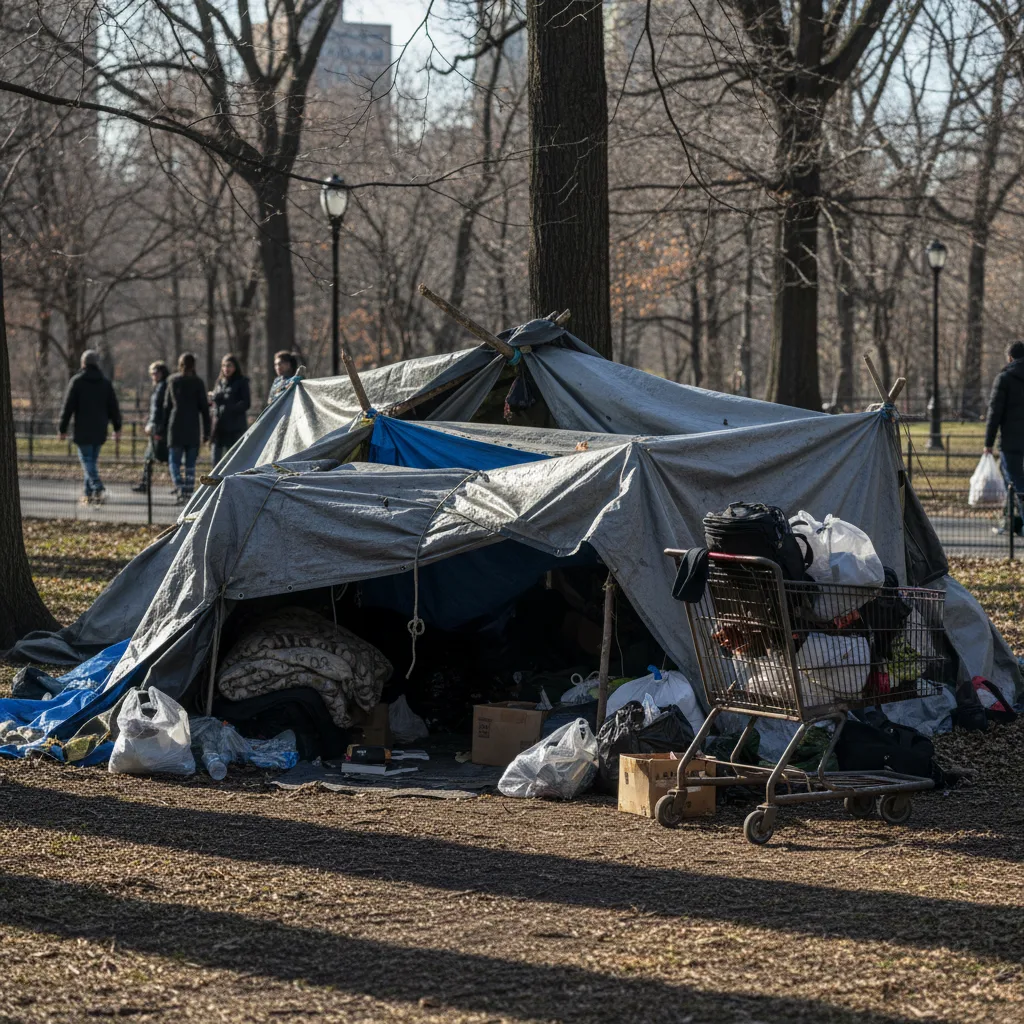
Multiple homeless encampments have been spotted across Manhattan, raising significant concerns about urban policy and public safety. City officials are under pressure to address the growing homelessness crisis.
Safety Advocate Blames Park Redesign for Rising Central Park Cyclist Crashes
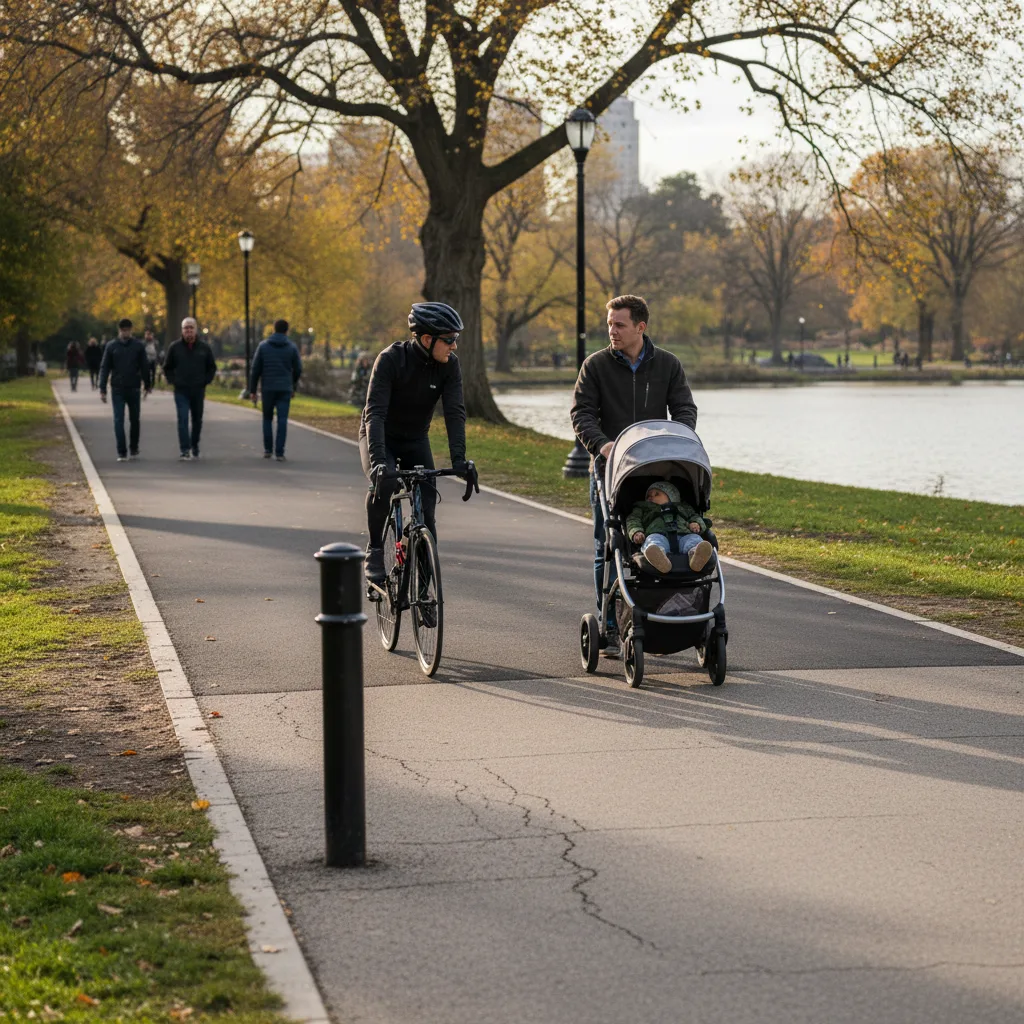
Safety advocates blame recent Central Park redesigns for a pedestrian's death and rising cyclist crashes, calling for urgent review of infrastructure.
NYC DOT Advises Central Park Area Traffic Disruptions September 27
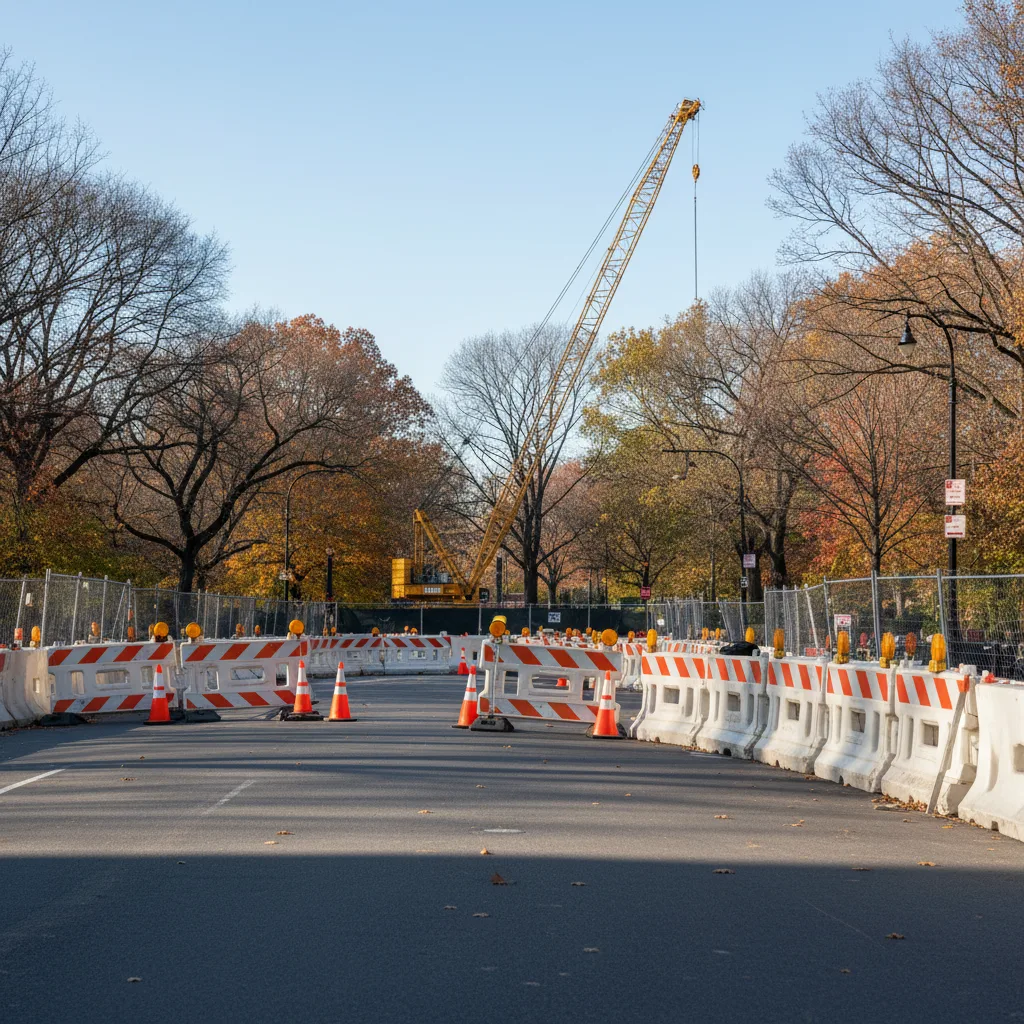
NYC DOT issued advisories for major traffic disruptions near Central Park on September 27, 2026, due to a parade and crane operations. Expect delays.

Davis Center at Harlem Meer Unveils State-of-the-Art Facilities
The new Davis Center at the Harlem Meer in Central Park's north end now features a state-of-the-art pool, ice rink, and multi-use turf field, enhancing community recreational options.
NYC City Record Confirms September 21, 2026, Publication Schedule
The NYC City Record confirmed its September 21, 2026, publication schedule, detailing administrative notices, procurement, and public hearings. This ensures transparency for municipal operations and public access to vital city information.