


Understanding Central Park's Obelisk: What to Know About Cleopatra's Needle
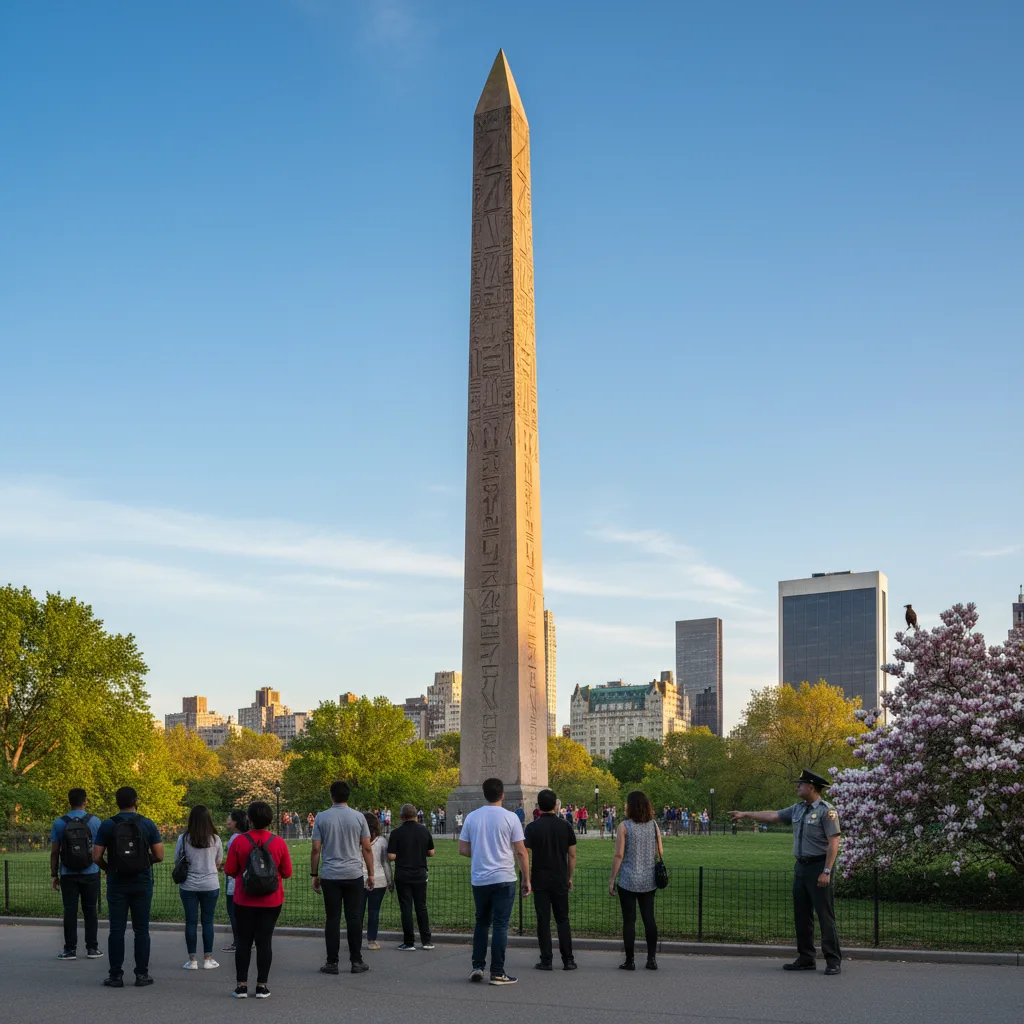
Central Park is home to an extraordinary ancient Egyptian artifact known as Cleopatra's Needle, or more formally, the Central Park Obelisk. This towering monument, over 3,500 years old, stands majestically behind the Metropolitan Museum of Art, offering visitors a direct link to the pharaohs of ancient Egypt right in the heart of New York City. Its presence in the park is a testament to historical connections and a fascinating blend of cultures.
The History Behind Central Park's Obelisk
The Central Park Obelisk is one of three identical ancient Egyptian obelisks, with its siblings located in London and Paris. Originally carved around 1450 BC during the reign of Pharaoh Thutmose III, it stood before the Temple of Ra in Heliopolis. Centuries later, during the Ptolemaic dynasty, hieroglyphs honoring Ramesses II were added. It was moved to Alexandria by the Romans in 12 BC and gifted to the United States in 1879 as a gesture of goodwill. The obelisk's journey from Egypt to Central Park was an engineering marvel of its time, involving a specially designed ship and a complex overland transport system through Manhattan streets.
Its Journey to New York City
The story of how the Central Park Obelisk made it to its current location is as impressive as its age. After being offered to the U.S. in 1879, Lieutenant Commander Henry H. Gorringe of the U.S. Navy was tasked with its transportation. The 200-ton, 69-foot tall granite monolith was carefully moved from Alexandria, Egypt, by rolling it onto a specially constructed ship, the SS Dessoug. Upon arrival in New York in 1880, the obelisk had to be transported from the Hudson River to Central Park, a distance of several miles. This involved building a temporary railway system and utilizing steam power and specially designed apparatus to move the massive stone at a snail's pace. The entire process, from leaving Egypt to its dedication in the park, took over a year and a half.
The Significance of Cleopatra's Needle
Often mistakenly attributed to Cleopatra VII, the last active ruler of the Ptolemaic Kingdom of Egypt, the obelisk predates her by over a millennium. The name "Cleopatra's Needle" is more of a romanticized title given to it during the 19th century due to its association with Alexandria, where Cleopatra often resided. The obelisk itself is a grand sun dial and a monument dedicated to the sun god Ra. Its hieroglyphs detail the reigns and achievements of Thutmose III and Ramesses II, providing invaluable historical records. Understanding the obelisk definition goes beyond its physical form; it's a monumental historical document.
Locating and Visiting the Central Park Obelisk
The Central Park Obelisk is strategically placed on a hill behind the Metropolitan Museum of Art, making it a prominent landmark. Its exact coordinates are approximately 40.7794° N, 73.9634° W. Visitors can easily find it by entering Central Park from Fifth Avenue at 81st Street, then walking west towards the museum. It's a popular spot for both history buffs and casual park-goers. While exploring the park, you might also be interested in other historical insights, such as the Central Park Cherry Blossom Tracker: Your Guide to the 2026 Bloom Season for seasonal attractions, or details on free Central Park events during your visit.
Preservation and Modern Challenges
For millennia, the Central Park Obelisk stood in the dry Egyptian climate. Its relocation to New York City, with its fluctuating temperatures, acid rain, and urban pollution, has presented significant challenges to its preservation. Over the years, environmental factors have caused considerable weathering and erosion to the granite. The Central Park Conservancy, along with other preservation experts, continuously monitors its condition. Efforts have been made to clean and conserve the obelisk, including a major restoration project in the late 20th century. These ongoing efforts ensure that this ancient wonder continues to inspire and educate future generations of Central Park visitors.
Frequently Asked Questions
What is the Central Park Obelisk also known as?
The Central Park Obelisk is widely known as Cleopatra's Needle. While it's a popular and romanticized name, the obelisk actually predates Cleopatra VII by over a thousand years, having been carved during the reign of Pharaoh Thutmose III.
Where in Central Park can I find Cleopatra's Needle?
You can find Cleopatra's Needle, or the Central Park Obelisk, located on a hill directly behind the Metropolitan Museum of Art. It's easily accessible from the park entrances along Fifth Avenue, particularly near 81st Street.
How old is the Central Park Obelisk?
The Central Park Obelisk is over 3,500 years old. It was originally erected around 1450 BC by Pharaoh Thutmose III and later inscribed with additional hieroglyphs by Ramesses II, making it one of the oldest outdoor monuments in New York City.
What is the obelisk definition in a historical context?
In a historical context, an obelisk is a tall, four-sided, narrow tapering monument which ends in a pyramid-like shape or pyramidion at the top. Ancient Egyptians often erected them in pairs at the entrance to temples, dedicating them to the sun god Ra and using them as symbols of the sun and creation.
Why was the Central Park Obelisk brought to New York?
The Central Park Obelisk was gifted to the United States by Egypt in 1879 as a token of gratitude for American diplomatic support. It was seen as a significant cultural exchange, bringing a piece of ancient history to the New World.
Related Articles
More in Visitor Guide →
A Guide to Central Park's Top Activities and Best Things to Do in 2026
Discover the best things to do in Central Park, NYC, with our comprehensive 2026 guide to iconic landmarks, activities, and hidden gems for visitors.
A Guide to What to Know About the Vatican Obelisk in Central Park 2026
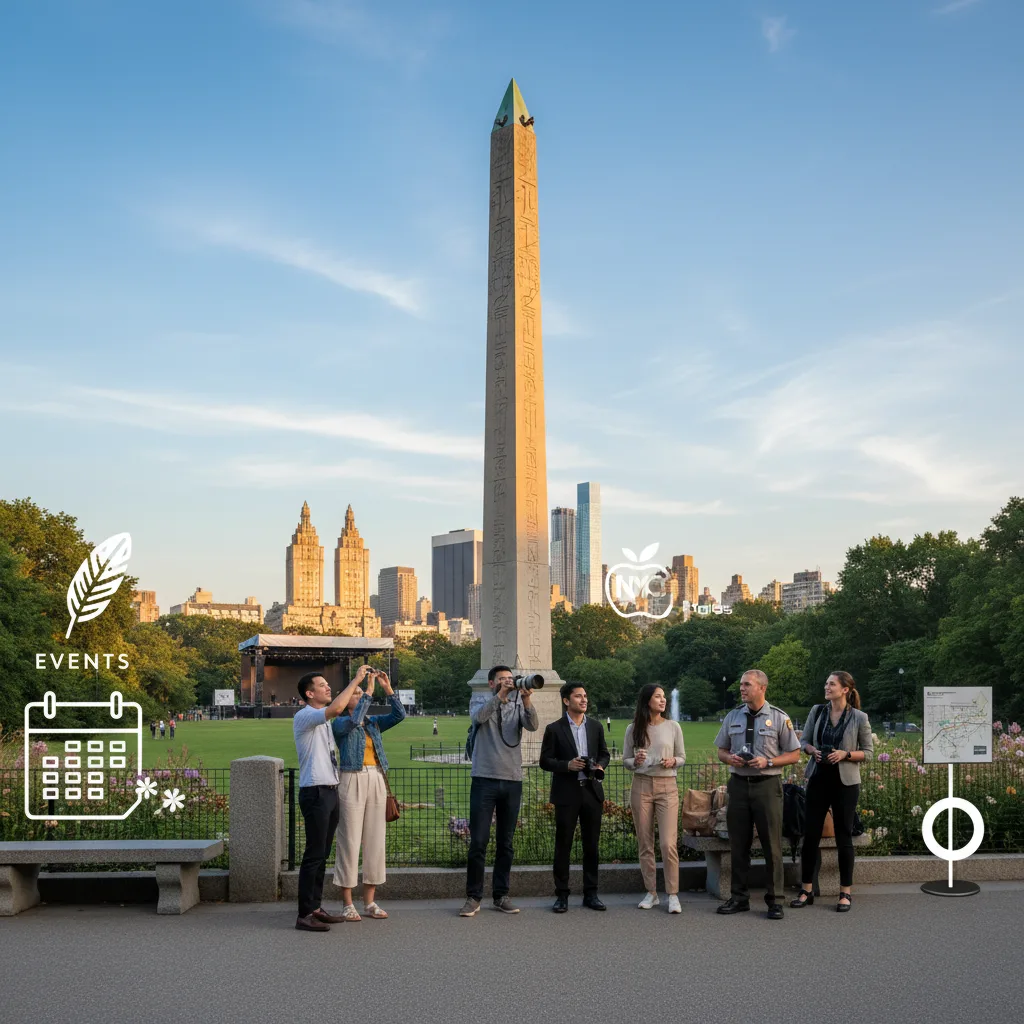
Discover what to know about the Vatican Obelisk (Cleopatra's Needle) in Central Park, its history, journey to NYC, and where to find it in 2026.

A Complete Guide to the Central Park Reservoir: What to Know Before You Visit
Discover everything you need to know about the Central Park Reservoir: its history, running track, wildlife, best views, and visitor tips for 2026.

A Guide to Central Park's Top 5 Pizzerias: The Best Slices Near You in NYC
Discover the top 5 pizzerias near Central Park, NYC. This guide helps you find the best slices, from historic institutions to modern favorites.

Central Park Offers Daily Public Access From 6 AM to 1 AM
Central Park maintains extensive daily public access from 6:00 am to 1:00 am, offering a continuous urban sanctuary for millions of visitors.
Central Park Conservancy Updates Calendar with Fall Foliage Trackers
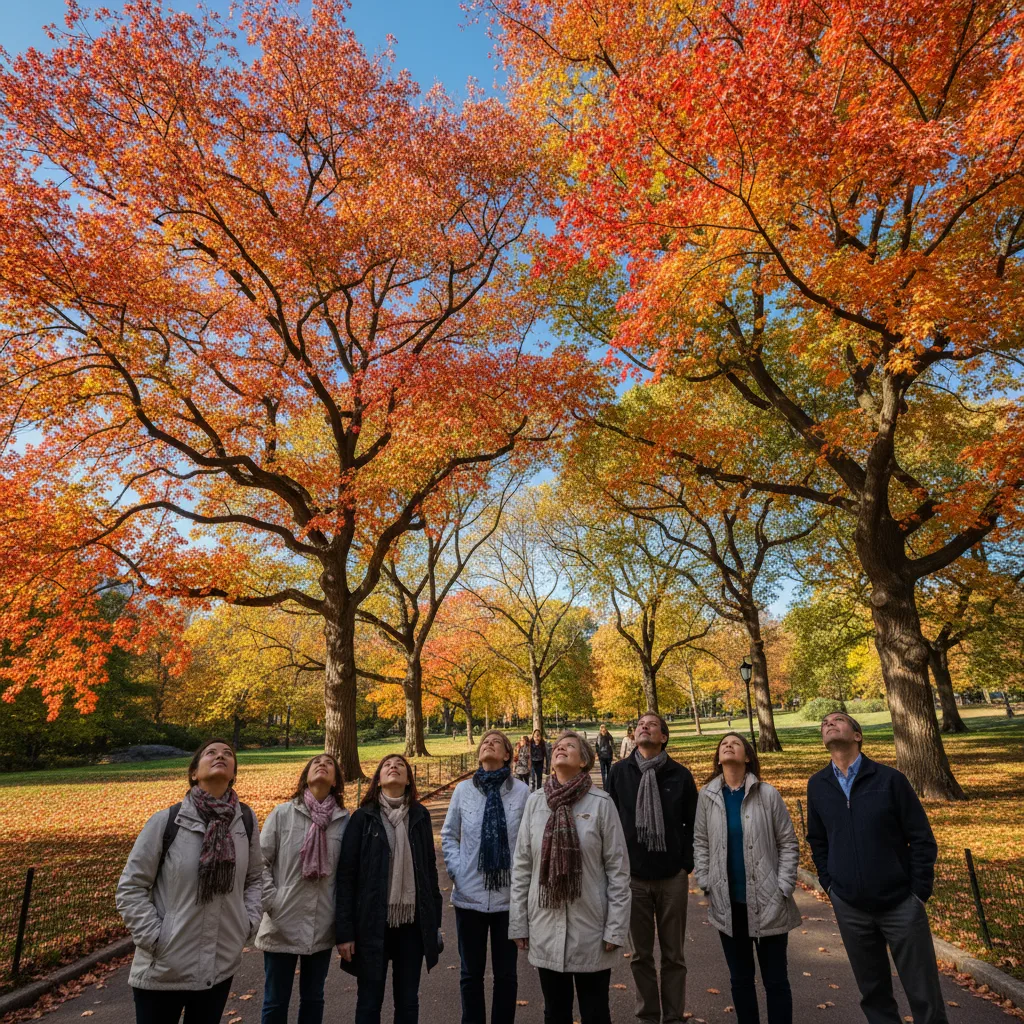
The Central Park Conservancy has updated its calendar with fall foliage trackers and seasonal activities, guiding visitors to experience the park's autumn beauty and diverse offerings. The new resources aim to enhance planning for iconic views and events.