


US Gas Prices Hit $4 Amid Iran War; Central Park Feels Pinch
NEW YORK — The ongoing US-Iran war has driven American gasoline prices to an unprecedented $4 per gallon, largely due to disruptions including the closure of the Strait of Hormuz. This surge, reported on March 31, 2026, is fueling global economic fears and directly impacting the daily lives of New Yorkers, including those frequenting Central Park.
The conflict initially caused Brent and Dubai crude prices to spike from under $60 to over $70 a barrel, creating widespread market volatility. While analysts anticipate a potential rally as the conflict's limited impact becomes clearer, the immediate financial strain on consumers is undeniable, according to The Times of Israel.
Manhattan Residents Grapple with Rising Costs
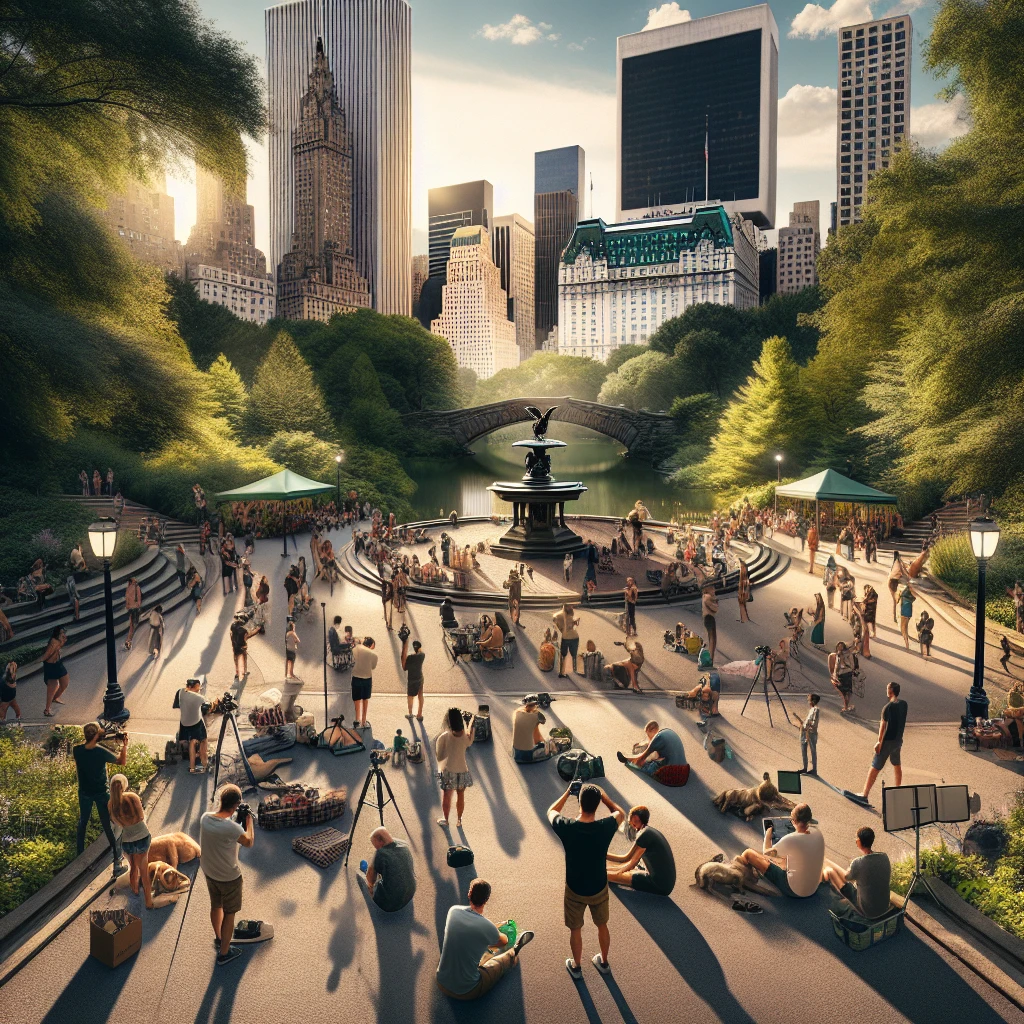
Manhattan residents strolling through Central Park are openly grumbling about how the $4 gas prices are crippling their weekend getaways and daily commutes. A cyclist near Bethesda Fountain was overheard boasting, "Good thing I'm biking—drivers are screwed," highlighting a stark reality for car owners in the city.
Park vendors have noted a decrease in car arrivals to the park's vicinity but an increase in foot traffic, where war news and its economic implications are frequent topics of debate. These observations, shared within local community responses, illustrate the direct impact of international events on local behavior and sentiment.
Economic Strain Extends Beyond the Pump
The rising cost of fuel is not merely an inconvenience for drivers; it's a significant inflationary pressure affecting various sectors. Local group chats in Upper East Side buildings, whose residents often enjoy Central Park, echo calls for a quick resolution to the conflict to prevent broader inflation from hitting groceries and other essential goods.
Economists have warned that sustained high energy prices can cascade through the supply chain, increasing transportation costs for everything from food to consumer products. This concern resonates deeply within the dense urban environment of New York City, where living costs are already high.
Central Park as a Bellwether for Public Sentiment
Central Park, often considered the city's living room, frequently serves as an informal barometer for public sentiment on major issues. The conversations and observations made within its confines offer a microcosm of broader city-wide concerns regarding global conflicts and their economic fallout.
The shift in park visitor behavior—fewer cars, more public transport or cycling—directly reflects economic adaptations being made by residents. This dynamic illustrates how everyday choices are being reshaped by geopolitical tensions, according to local sociologists studying urban trends.read more about Central Park Energy Crisis
Government Response and Future Outlook
Amidst the public outcry, federal and local governments are under pressure to address the economic fallout. Discussions around potential strategic oil reserves releases or diplomatic efforts to stabilize the Middle East are gaining traction. The market's current volatility, however, makes predicting a rapid return to lower prices challenging.
Analysts from leading financial institutions, referenced in The Times of Israel's live blog, suggest that while markets are volatile, they may stabilize as the specifics of the conflict's impact become clearer. However, the path to sustained lower gas prices remains dependent on geopolitical stability and global supply chain integrity.
Impact on Local Businesses and Tourism
Local businesses surrounding Central Park, particularly those catering to tourists and weekend visitors, are closely monitoring the situation. A decline in car-dependent tourism could affect revenues, impacting a crucial part of the city's economy.
Conversely, a rise in cycling and public transport could bolster businesses accessible by these means. The adaptability of New York City's diverse business ecosystem will be tested by these evolving economic pressures, as local chamber of commerce representatives have acknowledged.
Frequently Asked Questions About $4 Gas Prices
Why have US gas prices reached $4 a gallon? US pump prices have hit $4 a gallon primarily due to the ongoing US-Iran war and its disruptions, specifically the closure of the Strait of Hormuz, which is a vital route for global oil shipments. This has led to increased crude oil prices.
How are Central Park visitors reacting to the gas prices? Manhattan residents using Central Park are openly complaining about the impact of $4 gas prices on their weekend plans and daily expenses. There's an observed increase in cyclists and foot traffic, with many discussing the economic effects of the war.
What is the Strait of Hormuz, and why is its closure significant? The Strait of Hormuz is a critical narrow waterway through which a significant portion of the world's oil supply passes. Its closure due to the Iran conflict severely restricts oil flow, leading to higher global prices.
Beyond gas, what other economic impacts are expected? Local group chats in residential buildings near Central Park indicate concerns that the rising gas prices will lead to broader inflation, affecting the cost of groceries and other essential goods due to increased transportation expenses.
When did crude oil prices begin to spike? The initial tensions and fighting in the US-Iran war caused Brent and Dubai crude oil prices to spike from under $60 to over $70 a barrel. This increase laid the groundwork for the current high gasoline prices.
Related Articles
More in Energy & Local Economy →
A Guide to Central Park's Top Activities and Best Things to Do in 2026
Discover the best things to do in Central Park, NYC, with our comprehensive 2026 guide to iconic landmarks, activities, and hidden gems for visitors.
A Guide to What to Know About the Vatican Obelisk in Central Park 2026
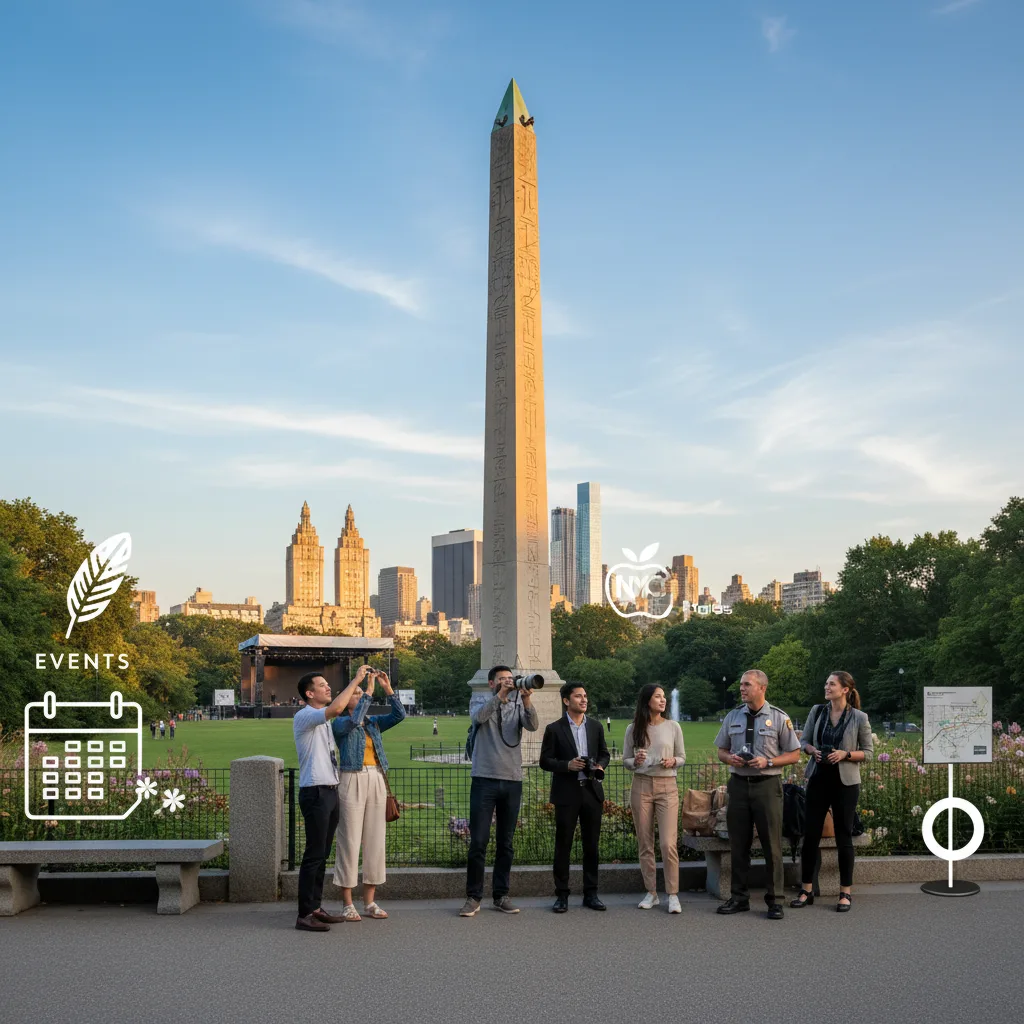
Discover what to know about the Vatican Obelisk (Cleopatra's Needle) in Central Park, its history, journey to NYC, and where to find it in 2026.
Central Park Woman Found Dead Near Boathouse Gazebo
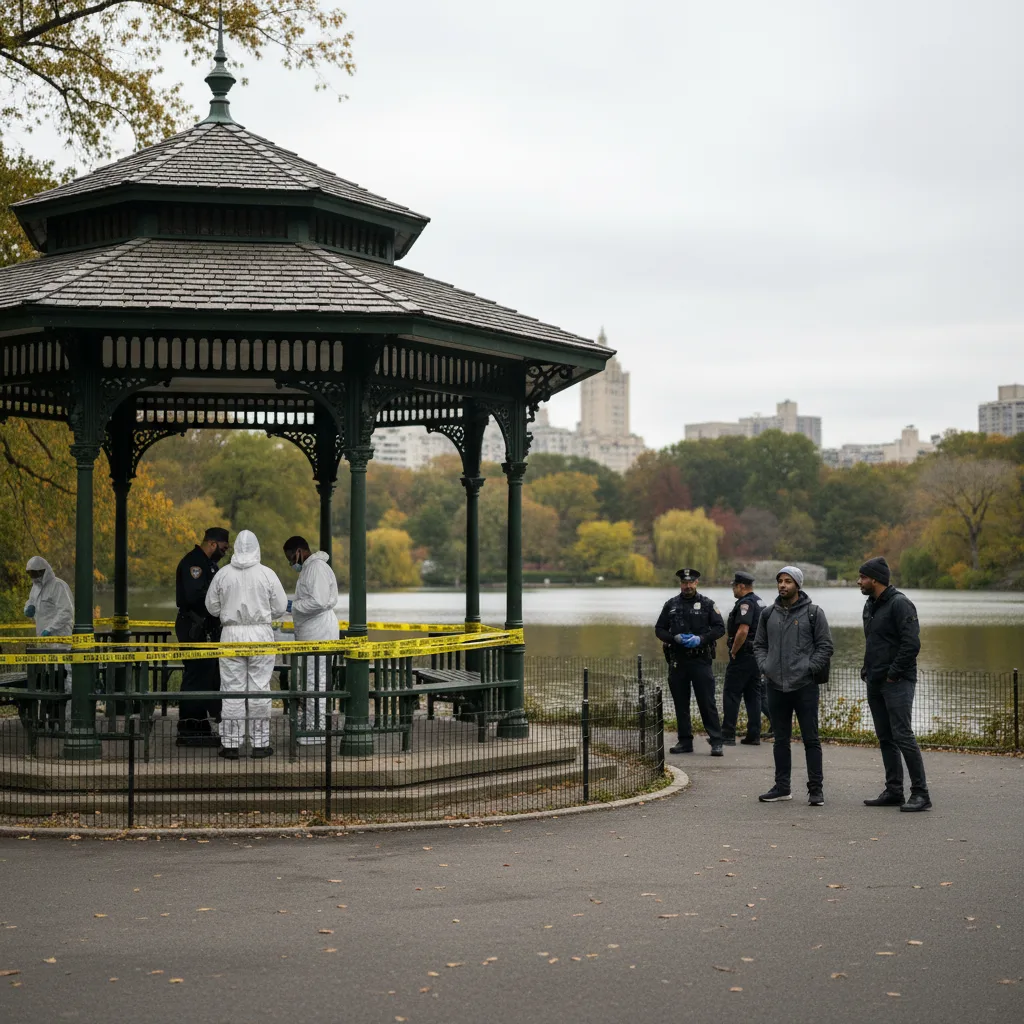
A woman was found stabbed to death in a Central Park gazebo near the Boathouse on Sunday, prompting an active NYPD homicide investigation.
Queens Student Arrested for Bringing Gun to High School
A Queens student was arrested for bringing a gun to high school, prompting immediate law enforcement action and raising school safety concerns.

NYC Mayor Mamdani Booed at Union Square October 7 Vigil
Mayor Mamdani faced boos and protests at a Union Square vigil Thursday marking the Oct. 7 attacks, highlighting deep community divisions in NYC.
NYC Cyclist Death Prompts NYPD Ticketing Near Fatal Crash Site
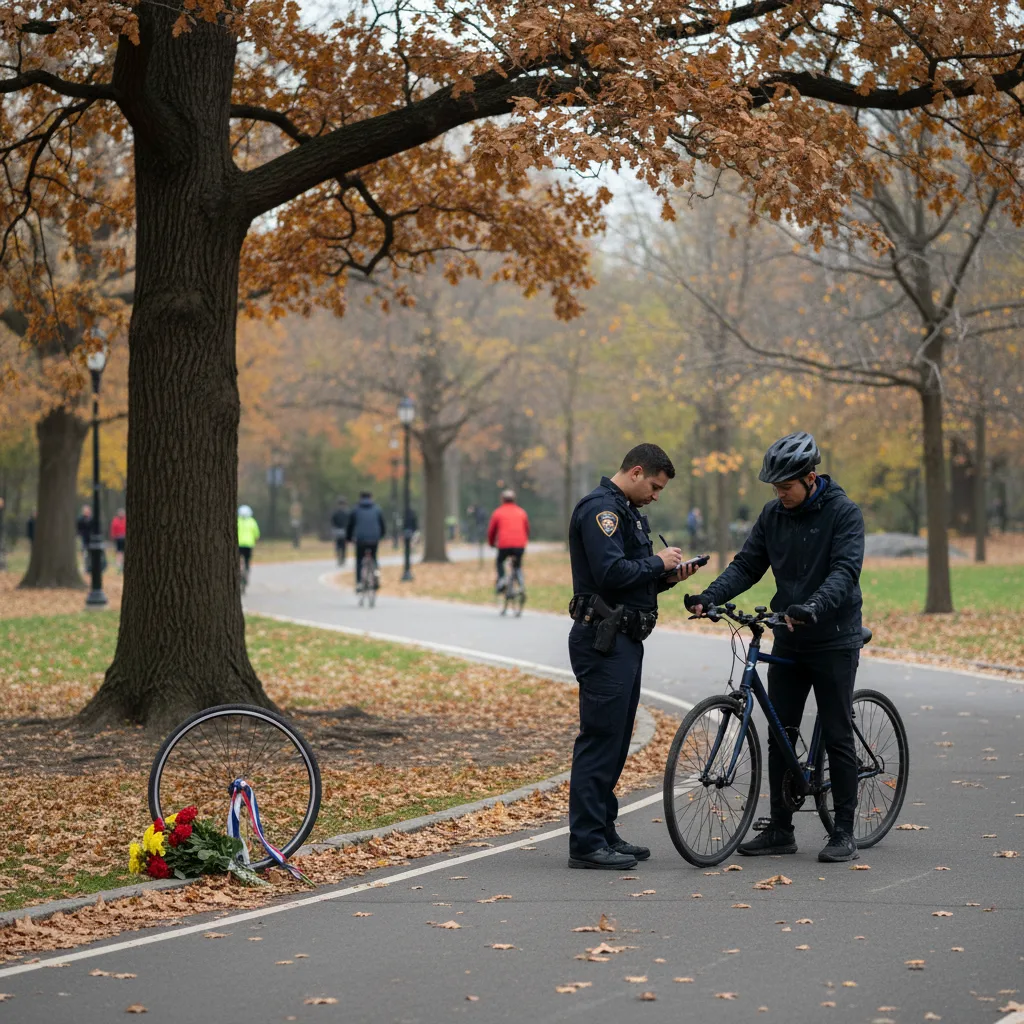
NYPD stepped up cyclist ticketing near a recent fatal crash site in Central Park after a cyclist died Monday morning. Local groups demand safety reforms.