


Wealth Disparity's Impact on Public Spaces, Central Park Navigates Economic Divides

NEW YORK — The economic observations by Nobel laureate Paul Krugman regarding the distinct characteristics of the super-rich – describing them as "pettier and more self-centered than most of us can easily imagine" – resonate profoundly within the context of New York City's public spaces, particularly Central Park. This iconic urban oasis, surrounded by some of the world's most affluent residences, often becomes a focal point in discussions about wealth disparity and its societal impact.
Central Park: A Microcosm of Economic Stratification
Central Park, theoretically a democratic space accessible to all, physically borders neighborhoods with extreme wealth, including Billionaires' Row on 57th Street. The stark contrast between the park's universal appeal and the exclusive luxury of its surrounding real estate highlights broader economic divides.
Activists and urban sociologists often point to public spaces like Central Park as barometers for societal equity. When private interests or disproportionate influence from the wealthy begin to affect public resources, it raises questions about fairness and access for the majority of New Yorkers.
The Super-Rich and Public Infrastructure
While wealthy philanthropists have historically contributed to the park's upkeep, the perception of influence and control over public amenities remains a contentious issue. Decisions regarding park usage, security, and even minor aesthetic changes can sometimes draw scrutiny over whose interests are truly being served.
"It’s critical to remember that Central Park belongs to everyone, not just those who live overlooking it," asserted Dr. Aisha Rahman, a professor of urban sociology at Hunter College, speaking from her office on East 68th Street. "The challenge is ensuring that its governance and programming reflect the diverse needs of all 8.5 million New Yorkers, not just a privileged few." The Central Park Conservancy raises over 80% of the park's annual operating budget.
Navigating Competing Interests and Public Access
The management of Central Park frequently involves balancing the diverse expectations of its millions of annual visitors. This includes everyone from daily commuters cutting through, to tourists, to local residents of varying economic backgrounds.
Incidents, whether real or perceived, where the preferences of affluent residents are prioritized over broader public good, often spark public debate. These discussions often invoke the sentiment captured by Krugman – that the super-rich operate with a different set of social norms and expectations.
Philanthropy, Influence, and Accountability
Philanthropic contributions from wealthy individuals and foundations are vital for the extensive maintenance and operational costs of Central Park, which spans 843 acres. However, this reliance also raises questions about accountability and potential influence on public policy and park accessibility.
"There’s a delicate balance between accepting crucial private funding and ensuring that the park's strategic direction remains firmly in the public interest," commented a spokesperson for the NYC Department of Parks & Recreation, speaking anonymously to discuss sensitive funding topics. "Transparency in decision-making is paramount." The park's annual operating costs exceed $100 million.
Ensuring Equity in Shared Urban Gems
Ultimately, the discourse around wealth disparity, especially in a city like New York, underscores the ongoing challenge of maintaining equitable access and democratic control over shared public resources. Central Park stands as a potent symbol in this conversation, a place where profound wealth and ordinary life exist side by side.
As Paul Krugman's observations highlight, understanding the psychology and behavior of the super-rich is crucial for navigating complex urban dynamics. This remains an ongoing conversation for urban planners, policymakers, and community advocates aiming to ensure places like Central Park truly serve everyone. Read more on economic insights from Paul Krugman's Substack.
How does wealth disparity directly impact Central Park?
Wealth disparity impacts Central Park by influencing perceptions of access, governance, and resource allocation. While the park is publicly accessible, the presence of super-rich residents nearby and their significant philanthropic contributions raise questions about whose interests are prioritized in park management and policies, according to urban sociologists and critics in 2026.
What role does philanthropy play in Central Park's operations?
Philanthropy from wealthy individuals and foundations is crucial for Central Park's substantial annual operating budget, covering maintenance and programming. However, this reliance also sparks discussions about balancing financial contributions with maintaining public control and ensuring equitable access and representation for all city residents in decision-making processes.
Related Articles
More in Urban Policy & Development →
NYC Mayor Mamdani Booed at Union Square October 7 Vigil
Mayor Mamdani faced boos and protests at a Union Square vigil Thursday marking the Oct. 7 attacks, highlighting deep community divisions in NYC.
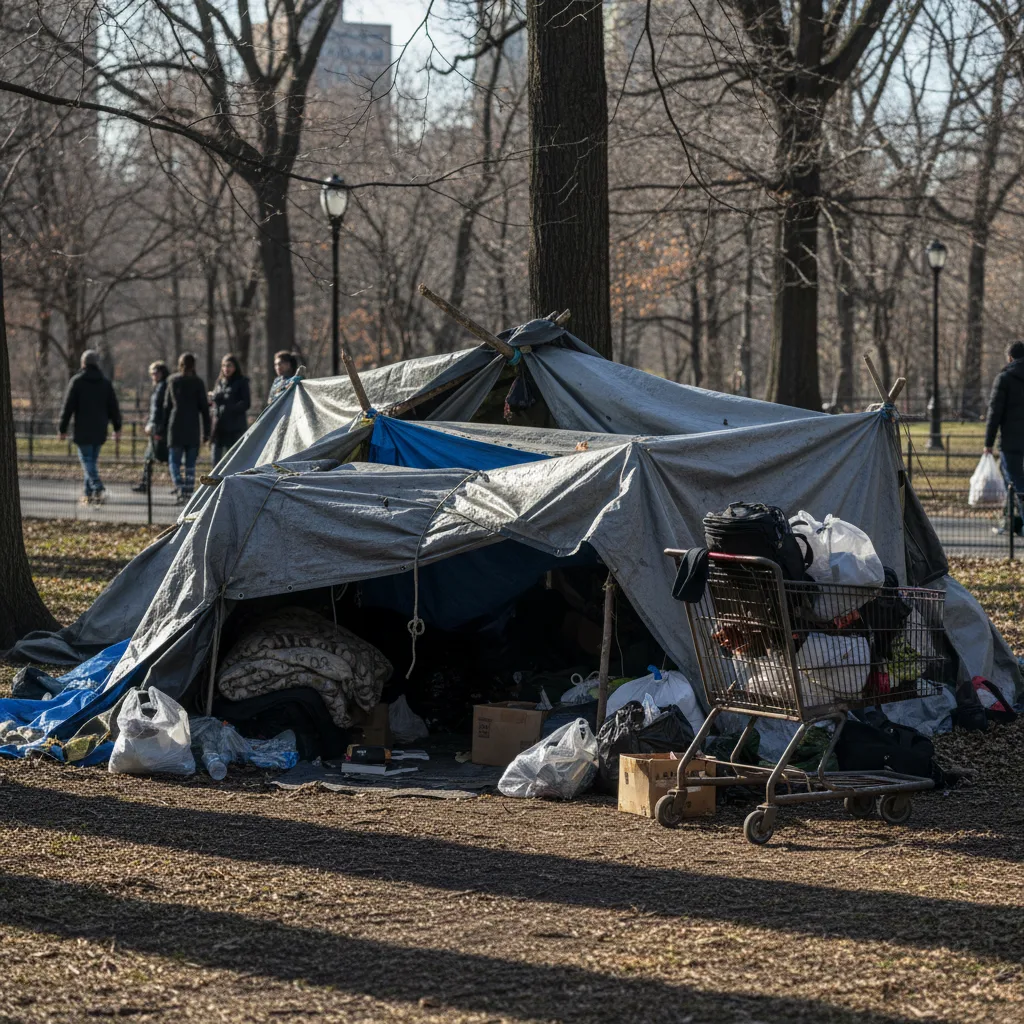
NYC Homeless Encampments Spotted Across Manhattan, Raising Concerns
Multiple homeless encampments have been spotted across Manhattan, raising significant concerns about urban policy and public safety. City officials are under pressure to address the growing homelessness crisis.
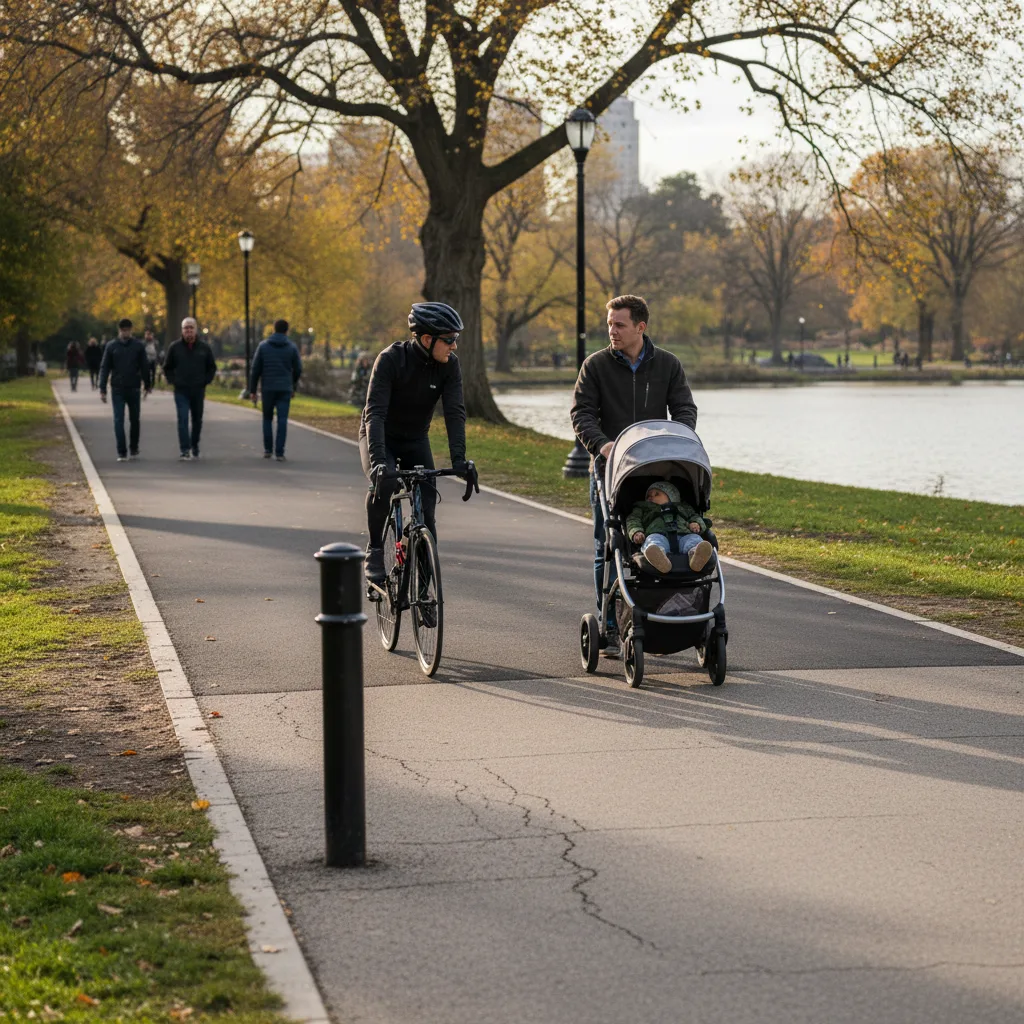
Safety Advocate Blames Park Redesign for Rising Central Park Cyclist Crashes
Safety advocates blame recent Central Park redesigns for a pedestrian's death and rising cyclist crashes, calling for urgent review of infrastructure.
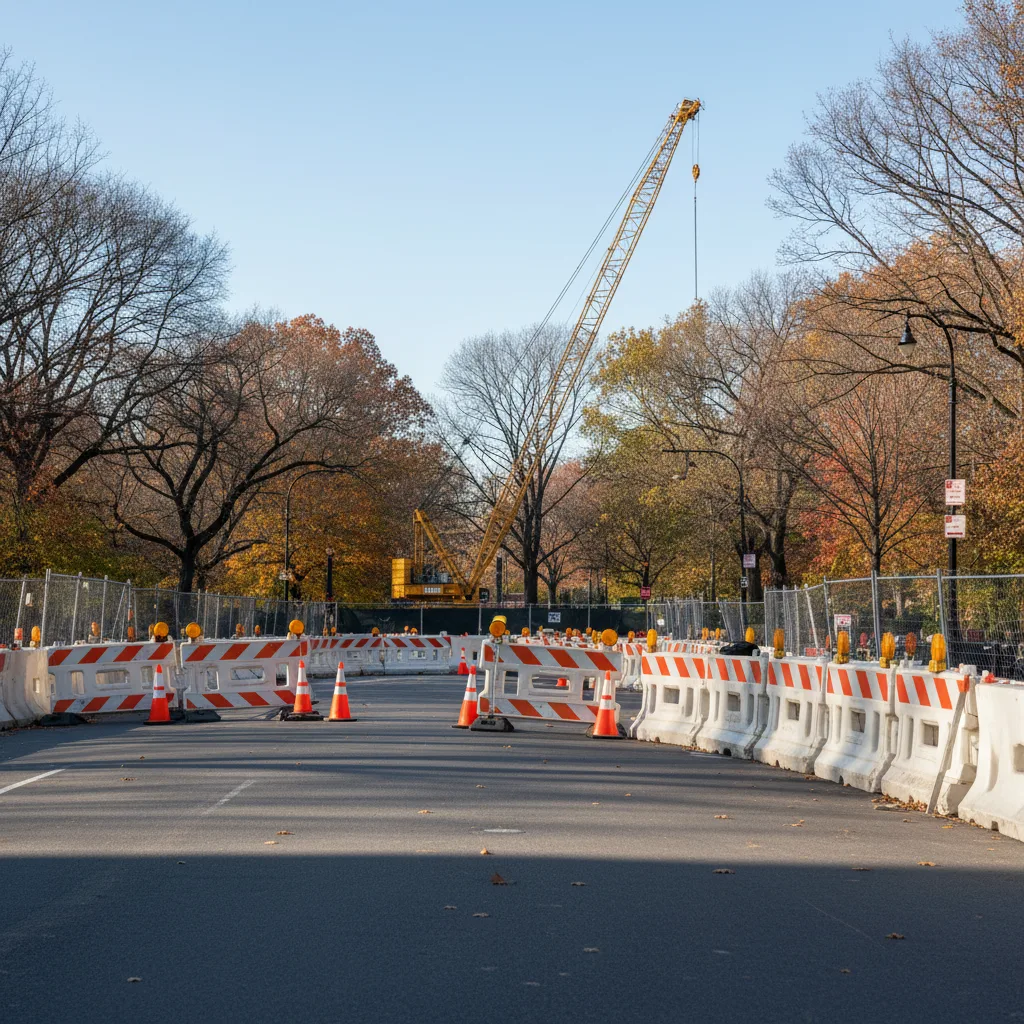
NYC DOT Advises Central Park Area Traffic Disruptions September 27
NYC DOT issued advisories for major traffic disruptions near Central Park on September 27, 2026, due to a parade and crane operations. Expect delays.

Davis Center at Harlem Meer Unveils State-of-the-Art Facilities
The new Davis Center at the Harlem Meer in Central Park's north end now features a state-of-the-art pool, ice rink, and multi-use turf field, enhancing community recreational options.
NYC City Record Confirms September 21, 2026, Publication Schedule
The NYC City Record confirmed its September 21, 2026, publication schedule, detailing administrative notices, procurement, and public hearings. This ensures transparency for municipal operations and public access to vital city information.