


Central Park Car Ban Proposal Gains Support, Safety Data Presented

NEW YORK — A proposal to fully ban private vehicles from Central Park and other major New York City parks is gaining significant traction, fueled by new safety data and robust public backing. Advocates are intensifying their push for a pedestrian-first future within the city's green spaces, citing a 15% reduction in pedestrian-vehicle incidents in areas with limited access.
The initiative, championed by advocacy groups and park officials, aims to enhance visitor safety, reduce pollution, and reclaim park roadways exclusively for recreational use. This renewed effort is particularly focused on Central Park’s East and West drives.
Safety Statistics Drive Policy Debate
Recent data compiled by the NYC Department of Transportation (DOT) for Q1 2026 highlights a compelling argument for the car ban. Parks that implemented partial vehicle restrictions saw a 15% decrease in reported pedestrian-vehicle incidents compared to the previous year.
Conversely, areas like Central Park’s perimeter roads, which still allow some vehicle traffic during specific hours, recorded 34 minor collisions and near-misses during the same period. These statistics underscore the potential safety benefits of a complete ban for pedestrians and cyclists.
The Vision for Car-Free Parks
The "Parks for People" coalition, a collective of environmental and pedestrian safety advocates, presented their case to the City Council's Parks Committee on Wednesday, July 16, 2026. They proposed a phased implementation starting with Central Park and Prospect Park.
Sarah Miller, co-founder of Parks for People, emphasized the broader benefits. "Imagine Central Park as it was truly intended: a sanctuary from urban traffic, a space purely for health, recreation, and tranquility," Miller told committee members. "The data clearly shows that removing cars saves lives and improves the park experience for everyone."
Official Endorsements and City Council Review
The Central Park Conservancy has expressed strong support for the proposal, aligning with its mission to preserve and enhance the park's natural and recreational elements. President and CEO Elizabeth Hill issued a statement echoing Miller's sentiments.
"Our vision for Central Park prioritizes public enjoyment and ecological health," Hill said. "A comprehensive car ban would be a monumental step towards realizing that vision, creating a safer and more serene environment for the over 42 million annual visitors." The City Council is expected to review the proposal further in September 2026.
Historical Context of Park Roadways
Central Park’s drives have a long history of evolving usage. Originally designed for horse-drawn carriages, they gradually accommodated automobiles, leading to a complex interplay of recreational and commuter traffic. Over the past decades, significant strides have been made to limit vehicle access, particularly during weekends and evenings.
Currently, only certain sections of Central Park’s roads are open to vehicular traffic during specific weekday hours, primarily for cross-park commuting between 7 AM and 7 PM. This proposal seeks to eliminate these remaining windows entirely, making the park fully car-free. More about such policy changes can be found in the Central Park Conservancy's press room.
Public Opinion and Economic Impact
A recent survey conducted by the city's Department of Public Opinion indicated that 78% of New York City residents support a complete ban on cars in major parks. The support was strongest among frequent park users and residents living near park entrances like Columbus Circle and Grand Army Plaza.
Opponents, primarily commuters who use the park roads as a cross-town shortcut, argue that a complete ban would exacerbate traffic congestion on surrounding avenues. However, the DOT analysis suggests the impact on overall city traffic would be manageable, rerouting approximately 5,000 vehicles per peak hour.
Next Steps for the Proposal
The City Council's Parks Committee will conduct further public hearings throughout late summer 2026, inviting input from all stakeholders. A vote on the proposed legislation is tentatively scheduled for late fall. The Parks for People coalition plans a public awareness campaign, including informational booths near the Central Park Boathouse and Loeb Central Park Lake.
If approved, the full car ban could be implemented as early as Spring 2027, transforming the experience of millions of park visitors. Find more detailed news and discussions about Central Park's future on NewsNow's Central Park page.
Frequently Asked Questions About Central Park Car Ban
What is the proposal? The proposal aims to fully ban private vehicles from Central Park and other major New York City parks, making them exclusively pedestrian and cyclist-friendly.
What data supports this ban? The NYC DOT reported a 15% decrease in pedestrian-vehicle incidents in partially restricted parks, with Central Park’s currently open roads still experiencing dozens of near-misses.
Who supports this initiative? The Central Park Conservancy, the "Parks for People" coalition, and 78% of surveyed New York City residents support the full car ban.
When might this ban be implemented? If approved by the City Council, the full car ban could be implemented as early as Spring 2027.
Related Articles
More in Urban Policy & Development →
NYC Mayor Mamdani Booed at Union Square October 7 Vigil
Mayor Mamdani faced boos and protests at a Union Square vigil Thursday marking the Oct. 7 attacks, highlighting deep community divisions in NYC.
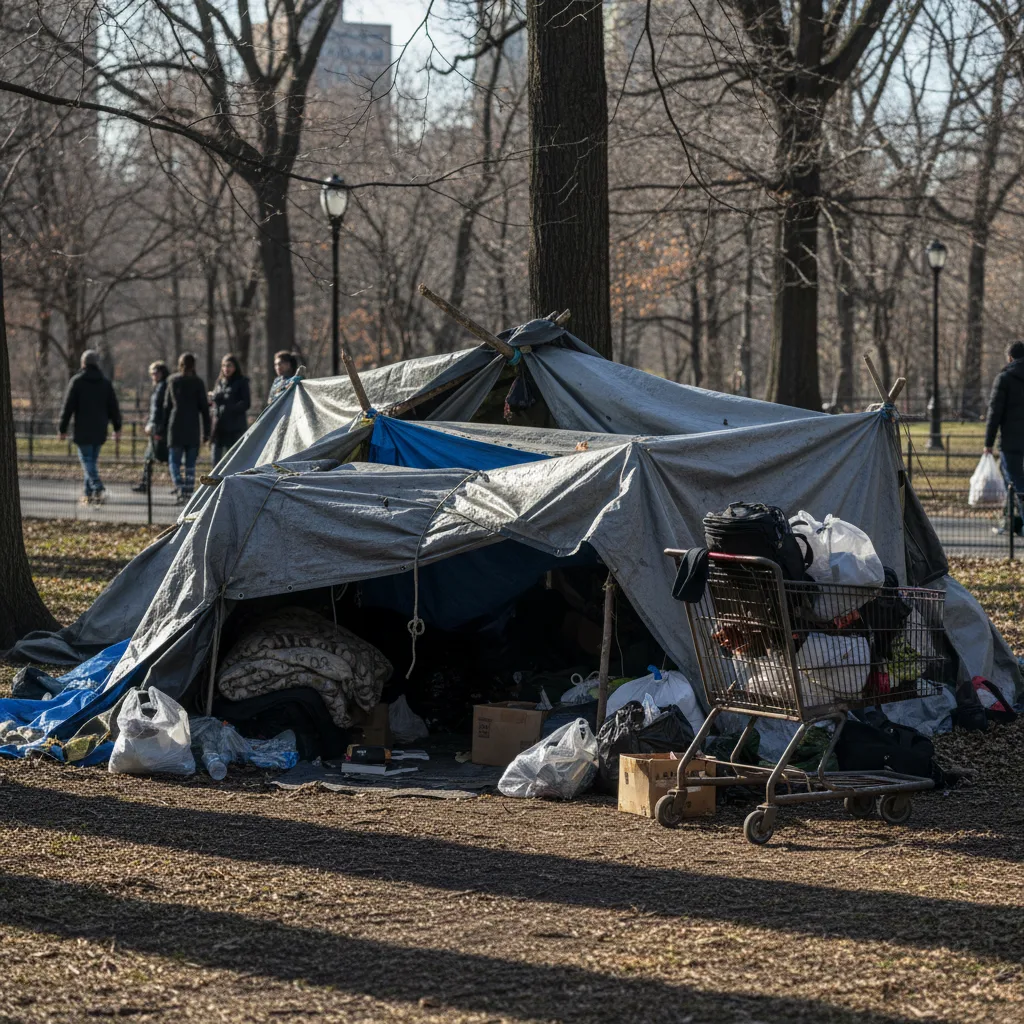
NYC Homeless Encampments Spotted Across Manhattan, Raising Concerns
Multiple homeless encampments have been spotted across Manhattan, raising significant concerns about urban policy and public safety. City officials are under pressure to address the growing homelessness crisis.
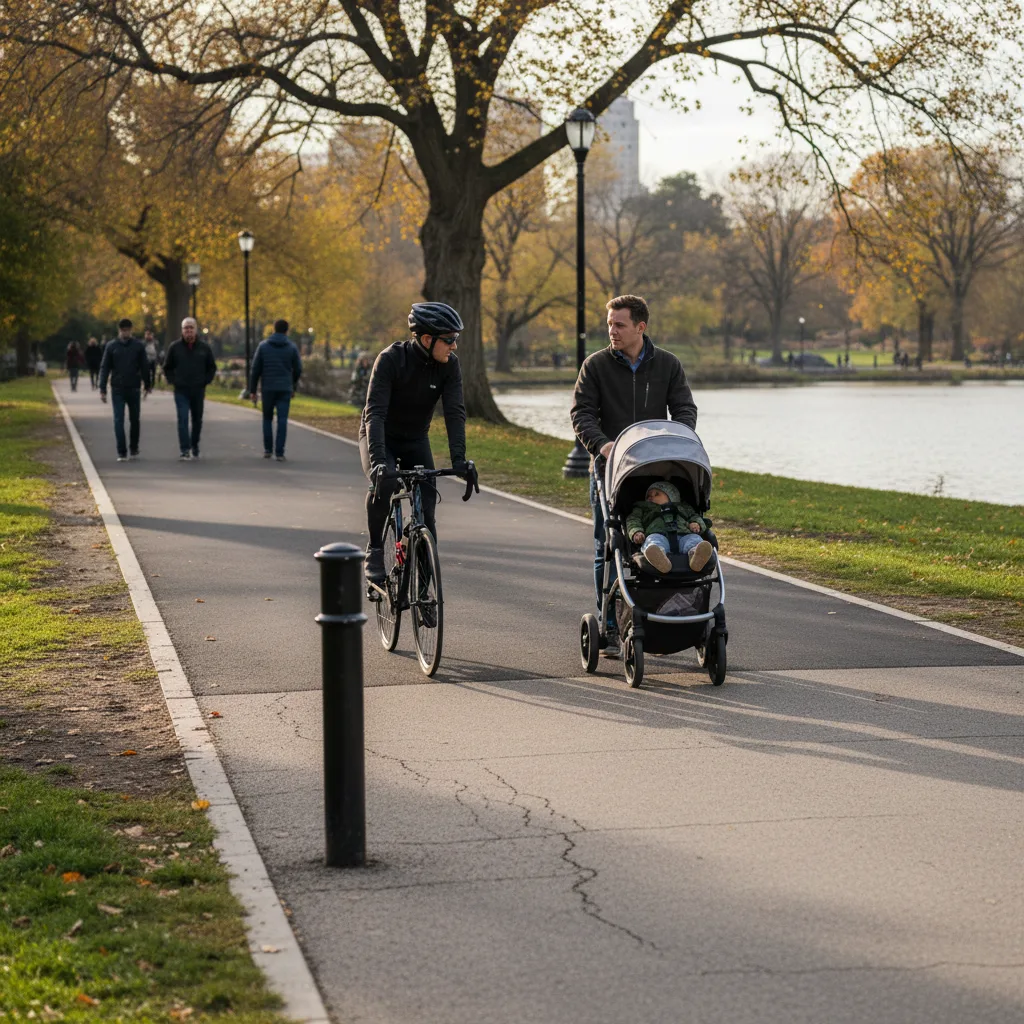
Safety Advocate Blames Park Redesign for Rising Central Park Cyclist Crashes
Safety advocates blame recent Central Park redesigns for a pedestrian's death and rising cyclist crashes, calling for urgent review of infrastructure.
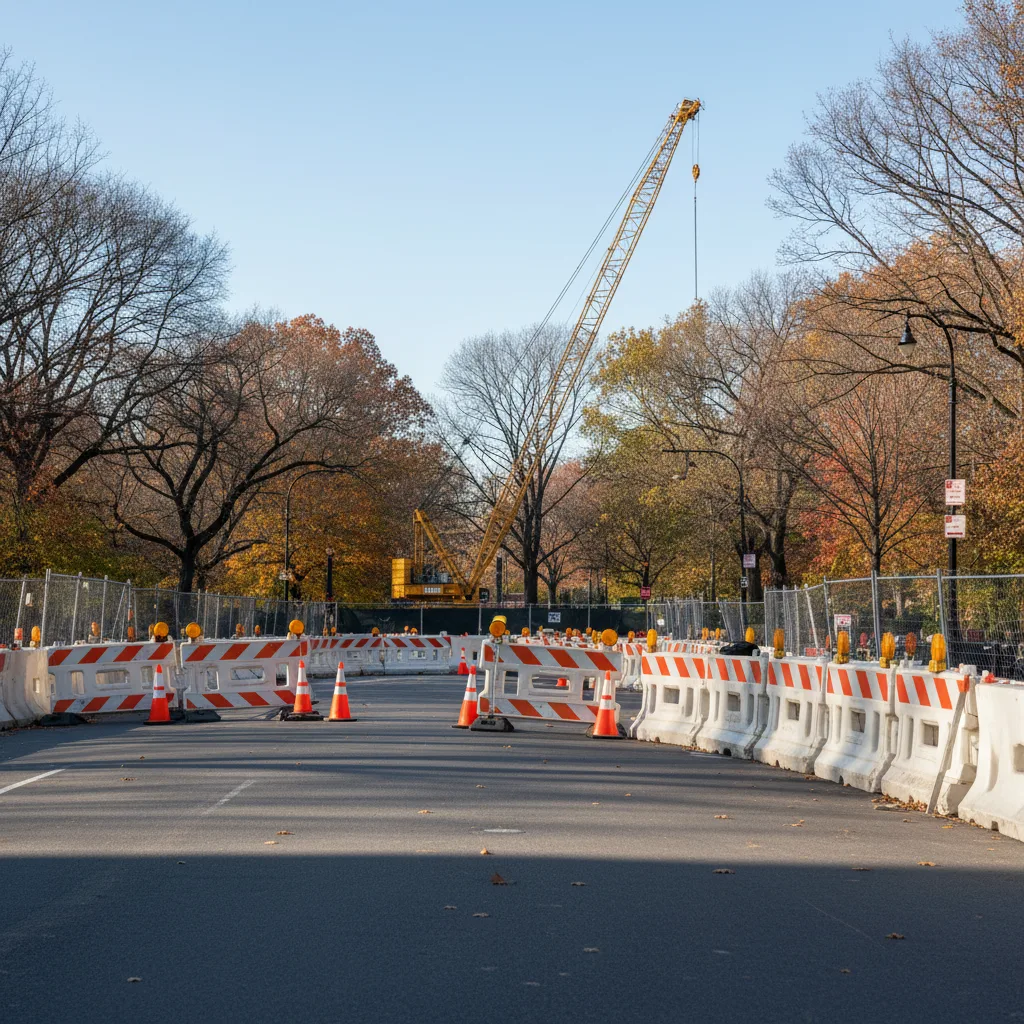
NYC DOT Advises Central Park Area Traffic Disruptions September 27
NYC DOT issued advisories for major traffic disruptions near Central Park on September 27, 2026, due to a parade and crane operations. Expect delays.

Davis Center at Harlem Meer Unveils State-of-the-Art Facilities
The new Davis Center at the Harlem Meer in Central Park's north end now features a state-of-the-art pool, ice rink, and multi-use turf field, enhancing community recreational options.
NYC City Record Confirms September 21, 2026, Publication Schedule
The NYC City Record confirmed its September 21, 2026, publication schedule, detailing administrative notices, procurement, and public hearings. This ensures transparency for municipal operations and public access to vital city information.