


Central Park Community Gardens Thrive Amidst Urban Sprawl, 2026 Initiative
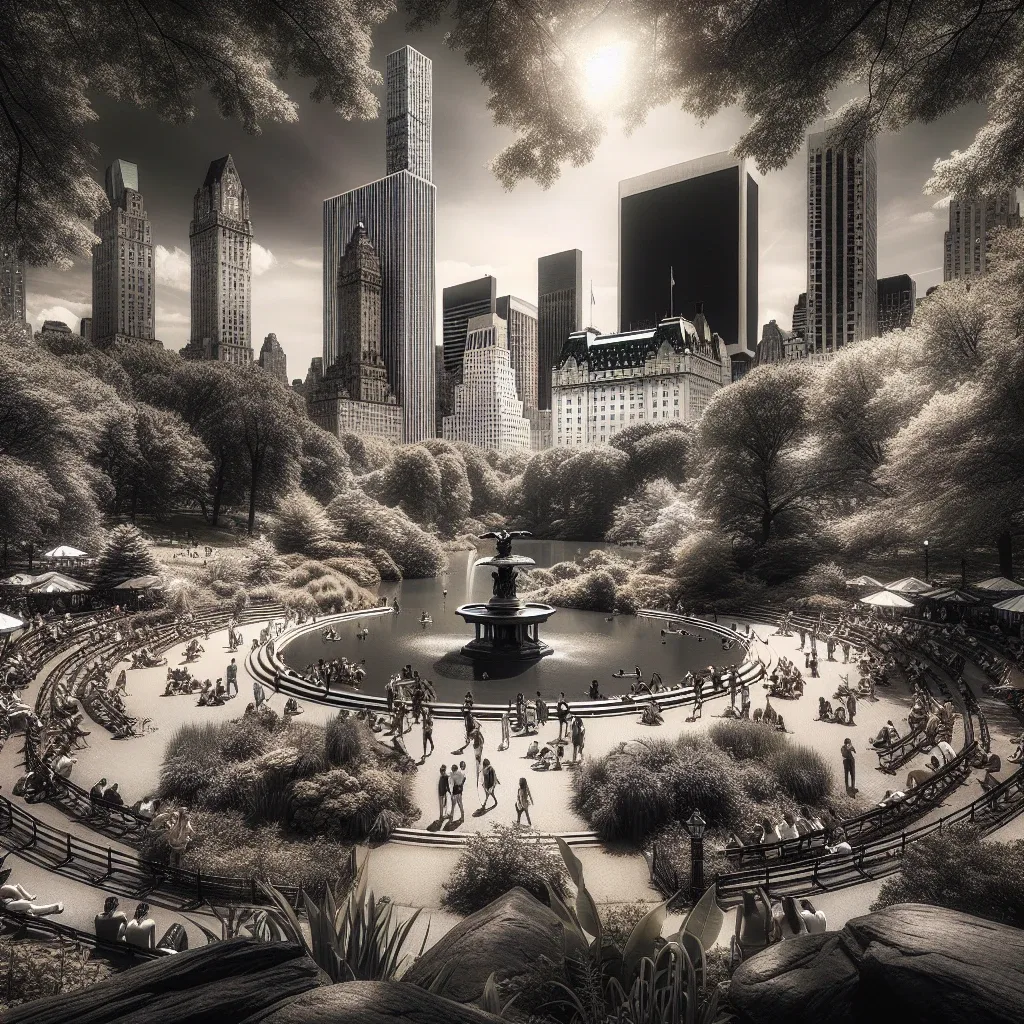
NEW YORK — "These gardens are a lifeline in the concrete jungle, offering not just beauty but a true sense of belonging," shared Maria Sanchez, a long-time volunteer at the Harlem Meer Community Garden. Her sentiment captures the essence of Central Park’s vital community gardening initiatives, which are experiencing a resurgence and new support in 2026.
These urban oases, scattered throughout the park’s northern sections, provide residents with green spaces to cultivate, connect, and contribute to their local environment. A new park-wide initiative aims to expand these green footprints.
The Growing Appeal of Urban Gardening
Central Park’s community gardens, though smaller and less publicized than its main attractions, serve as crucial anchors for local neighborhoods, especially those adjacent to the park. These plots, like the one at the Harlem Meer, offer a unique blend of nature and neighborly interaction.
For many New Yorkers, having a small plot of land to tend is a cherished escape from apartment living and the city’s constant hustle. The therapeutic benefits of gardening, combined with the fresh air, are significant draws, fostering mental well-being and a sense of accomplishment.
The "Green Thumbs Grow Here" Initiative
In March 2026, the Central Park Conservancy launched its "Green Thumbs Grow Here" initiative, dedicating $1.5 million to expand and revitalize existing community garden plots. This program will also identify new, underutilized areas within the park suitable for additional gardening spaces.
Emily Chang, Director of Community Engagement for the Conservancy, announced the details at a lively gathering near the Conservatory Garden. "Our goal is to increase the number of accessible plots by 25% by the end of 2027," Chang stated. "This initiative underscores our commitment to fostering community and connecting people to nature in meaningful ways."
Benefits Beyond Botany
Community gardens offer more than just flowers and vegetables; they cultivate strong social bonds. Gardeners often share tips, trade harvests, and organize potluck events, building a tight-knit network.
These spaces also serve as informal educational hubs, particularly for children, teaching them about sustainable practices, plant life cycles, and the importance of ecological balance. Programs often include workshops on composting and organic pest control. For more stories about community efforts and human interest within the park, see the latest Central Park news.
Historical Roots of Central Park Gardens
The concept of community gardens in Central Park has historical precedent, although the formal plots emerged more prominently in the latter half of the 20th century. Early landscape designs often included smaller, accessible areas for public interaction with flora, albeit on a less individualized scale.
Today's gardens, particularly the popular ones located in the North Woods and near the East 106th Street entrance, continue this tradition, providing a hands-on connection to the park's horticultural heritage. They stand as vibrant examples of participatory urban greening, evolving with city needs.
Local Impact and Volunteerism
Local residents, many of whom live in apartments without private outdoor space, eagerly sign up for the opportunity to tend a garden plot. The demand consistently outstrips availability, highlighting the vital role these spaces play in urban life.
Volunteer hours contribute significantly to the upkeep of these areas, with thousands of hours logged annually by dedicated individuals. This level of engagement exemplifies the deep personal connection New Yorkers feel towards their park and its smaller, more intimate features.
Challenges and Future Expansion
Despite their success, challenges remain, primarily concerning limited space and the ongoing need for maintenance resources. The "Green Thumbs Grow Here" initiative seeks to address these by securing additional funding and streamlining the application process for new gardeners.
Future plans also involve partnerships with local schools to integrate gardening into environmental science curricula. The vision is to make Central Park a national model for urban ecological education and community empowerment, beginning right from its soil. For related stories about park conservation and public engagement, explore the Central Park Conservancy's newsroom.
Frequently Asked Questions About Central Park Community Gardens
What are Central Park’s community gardens? These are designated plots within Central Park where local residents can grow plants, fostering community connection and providing green space.
What is the "Green Thumbs Grow Here" initiative? Launched by the Central Park Conservancy in March 2026, this $1.5 million initiative aims to expand and revitalize existing community gardens and create new ones.
How many new plots are planned? The initiative aims to increase the number of accessible garden plots by 25% by the end of 2027.
What benefits do these gardens offer? Beyond gardening, they foster strong social bonds, provide educational opportunities, and promote mental well-being for urban residents.
Related Articles
More in Wildlife & Nature →
Central Park Boathouse Bird Watching Tour Offers Educational Experience
Central Park Boathouse offers an educational bird watching tour, providing visitors an opportunity to observe avian species. This experience connects locals with nature, enhancing appreciation for park wildlife.
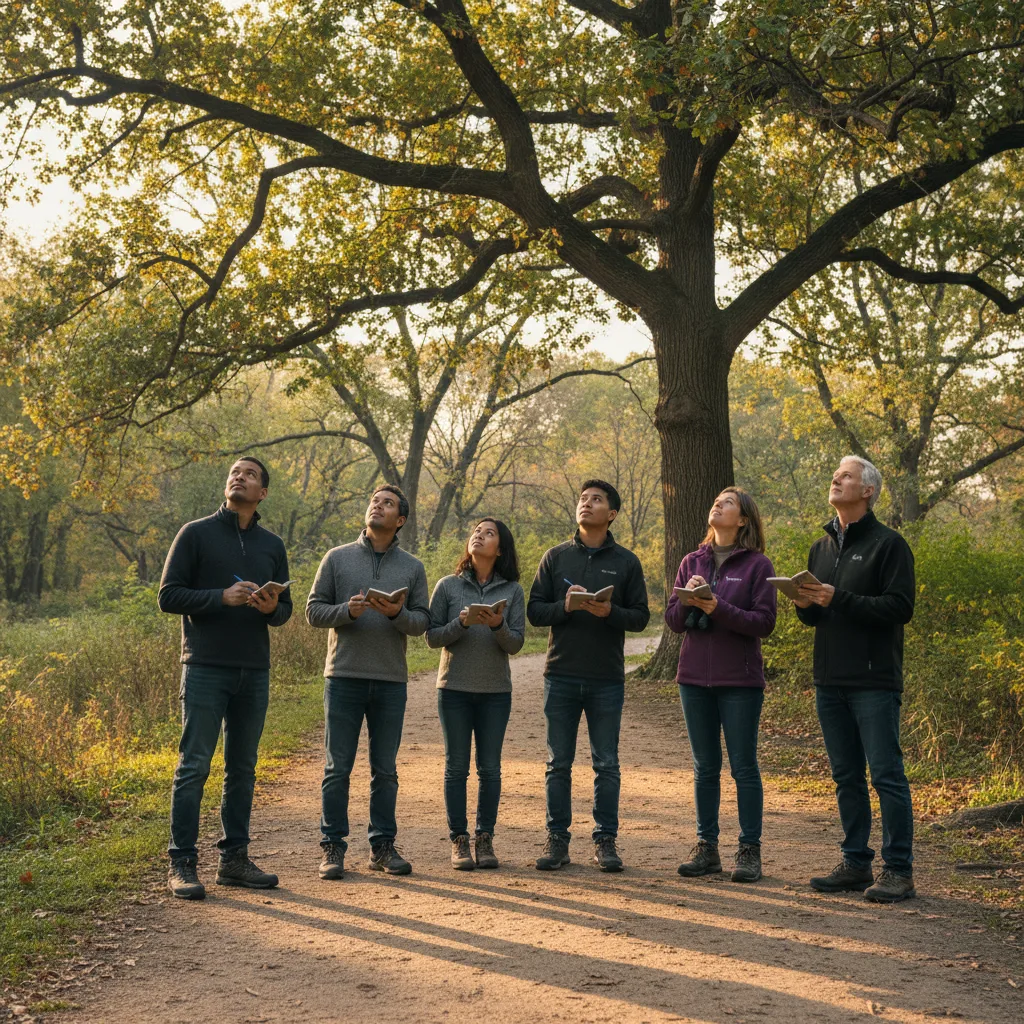
Central Park Event Calendar Features Climate Week Activities September 27
Central Park's event calendar for September 27, 2026, included a Climate Week-aligned "Journal, Meditation, + Bird Walk," promoting environmental awareness.
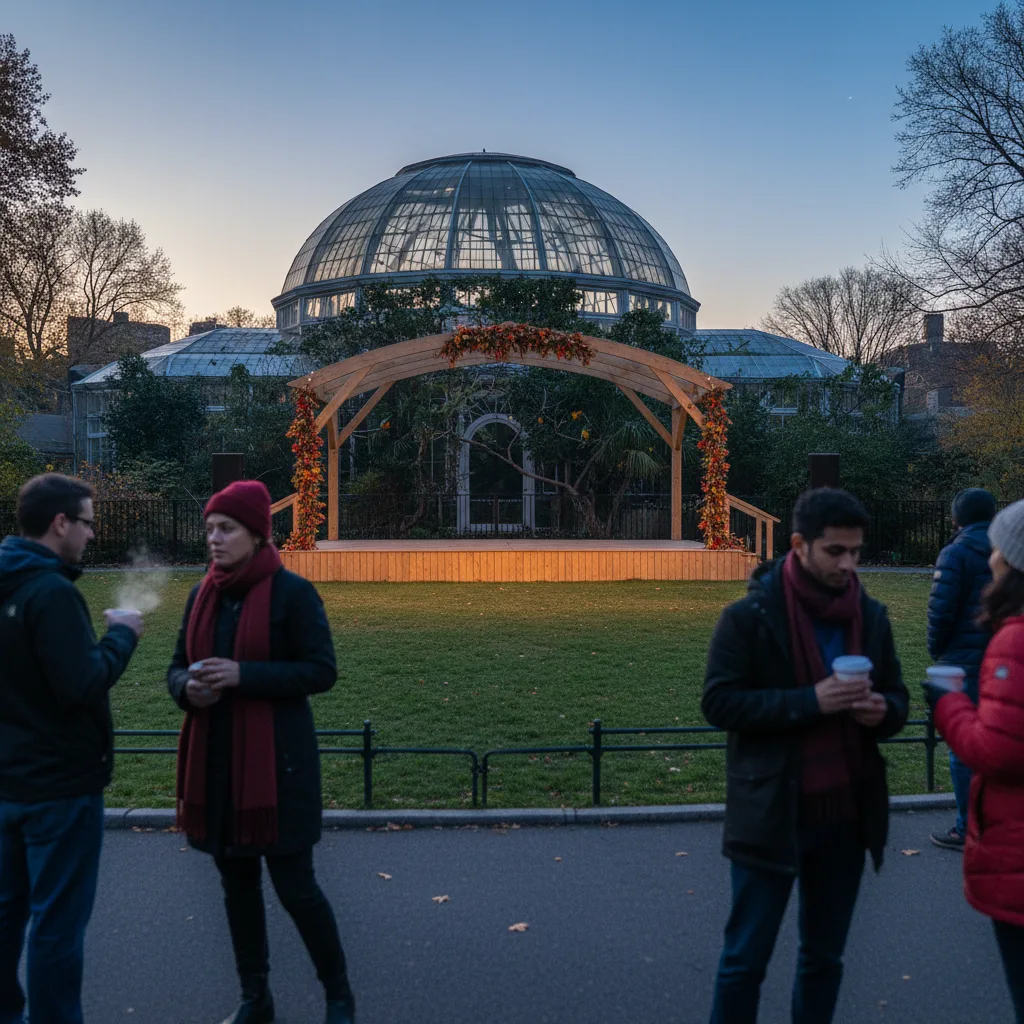
Wildlife Conservation Society Awards Lovejoy Prize at Central Park Zoo
Wildlife Conservation Society awards 2026 Thomas E. Lovejoy Prize today at Central Park Zoo during Climate Week in New York City.
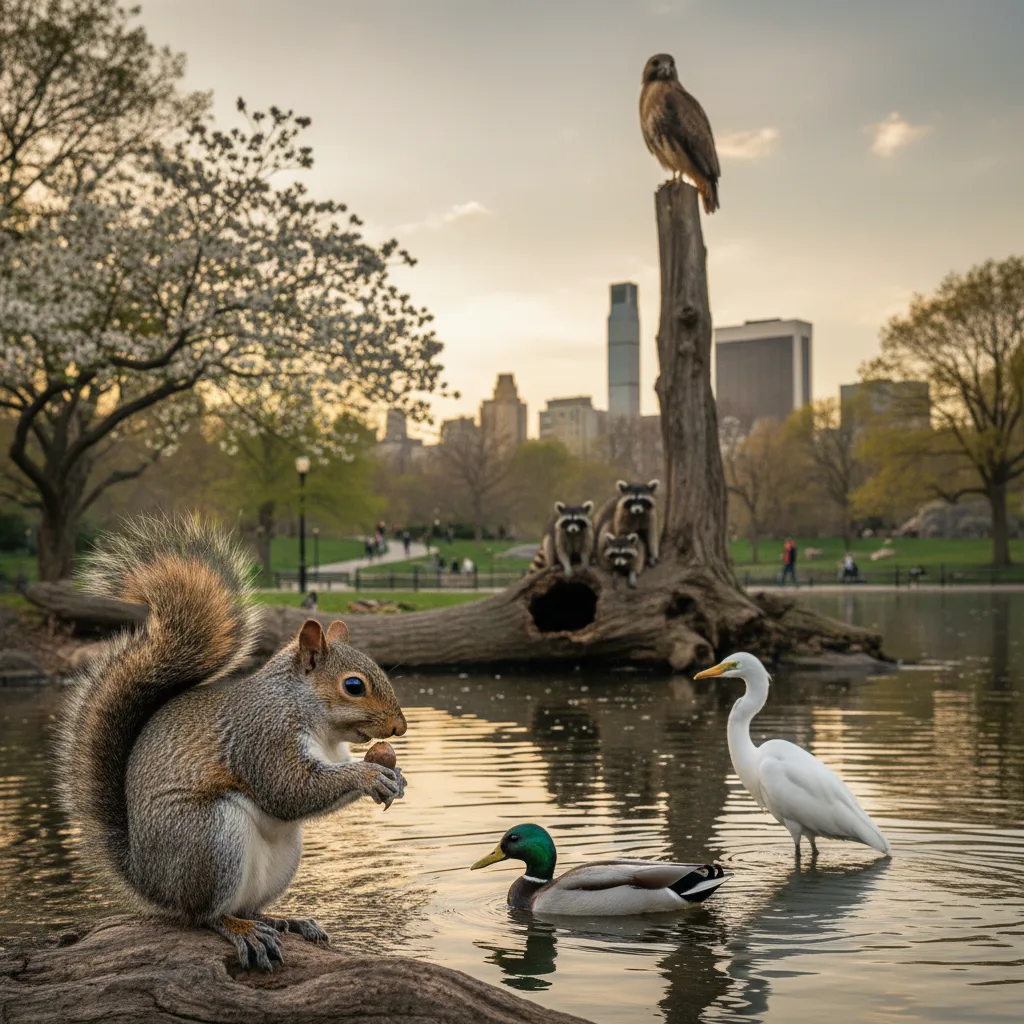
A Guide to Central Park's Wildlife: What to Know About the Park's Animals and Ecosystem
Discover the diverse Central Park wildlife, from birds and mammals to aquatic life. Learn responsible observation tips and conservation efforts for 2026.
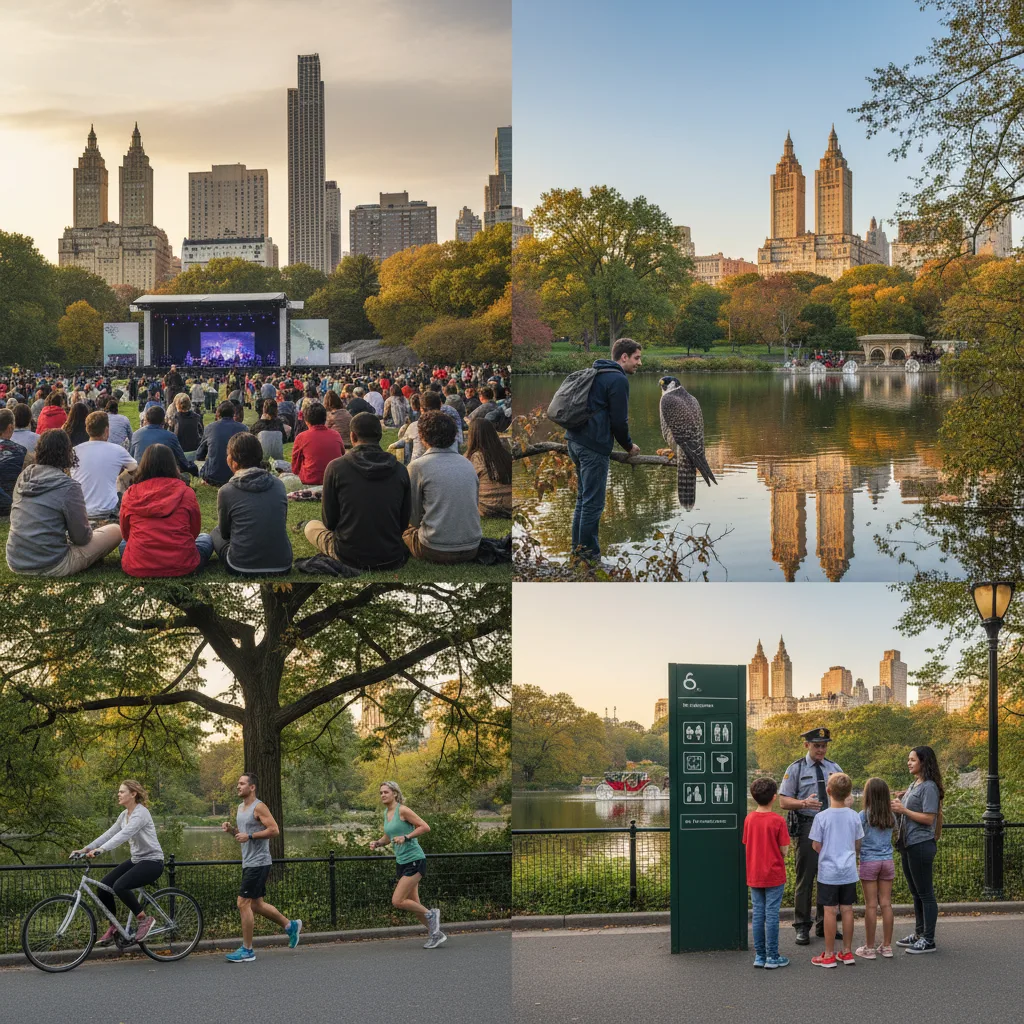
A Guide to Central Park's Top Activities and Best Things to Do in 2026
Discover the best things to do in Central Park, NYC, with our comprehensive 2026 guide to iconic landmarks, activities, and hidden gems for visitors.
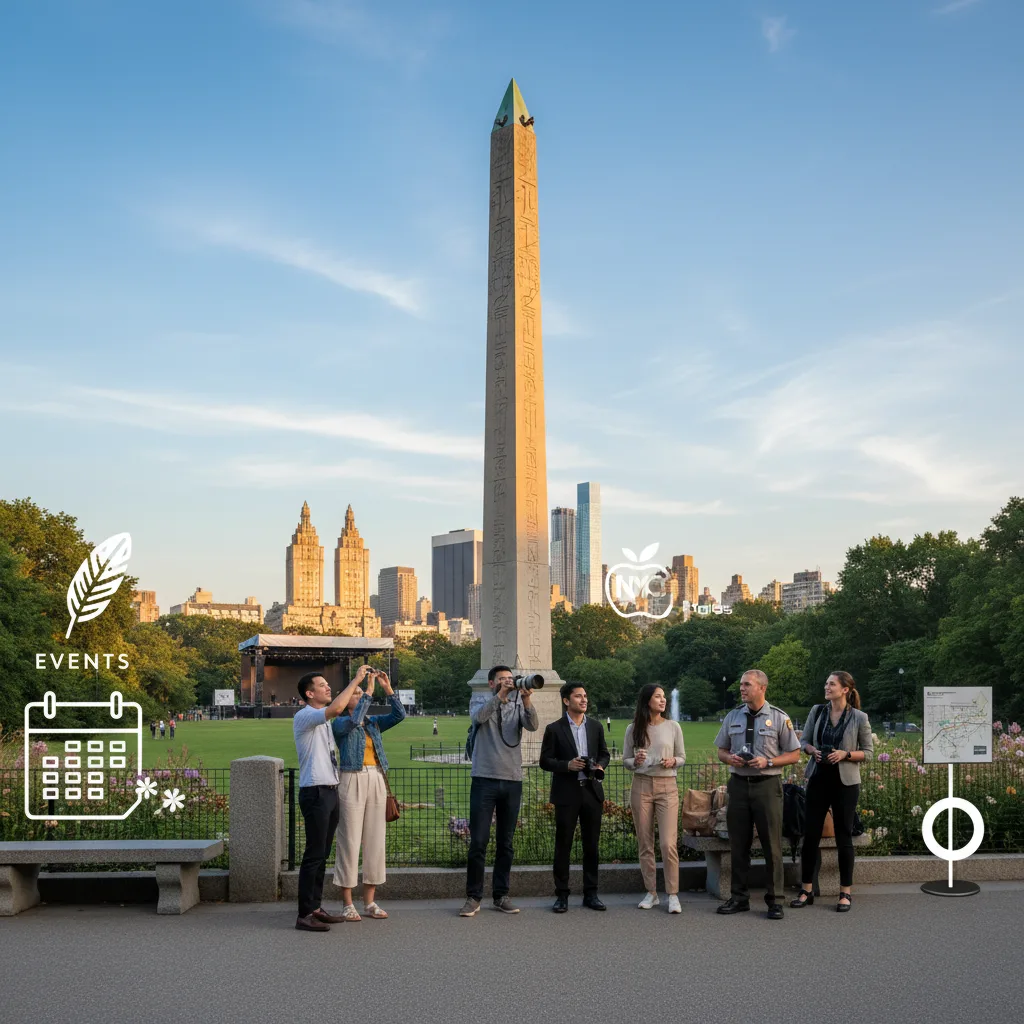
A Guide to What to Know About the Vatican Obelisk in Central Park 2026
Discover what to know about the Vatican Obelisk (Cleopatra's Needle) in Central Park, its history, journey to NYC, and where to find it in 2026.