


Central Park Conservancy Advocates for Full Car Ban, Citing Pedestrian Safety & Environmental Gains
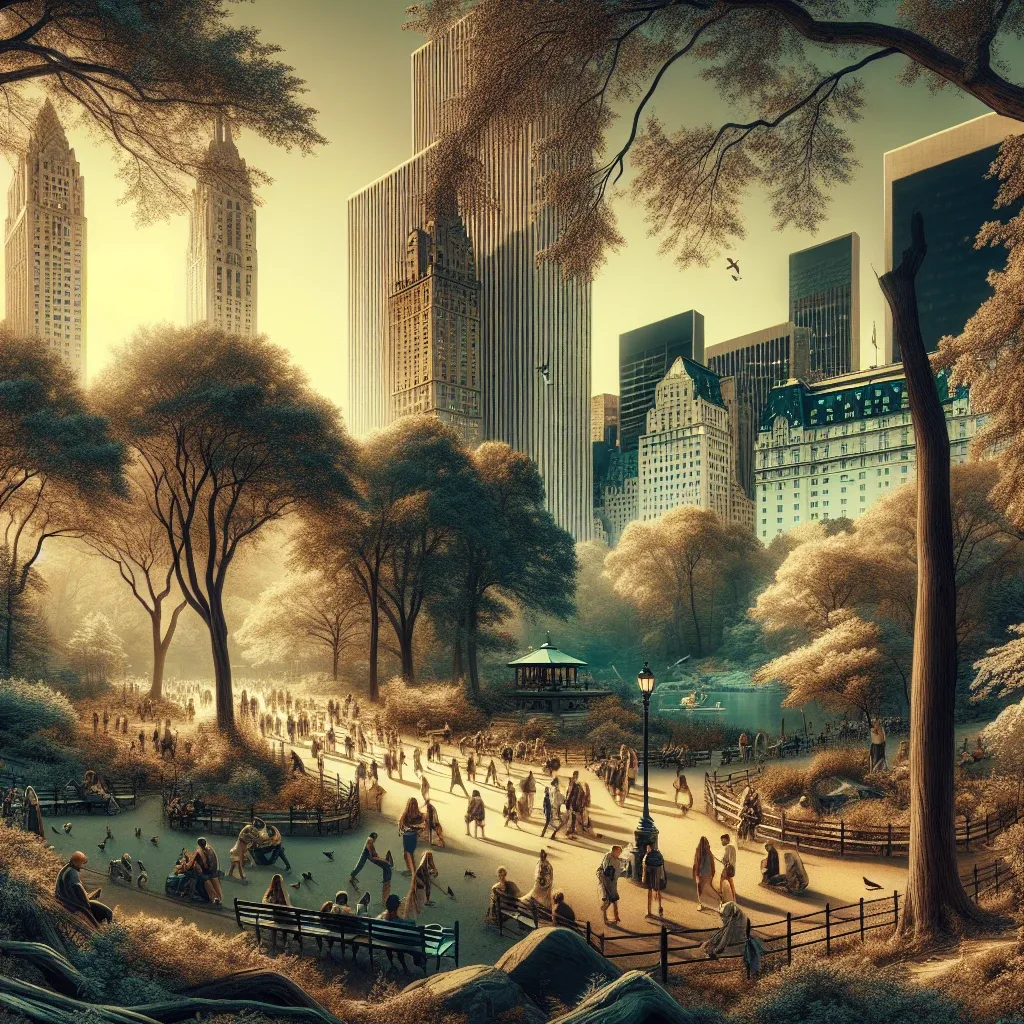
NEW YORK — “Central Park should be a sanctuary of peace and nature, entirely free from the noise and pollution of vehicular traffic,” declared Sarah Thompson, President and CEO of the Central Park Conservancy, in a public address on Monday.
Thompson’s powerful statement underscored the Conservancy’s escalated advocacy for a complete ban on cars from all New York City parks, citing compelling data on pedestrian safety and environmental benefits. This push comes as part of a broader city-wide initiative to reclaim public spaces for passive recreation.
The Case for a Car-Free Park
The Central Park Conservancy has long championed a car-free environment within the 843-acre green space, arguing that vehicle presence compromises the park's fundamental purpose. Their latest initiative emphasizes the negative impact of traffic on air quality and user experience.
Currently, Central Park has severely restricted car access, with only a few transverse roads remaining open to vehicular traffic during limited hours. The Conservancy’s proposal seeks to eliminate these final roadways, creating a truly uninterrupted pedestrian and cyclist haven.
Pedestrian Safety: A Primary Concern
Safety data consistently shows a higher risk of accidents involving pedestrians and cyclists in areas with vehicular traffic, even with reduced speeds. The Conservancy reported over 20 vehicle-related incidents within park limits in 2025, a statistic they aim to reduce to zero.
“Every collision is preventable if we remove the primary source of danger,” Thompson reiterated, speaking from a podium near the Grand Army Plaza entrance. Her organization believes a full ban would make the park significantly safer for the estimated 42 million annual visitors.
Environmental Benefits and Green Initiatives
Eliminating cars would also yield substantial environmental advantages, according to a recent Conservancy study. Reduced emissions would improve air quality within the park and surrounding neighborhoods, benefiting public health and local flora.
The study projected a 15% reduction in localized carbon monoxide levels within two years of a full ban. Furthermore, decreased asphalt maintenance requirements would free up resources for ecological restoration projects, such as wetland preservation near the Meer.
Public and Political Reactions
Public opinion on a complete car ban remains divided, though a significant majority of park users support the initiative. Advocacy groups like Transportation Alternatives have voiced strong support, while some local businesses expressed concerns about delivery access.
City Council Member Robert Chen, representing a district bordering Central Park, acknowledged the Conservancy’s proposal. “We are carefully weighing the ecological benefits against the logistical challenges for residents and emergency services,” Chen told reporters. For broader perspectives on environmental policy in NYC, review Central Park Conservancy's press releases.
Next Steps in Advocacy
The Central Park Conservancy plans to launch a public awareness campaign in early 2026, featuring informational sessions and public forums across Manhattan. They aim to gather further community feedback and build consensus for the proposed ban.
The organization will present a detailed proposal to the City Council and the Department of Transportation by mid-year. This comprehensive plan will outline alternative access solutions for essential services and maintenance vehicles, addressing common concerns. Additional news on park developments can be found via ABC7 New York's Central Park coverage.
Frequently Asked Questions (FAQ)
What is the Central Park Conservancy advocating for regarding vehicles?
The Central Park Conservancy is advocating for a complete ban on all vehicular traffic from Central Park and, ideally, all New York City parks.
What are the primary reasons cited for the car ban?
The primary reasons cited are enhancing pedestrian and cyclist safety, improving air quality by reducing emissions, and reclaiming public spaces for passive recreation.
How many vehicle-related incidents were reported in Central Park in 2025?
The Conservancy reported over 20 vehicle-related incidents within Central Park limits during 2025, highlighting safety concerns.
What is the projected environmental benefit of a full car ban?
A study projected a 15% reduction in localized carbon monoxide levels within two years of implementing a full car ban in the park.
When will the Conservancy present its detailed proposal to city officials?
The Central Park Conservancy plans to present a detailed proposal to the City Council and the Department of Transportation by mid-2026, outlining access solutions.
Related Articles
More in Wildlife & Nature →
Central Park Boathouse Bird Watching Tour Offers Educational Experience
Central Park Boathouse offers an educational bird watching tour, providing visitors an opportunity to observe avian species. This experience connects locals with nature, enhancing appreciation for park wildlife.
Central Park Event Calendar Features Climate Week Activities September 27
Central Park's event calendar for September 27, 2026, included a Climate Week-aligned "Journal, Meditation, + Bird Walk," promoting environmental awareness.
Wildlife Conservation Society Awards Lovejoy Prize at Central Park Zoo
Wildlife Conservation Society awards 2026 Thomas E. Lovejoy Prize today at Central Park Zoo during Climate Week in New York City.
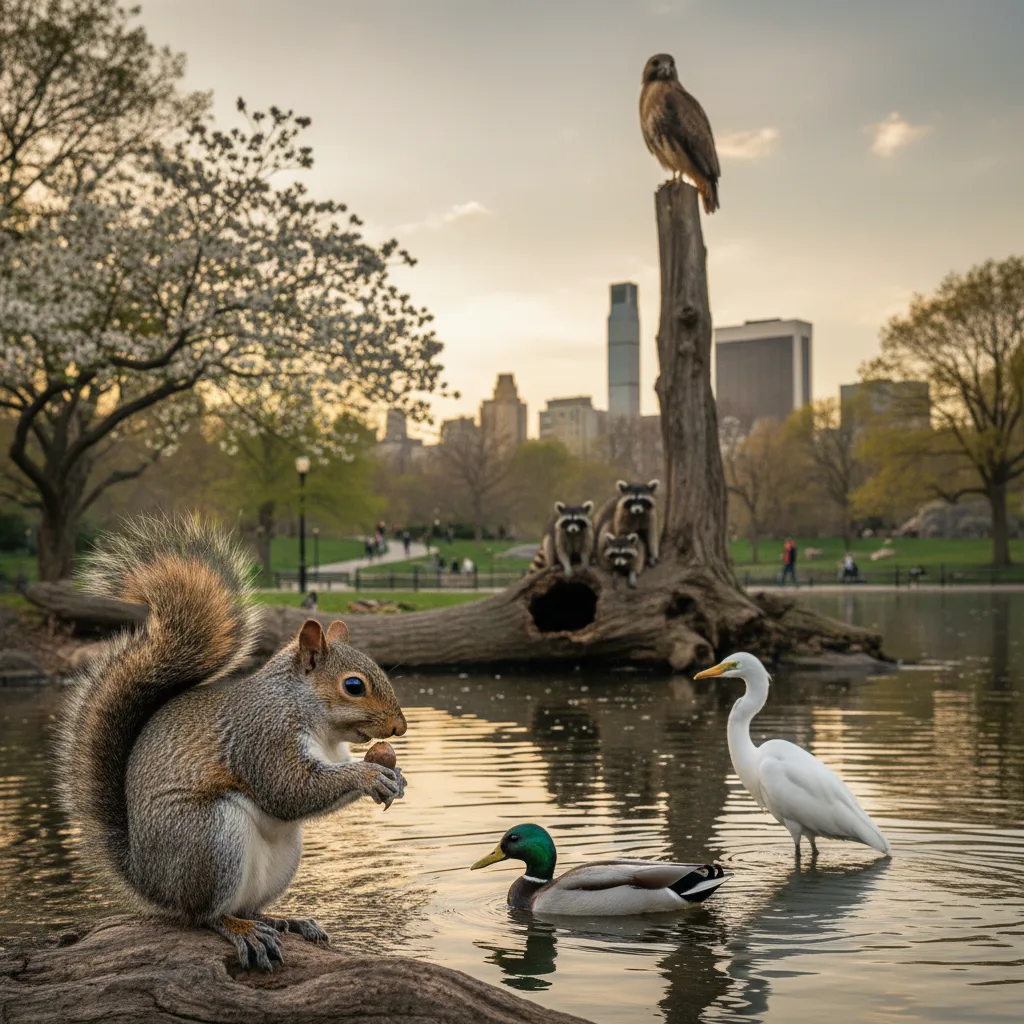
A Guide to Central Park's Wildlife: What to Know About the Park's Animals and Ecosystem
Discover the diverse Central Park wildlife, from birds and mammals to aquatic life. Learn responsible observation tips and conservation efforts for 2026.
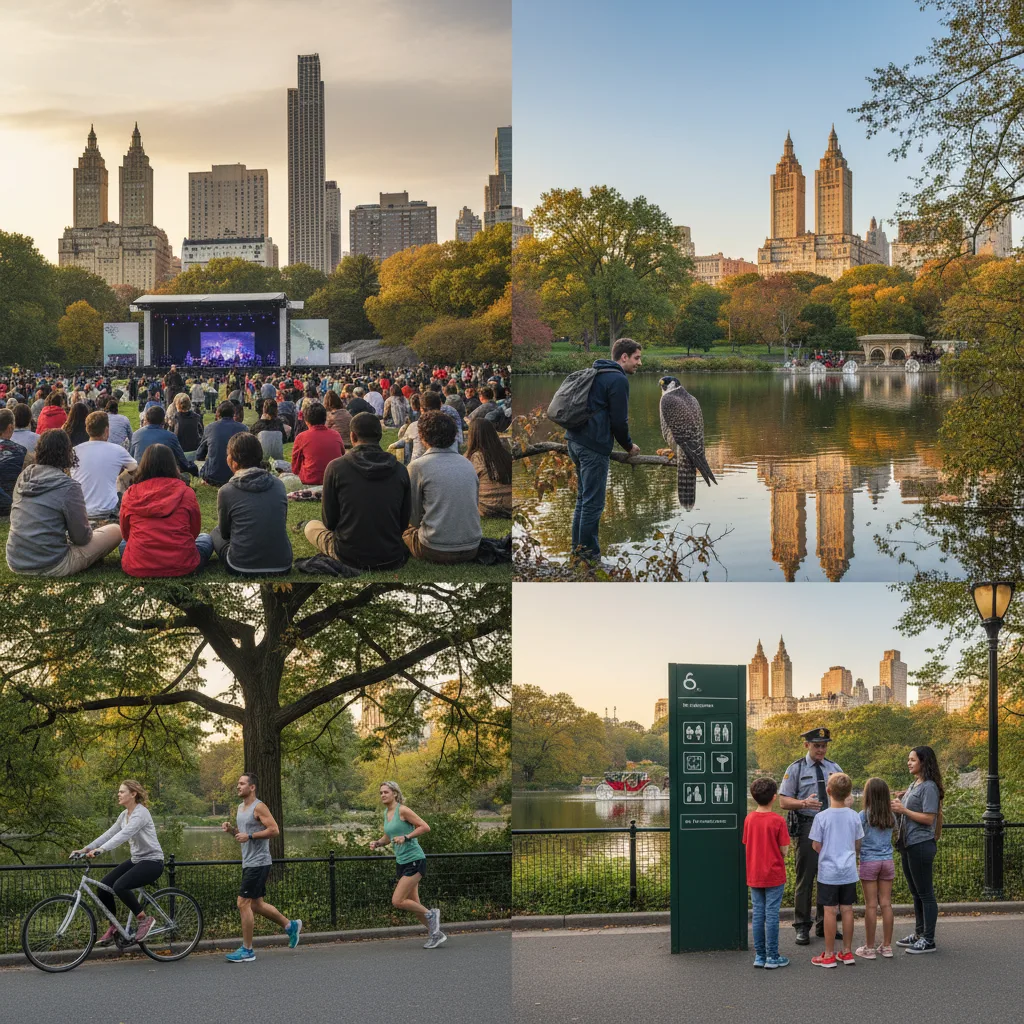
A Guide to Central Park's Top Activities and Best Things to Do in 2026
Discover the best things to do in Central Park, NYC, with our comprehensive 2026 guide to iconic landmarks, activities, and hidden gems for visitors.
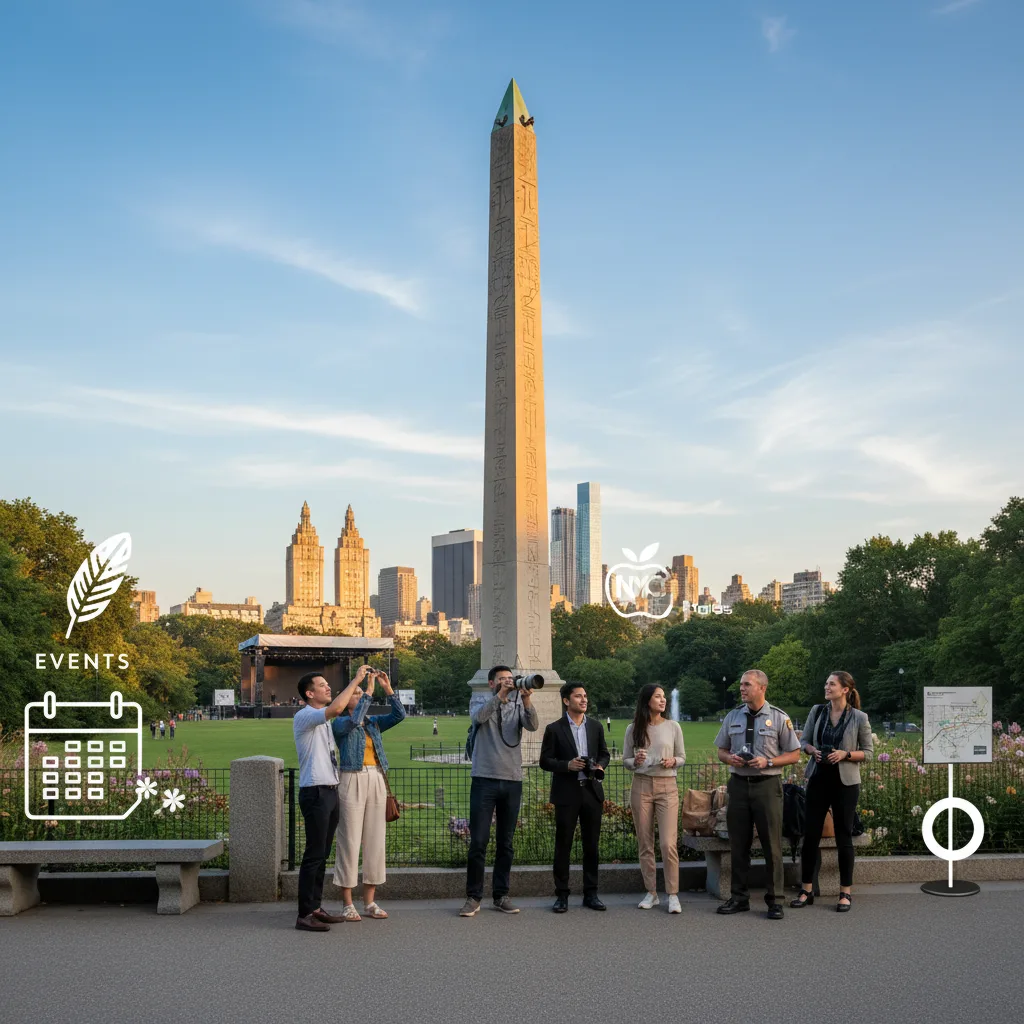
A Guide to What to Know About the Vatican Obelisk in Central Park 2026
Discover what to know about the Vatican Obelisk (Cleopatra's Needle) in Central Park, its history, journey to NYC, and where to find it in 2026.