


Central Park Parakeet Rescue Unites Community, Mei Mei Finds New Home

NEW YORK — A heartwarming 10-week mission to rescue a wayward parakeet, affectionately named Mei Mei, from Central Park's diverse ecosystem culminated in success earlier this week. The delicate operation, involving dedicated volunteers and avian experts, showcased a remarkable display of community solidarity.
The small green bird, a Monk parakeet, had become a fixture near the Pond at the park's southeast corner for months, drawing the attention of worried birdwatchers and local residents alike. Her plight resonated deeply with many New Yorkers.
The Plight of Mei Mei
Mei Mei, identified by her distinctive bright green plumage and lively chirps, was first spotted in late January 2026, navigating the harsh urban winter conditions. Unlike native birds, Monk parakeets are not typically migratory and struggled with the cold temperatures, particularly after severe cold snaps hit the city.
Avian enthusiasts initially tried to lure her with food, but her elusive nature made direct intervention challenging. The parakeet often roosted high in the bare branches of an American Elm, making capture difficult and risky without professional equipment.
A Community-Led Rescue Effort
The organized rescue effort officially began in mid-February, spearheaded by the Wild Bird Fund, a New York City wildlife rehabilitation center, and a group of concerned Central Park regulars. Over two dozen volunteers participated in daily observation shifts, documenting Mei Mei’s feeding habits and flight patterns.
"We couldn't just stand by and watch her suffer," stated Dr. Eliza Thorne, a veterinarian and volunteer coordinator for the Wild Bird Fund. "Her resilience was inspiring, but we knew she needed help to truly thrive in an urban environment that wasn't her natural habitat."
Ten Weeks of Dedication
The mission involved a careful strategy, including the deployment of specialized traps baited with parakeet-friendly seeds and fruits. Volunteers spent hours patiently waiting, sometimes in freezing temperatures, near locations where Mei Mei was frequently seen, like the Gapstow Bridge.
Local residents brought thermoses of hot coffee and offered moral support, creating a tangible sense of shared purpose. The effort brought together people from various walks of life, all united by a common concern for a small bird. For additional details on the rescue and a video account, you can visit the original ABC News coverage.
The Moment of Capture
The breakthrough occurred on Monday, April 7, 2026, around 4:15 PM, after a new, larger trap was strategically placed near a favorite feeding spot by the Wollman Rink. Mei Mei, lured by a special blend of sunflower seeds, entered the trap without incident.
The capture was met with a collective sigh of relief and cheers from the small crowd of volunteers and onlookers who had gathered. The parakeet was immediately transferred to a padded carrier and taken to the Wild Bird Fund for a health assessment.
Mei Mei's New Beginning
Upon examination, veterinarians at the Wild Bird Fund confirmed Mei Mei was underweight but otherwise healthy. She was found to be a female of approximately two years old. After a brief period of observation and nutritional support, Mei Mei was placed in a permanent sanctuary.
She is now residing at an avian rescue facility upstate, where she has access to a spacious aviary and the company of other Monk parakeets. This transition marks a new chapter for the resilient bird, far from the bustling heart of the city. You can discover more about Central Park's diverse wildlife by exploring other news about the park.
Lessons in Community and Compassion
The rescue of Mei Mei transcended a simple animal welfare case; it became a symbol of New York City's compassionate spirit. The collective effort highlighted how a shared concern for a vulnerable creature could bridge community divides and foster a sense of collective responsibility.
Dr. Thorne reflected on the outcome: "This entire experience demonstrated the power of community, and the deep connection many New Yorkers feel for the green spaces and the life within them. It was truly inspiring for everyone involved."
Frequently Asked Questions About Mei Mei's Rescue
Who is Mei Mei? Mei Mei is a Monk parakeet that had been living in Central Park for several months and became the subject of a community-led rescue effort.
How long did the rescue mission take? The organized rescue mission spanned 10 weeks, from mid-February to April 7, 2026.
What organization led the rescue? The Wild Bird Fund, a New York City wildlife rehabilitation center, coordinated the efforts with numerous volunteers.
Where is Mei Mei now? After a health check, Mei Mei has been relocated to an avian rescue facility upstate where she will live in a sanctuary with other parakeets.
Related Articles
More in Wildlife & Nature →
Central Park Boathouse Bird Watching Tour Offers Educational Experience
Central Park Boathouse offers an educational bird watching tour, providing visitors an opportunity to observe avian species. This experience connects locals with nature, enhancing appreciation for park wildlife.
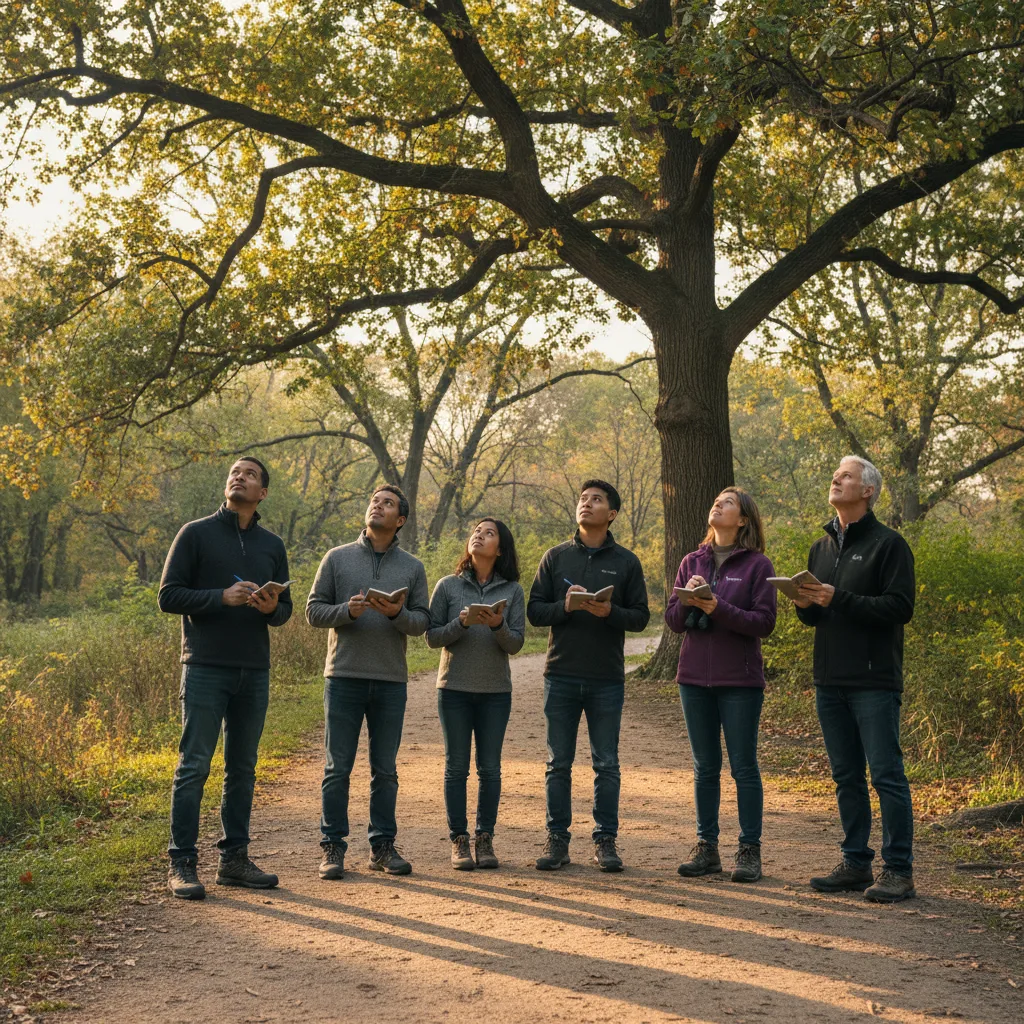
Central Park Event Calendar Features Climate Week Activities September 27
Central Park's event calendar for September 27, 2026, included a Climate Week-aligned "Journal, Meditation, + Bird Walk," promoting environmental awareness.
Wildlife Conservation Society Awards Lovejoy Prize at Central Park Zoo
Wildlife Conservation Society awards 2026 Thomas E. Lovejoy Prize today at Central Park Zoo during Climate Week in New York City.
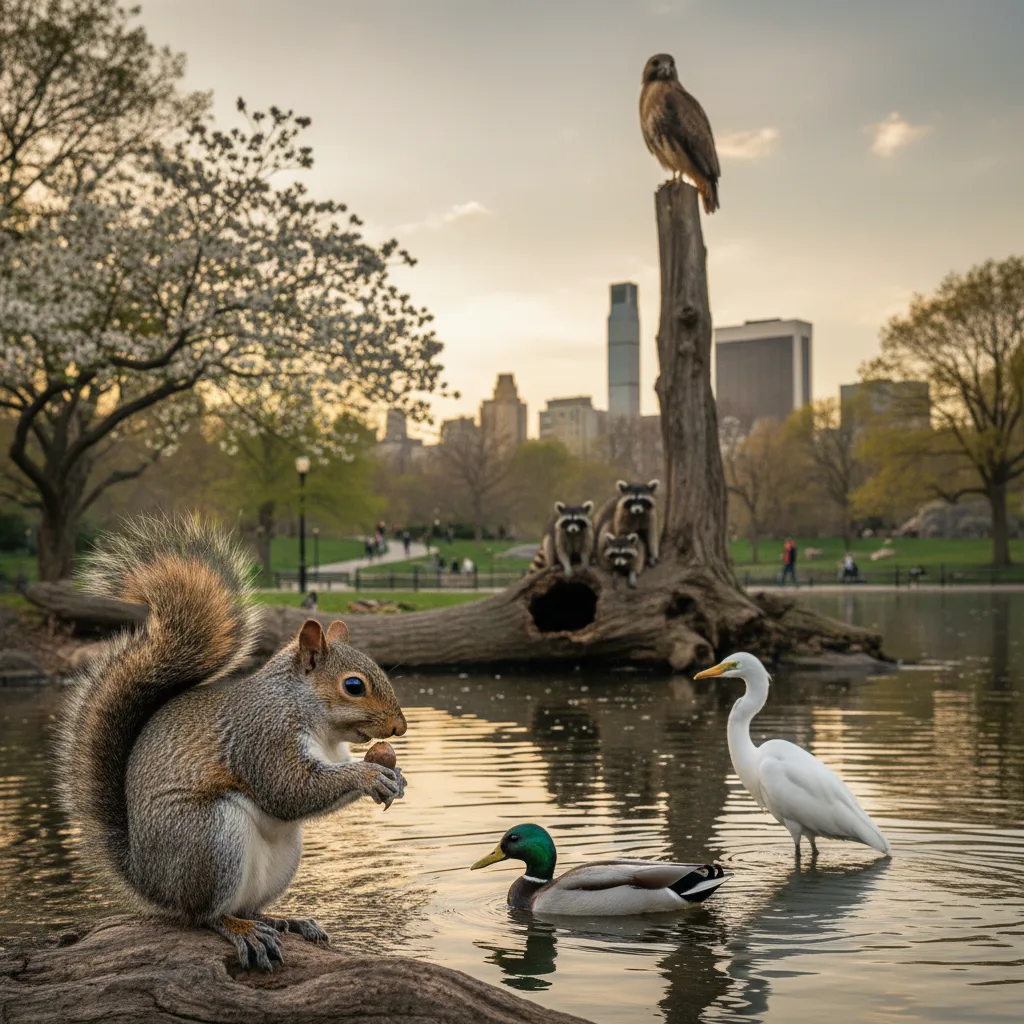
A Guide to Central Park's Wildlife: What to Know About the Park's Animals and Ecosystem
Discover the diverse Central Park wildlife, from birds and mammals to aquatic life. Learn responsible observation tips and conservation efforts for 2026.
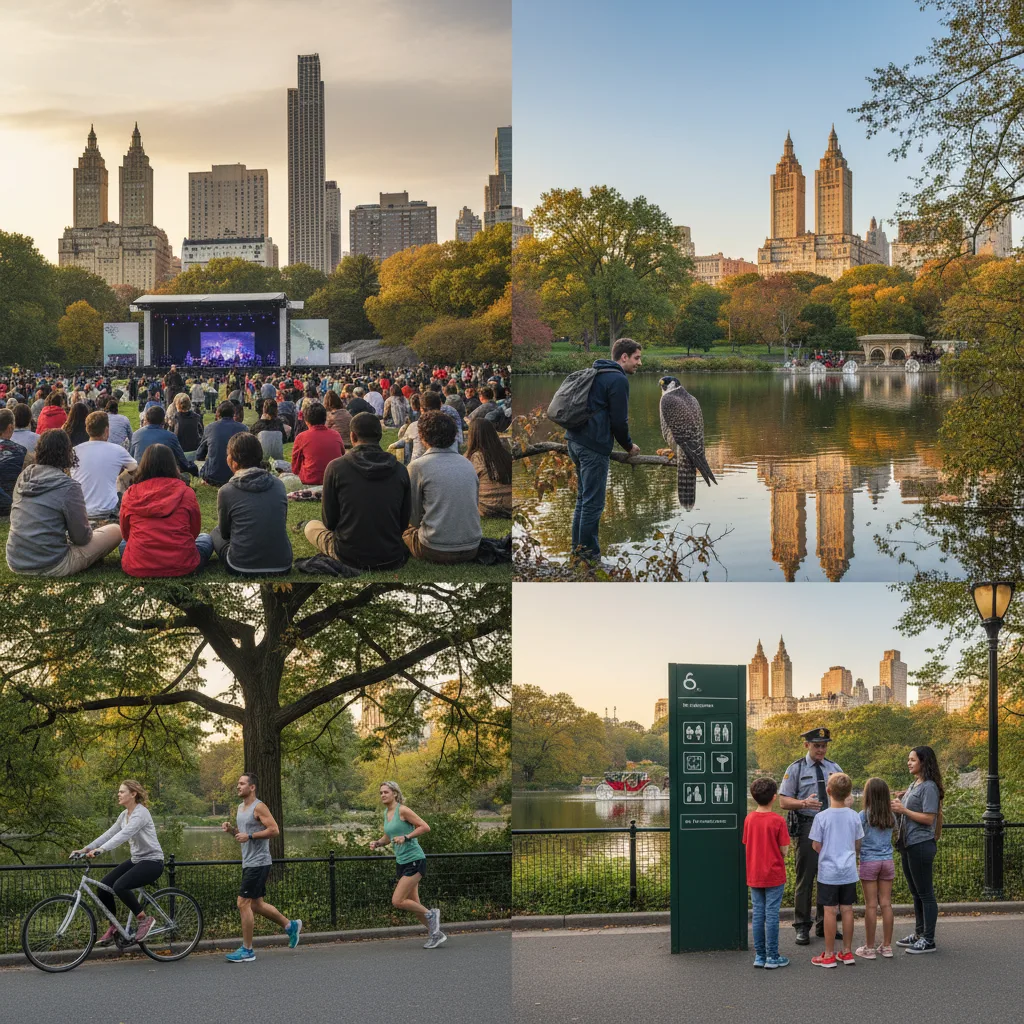
A Guide to Central Park's Top Activities and Best Things to Do in 2026
Discover the best things to do in Central Park, NYC, with our comprehensive 2026 guide to iconic landmarks, activities, and hidden gems for visitors.
A Guide to What to Know About the Vatican Obelisk in Central Park 2026
Discover what to know about the Vatican Obelisk (Cleopatra's Needle) in Central Park, its history, journey to NYC, and where to find it in 2026.