


Central Park: Two Horse Carriages Collide Near West 60th Street

NEW YORK — Two horse-drawn carriages collided Monday evening near the intersection of Central Park South and West 60th Street, prompting an immediate response from emergency services. The incident, which occurred just after 6:30 PM, resulted in minor injuries to several occupants and the horses involved, according to preliminary reports from the New York Police Department (NYPD). A chaotic scene unfolded as tourists and park-goers witnessed the impact, with one carriage overturning partially.
Witnesses described the event as sudden, noting the immediate presence of police and EMS personnel who quickly secured the area. This incident has reignited long-standing debates regarding the safety of horse-drawn carriages operating within the bustling confines of Central Park.
Collision Details and Initial Response
The collision took place close to the busy park entrance at Columbus Circle, a common staging area for the iconic carriages. Initial reports from NYPD Officer David Rossi confirmed that two carriages, both carrying passengers, were involved in the low-speed impact. Officer Rossi stated, "Our preliminary investigation suggests one carriage may have veered unexpectedly, leading to the contact. We are still assessing the full sequence of events leading up to the collision." The exact cause remains under investigation, with traffic collision experts examining the scene for contributing factors.
Emergency medical technicians treated three individuals at the scene for minor cuts and bruises; none required hospitalization. The two horses, after being examined by a veterinarian from the American Society for the Prevention of Cruelty to Animals (ASPCA), appeared to suffer no severe injuries, though they were visibly agitated. This rapid veterinary assessment is standard protocol following any incident involving working animals in the city.
Animal Welfare Concerns Reignited
Advocacy groups for animal welfare have swiftly condemned the incident, using it as further evidence in their ongoing campaign to ban horse-drawn carriages from Central Park. Edith Green, spokesperson for 'New Yorkers for Animal Rights,' released a statement shortly after the crash. "This collision, however minor the human injuries, highlights the inherent dangers of forcing horses to navigate crowded urban environments," Green said, urging city officials to reconsider the future of the industry. Her organization has consistently pointed to the high-traffic conditions around the park as unsuitable for large animals.
The ASPCA, while praising the prompt veterinary response, reiterated its position on the inherent risks. Dr. Sarah Miller, a senior veterinarian with the ASPCA, noted, "Even minor incidents can cause significant stress and potential long-term issues for these animals. We continuously advocate for the humane treatment of all working animals in New York City." Their findings from the initial examination will be part of the official report.
Regulatory Landscape and Driver Accountability
The horse-drawn carriage industry in Central Park operates under strict regulations enforced by the New York City Department of Consumer and Worker Protection (DCWP) and the NYC Department of Health and Mental Hygiene (DOHMH). Drivers are required to hold specialized licenses, and carriages undergo regular inspections for safety compliance. Violations can lead to severe penalties, including license suspension or revocation.
Sources within the DCWP indicated that both carriage drivers involved in the Monday collision would face mandatory drug and alcohol testing, in addition to vehicle inspections. The incident will trigger a comprehensive review of their driving records and adherence to operational guidelines. This rigorous oversight aims to ensure public safety and animal welfare amidst the daily operation of these historic attractions. Visitors planning to enjoy a ride through the park can review current Central Park events and attractions for updated information.
Economic Impact on the Industry
For many, the horse-drawn carriages are an integral part of the Central Park experience, contributing significantly to the city's tourism economy. The industry employs hundreds of drivers, stable hands, and support staff, and a complete ban would have substantial economic repercussions. Local businesses, especially those around the park's perimeter from Fifth Avenue to Columbus Circle, also benefit from the foot traffic generated by carriage rides.
Members of the Central Park Horse Carriage Association expressed regret over the incident, emphasizing their commitment to safety. "Our drivers are highly trained, and our horses are well-cared for, receiving regular veterinary checks," stated John McCarthy, president of the association. He stressed that such incidents are rare given the millions of safe rides provided annually, highlighting the industry's long-standing safety record within the park. This commitment is central to preserving one of New York City's cherished traditions.
The Path Forward: Public Safety and Tradition
The latest collision will undoubtedly intensify calls for stricter oversight or an outright ban from animal rights activists, while the industry will continue to defend its safety record and cultural significance. City officials will face renewed pressure to balance public safety concerns, animal welfare, and the economic and historical value of the carriages. Any major policy changes would require extensive public debate and legislative action.
The NYC Parks Department, in conjunction with the NYPD, is expected to release a more detailed report on the incident in the coming weeks. Their findings will be crucial in shaping future discussions about the role of horse-drawn carriages within Central Park's evolving landscape. For more breaking news updates from the area, check ABC7 New York's Central Park coverage.
Frequently Asked Questions About Central Park Carriages
What are the typical operating hours for Central Park horse carriages? Horse-drawn carriages typically operate year-round, weather permitting, usually from late morning until late evening, with peak hours in the afternoon and early evening. Specific hours can vary by season and driver availability, but they are a constant presence near the park's southern entrances.
Are there age or weight restrictions for passengers? Generally, there are no specific age or weight restrictions, though children must be accompanied by an adult, and carriages have maximum passenger capacities for safety. The focus is always on ensuring a safe and enjoyable experience for all patrons.
How often are the horses inspected for health and safety? The horses undergo regular veterinary checks mandated by city regulations, ensuring they are fit for duty and are treated humanely. The Department of Health and Mental Hygiene oversees these inspections rigorously, contributing to the overall welfare of the animals.
Can carriage rides be booked in advance? While some operators may offer advance booking, many rides are available on a first-come, first-served basis directly at the carriage stands. It is advisable to check with individual carriage companies for their specific booking policies.
What safety measures are in place for the carriages and drivers? Drivers are licensed and subject to strict rules, including speed limits, designated routes, and sobriety checks. Carriages are inspected regularly for mechanical soundness and safety features, all designed to minimize risks to both passengers and the public. **
Related Articles
More in Safety & Crime →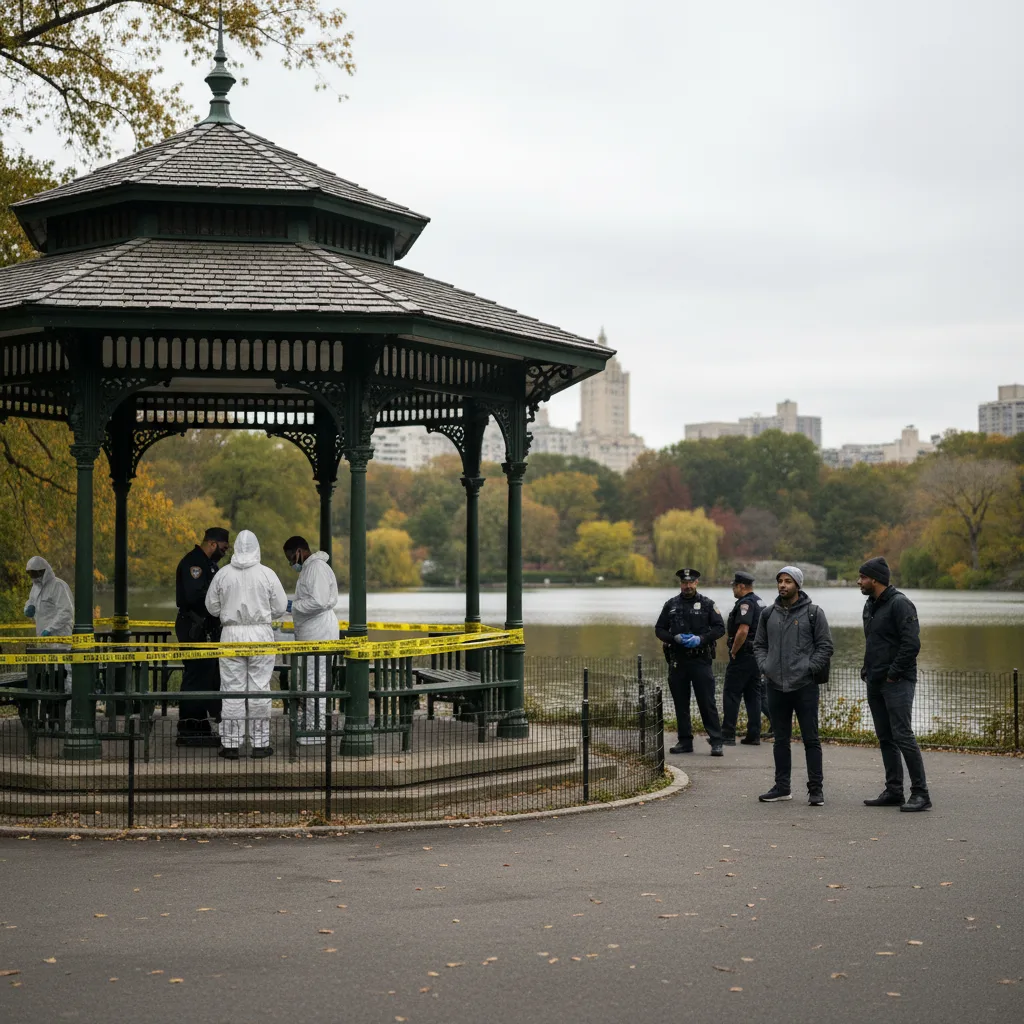
Central Park Woman Found Dead Near Boathouse Gazebo
A woman was found stabbed to death in a Central Park gazebo near the Boathouse on Sunday, prompting an active NYPD homicide investigation.
Queens Student Arrested for Bringing Gun to High School
A Queens student was arrested for bringing a gun to high school, prompting immediate law enforcement action and raising school safety concerns.
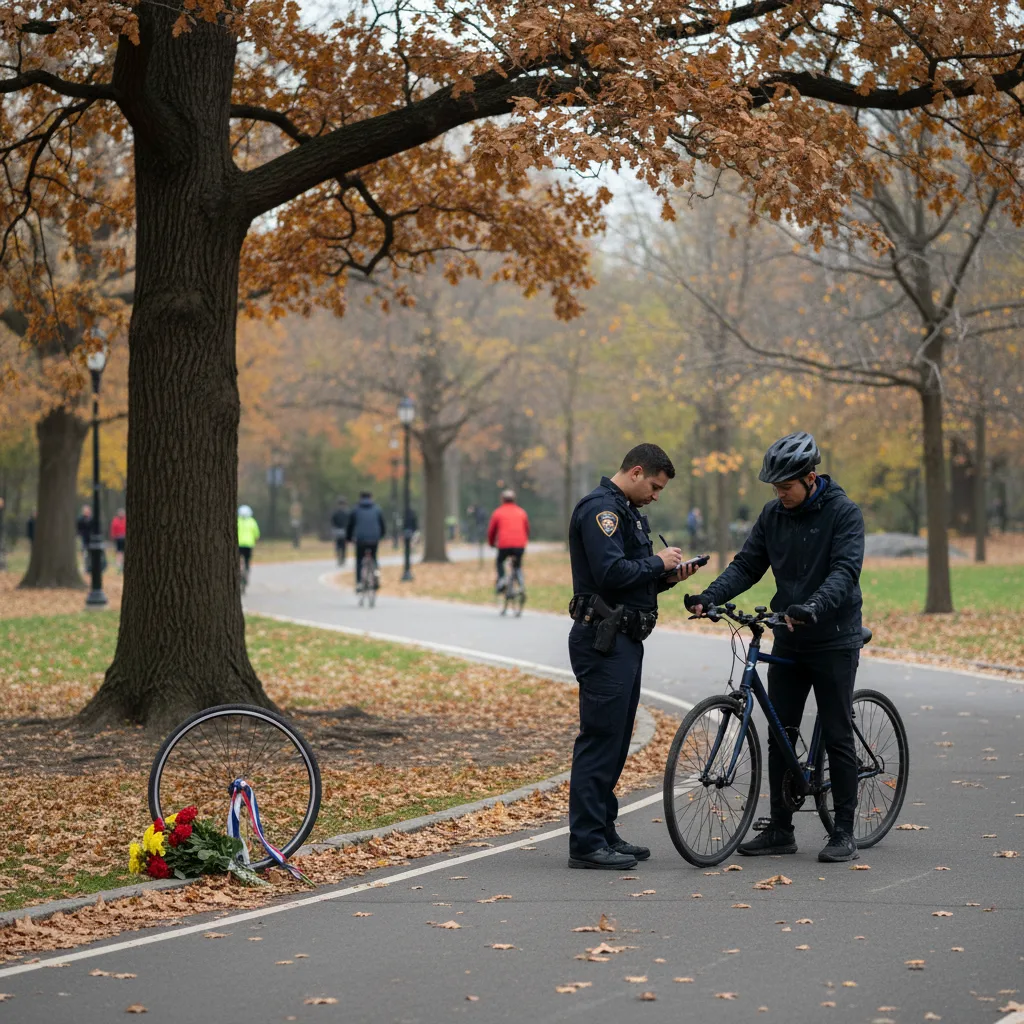
NYC Cyclist Death Prompts NYPD Ticketing Near Fatal Crash Site
NYPD stepped up cyclist ticketing near a recent fatal crash site in Central Park after a cyclist died Monday morning. Local groups demand safety reforms.
NYPD Confirms 71-Year-Old Cyclist Dies After Dog Collision in Central Park
NYPD confirms a 71-year-old cyclist died after colliding with a dog on Central Park's East Drive, near East 84th Street. The investigation is ongoing.
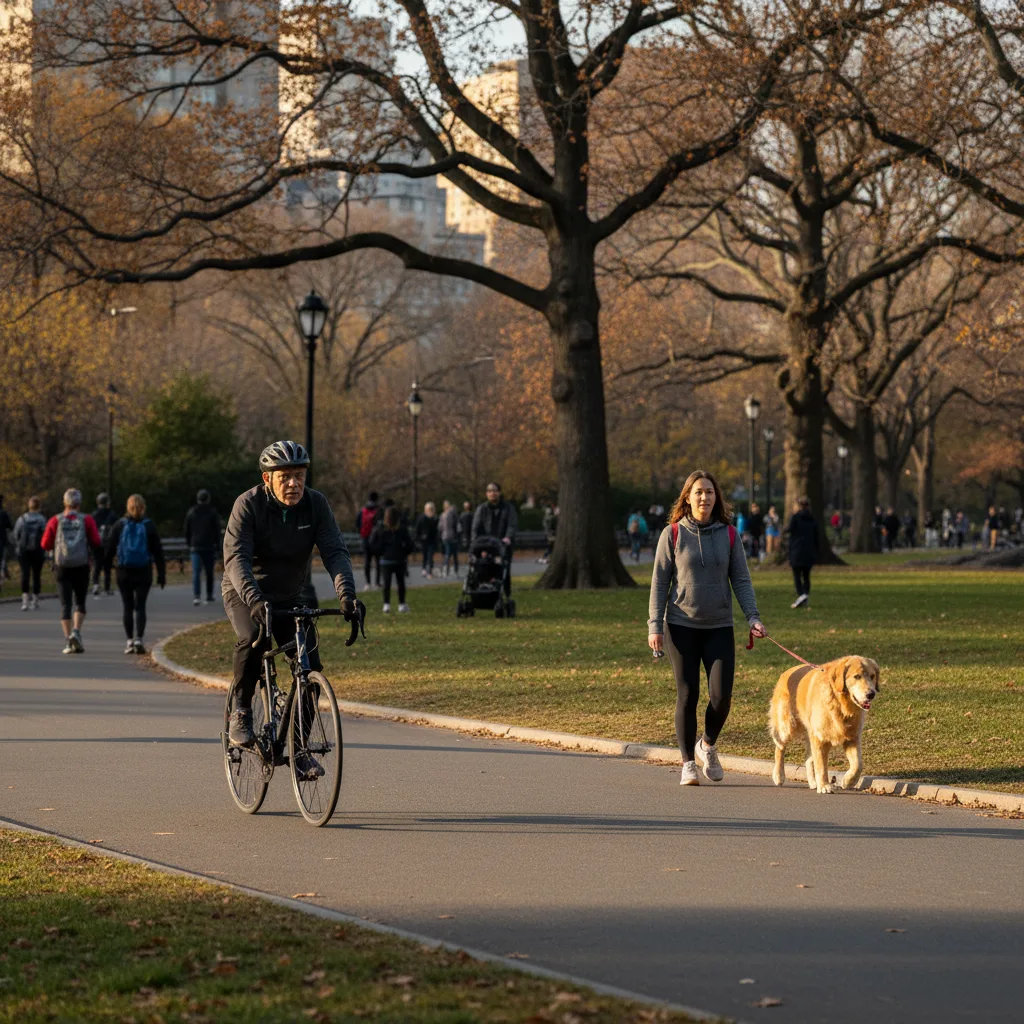
NYPD Investigates Central Park Cyclist Death After Dog Collision
NYPD confirms a 71-year-old cyclist died after colliding with a dog on Central Park's East Drive, near 84th Street. Investigation ongoing.
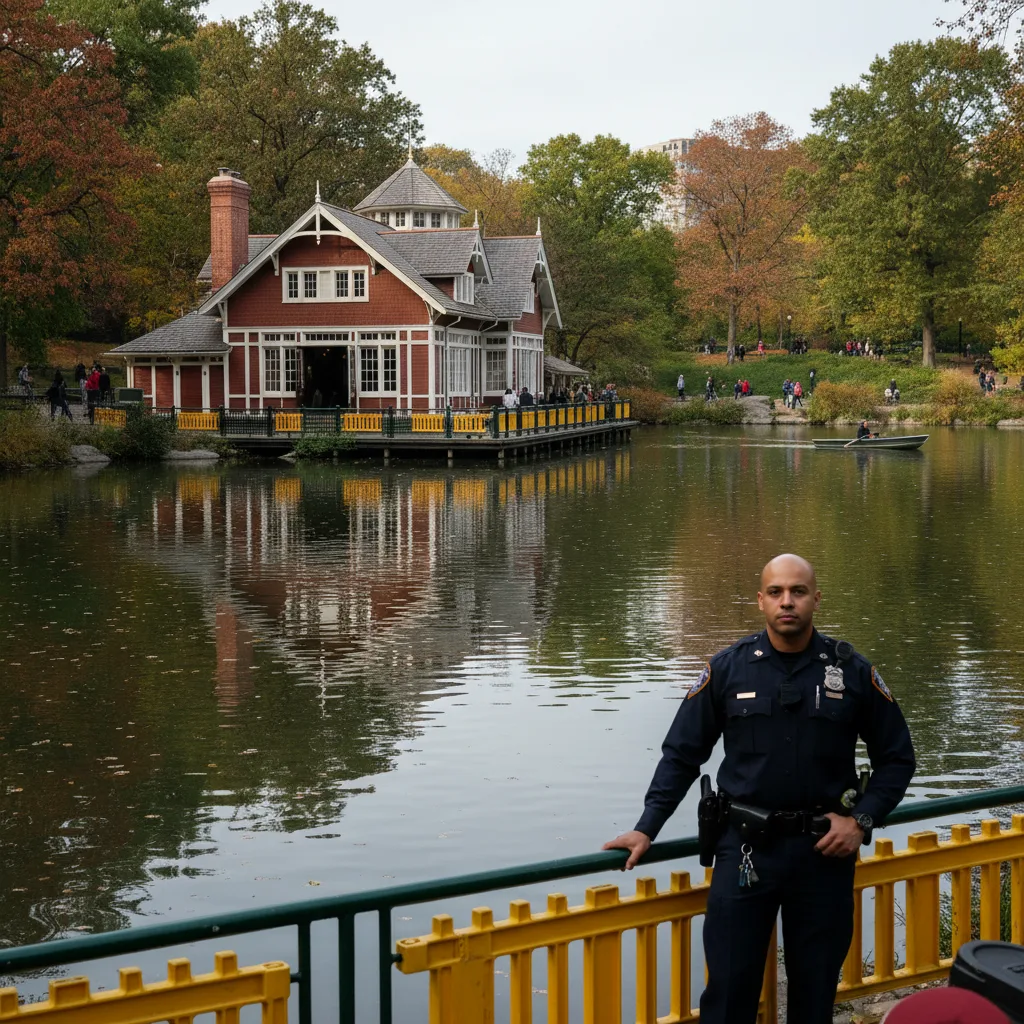
Man Charged in Central Park Beating Death of 63-Year-Old Woman
A 36-year-old man was charged with murder after a 63-year-old woman was found dead with head trauma in Central Park, NYPD confirmed.