


Central Park Wildlife Survey Confirms Active Coyote Population
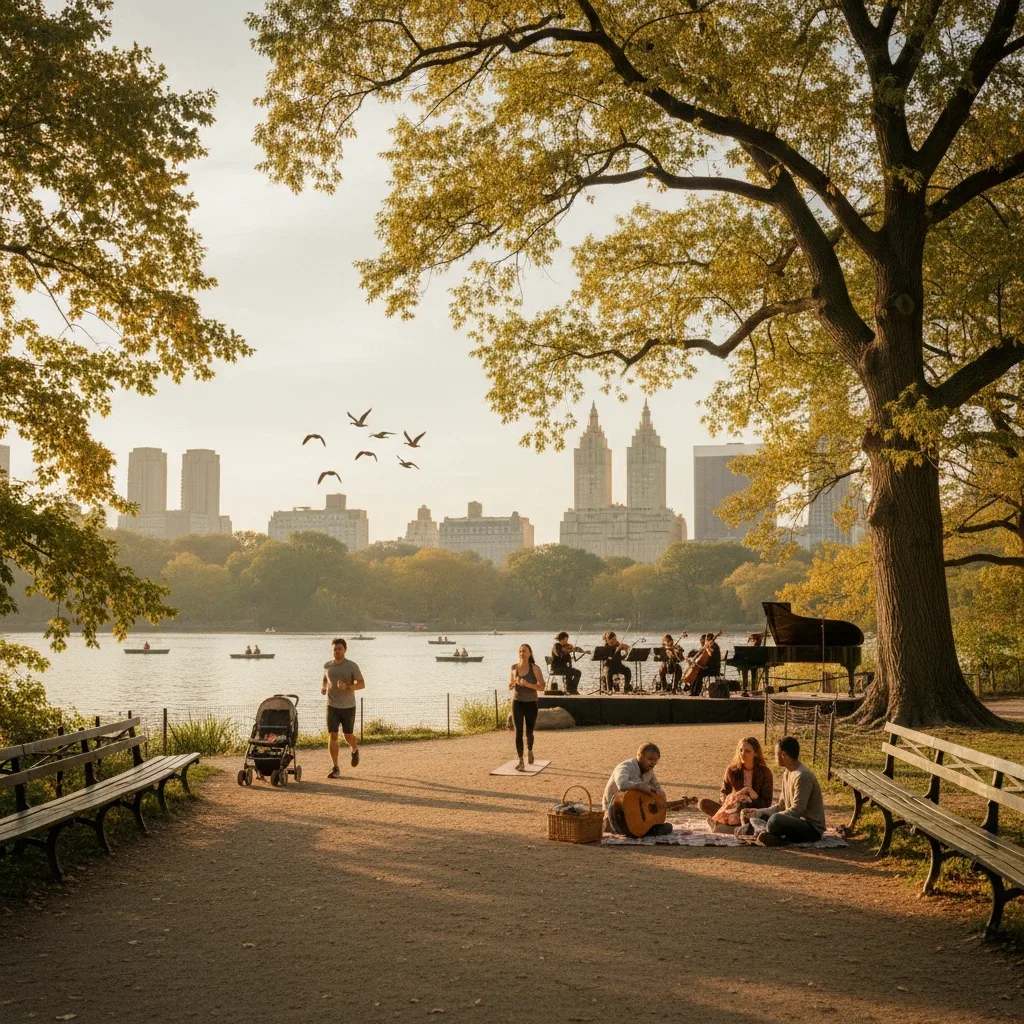
NEW YORK — Wildlife monitors documented seven distinct native animal species near the Delacorte Theater on Tuesday, Central Park News reported. The census confirmed the presence of a healthy coyote tracking along the northern woods, sparking interest from local conservationists.
Delacorte Theater Corridor Remains Wildlife Hotspot
The wooded areas surrounding the Delacorte Theater provide an ideal shelter for native animals due to the thick canopy and low human traffic during early morning hours. Park rangers recorded three separate coyote sightings over a 48-hour period, indicating that the animals are utilizing the Ramble's natural paths to hunt.
Biologists from the Urban Wildlife Coalition noted that the presence of these predators is a sign of a balanced ecosystem. The abundant squirrel and rodent populations within the park's central woodlands offer a sustainable food source for larger mammal species.
Visitors Urged to Limit Central Park Photos of Apex Predators
Parks officials are advising the public to avoid crowding or trailing the animals when trying to capture central park photos for social media. Getting too close to wild mammals can cause them to become habituated to human presence, which increases the likelihood of negative encounters.
"We want visitors to appreciate the diversity of our local fauna from a safe distance," said Park Ranger Thomas Alworth during a public briefing. Alworth stressed that flash photography can disorient nocturnal animals that are seeking shelter during daylight hours.
Turtles and Aquatic Life Thrive at Turtle Pond Sanctuary
Directly adjacent to the theater, the quiet waters of Turtle Pond remain a sanctuary for red-eared sliders and native painted turtles. The recent seasonal restoration of the pond's shoreline vegetation has significantly improved nesting sites for several migratory bird species.
Water quality tests conducted by the Central Park Conservancy show a marked reduction in chemical runoff over the past year. This improvement has allowed freshwater invertebrates to multiply, which in turn supports the diverse fish population that feeds the park's wading birds.
Urban Forestry Experts Explain Seasonal Species Migration
The seasonal shift in wildlife behavior is closely linked to the availability of natural shelter and food sources throughout the spring and summer months. As the foliage thickens, smaller mammals find it easier to nest away from the paved pedestrian loops.
Forestry crews have focused their efforts on planting native shrubs that provide dense ground cover and nutritious berries. For those interested in observing these animals in their natural habitats, the Conservancy has published a comprehensive guide to spotting local wildlife that details the best viewing locations and safety guidelines.
Safe Distance Protocols Outlined for Park Pedestrians
To ensure the safety of both visitors and the native animal population, park rangers are distributing educational leaflets at major entry gates. Pedestrians must keep pets on a leash at all times when traversing the wooded trails in the Ramble and the North Woods.
Leaving food on the ground is strictly prohibited, as human food disrupts the natural diet of local wildlife and attracts unwanted pests. Violators of the leash and litter regulations face fines starting at $150, which are enforced by park enforcement patrol officers.
Frequently Asked Questions
What should I do if I encounter a coyote in the park?
If you see a coyote, maintain a safe distance and do not run away. Make loud noises, wave your arms, and blow a whistle if you have one to scare the animal off. Always keep your pets on a tight leash and report any aggressive animal behavior to the nearest park ranger immediately.
Why are coyotes migrating into highly populated urban parks?
Coyotes are highly adaptable animals that travel along greenways and train tracks to find new territories. Central Park offers a rich food supply, including rodents and rabbits, as well as dense brush areas that provide safe daytime shelter away from human activity.
Related Articles
More in Wildlife & Nature →
Central Park Boathouse Bird Watching Tour Offers Educational Experience
Central Park Boathouse offers an educational bird watching tour, providing visitors an opportunity to observe avian species. This experience connects locals with nature, enhancing appreciation for park wildlife.
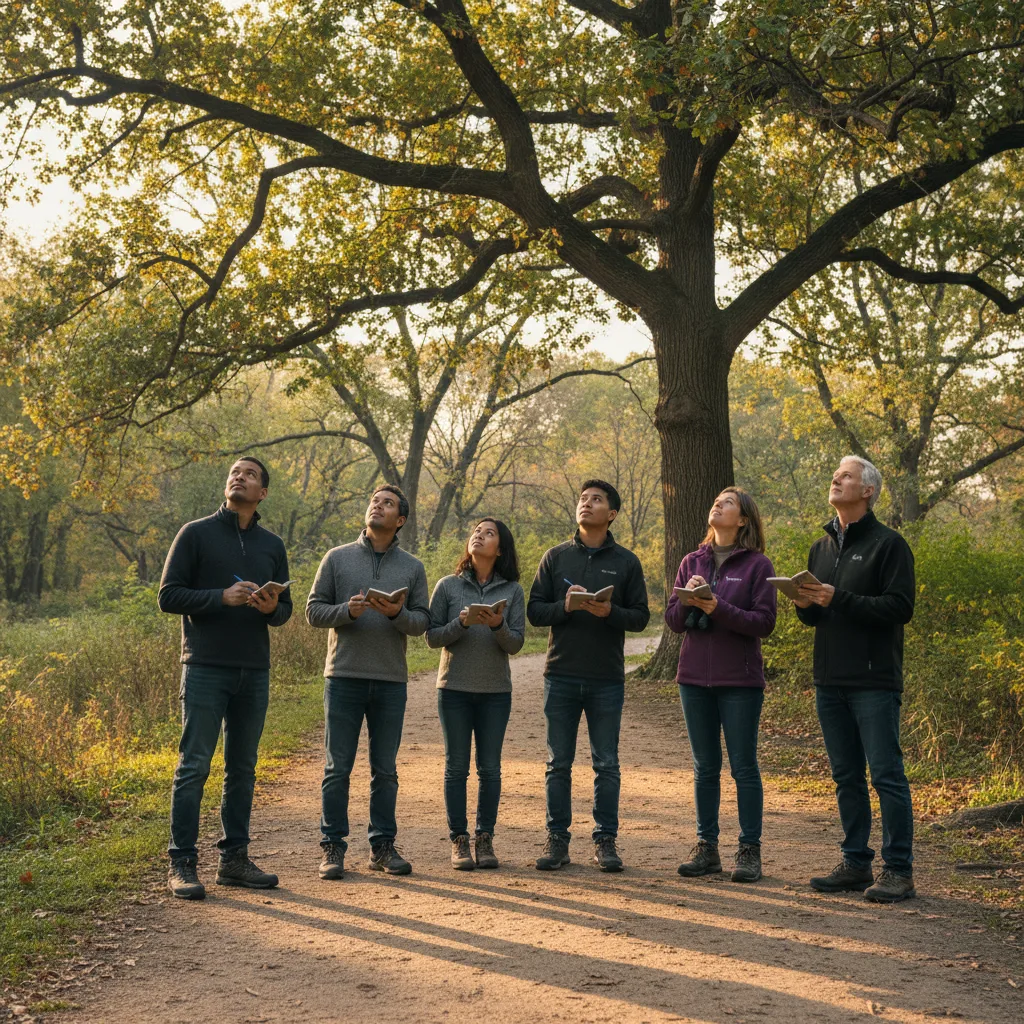
Central Park Event Calendar Features Climate Week Activities September 27
Central Park's event calendar for September 27, 2026, included a Climate Week-aligned "Journal, Meditation, + Bird Walk," promoting environmental awareness.
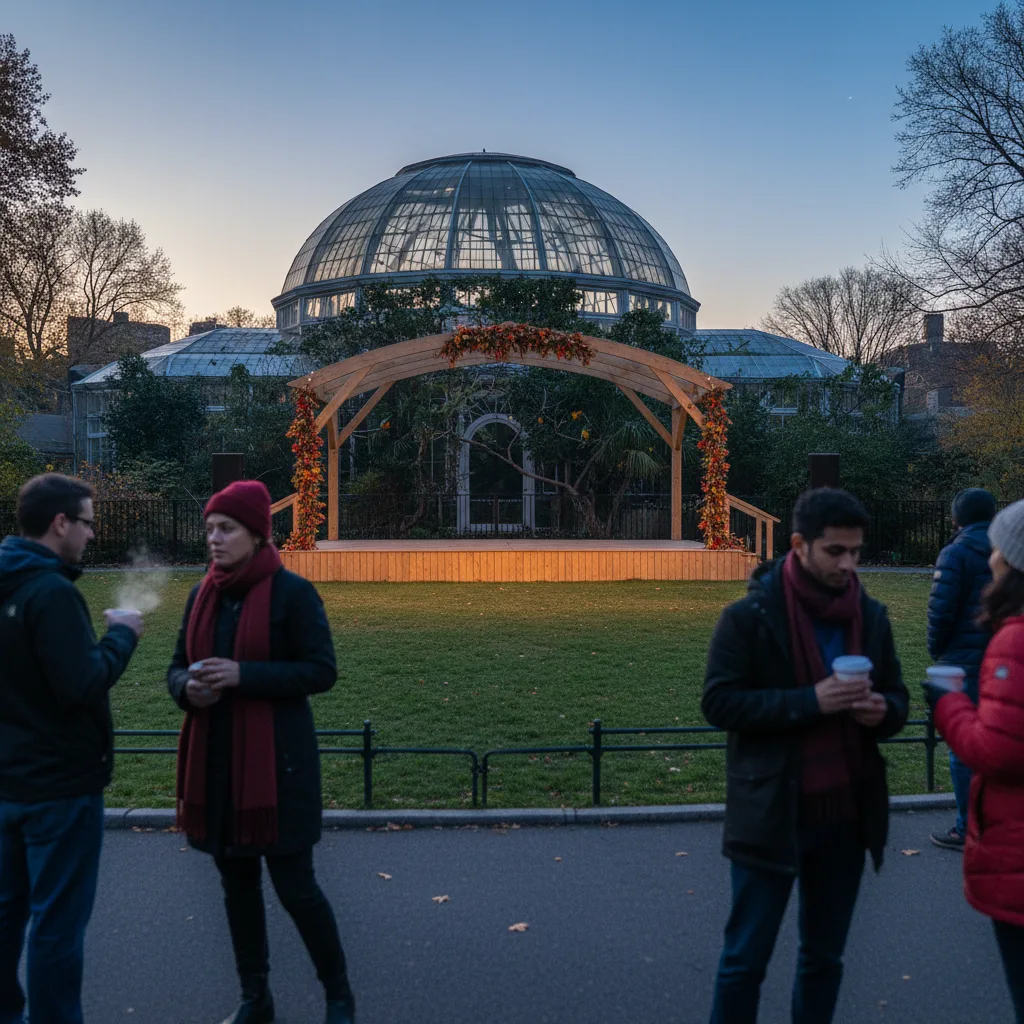
Wildlife Conservation Society Awards Lovejoy Prize at Central Park Zoo
Wildlife Conservation Society awards 2026 Thomas E. Lovejoy Prize today at Central Park Zoo during Climate Week in New York City.
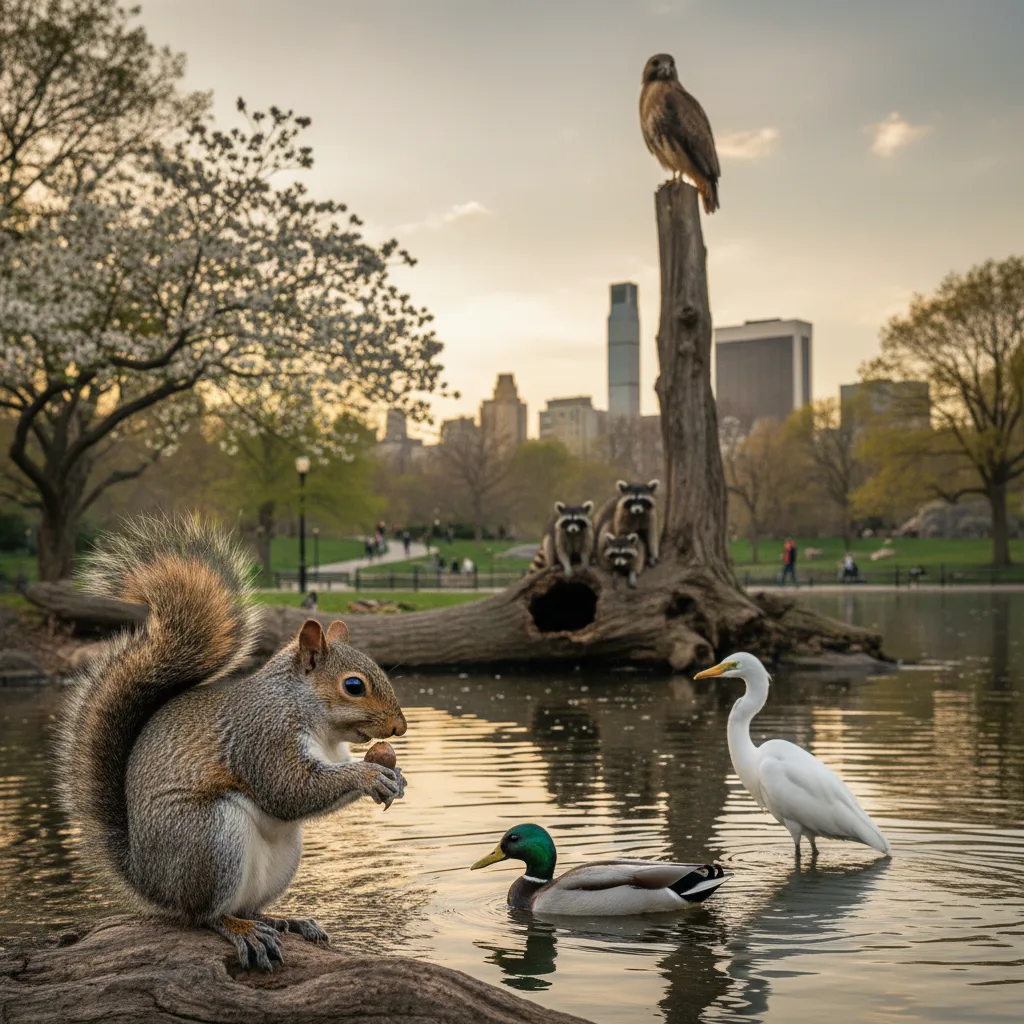
A Guide to Central Park's Wildlife: What to Know About the Park's Animals and Ecosystem
Discover the diverse Central Park wildlife, from birds and mammals to aquatic life. Learn responsible observation tips and conservation efforts for 2026.
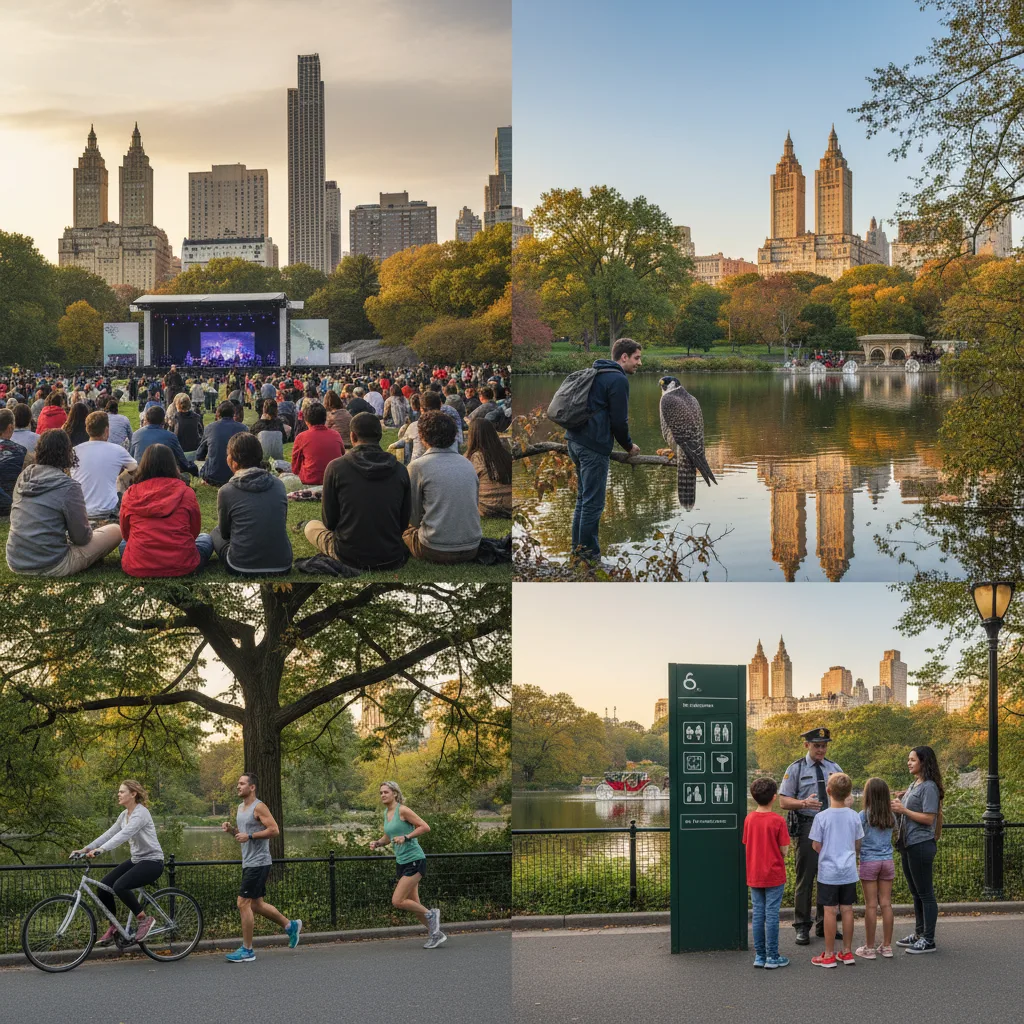
A Guide to Central Park's Top Activities and Best Things to Do in 2026
Discover the best things to do in Central Park, NYC, with our comprehensive 2026 guide to iconic landmarks, activities, and hidden gems for visitors.
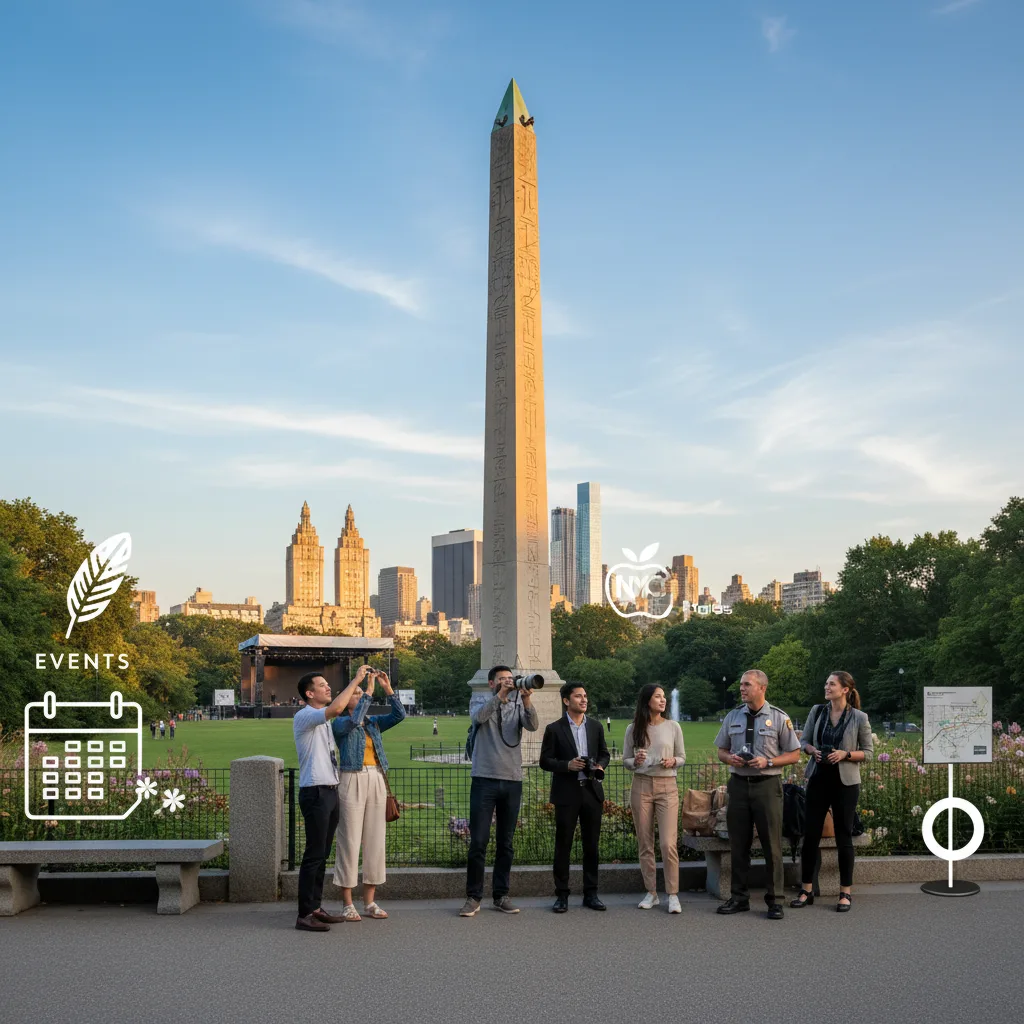
A Guide to What to Know About the Vatican Obelisk in Central Park 2026
Discover what to know about the Vatican Obelisk (Cleopatra's Needle) in Central Park, its history, journey to NYC, and where to find it in 2026.