


Central Park Zoo Leads Avian Tracking Project in the Ramble
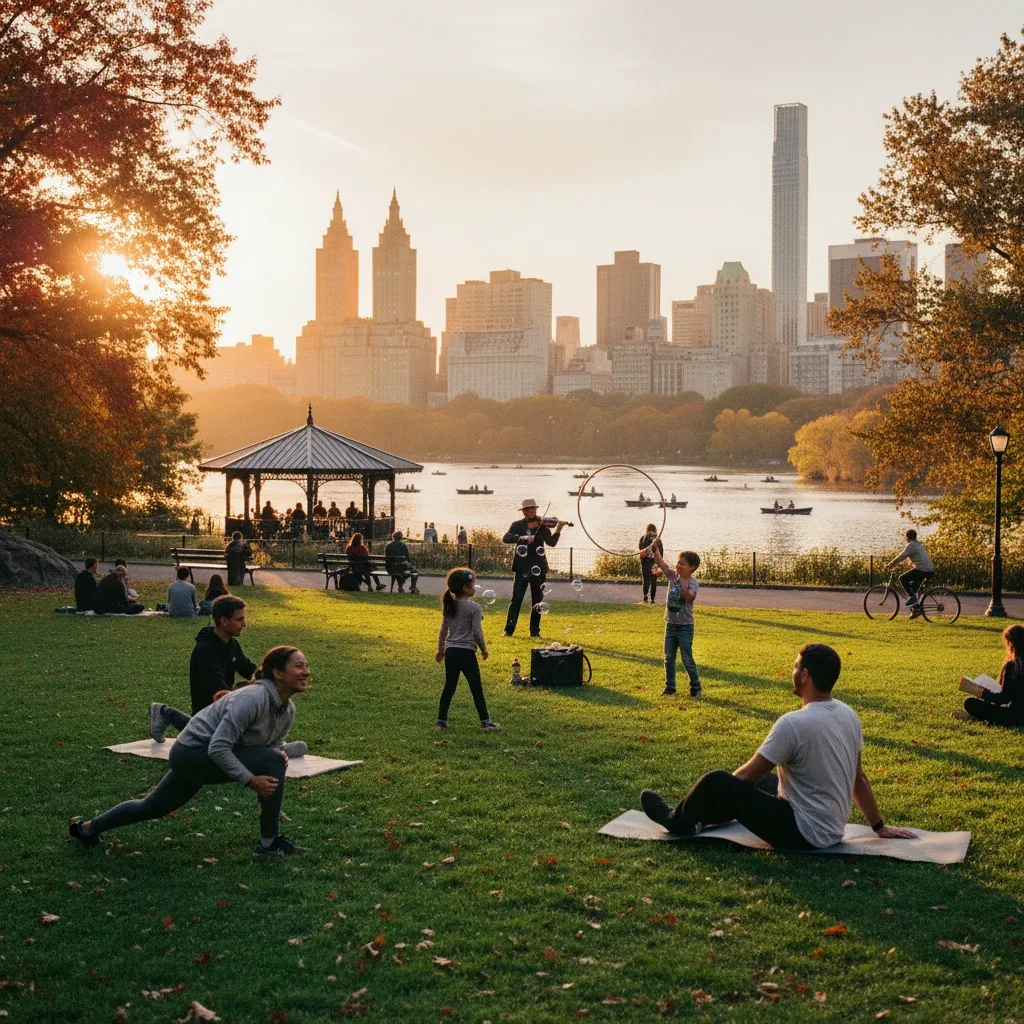
NEW YORK — Local birdwatchers and conservationists experienced a historic migration season this week as more than 150 avian species flocked to the Ramble, according to CentralPark.com. The surge in wildlife activity coincided with unseasonably warm temperatures across Manhattan.
Avian Migration Surveys Reveal Record Breeding Pairs
Volunteers from the Audubon Society documented a significant increase in warbler populations during their weekly census along the Gill, the artificial stream running through the Ramble. The census revealed 42 distinct warbler species nesting in the dense understory of the park's central woodlands.
Field biologists attributed the high density of migratory birds to the abundant insect populations thriving in the restored native shrubbery. This survey represents the highest concentration of migratory songbirds recorded in the park since tracking efforts were modernized.
Urban Wildlife Initiatives Connect the Ramble and Local Sanctuaries
Wildlife experts at the central park zoo are collaborating with urban ecologists to study how these migratory patterns connect with broader regional flyways. The research involves tracking bird movements using automated telemetry receivers installed near the Tisch Children's Zoo.
These tracking efforts provide vital data on how urban green spaces support birds traveling along the Atlantic Flyway. The project aims to identify specific foliage types that provide the best shelter and food resources for exhausted migratory birds.
Wildlife Management Strategies in Manhattan's Heaviest Wooded Areas
"Our collaborative tracking project allows us to map the precise stopover habitats these birds rely on during their grueling long-distance flights," said Dr. Elizabeth Hamby, Lead Conservationist at the Central Park Zoo. Hamby noted that the data collected would directly influence future planting choices in the park.
Conservation teams are focusing their efforts on removing invasive plant species that do not offer adequate nutritional value to local wildlife. Crews have already cleared two acres of porcelain berry vines along the reservoir banks to make room for native dogwoods.
Seasonal Weather Variations Influence Spring Nesting Patterns
Early spring warmth has prompted several migratory species to begin building nests up to two weeks earlier than their historical averages. This shift has forced conservationists to adjust their maintenance schedules to avoid disturbing active nesting sites in the Ramble.
Volunteers have placed temporary barriers around sensitive nesting areas to protect ground-nesting species from off-leash dogs and pedestrian traffic. Park rangers are actively patrolling these zones to enforce leash compliance and educate visitors on wildlife protection.
Ecological Restoration Projects Safeguard Migratory Flyways
The ongoing habitat protection work aligns with wider environmental efforts, including the extensive beautification project at the Conservatory Garden which has added thousands of pollinator-friendly plants to the northern end of the park. These combined restoration zones create a continuous ecological corridor through Manhattan.
Additional information regarding birdwatching guidelines and seasonal animal sightings can be found in the CentralPark.com wildlife observation log. The publication encourages visitors to report rare bird sightings through their public tracking portal to assist ongoing research.
Frequently Asked Questions
What are the best locations for birdwatching in Central Park during the spring migration? The Ramble, a 38-acre wild garden of pathways and streams, is widely considered the premier birdwatching spot due to its dense canopy and freshwater sources. Other highly productive areas include the Hallett Nature Sanctuary near the Pond and the wooded paths surrounding the Harlem Meer.
How can park visitors contribute to the ongoing avian tracking database? Visitors can log their bird observations using the free eBird mobile application, which feeds directly into the database used by the Central Park Zoo and local Audubon chapters. Reporting the precise location, species, and behavior of the birds helps conservationists monitor habitat usage trends.
Related Articles
More in Wildlife & Nature →
Central Park Boathouse Bird Watching Tour Offers Educational Experience
Central Park Boathouse offers an educational bird watching tour, providing visitors an opportunity to observe avian species. This experience connects locals with nature, enhancing appreciation for park wildlife.
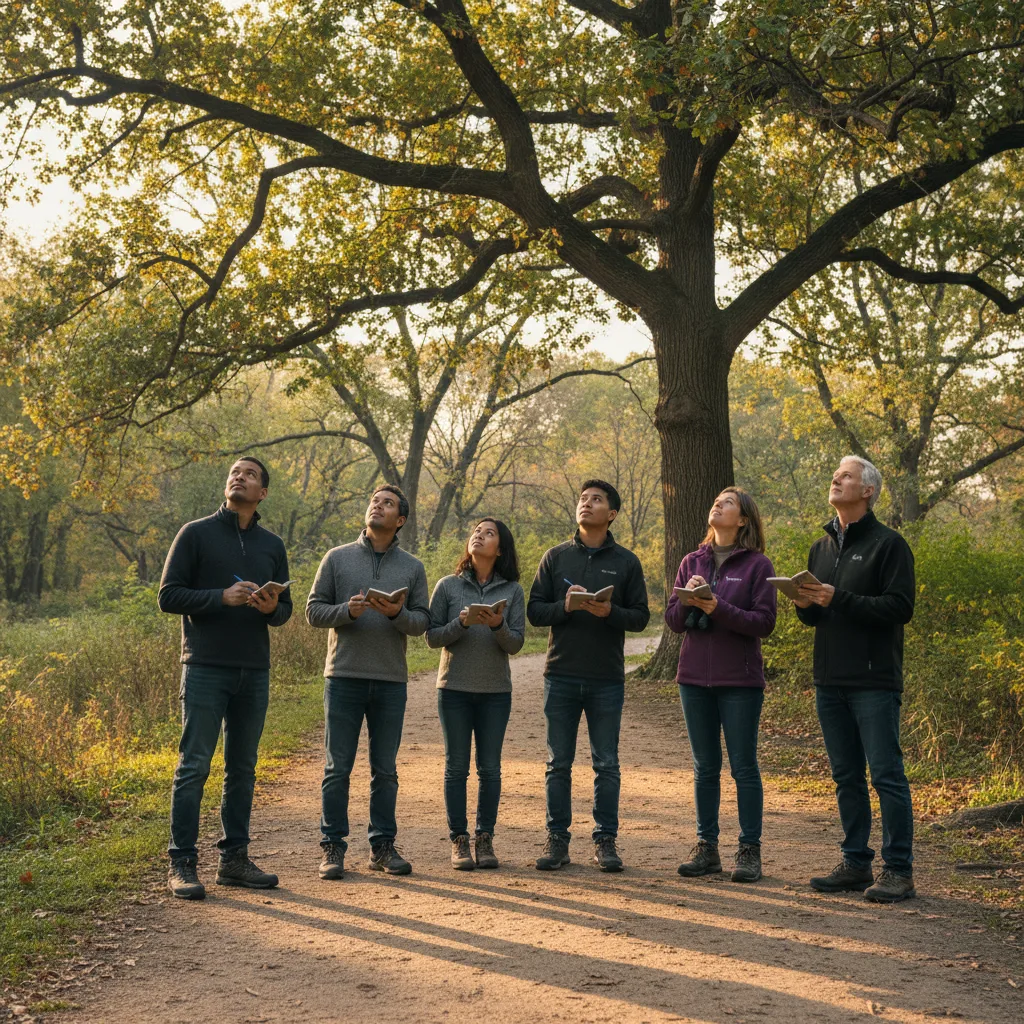
Central Park Event Calendar Features Climate Week Activities September 27
Central Park's event calendar for September 27, 2026, included a Climate Week-aligned "Journal, Meditation, + Bird Walk," promoting environmental awareness.
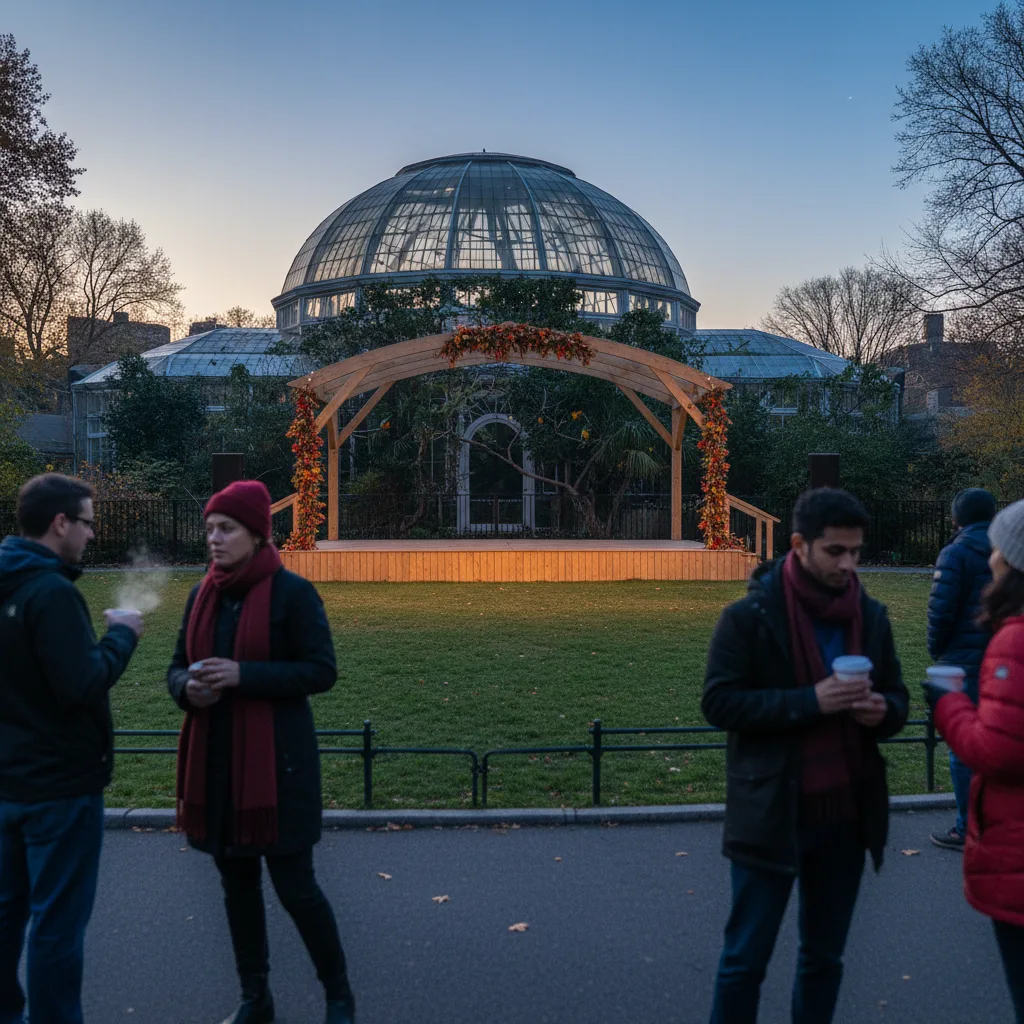
Wildlife Conservation Society Awards Lovejoy Prize at Central Park Zoo
Wildlife Conservation Society awards 2026 Thomas E. Lovejoy Prize today at Central Park Zoo during Climate Week in New York City.
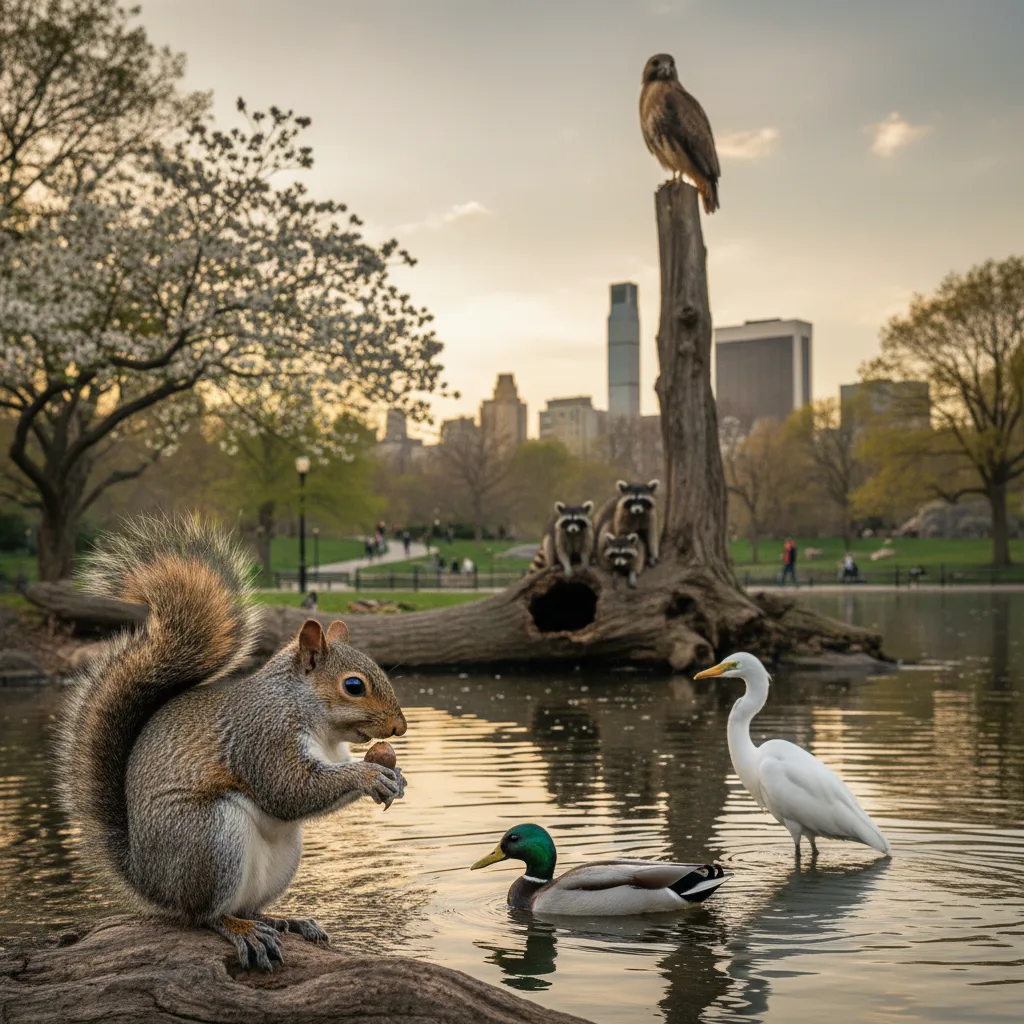
A Guide to Central Park's Wildlife: What to Know About the Park's Animals and Ecosystem
Discover the diverse Central Park wildlife, from birds and mammals to aquatic life. Learn responsible observation tips and conservation efforts for 2026.
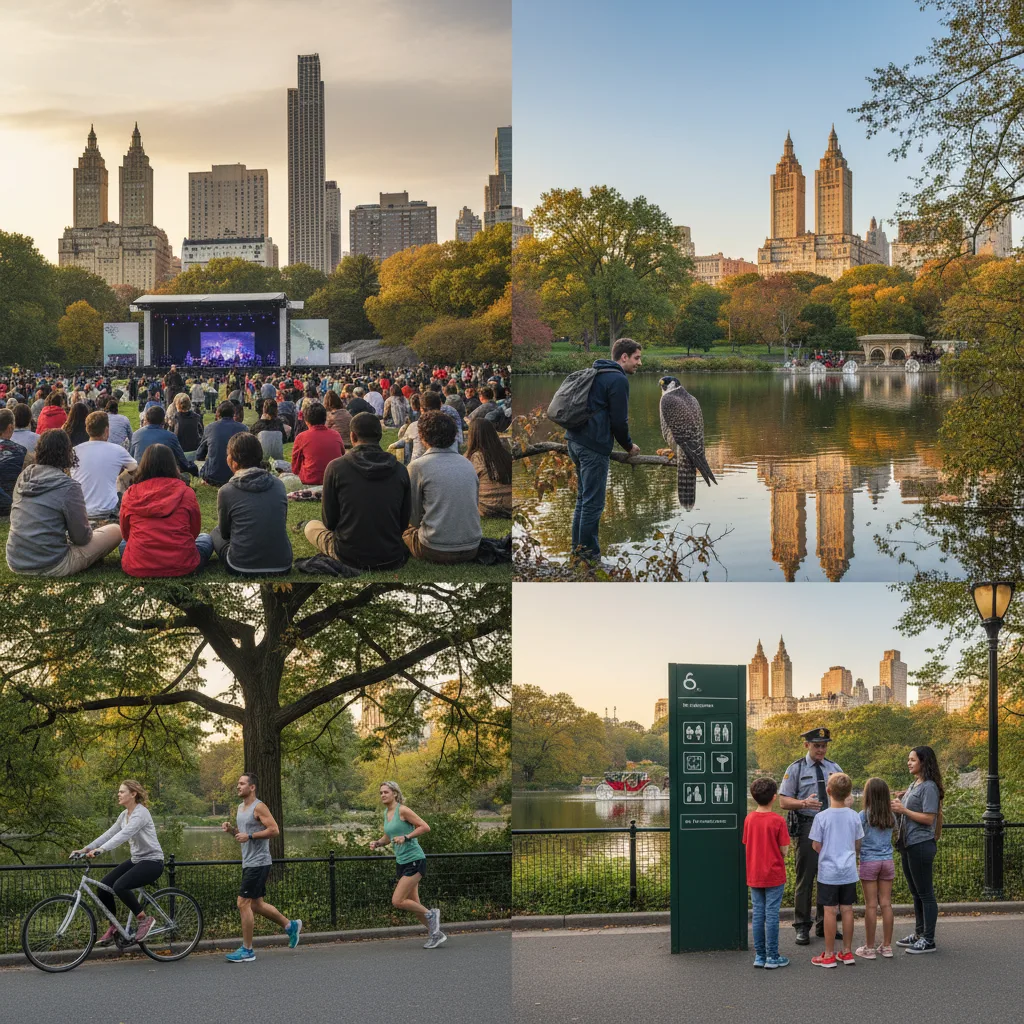
A Guide to Central Park's Top Activities and Best Things to Do in 2026
Discover the best things to do in Central Park, NYC, with our comprehensive 2026 guide to iconic landmarks, activities, and hidden gems for visitors.
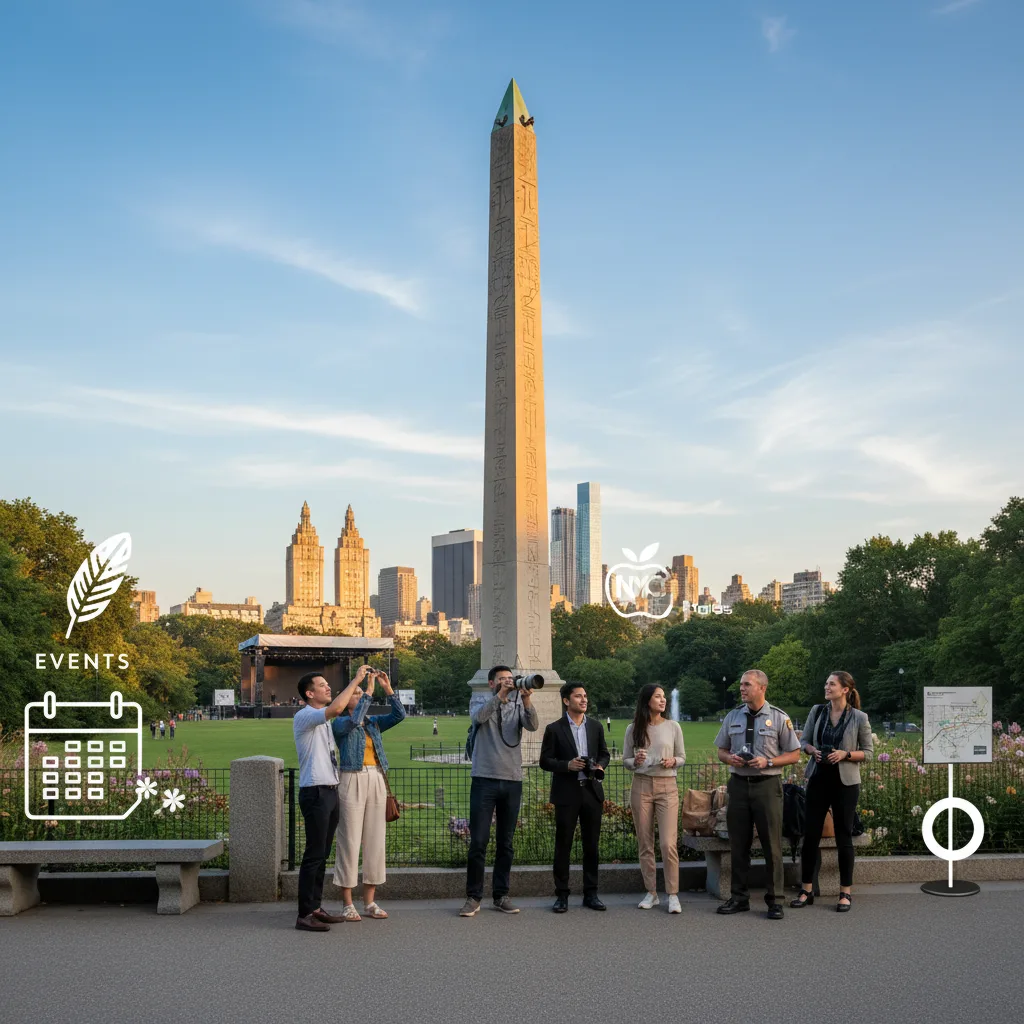
A Guide to What to Know About the Vatican Obelisk in Central Park 2026
Discover what to know about the Vatican Obelisk (Cleopatra's Needle) in Central Park, its history, journey to NYC, and where to find it in 2026.