


Conservancy Advocates for Comprehensive Car Ban Across NYC Parks

NEW YORK — The Central Park Conservancy has intensified its advocacy for a city-wide ban on private vehicles within all New York City parks, citing environmental, safety, and public health benefits. This push follows the successful, albeit limited, car-free initiatives within Central Park itself.
“Our goal is to reclaim these vital green spaces entirely for pedestrians, cyclists, and the natural environment,” stated Elizabeth Howard, President and CEO of the Central Park Conservancy, in a public address on Tuesday. The Conservancy formally submitted a proposal to the NYC Department of Transportation (DOT) and the NYC Parks Department earlier this week.
Building on Central Park's Success
Central Park famously eliminated private vehicles from its entire road system, including the scenic East Drive and West Drive, in 2018. This move, years in the making, has been lauded as a significant victory for urban green spaces, transforming the park into a fully pedestrian and cyclist-friendly oasis.
Howard emphasized that the success in Central Park serves as a blueprint for other city parks, large and small. On a crisp autumn morning, the East Drive, usually bustling with both vehicles and cyclists, felt notably serene when temporarily closed for a recent marathon, showcasing the potential for permanent vehicle removal.
“The data from Central Park is clear: a car-free environment leads to fewer accidents, cleaner air, and a more enjoyable experience for all park-goers,” Howard affirmed. She cited a 2025 study by the Trust for Public Land which reported a 45% reduction in park-related traffic incidents since the ban.
The Proposal: A Phased City-Wide Implementation
The Conservancy’s proposal outlines a phased approach to achieving a comprehensive car ban across all 30,000 acres of New York City’s parkland. The initial phase would focus on major parks with extensive road networks, such as Prospect Park in Brooklyn and Flushing Meadows Corona Park in Queens.
The plan suggests forming a task force composed of representatives from DOT, NYC Parks, community boards, and environmental advocacy groups to conduct detailed feasibility studies for each park. This collaborative approach aims to address unique challenges and ensure equitable access.
“We recognize the complexities involved, particularly regarding service vehicles, emergency access, and adjacent neighborhood traffic,” remarked David Chen, a spokesperson for the Central Park Conservancy’s policy initiatives. He confirmed that the proposal includes provisions for essential park operations and emergency services.
Public Health and Environmental Benefits
The primary drivers behind this initiative are the measurable improvements in public health and environmental quality. Removing cars would drastically reduce air and noise pollution within park boundaries, contributing to better respiratory health for city residents.
Dr. Anya Sharma, an environmental health specialist at Columbia University, lauded the proposal. “Reducing vehicle emissions in parks directly translates to lower rates of asthma and other respiratory illnesses in surrounding communities,” she explained, citing studies showing significant improvements in air quality post-Central Park’s car ban.
Furthermore, the initiative aligns with New York City’s broader climate goals, promoting sustainable transportation and enhancing biodiversity within urban ecosystems. The Conservancy argues that expanding car-free zones fosters a greater connection between residents and nature.
Challenges and Stakeholder Engagement
Implementing a city-wide car ban presents several challenges, including potential impacts on local businesses near park entrances and concerns from residents who rely on vehicular access for specific park areas. The DOT acknowledges these considerations as part of its review process.
“Any policy change of this magnitude requires thorough public engagement and careful planning,” a DOT representative said, emphasizing the need for community input. Public hearings and workshops are anticipated to gather feedback from various stakeholders across the five boroughs, potentially commencing in late 2026.
Mayor Adams’ office acknowledged receipt of the proposal and indicated it would undergo rigorous review by relevant agencies. The mayor’s press secretary stated, “The administration is committed to enhancing green spaces and improving quality of life for New Yorkers, and all proposals towards that end are welcome.” For more on Central Park sustainable initiatives, visit our dedicated section.
A Vision for Future Green Spaces
The Central Park Conservancy views this push as a critical step towards a more sustainable and pedestrian-centric urban future. The successful transformation of Central Park’s drives demonstrates that ambitious changes are achievable with concerted effort and public support.
This movement is part of a growing national trend towards reclaiming urban green spaces from vehicular traffic, prioritizing human and ecological well-being. Advocates hope the comprehensive proposal will pave the way for New York City to lead in this crucial urban planning paradigm. Learn about the public health benefits of green spaces.
Frequently Asked Questions
What is the Central Park Conservancy advocating for? The Central Park Conservancy is advocating for a city-wide ban on private vehicles within all New York City parks to improve environmental quality, enhance safety, and promote public health.
How has Central Park implemented a car ban previously? Central Park successfully eliminated private vehicles from its entire road system, including the East and West Drives, in 2018, transforming the park into a fully pedestrian and cyclist-friendly environment.
What are the proposed benefits of a city-wide car ban in parks? Benefits include reduced air and noise pollution, improved public safety for pedestrians and cyclists, better public health outcomes, and greater accessibility for park-goers to nature.
What challenges are anticipated with a city-wide implementation? Challenges include addressing concerns from local businesses, managing essential service vehicle access, and mitigating potential impacts on traffic in surrounding neighborhoods. Extensive public engagement will be necessary.
What is the next step for this proposal? The proposal has been submitted to the NYC Department of Transportation and NYC Parks Department for review. Public hearings and workshops are expected to follow to gather stakeholder feedback.
Related Articles
More in Urban Policy & Development →
NYC Mayor Mamdani Booed at Union Square October 7 Vigil
Mayor Mamdani faced boos and protests at a Union Square vigil Thursday marking the Oct. 7 attacks, highlighting deep community divisions in NYC.
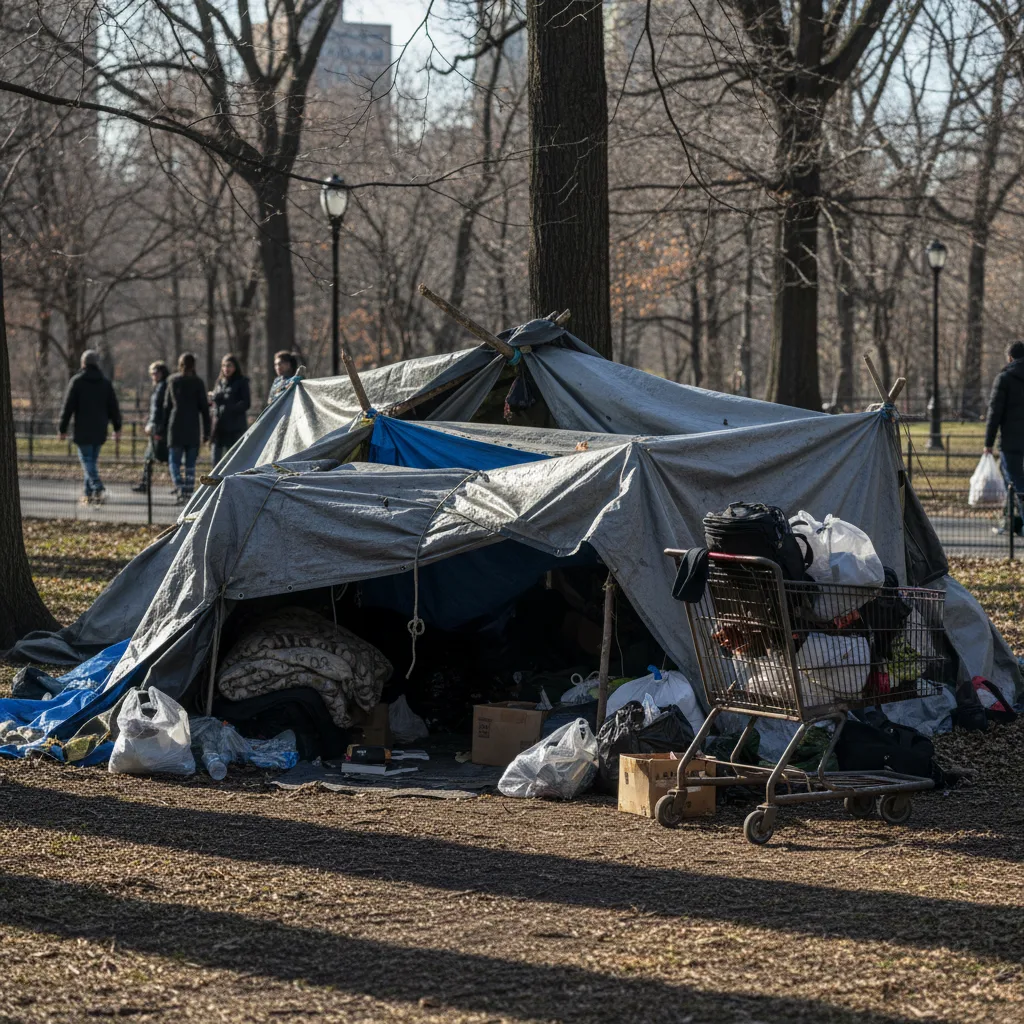
NYC Homeless Encampments Spotted Across Manhattan, Raising Concerns
Multiple homeless encampments have been spotted across Manhattan, raising significant concerns about urban policy and public safety. City officials are under pressure to address the growing homelessness crisis.
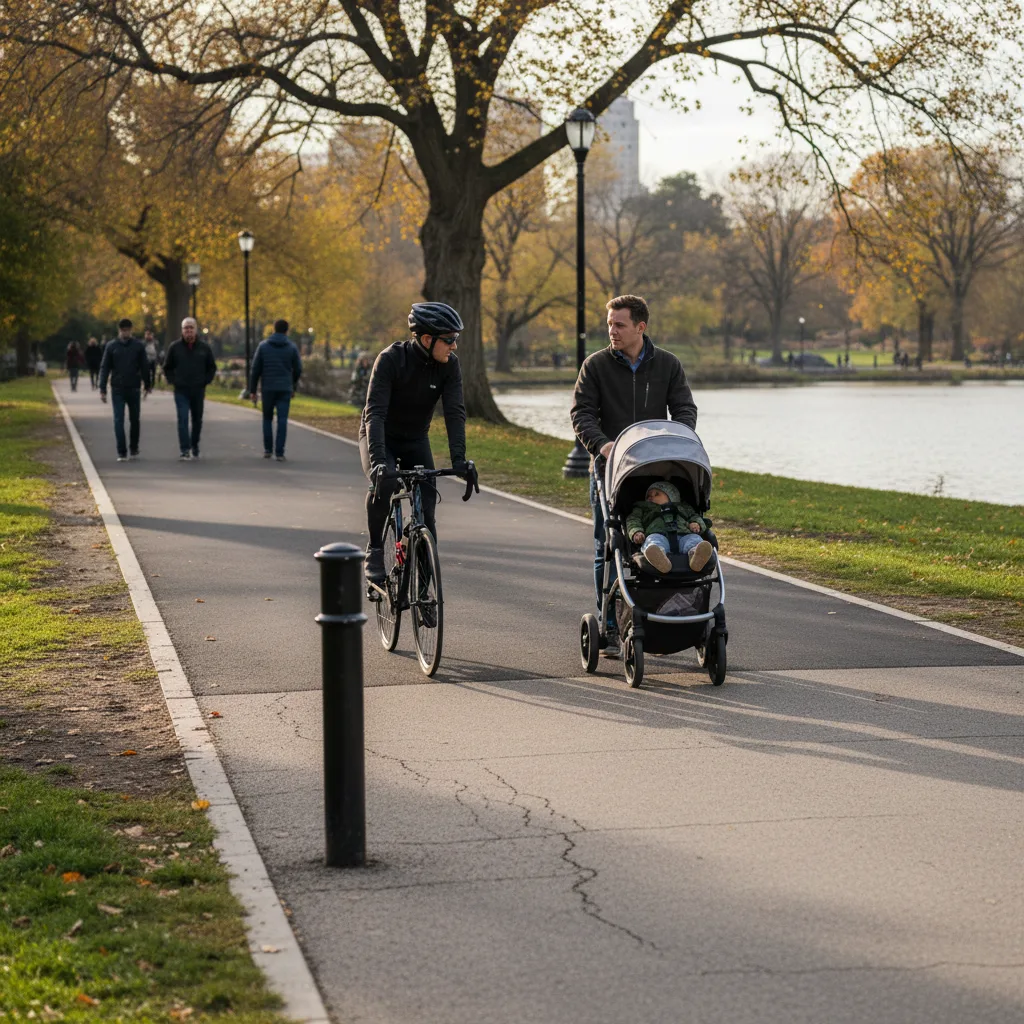
Safety Advocate Blames Park Redesign for Rising Central Park Cyclist Crashes
Safety advocates blame recent Central Park redesigns for a pedestrian's death and rising cyclist crashes, calling for urgent review of infrastructure.
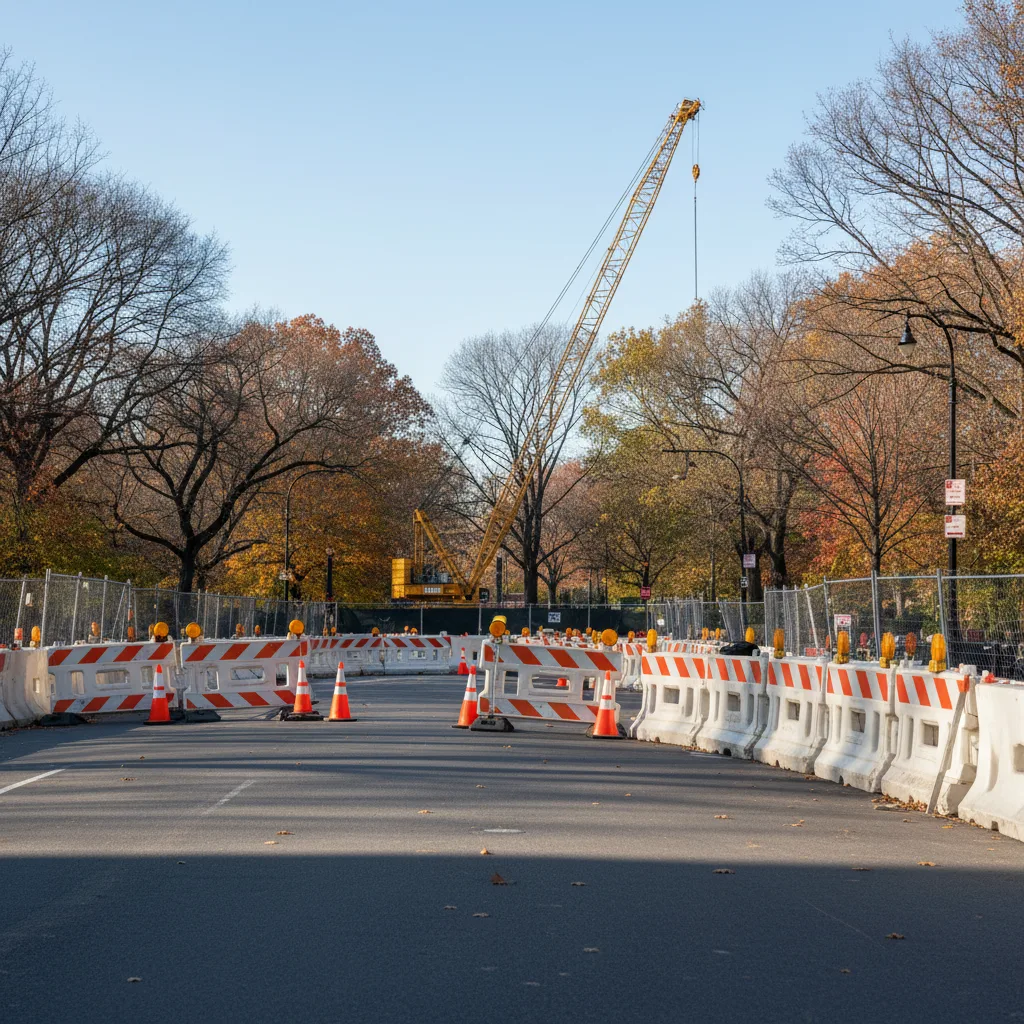
NYC DOT Advises Central Park Area Traffic Disruptions September 27
NYC DOT issued advisories for major traffic disruptions near Central Park on September 27, 2026, due to a parade and crane operations. Expect delays.

Davis Center at Harlem Meer Unveils State-of-the-Art Facilities
The new Davis Center at the Harlem Meer in Central Park's north end now features a state-of-the-art pool, ice rink, and multi-use turf field, enhancing community recreational options.
NYC City Record Confirms September 21, 2026, Publication Schedule
The NYC City Record confirmed its September 21, 2026, publication schedule, detailing administrative notices, procurement, and public hearings. This ensures transparency for municipal operations and public access to vital city information.