


Proposal for MET Tang Wing for Modern and Contemporary Art Enhances Central Park's Landscape
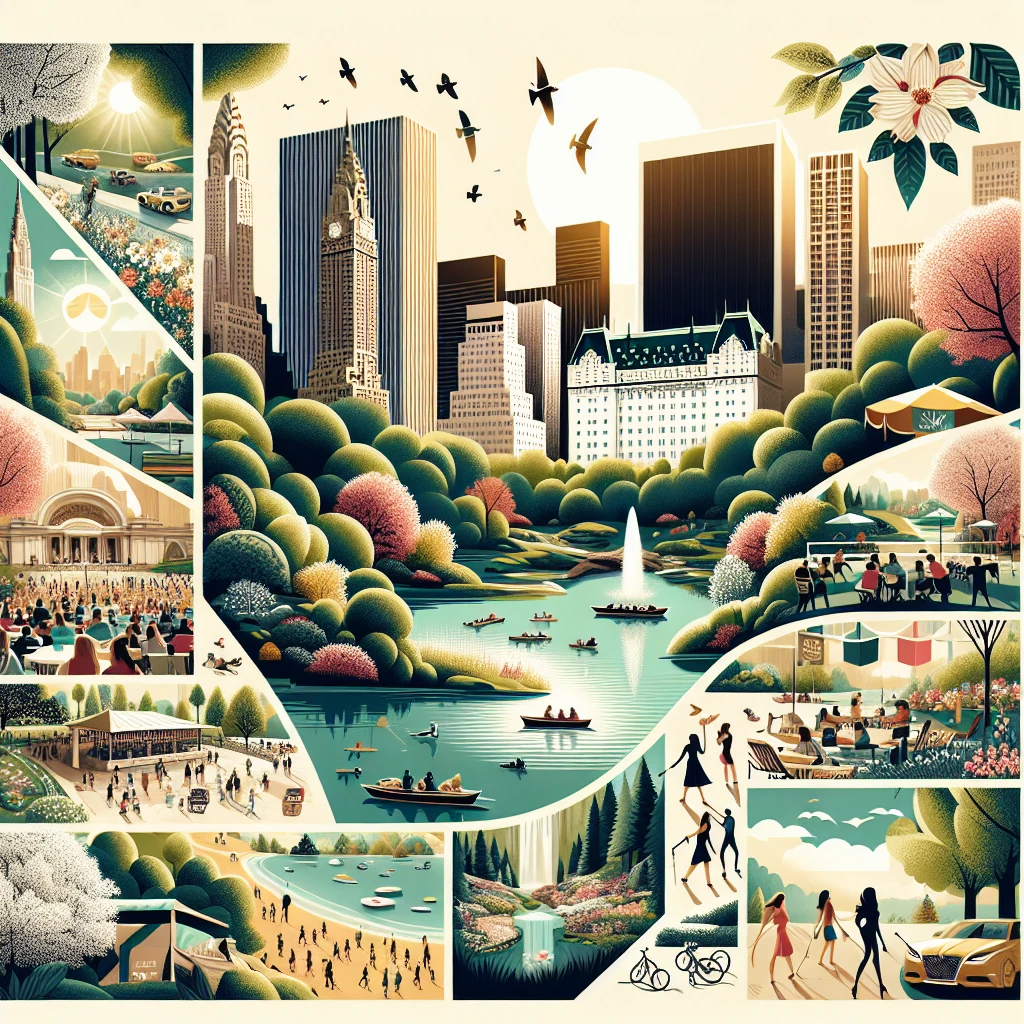
The Metropolitan Museum of Art is embarking on an ambitious project that promises to transform not only their space but also the surrounding landscape of Central Park. The newly proposed Oscar L. Tang and H.M. Agnes Hsu-Tang Wing aims to focus on modern and contemporary art, an addition that is expected to draw art lovers from across the globe. This development presents a unique opportunity for integrating high culture with the natural beauty of one of the most famous parks in the world.
Transformative Landscape Reconstruction
The project will encompass significant landscape reconstruction totaling approximately 144,850 square feet of Central Park that borders the new wing. Plans indicate that the precinct will be revitalized, ensuring that it complements the urban environment while enhancing visitor access to both the museum and the park. Improvements may include new pathways, artistic installations, and increased green spaces that invite quiet contemplation amid the Conservancy Advocates Permanent Car Ban bustling city.
Timeline and Construction Details
Construction is expected to begin in 2026, with the grand opening strategically timed for 2030. The timeline is ambitious, yet it reflects a growing commitment to modernize not only the museum's offerings but also improve the visitor experience surrounding Central Park. Experts have highlighted that the integration of art and nature can support mental well-being while promoting cultural enrichment.
Working with landscape architects known for their sustainable approaches, the project aims to prioritize ecological considerations. This not only aligns with global efforts for environmental sustainability but invites biodiversity into a central urban area. The goal is to create social spaces that encourage communal interaction while appreciating the beauty of contemporary art.
Key Points
- The project will enhance approximately 144,850 square feet of Central Park's landscape.
- Construction is set to begin in 2026 and expected to be completed by 2030.
- The integration of art and nature promotes ecological sustainability and community interaction.
Conclusion
In summary, the proposed MET Tang Wing represents a bold step towards the future of art in a historic urban setting. By revitalizing the surrounding landscape of Central Park, it goes beyond mere aesthetics—it enhances culture, community, and ecological awareness. As details unfold, New Yorkers and visitors alike are sure to keep an eye on this transformative project that embodies the spirit of collaboration between art and nature.
Related Articles
More in Urban Policy & Development →
NYC Mayor Mamdani Booed at Union Square October 7 Vigil
Mayor Mamdani faced boos and protests at a Union Square vigil Thursday marking the Oct. 7 attacks, highlighting deep community divisions in NYC.
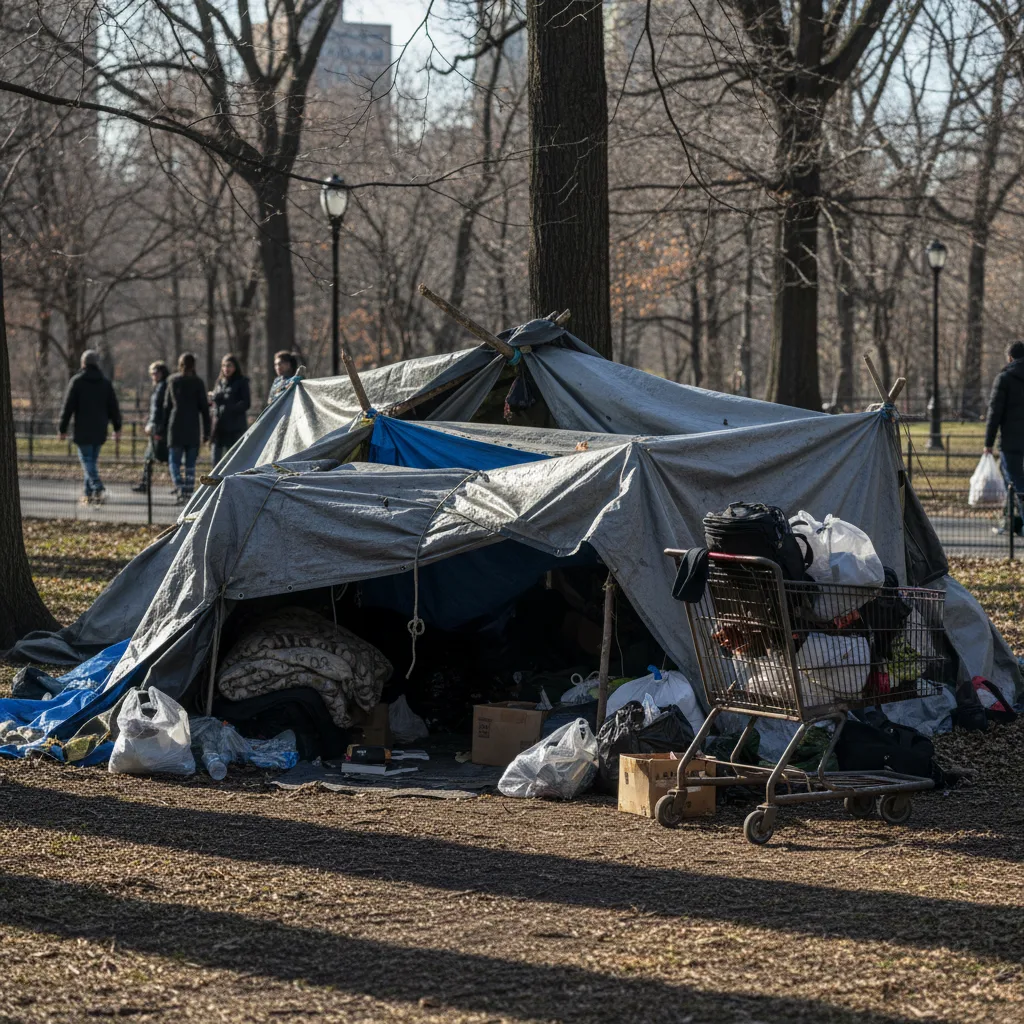
NYC Homeless Encampments Spotted Across Manhattan, Raising Concerns
Multiple homeless encampments have been spotted across Manhattan, raising significant concerns about urban policy and public safety. City officials are under pressure to address the growing homelessness crisis.
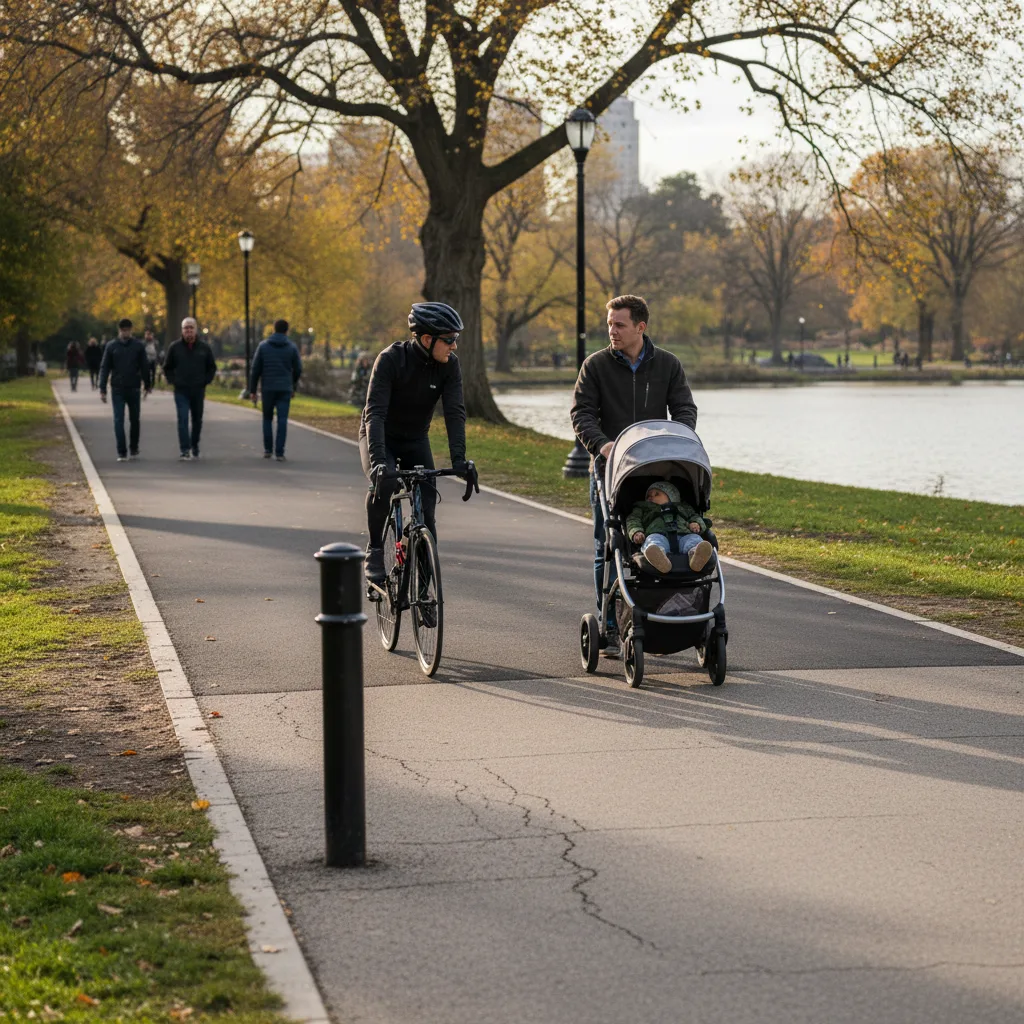
Safety Advocate Blames Park Redesign for Rising Central Park Cyclist Crashes
Safety advocates blame recent Central Park redesigns for a pedestrian's death and rising cyclist crashes, calling for urgent review of infrastructure.
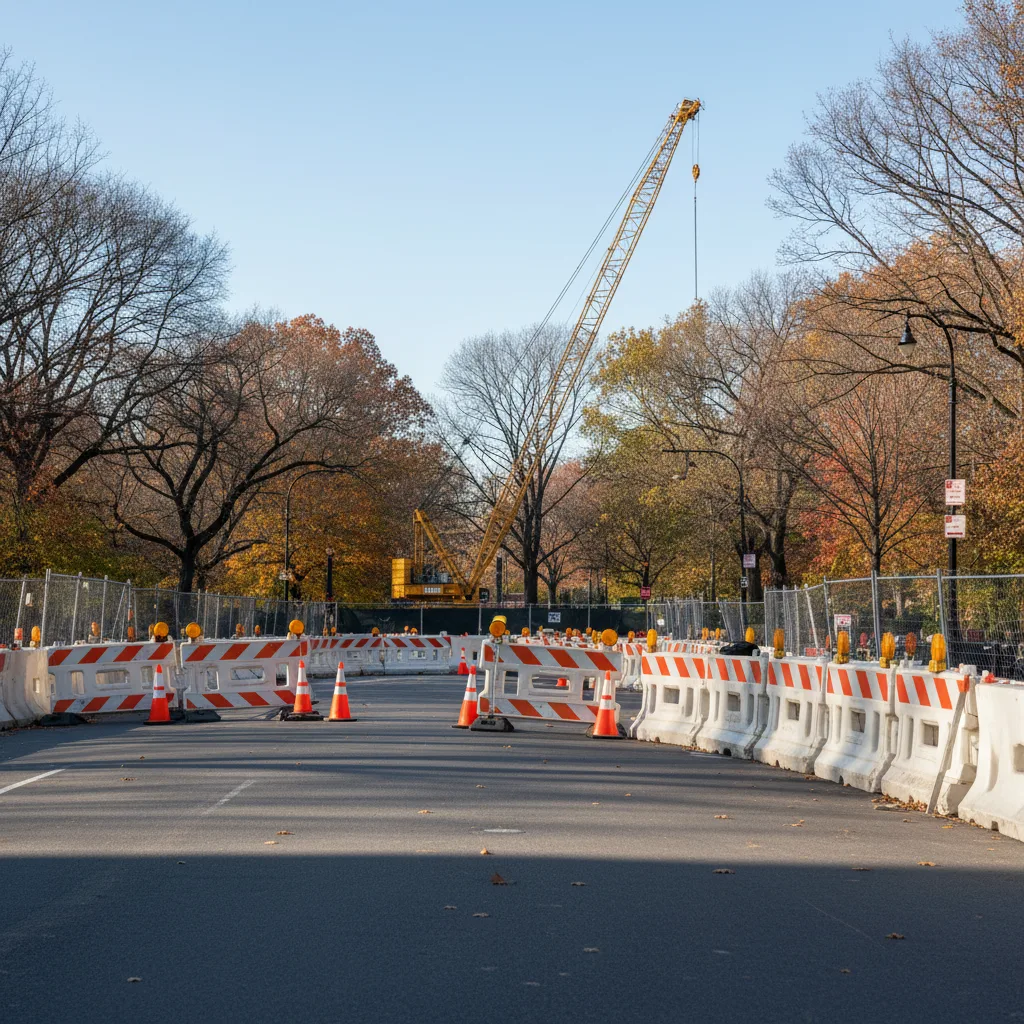
NYC DOT Advises Central Park Area Traffic Disruptions September 27
NYC DOT issued advisories for major traffic disruptions near Central Park on September 27, 2026, due to a parade and crane operations. Expect delays.

Davis Center at Harlem Meer Unveils State-of-the-Art Facilities
The new Davis Center at the Harlem Meer in Central Park's north end now features a state-of-the-art pool, ice rink, and multi-use turf field, enhancing community recreational options.
NYC City Record Confirms September 21, 2026, Publication Schedule
The NYC City Record confirmed its September 21, 2026, publication schedule, detailing administrative notices, procurement, and public hearings. This ensures transparency for municipal operations and public access to vital city information.