


Trump Signals Iran War De-escalation, NYC Reacts to Gas Prices

NEW YORK — President Donald Trump has reportedly informed aides of his willingness to halt military action against Iran, even if the Strait of Hormuz remains closed, according to The Times of Israel. This development, reported on March 31, 2026, signals a potential de-escalation in the ongoing US-Iran conflict, which has significantly impacted global oil markets and driven US gas prices to $4 a gallon.
The prospect of de-escalation comes amid growing public concern over economic instability, particularly among Manhattan residents. Discussions on the matter have become commonplace in public spaces, including Central Park, where the ripple effects of international tensions are keenly felt.
Central Park Residents Discuss War's Economic Impact
In Central Park, Manhattan joggers and dog walkers were observed discussing the spiking gas prices hitting their commutes and daily expenses. "Trump better end this Iran mess quick or my Uber bills are done," one resident was overheard saying to a group near Sheep Meadow, reflecting a common sentiment.
Local coffee stands near the park reported customers debating whether the continued closure of the Strait of Hormuz would lead to higher costs at delis and grocery stores. These street-level conversations illustrate the immediate, localized impact of global events on daily life for New Yorkers, as noted in a community response to the global headline.
Global Conflict and Local Anxiety
The ongoing US-Iran war has caused significant volatility in international markets, initially spiking Brent and Dubai crude prices from under $60 to over $70 a barrel. This instability directly translates to increased costs for consumers, particularly at the pump.
Community board members active on social media platforms have begun to urge federal action to protect New York City's fuel supplies and mitigate inflationary pressures. The blend of anxiety and hope for a quick resolution reflects the public's desire for stability amidst geopolitical uncertainty, according to local analysts.
Trump's Reported Stance and Diplomatic Channels
President Trump's reported willingness to de-escalate without a full reopening of the Strait of Hormuz could represent a shift in strategy for the administration. This stance suggests a potential pathway to reduce military engagement, even if certain strategic objectives, like the free flow of oil through the strait, are not immediately met.
The international community is now closely watching for further diplomatic moves and official confirmations of this potential policy adjustment. Analysts predict that any concrete steps toward de-escalation could help stabilize global oil prices, which remain a major concern for the global economy and local consumers alike, as detailed in The Times of Israel's live blog.
Anticipation of Market Response and Stability
While markets have shown volatility, some analysts predict a rally as the conflict's limited impact becomes clearer, assuming de-escalation proceeds. However, the current economic climate, marked by $4 per gallon gas prices, continues to put pressure on households and businesses in New York City.
Residents near Carnegie Hill and the Upper East Side, frequently seen in Central Park, have expressed a desire for political leaders to prioritize economic stability. The reported willingness of the President to end the conflict without specific preconditions is seen by some as a positive, albeit cautious, step towards this goal.
Read more about prices, reacts, iran, and war in Crude Oil Prices Surge Past $105 Amid Iran War, NYC Reacts and about prices, iran, gas, and war in US Gas Prices Hit $4 Amid Iran War; Central Park Feels Pinch.
Frequently Asked Questions About Iran War De-escalation
What is President Trump's reported stance on the Iran war? President Donald Trump has reportedly signaled to aides his willingness to end military action against Iran even if the Strait of Hormuz remains closed. This suggests a potential shift towards de-escalation in the ongoing conflict, according to The Times of Israel.
How are Central Park residents reacting to this news? Central Park residents, including joggers and dog walkers, are expressing both anxiety over rising gas prices and hope for de-escalation. Many are concerned about the impact on their daily commutes and overall cost of living, as reflected in local conversations.
What is the significance of the Strait of Hormuz closure? The closure of the Strait of Hormuz has been a major factor driving up global oil prices due to its critical role in international oil shipments. President Trump's reported willingness to de-escalate without its reopening suggests a new strategic consideration.
What is the current price of gas in the US? The ongoing US-Iran conflict has pushed American gasoline prices to an average of $4 per gallon, creating financial strain for many consumers across the nation, including those in New York City.
How has the community around Central Park voiced its concerns? Beyond informal discussions, community board members have utilized social media to advocate for federal action to protect NYC's fuel supplies. Local coffee shop patrons and park-goers are also openly debating the broader economic implications.
Related Articles
More in Urban Policy & Development →
NYC Mayor Mamdani Booed at Union Square October 7 Vigil
Mayor Mamdani faced boos and protests at a Union Square vigil Thursday marking the Oct. 7 attacks, highlighting deep community divisions in NYC.
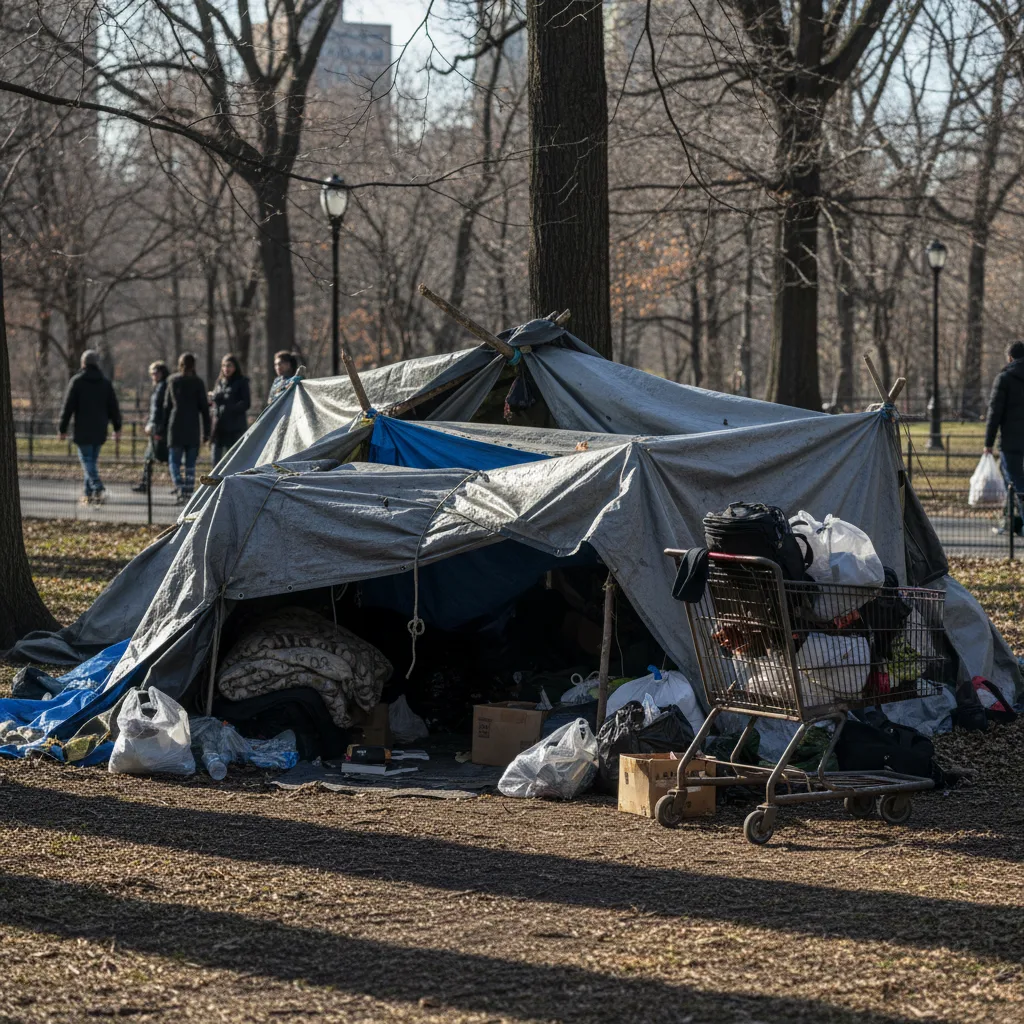
NYC Homeless Encampments Spotted Across Manhattan, Raising Concerns
Multiple homeless encampments have been spotted across Manhattan, raising significant concerns about urban policy and public safety. City officials are under pressure to address the growing homelessness crisis.
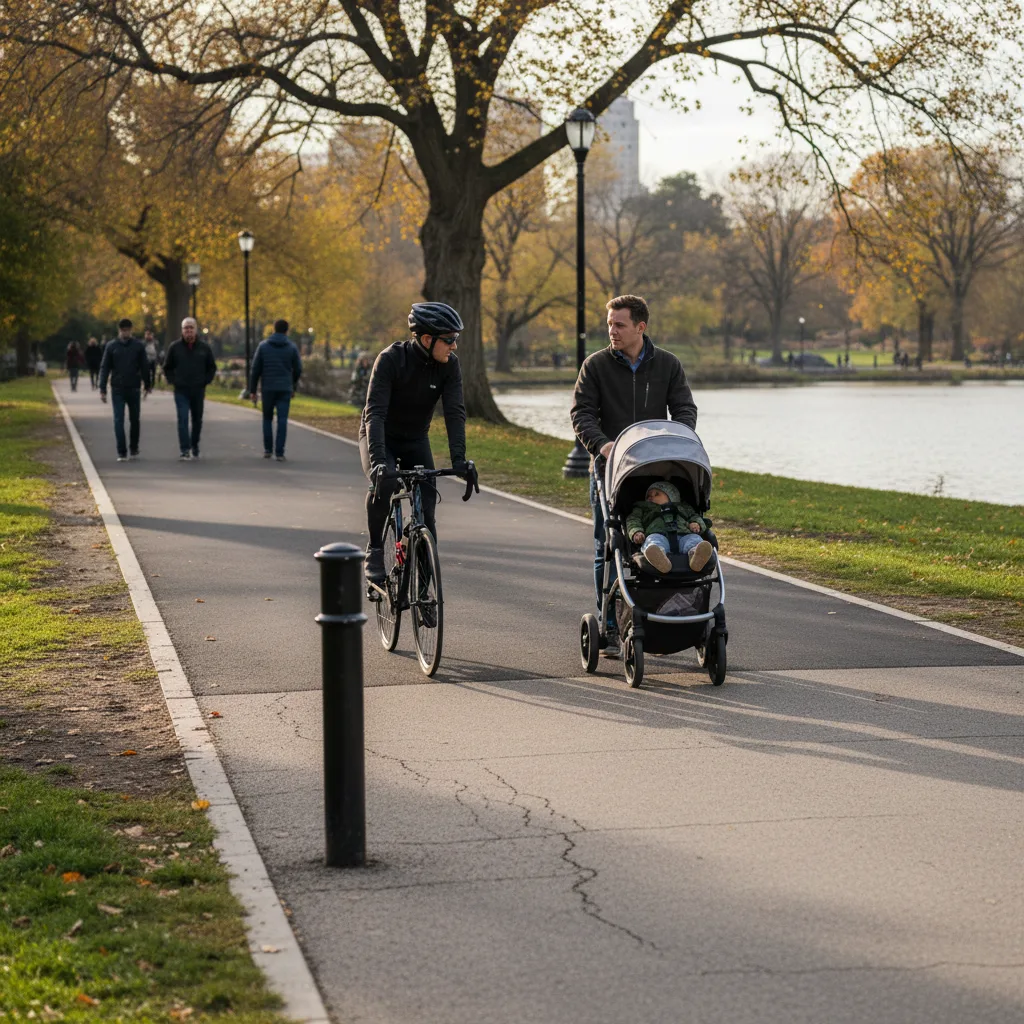
Safety Advocate Blames Park Redesign for Rising Central Park Cyclist Crashes
Safety advocates blame recent Central Park redesigns for a pedestrian's death and rising cyclist crashes, calling for urgent review of infrastructure.
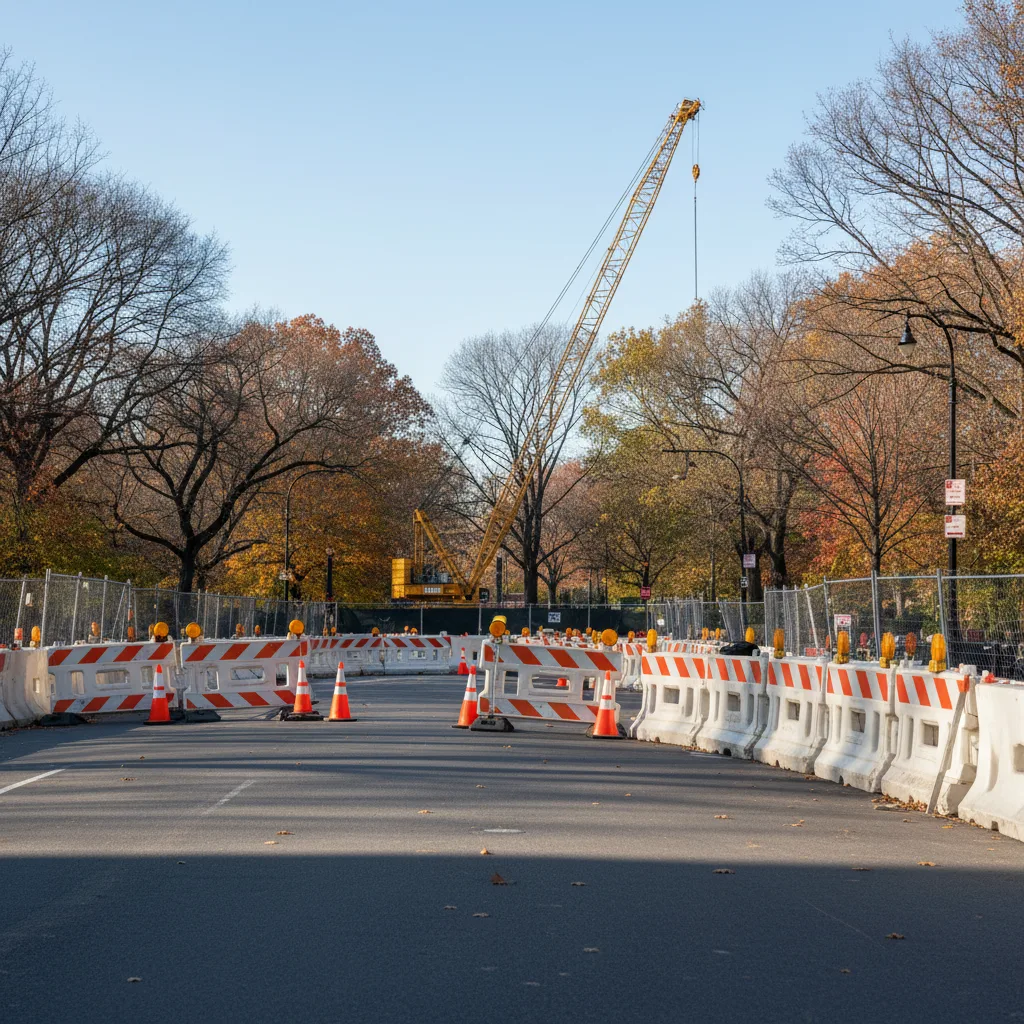
NYC DOT Advises Central Park Area Traffic Disruptions September 27
NYC DOT issued advisories for major traffic disruptions near Central Park on September 27, 2026, due to a parade and crane operations. Expect delays.

Davis Center at Harlem Meer Unveils State-of-the-Art Facilities
The new Davis Center at the Harlem Meer in Central Park's north end now features a state-of-the-art pool, ice rink, and multi-use turf field, enhancing community recreational options.
NYC City Record Confirms September 21, 2026, Publication Schedule
The NYC City Record confirmed its September 21, 2026, publication schedule, detailing administrative notices, procurement, and public hearings. This ensures transparency for municipal operations and public access to vital city information.