


Central Park Conservancy Announces New Invasive Species Management Plan

NEW YORK — The Central Park Conservancy officially unveiled its ambitious new five-year Invasive Species Management Plan on Tuesday, March 4, 2026, targeting aggressive non-native plants that threaten the park's delicate ecological balance. The plan aims to restore biodiversity and enhance the health of the park’s 843 acres.
Officials emphasized that invasive species like Mugwort, Porcelain Berry, and Japanese Knotweed outcompete native flora, disrupt wildlife habitats, and degrade the iconic landscapes. This comprehensive initiative will deploy a multi-pronged approach, combining scientific research with extensive community engagement.
Urgent Need for Ecological Restoration
Central Park, designed in the mid-19th century, is a critical urban green space providing essential ecosystem services and recreation for millions. However, decades of unchecked invasive plant growth have significantly impacted its natural areas, particularly the North Woods and the Ramble.
Dr. Anya Sharma, Director of Horticulture for the Central Park Conservancy, highlighted the urgency. “Without aggressive intervention, these invasive plants will continue to choke out our native species, reducing the habitat available for birds and insects that rely on them,” she told a gathering of environmental journalists and park stakeholders at the Charles A. Dana Discovery Center.
Multi-Faceted Strategy for Invasive Plant Control
The new management plan outlines several key strategies for invasive plant removal and prevention. These include manual removal by trained staff and volunteers, targeted herbicide applications in specific problem areas, and the introduction of native plant species to bolster ecological resilience.
Specifically, the Conservancy plans to launch its largest-ever volunteer-led weeding program, engaging over 2,000 individuals in hands-on conservation efforts throughout 2026. Educational workshops will also equip participants with knowledge about identifying and managing invasive plants.
Collaborations and Funding for Conservation
The Conservancy is collaborating with academic institutions, including Cornell University's School of Integrative Plant Science, to develop best practices and monitor the long-term effectiveness of its methods. This scientific partnership will ensure data-driven decisions guide all restoration efforts.
Funding for the multi-million dollar initiative comes from a combination of private donations, philanthropic grants, and a significant allocation from the NYC Parks Department's capital budget. This financial commitment reflects a shared understanding of the park's ecological importance.
Community Engagement and Public Education
A crucial component of the plan involves public education to foster a deeper understanding of the ecological challenges facing Central Park. Informational kiosks, guided tours, and online resources will be developed to raise awareness about the impact of invasive species.
Park users will also be encouraged to participate in citizen science programs, helping to track the spread of invasive plants and the success of restoration projects. These efforts aim to cultivate a sense of stewardship among New Yorkers for their urban oasis.
Long-Term Vision for a Healthier Central Park
The Invasive Species Management Plan represents a significant step towards achieving a healthier, more biodiverse Central Park for future generations. The Conservancy anticipates noticeable improvements in native plant populations and wildlife habitats within five to ten years.
This sustained commitment to ecological health supports the overall mission of the Conservancy to preserve and enhance Central Park as a sanctuary for both people and nature. Regular updates on the plan's progress will be made available through Central Park Conservancy initiatives and public reports.
Frequently Asked Questions About Central Park's Invasive Species Plan
What is the Central Park Conservancy's new initiative? The Central Park Conservancy has launched a new five-year Invasive Species Management Plan. This ambitious initiative aims to control and remove non-native plants that threaten the park's native flora and fauna, thereby restoring ecological balance and biodiversity across its 843 acres.
Why is an invasive species management plan necessary for Central Park? Invasive plants like Mugwort and Japanese Knotweed aggressively outcompete native vegetation, leading to a loss of biodiversity and degraded habitats for local wildlife. Without intervention, these species would continue to undermine the park's ecological health and its natural beauty. This plan seeks to reverse that trend.
What methods will be used to manage invasive species? The plan employs a multi-pronged approach, including manual removal by dedicated staff and a large volunteer force, as well as carefully targeted herbicide applications in specific areas. Additionally, the Conservancy will prioritize the reintroduction of native plant species to help rebuild the park’s natural ecosystems. This integrated strategy ensures effectiveness and sustainability.
How can the public get involved in these conservation efforts? The public can participate in the Conservancy's volunteer-led weeding programs, which are expected to involve over 2,000 individuals in 2026. Educational workshops and citizen science initiatives will also be available, providing opportunities for community members to learn about and contribute to the park's ecological restoration. These opportunities provide practical engagement.
What is the expected long-term outcome of this management plan? The Conservancy anticipates significant improvements in native plant populations and a healthier, more resilient ecosystem within Central Park over the next five to ten years. The plan aims to create a more robust habitat for wildlife and a more vibrant, ecologically sound green space for New Yorkers and visitors. The long-term vision is a park that thrives ecologically.
Related Articles
More in Wildlife & Nature →
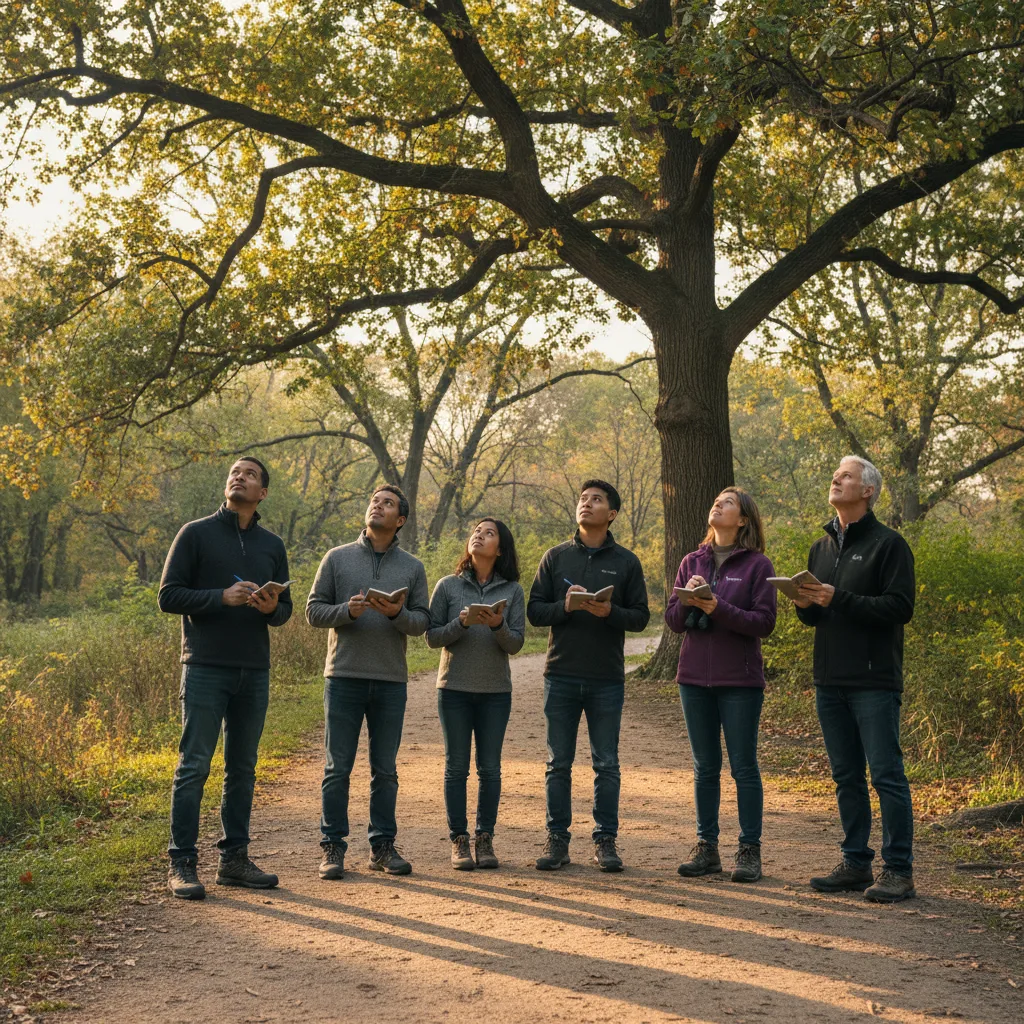
Central Park Boathouse Bird Watching Tour Offers Educational Experience
Central Park Boathouse offers an educational bird watching tour, providing visitors an opportunity to observe avian species. This experience connects locals with nature, enhancing appreciation for park wildlife.
Central Park Event Calendar Features Climate Week Activities September 27
Central Park's event calendar for September 27, 2026, included a Climate Week-aligned "Journal, Meditation, + Bird Walk," promoting environmental awareness.
Wildlife Conservation Society Awards Lovejoy Prize at Central Park Zoo
Wildlife Conservation Society awards 2026 Thomas E. Lovejoy Prize today at Central Park Zoo during Climate Week in New York City.
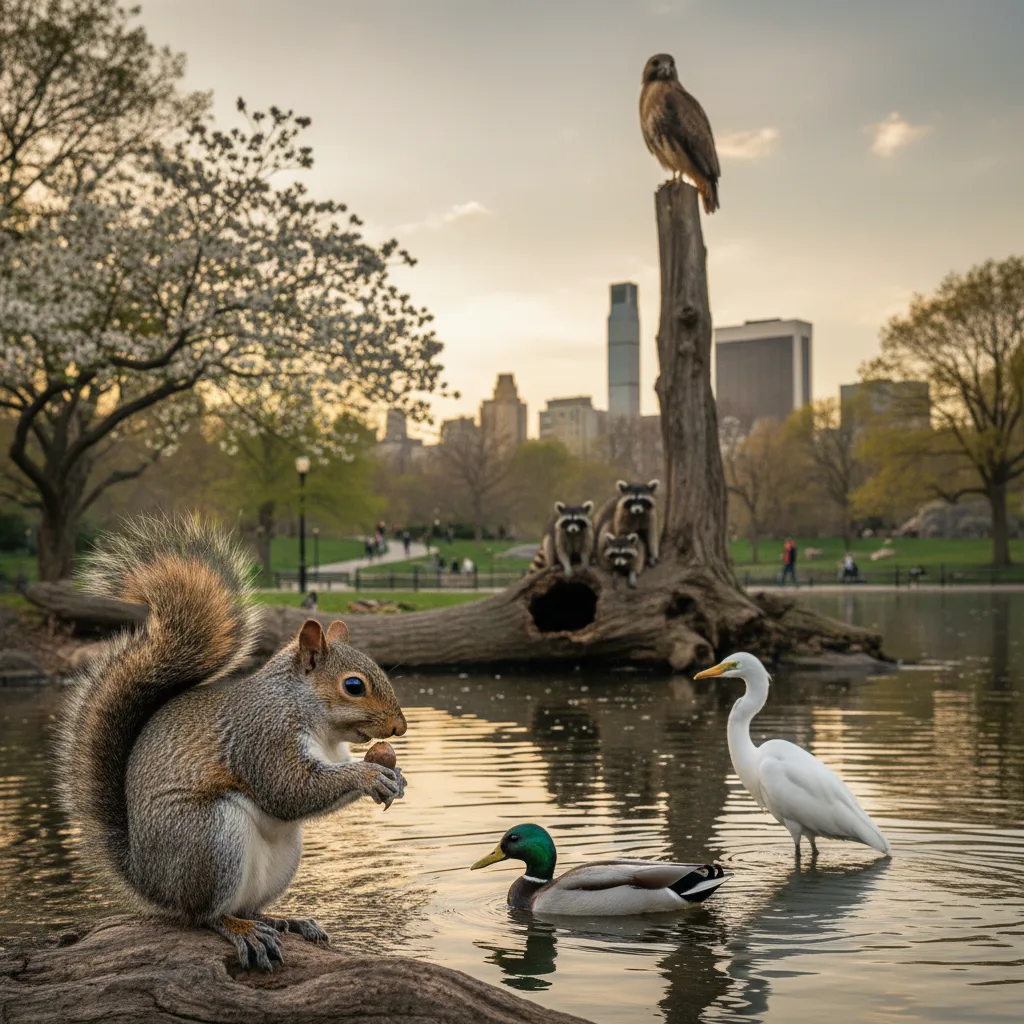
A Guide to Central Park's Wildlife: What to Know About the Park's Animals and Ecosystem
Discover the diverse Central Park wildlife, from birds and mammals to aquatic life. Learn responsible observation tips and conservation efforts for 2026.
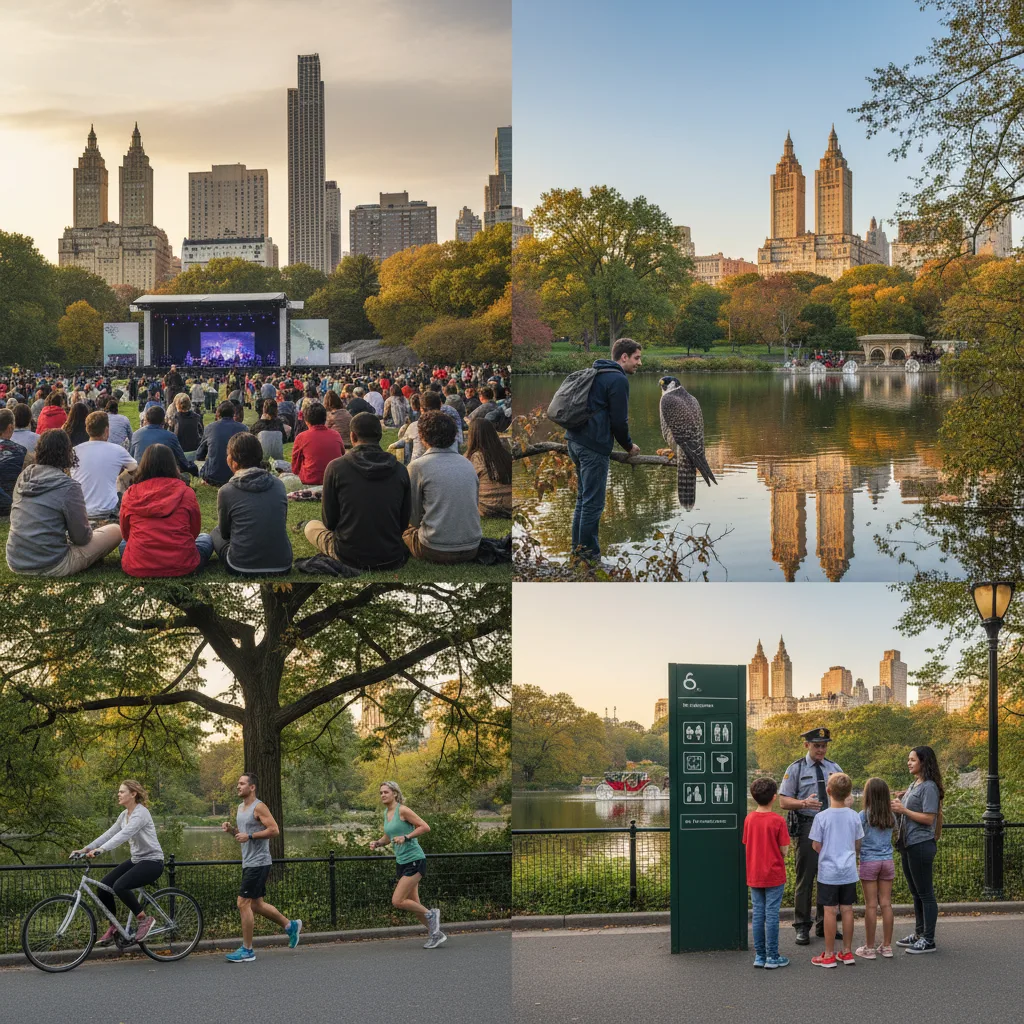
A Guide to Central Park's Top Activities and Best Things to Do in 2026
Discover the best things to do in Central Park, NYC, with our comprehensive 2026 guide to iconic landmarks, activities, and hidden gems for visitors.
A Guide to What to Know About the Vatican Obelisk in Central Park 2026
Discover what to know about the Vatican Obelisk (Cleopatra's Needle) in Central Park, its history, journey to NYC, and where to find it in 2026.