


Central Park Wildlife Initiative Tracks Native Species in the Ramble
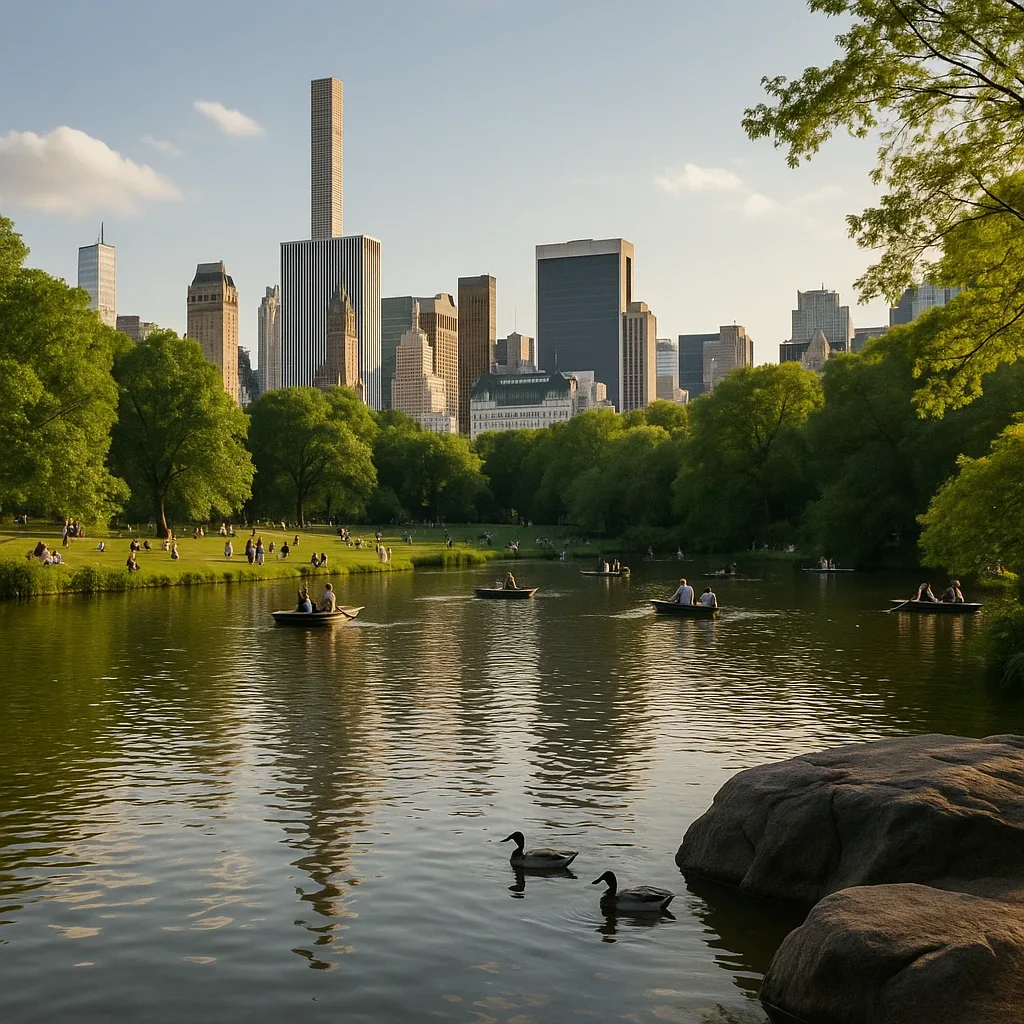
NEW YORK — Local birdwatchers and nature enthusiasts observed an unusual increase in native wildlife activity throughout the Ramble this week, according to ABC7 New York. The uptick in sightings coincides with the publication of a new seasonal wildlife tracking initiative highlighting key native species.
Seasonal Migration Patterns Attract Rare Avian Species
Ornithologists documented over forty distinct species of migratory birds resting in the dense undergrowth of the park over a three-day period. This annual migration draws thousands of birdwatchers equipped with binoculars and telephoto lenses to the park's central woodlands.
Conservationists attribute the diverse avian turnout to the rich insect populations supported by the park's organic maintenance practices. Volunteer groups have worked throughout the spring to plant native berry-producing shrubs that provide vital energy sources for the traveling birds.
Natural Habitats Bordering Central Park Zoo Support Native Fauna
"The proximity of our natural woodlands to established conservation centers provides a unique sanctuary for urban wildlife," Audubon Society Urban Wildlife Specialist Dr. Marcus Thorne said Friday. "Several migratory birds have nested in the dense brush directly bordering the central park zoo, utilizing the sanctuary's quiet zones."
Local researchers are using non-invasive tracking methods to monitor nesting behaviors and food gathering patterns. The data collected will help shape future habitat restoration efforts across Manhattan's urban parks.
Conservationists Detail Seven Essential Animals to Spot This Season
The newly published wildlife guide outlines seven specific animals that visitors can regularly observe, including the red-tailed hawk, eastern chipmunk, and snapping turtle. The publication emphasizes the ecological importance of maintaining quiet, undisturbed zones within the park's interior.
Naturalists will host weekend educational seminars at the Belvedere Castle discovery center to teach families how to identify local species. These programs are designed to foster environmental stewardship among younger generations of New Yorkers, as highlighted in the ABC7 New York local reporting.
Wildlife Photographers Urged to Maintain Ethical Distances
Park rangers issued a reminder to photography enthusiasts regarding the importance of keeping a safe distance from active nesting sites. Approaching too closely can cause maternal birds to abandon their nests, leaving eggs vulnerable to predators.
Photographers are encouraged to utilize long focal lenses and remain on designated dirt paths to protect the delicate ground cover. Rangers will increase patrols in high-density nesting areas to enforce wildlife protection regulations.
Park Conservancy Enhances Naturalist Guided Walks Portfolio
The Conservancy plans to expand its schedule of guided nature walks through the late autumn months to accommodate rising public interest in urban ecology. These tours offer visitors a structured way to explore the wooded ravines while learning about conservation history.
This expansion of public programming aligns with recent initiatives to document the park's changing ecosystems, building upon the findings of the Central Park wildlife survey published earlier this year. Participants must register online in advance, as group sizes are limited to fifteen people per guide.
Frequently Asked Questions
What are the best times of day to spot migratory birds in the Ramble?
The early morning hours, between 6:00 a.m. and 8:30 a.m., offer the highest probability of spotting active migratory birds. During this time, birds are actively foraging for food and are highly vocal, making them easier to locate among the tree branches.
How can volunteers participate in park wildlife conservation projects?
Citizens can sign up for volunteer conservation days through the Central Park Conservancy website. Volunteer activities include planting native flora, removing invasive weed species, and participating in seasonal citizen-science bird counts.
Related Articles
More in Wildlife & Nature →
Central Park Boathouse Bird Watching Tour Offers Educational Experience
Central Park Boathouse offers an educational bird watching tour, providing visitors an opportunity to observe avian species. This experience connects locals with nature, enhancing appreciation for park wildlife.
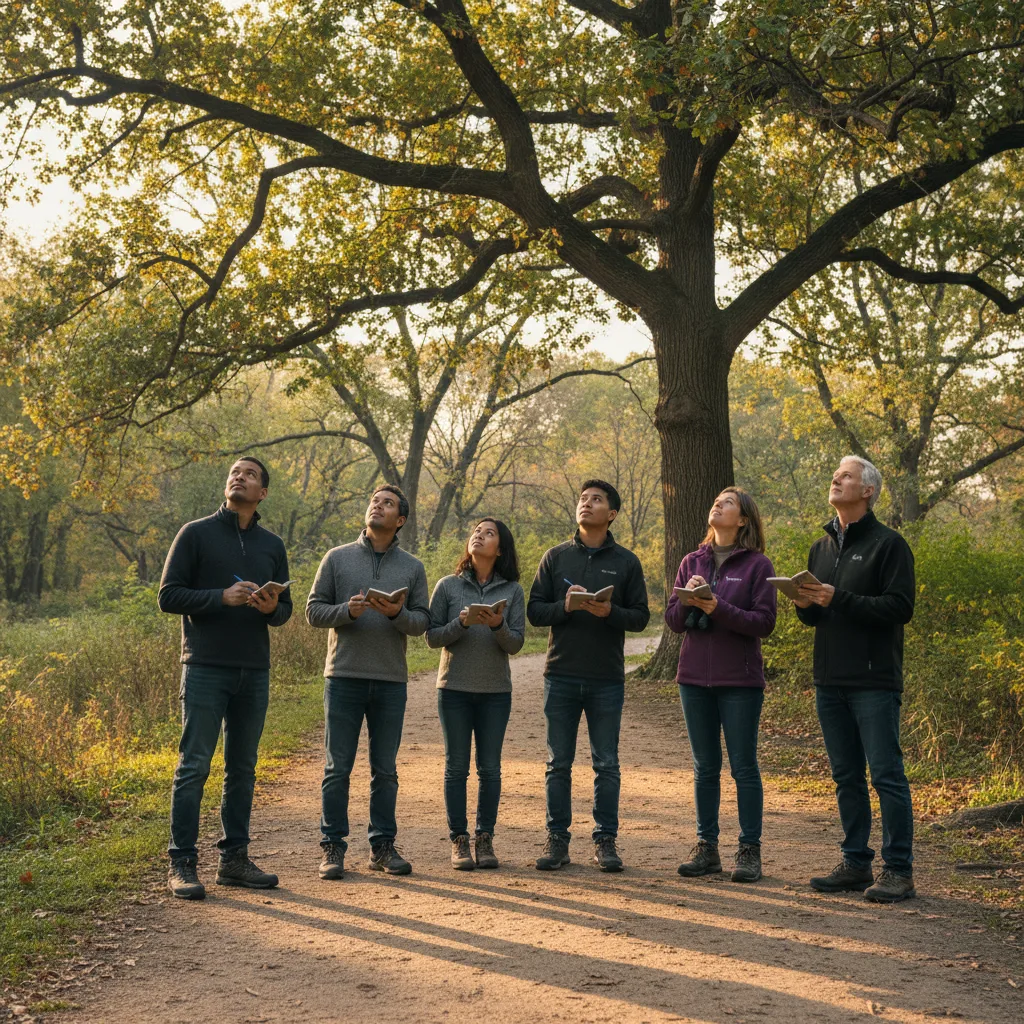
Central Park Event Calendar Features Climate Week Activities September 27
Central Park's event calendar for September 27, 2026, included a Climate Week-aligned "Journal, Meditation, + Bird Walk," promoting environmental awareness.
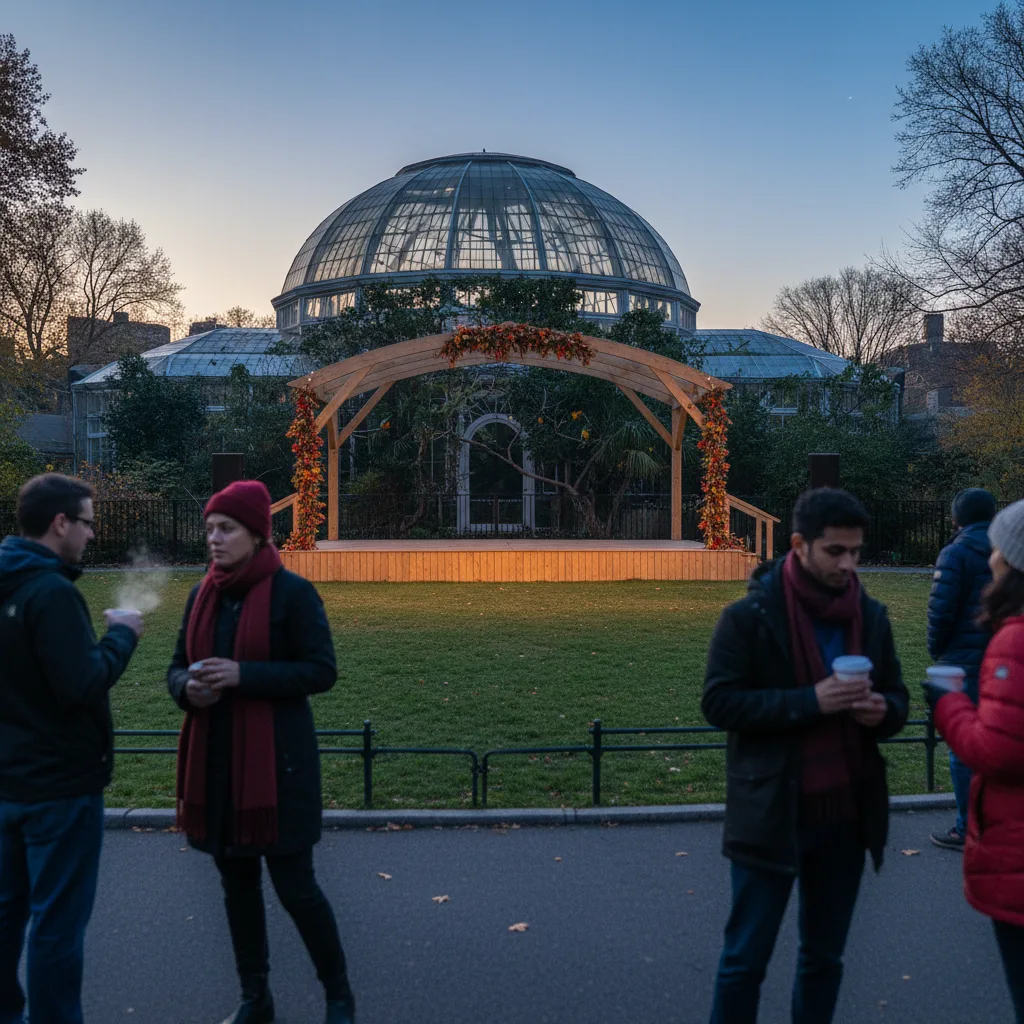
Wildlife Conservation Society Awards Lovejoy Prize at Central Park Zoo
Wildlife Conservation Society awards 2026 Thomas E. Lovejoy Prize today at Central Park Zoo during Climate Week in New York City.
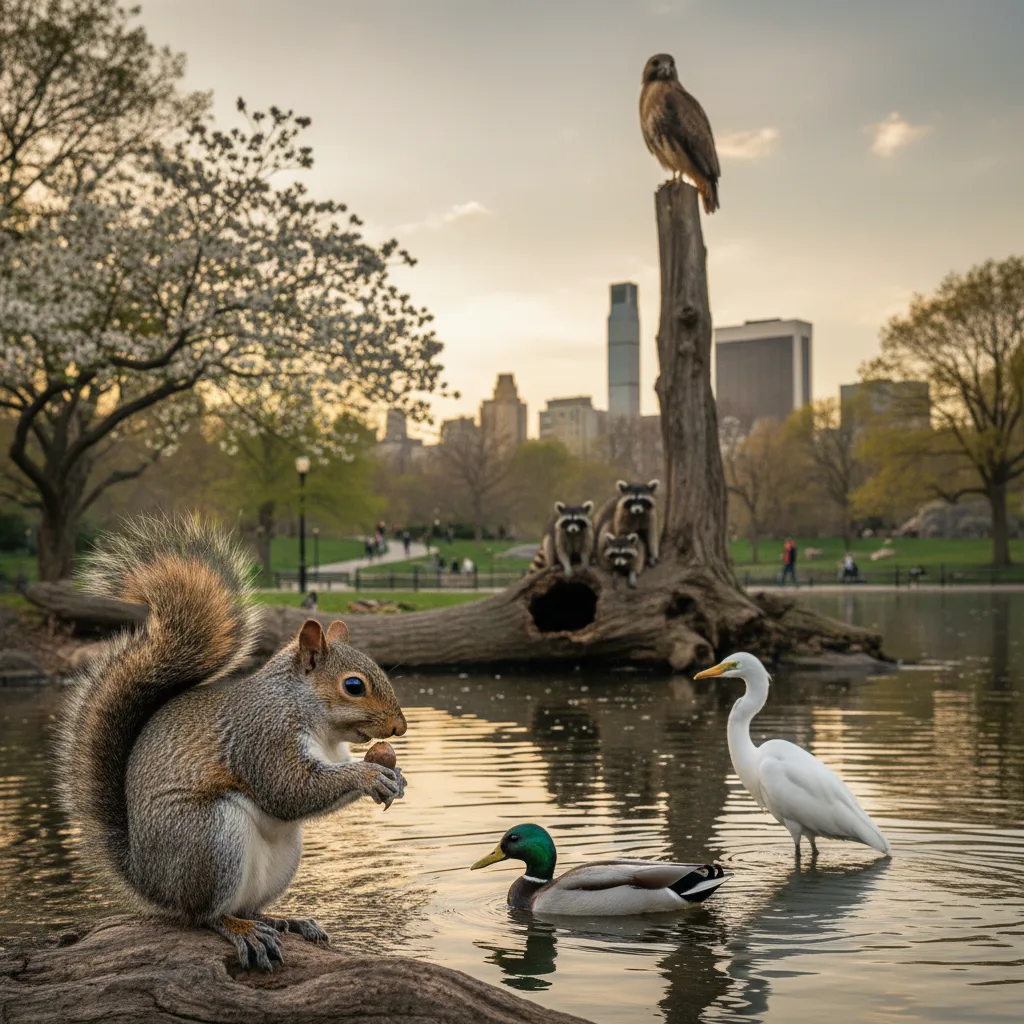
A Guide to Central Park's Wildlife: What to Know About the Park's Animals and Ecosystem
Discover the diverse Central Park wildlife, from birds and mammals to aquatic life. Learn responsible observation tips and conservation efforts for 2026.
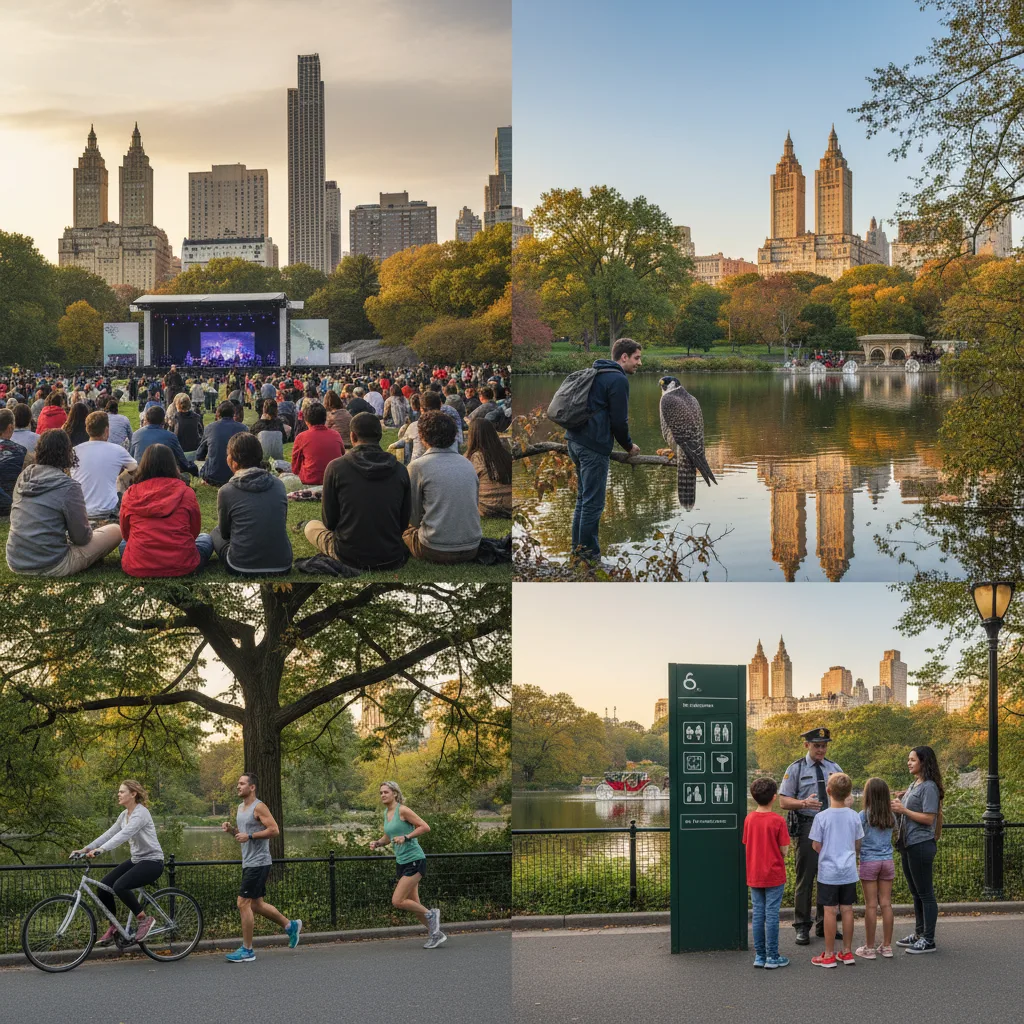
A Guide to Central Park's Top Activities and Best Things to Do in 2026
Discover the best things to do in Central Park, NYC, with our comprehensive 2026 guide to iconic landmarks, activities, and hidden gems for visitors.
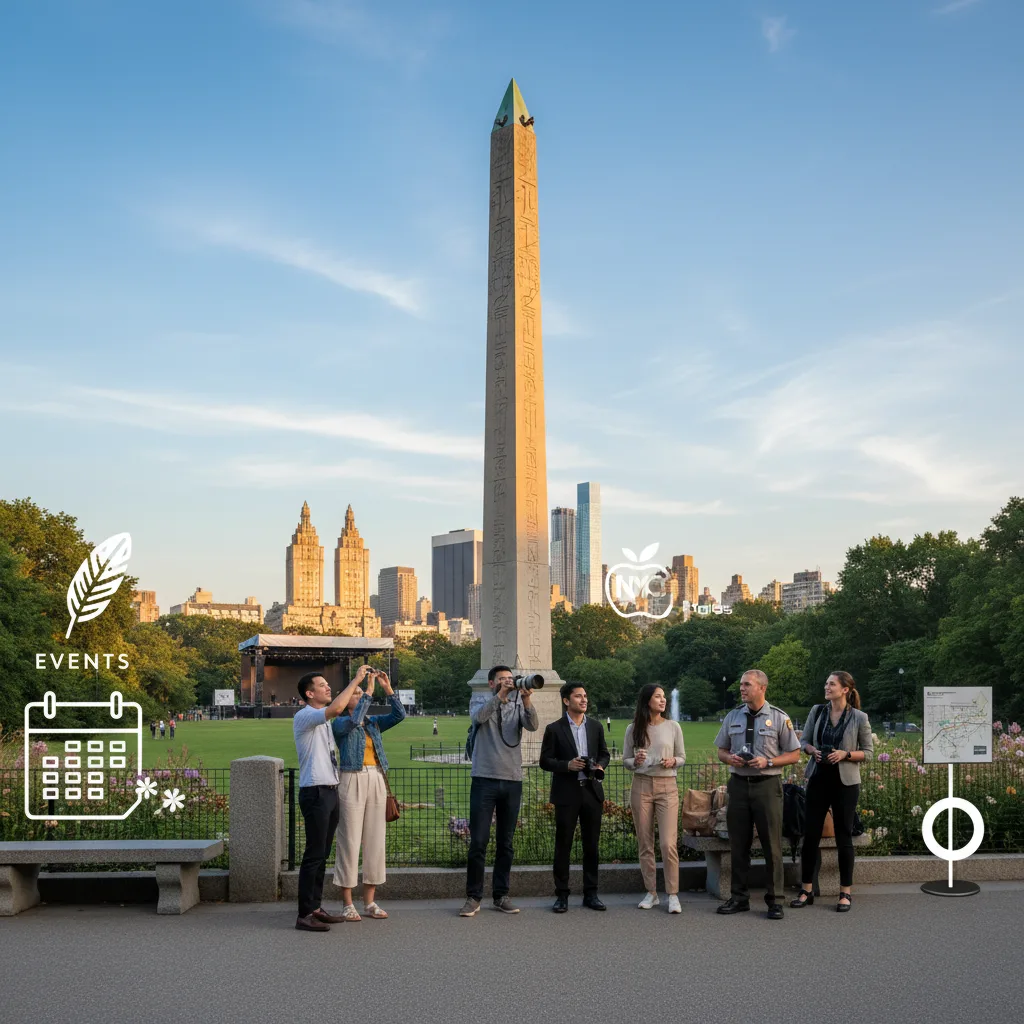
A Guide to What to Know About the Vatican Obelisk in Central Park 2026
Discover what to know about the Vatican Obelisk (Cleopatra's Needle) in Central Park, its history, journey to NYC, and where to find it in 2026.