


Paddleboat Sightings Confirm Growing Urban Wildlife Diversity
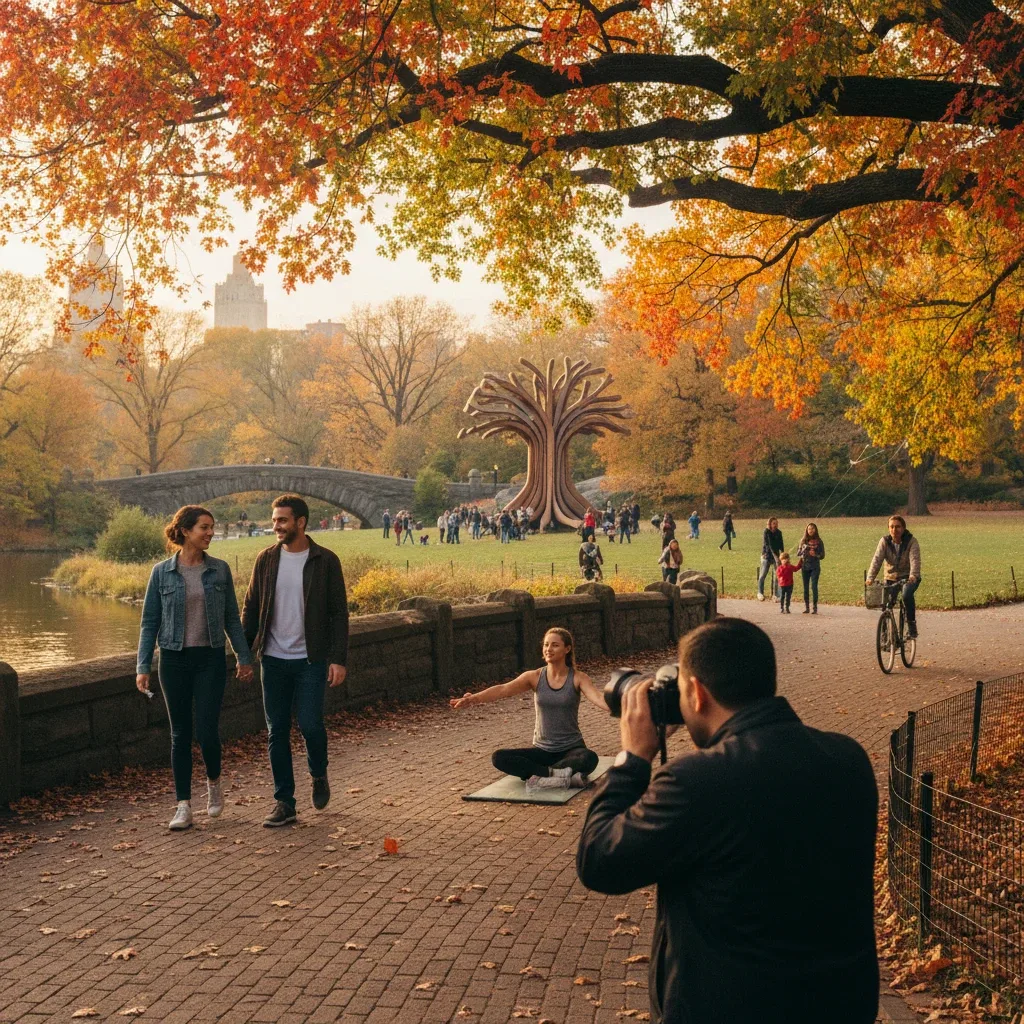
NEW YORK — Wildlife spotters documented several active coyote sightings near the Delacorte Theater Tuesday, Central Park News confirmed. The presence of these predators highlights the robust urban biodiversity thriving within the park's 843 acres of protected woodlands.
Local park rangers have increased monitoring efforts around the Delacorte Theater to ensure both animal safety and public awareness. Visitors are reminded that coyotes play an important ecological role in controlling rodent populations.
Wildlife Sightings Peak Near Turtle Pond Area
The northern edge of Turtle Pond has become a primary hotspot for wildlife observation this season. Birdwatchers and nature photographers have gathered daily to document rare migratory birds nesting in the surrounding reeds.
Ripples of cool water lapped gently against the docks as the afternoon sun glittered on the surface of the Lake. Red-eared slider turtles can regularly be seen basking on the semi-submerged logs near the shoreline.
According to the Central Park News wildlife database, the park's diverse habitats support more than 200 species of birds and mammals. This rich ecosystem exists just steps away from the dense concrete skyscrapers of Midtown Manhattan.
Conservation Experts Advise Safe Viewing Distances
"The presence of native wildlife shows that our habitat restoration efforts are working," said Sarah Mitchell, lead biologist at the Urban Wildlife Coalition. Mitchell emphasized that maintaining a respectful distance is critical for keeping these animals wild and healthy.
Park administrators have installed new educational signage around sensitive nesting areas to prevent human interference. Feeding any wild animals inside the park remains strictly prohibited under city municipal codes.
Violators face fines of up to $250 for feeding wildlife, as artificial food sources can disrupt natural foraging behaviors and lead to dangerous habituation. Rangers from the Urban Park Rangers division patrol these areas daily to enforce compliance.
Waterways Attract Diverse Migratory Bird Species
The park's freshwater bodies, including the Reservoir and the Harlem Meer, serve as crucial resting stops along the Atlantic Flyway migration route. During the peak spring and autumn seasons, thousands of birds stop to feed in these protected waters.
These avian populations are the focus of a collaborative study between local birdwatchers and the avian tracking project in the Ramble, which monitors migration patterns. This tracking data helps conservationists understand how urban light pollution impacts bird navigation.
In recent months, volunteers have cataloged rare sightings of prothonotary warblers and scarlet tanagers. These colorful species attract hundreds of binoculars-toting enthusiasts to the winding paths of the Ramble.
Recreationists Spot Wildlife from the Lake
Visitors renting a traditional paddleboat have reported unique close-up views of herons and egrets hunting along the muddy banks of the Lake. These watercraft allow for silent, non-disruptive observation of species that usually avoid the busy pedestrian walkways.
The Central Park Conservancy's Director of Horticulture noted that keeping the lakes free of chemical runoff is essential for preserving these aquatic habitats. Aquatic plants are carefully managed to maintain dissolved oxygen levels for resident fish.
Rentals of these boats remain popular throughout the summer months, with safety briefings including guidelines on avoiding designated wildlife sanctuaries. The rental dock near the Loeb Boathouse operates daily from April through November.
Long Term Ecological Monitoring Protects Local Species
Ecological studies conducted by local universities show that the overall health of the park's soil and water has improved over the past decade. This improvement is credited to organic landscaping practices and the reduction of synthetic pesticide use.
Community science programs encourage visitors to log their sightings using mobile applications to help build a comprehensive biodiversity database. This real-time data allows conservationists to quickly identify shifts in animal populations.
These ongoing conservation projects work in tandem with regional environmental initiatives to ensure that Manhattan's largest green space remains a viable sanctuary for native species. As urban development continues across the region, these protected acres become increasingly vital.
Frequently Asked Questions
What should visitors do if they encounter a coyote inside the park?
If you see a coyote, maintain a safe distance and do not attempt to approach or feed the animal, according to the Urban Park Rangers. If the coyote approaches you, make yourself look larger, wave your arms, and make loud noises to assert dominance, a technique known as hazing.
Are there specific hours when wildlife spotting is most successful near Turtle Pond?
Wildlife activity, particularly among birds and small mammals, peaks during the early morning hours between 6:00 a.m. and 8:00 p.m. when foot traffic is lowest, according to the Central Park Conservancy. Evening dusk also offers excellent opportunities for observing turtles and nocturnal species as the daytime crowds dissipate.
Related Articles
More in Wildlife & Nature →
Central Park Boathouse Bird Watching Tour Offers Educational Experience
Central Park Boathouse offers an educational bird watching tour, providing visitors an opportunity to observe avian species. This experience connects locals with nature, enhancing appreciation for park wildlife.
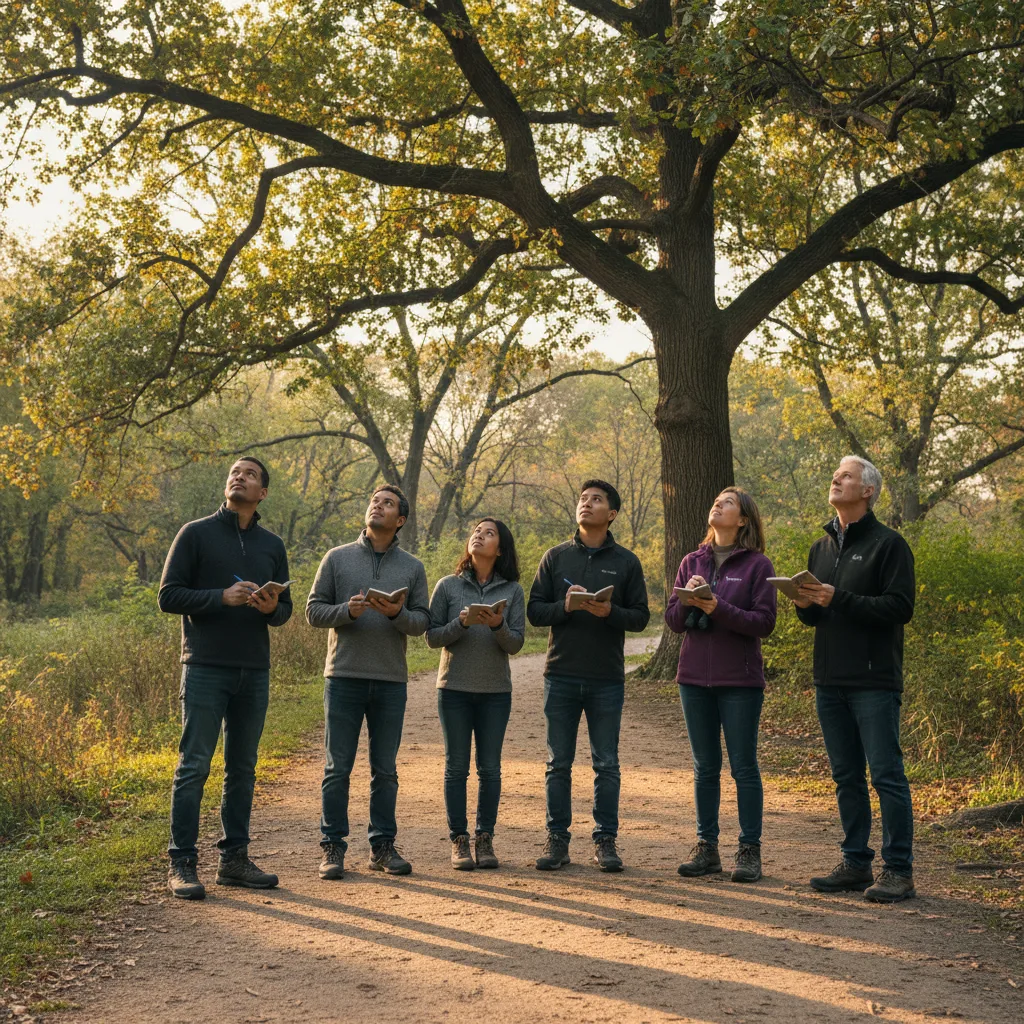
Central Park Event Calendar Features Climate Week Activities September 27
Central Park's event calendar for September 27, 2026, included a Climate Week-aligned "Journal, Meditation, + Bird Walk," promoting environmental awareness.
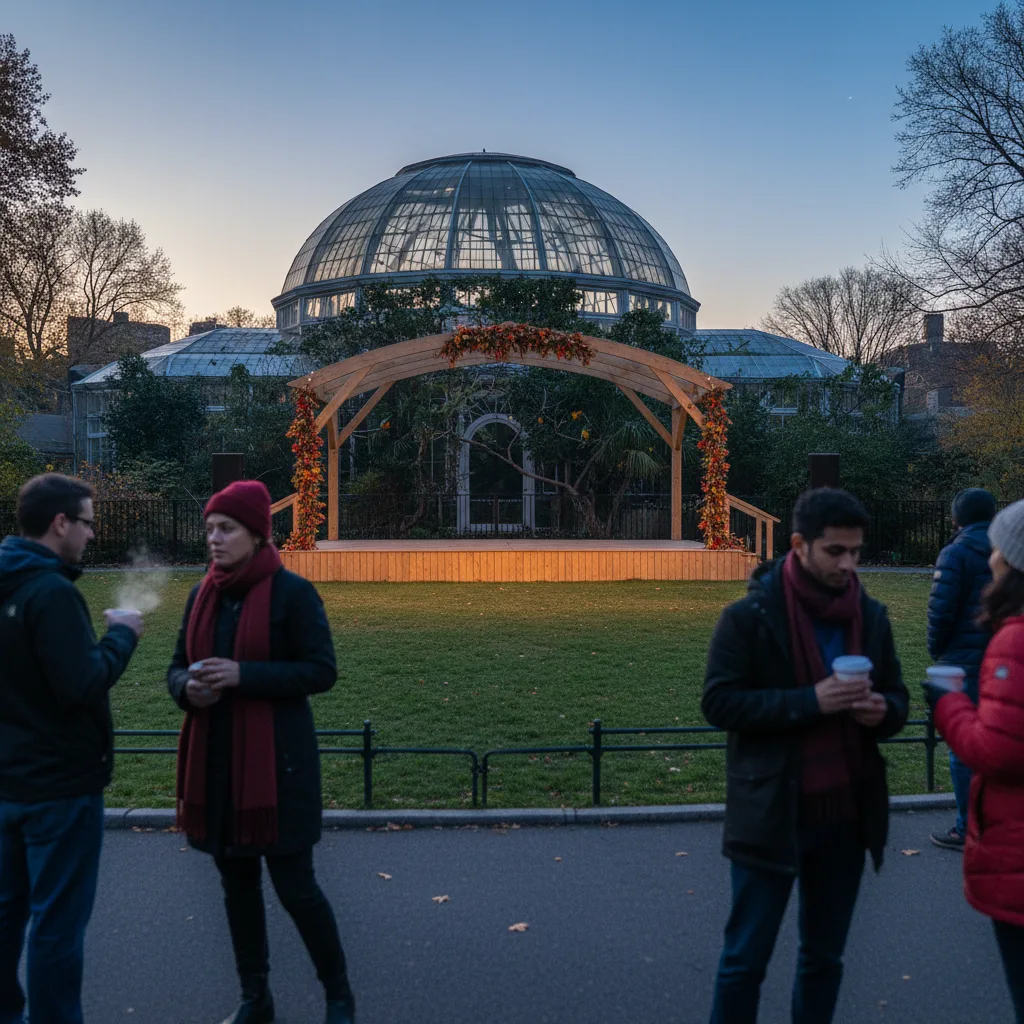
Wildlife Conservation Society Awards Lovejoy Prize at Central Park Zoo
Wildlife Conservation Society awards 2026 Thomas E. Lovejoy Prize today at Central Park Zoo during Climate Week in New York City.
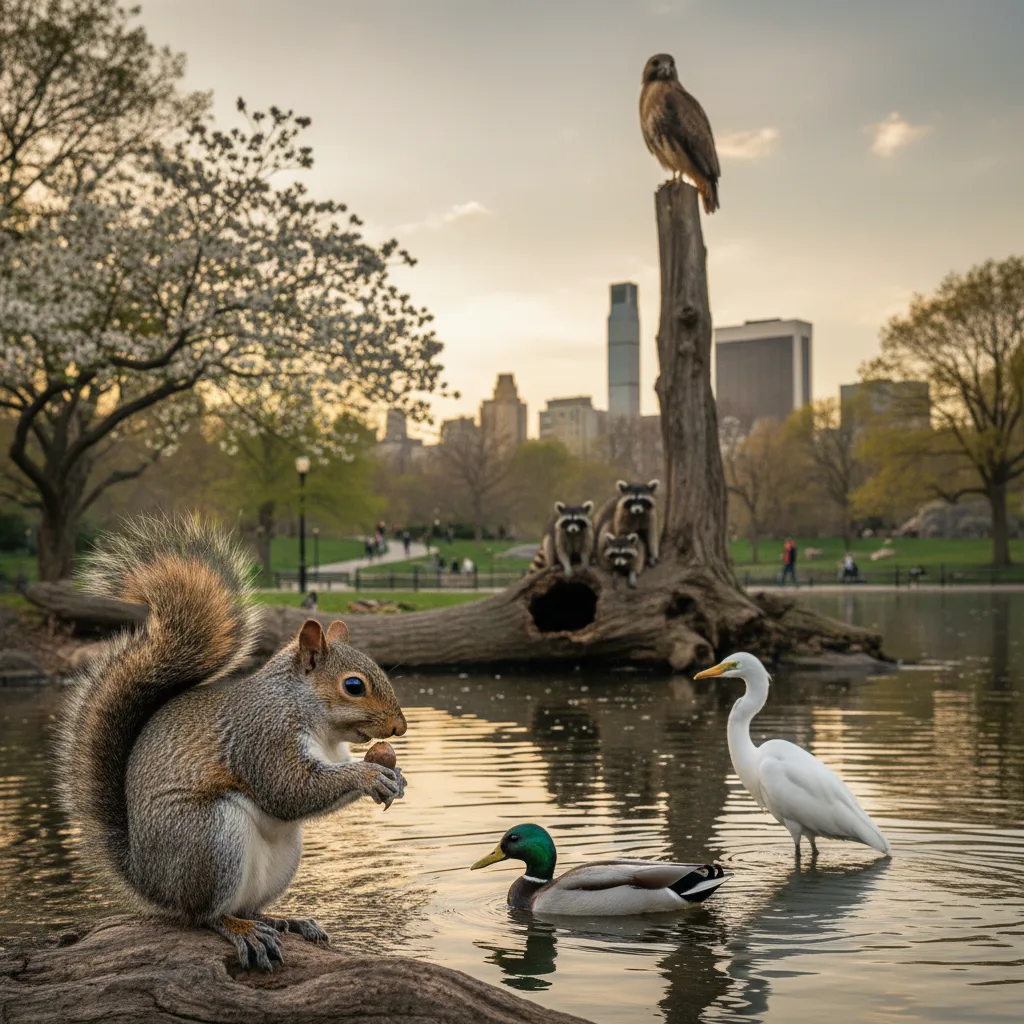
A Guide to Central Park's Wildlife: What to Know About the Park's Animals and Ecosystem
Discover the diverse Central Park wildlife, from birds and mammals to aquatic life. Learn responsible observation tips and conservation efforts for 2026.
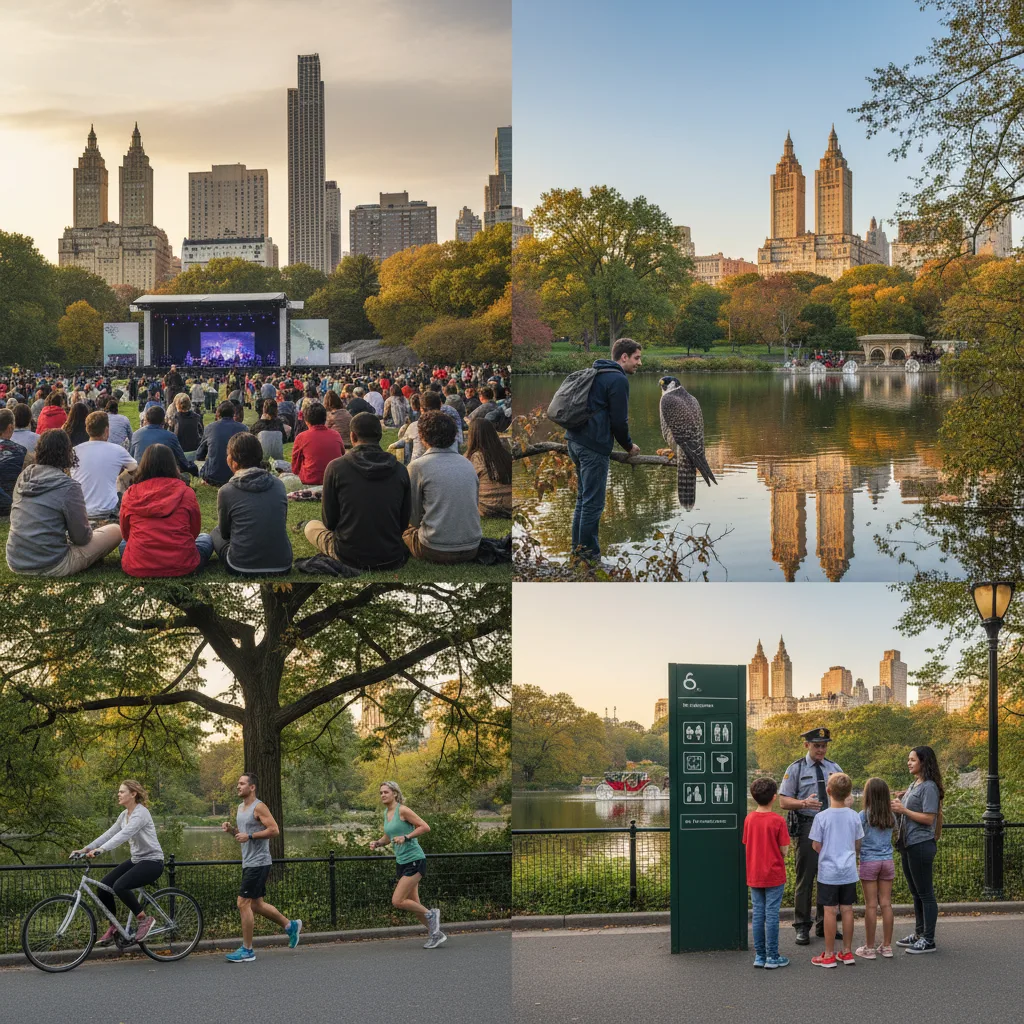
A Guide to Central Park's Top Activities and Best Things to Do in 2026
Discover the best things to do in Central Park, NYC, with our comprehensive 2026 guide to iconic landmarks, activities, and hidden gems for visitors.
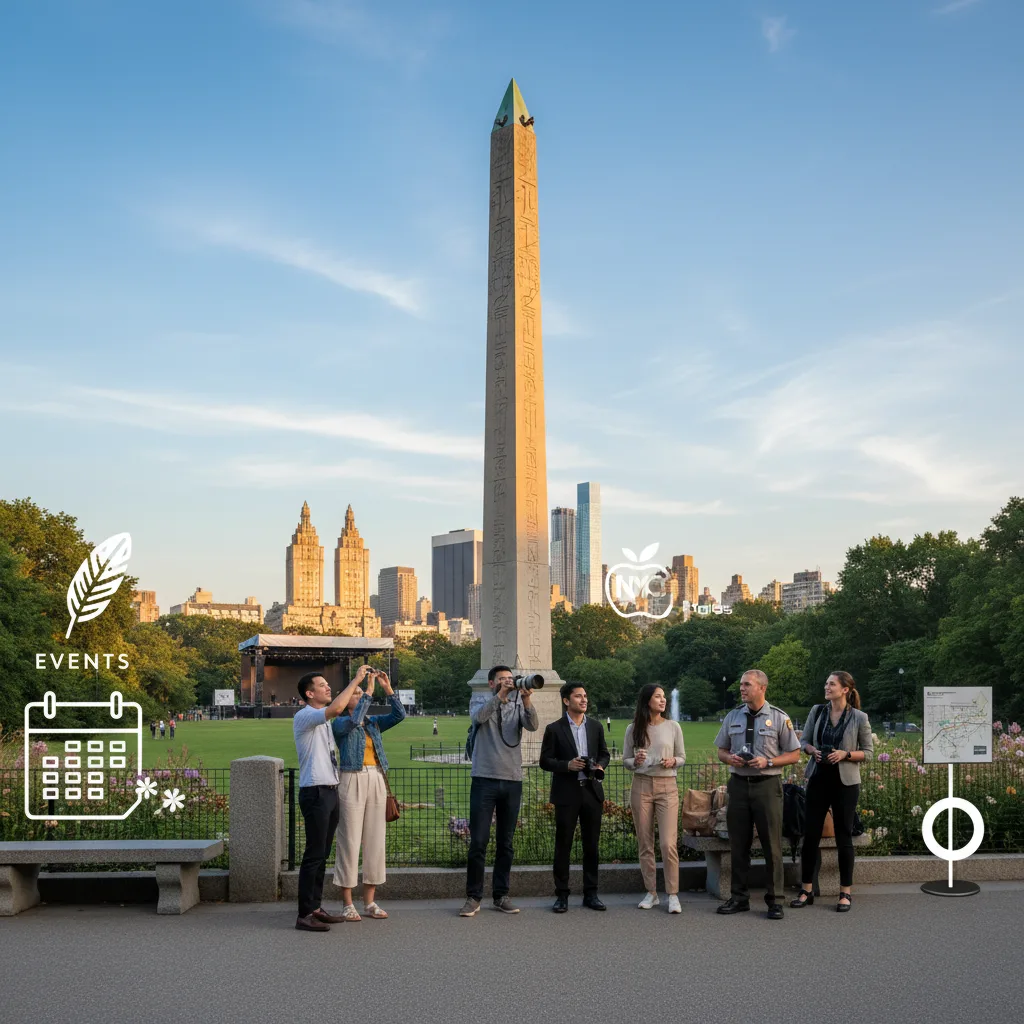
A Guide to What to Know About the Vatican Obelisk in Central Park 2026
Discover what to know about the Vatican Obelisk (Cleopatra's Needle) in Central Park, its history, journey to NYC, and where to find it in 2026.