


Carriage Horse Drivers Vow Court Battle Against Central Park Ban
Enjoying the coverage?
Central Park news, events and park updates in your inbox every Friday. Free; unsubscribe in one click.
Sent every Friday. By subscribing, you agree to our Terms of Use and Privacy Policy.
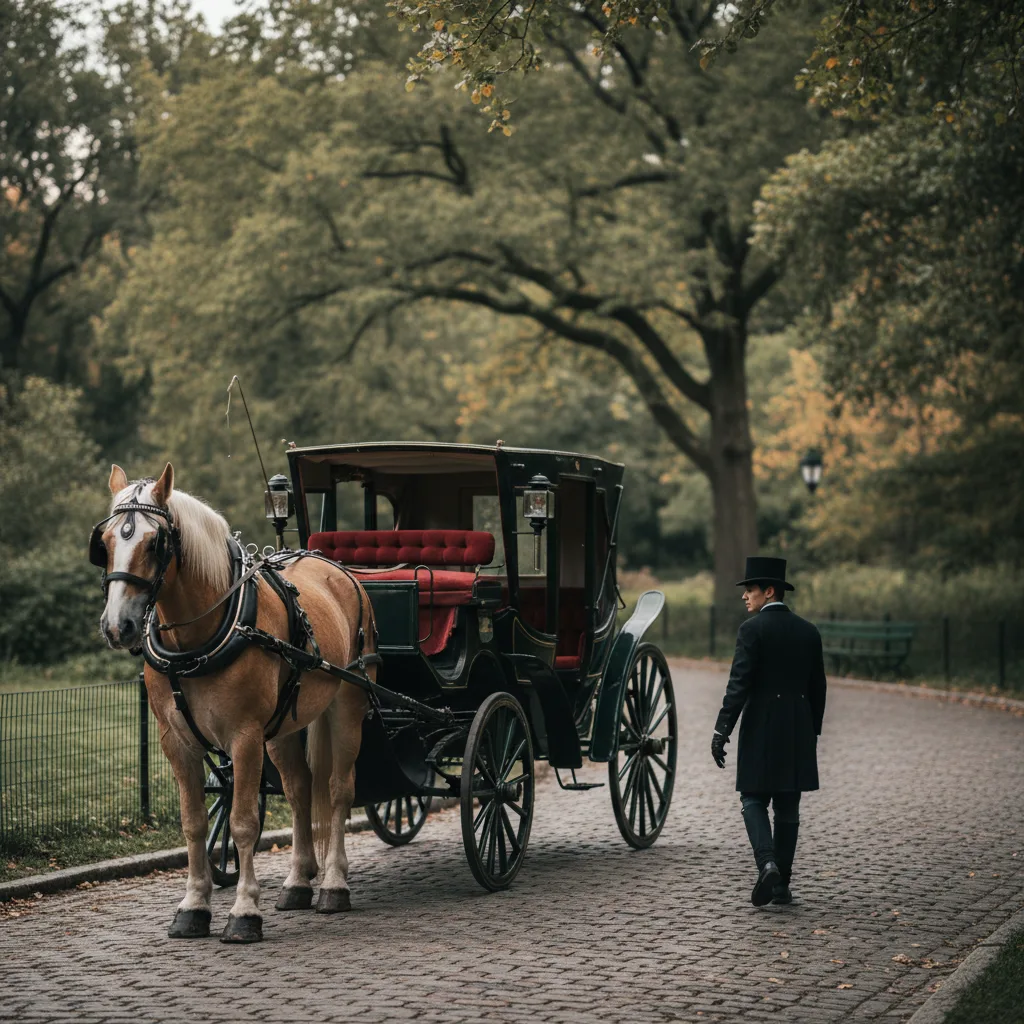
NEW YORK — The Transport Workers Union of America announced a strong legal challenge to New York City’s ban on horse-drawn carriages in Central Park. The union's vow comes even after a 20-year effort to remove the carriages has seemingly succeeded.
Carriage Drivers Union Prepares for Legal Showdown
The Transport Workers Union of America (TWU) believes the issue is far from settled, despite the city's recent decision to ban horse-drawn carriages. Union representatives stated they possess a robust legal case and intend to pursue it vigorously in court. This sets the stage for a protracted battle over the future of the iconic Central Park industry.
Carriage drivers, many of whom have worked in the park for decades, are prepared to fight for their livelihoods. The potential legal action highlights the deep divisions surrounding the ban, which animal rights activists have long championed. Legal experts are now evaluating the potential grounds for the union's challenge.
The Central Park News Friday Briefing
Central Park news, events and park updates in your inbox every Friday. Free; unsubscribe in one click.
Sent every Friday. By subscribing, you agree to our Terms of Use and Privacy Policy.
Two Decades of Debate Culminate in Impasse
The ban follows more than two decades of intense debate, lobbying, and protests from various groups. Animal welfare organizations have consistently argued that the practice is inhumane and unsafe for horses in a busy urban environment. Conversely, drivers and some tourism advocates contend that the carriages are a beloved part of New York City's charm and a vital tourist attraction.
This legal threat suggests the city’s decision, while appearing final, may yet face significant hurdles. The effort to ban the carriages has been a complex issue, entwined with labor rights, animal welfare, and historical preservation. The outcome of any court battle could set precedents for similar debates in other cities, as detailed by Lancaster Farming.
Economic Impact on Central Park Carriage Industry
The ban carries significant economic implications for the roughly 200 drivers and stable workers directly employed by the carriage industry. Many of these individuals face an uncertain future, prompting the union's strong stance. The industry also supports ancillary businesses, from feed suppliers to farriers, all of whom will be affected.
The city has proposed retraining and relocation programs for the horses and drivers. However, the union argues these measures are insufficient to mitigate the economic displacement. The dispute underscores the tension between economic realities and evolving ethical considerations regarding animal use in entertainment.
Animal Welfare Concerns vs. Historic Tradition
The core of the conflict lies in the clash between animal welfare concerns and the preservation of a historic New York City tradition. Advocates for the ban point to reports of horses collapsing or being injured in traffic, arguing that the city streets are no place for them. They seek to end what they view as exploitation.
Conversely, supporters of the carriage industry highlight the long history of the practice, stretching back to the 19th century. They argue that horses are well-cared for and that the industry provides a unique, romantic experience for millions of tourists annually. The proposed Central Park carriage ban has ignited passionate debate on both sides.
The Legal Strategy of the Transport Workers Union
The TWU’s legal strategy is expected to focus on several potential arguments, including the alleged economic harm to its members, potential violations of collective bargaining agreements, and claims that the ban is arbitrary or discriminatory. They may also challenge the scientific basis of some animal welfare arguments.
Legal proceedings could involve injunctions to halt the ban's implementation, followed by lengthy court cases to challenge its legality. The union's determination indicates a readiness for a prolonged legal battle, signaling that the future of Central Park's horse-drawn carriages remains highly contentious.
Frequently Asked Questions
What are the main arguments against horse-drawn carriages in Central Park?
The main arguments against horse-drawn carriages in Central Park center on animal welfare, citing concerns about horses working in heavy traffic, extreme weather conditions, and crowded urban environments. Activists argue the practice is inhumane and poses safety risks for both animals and the public. They advocate for alternative, electric vehicles to maintain the park's charm without animal labor.
What arguments do carriage drivers and their union make in favor of horse-drawn carriages?
Carriage drivers and their union argue that the horses are well-cared for, regularly inspected by veterinarians, and that the industry provides a safe and enjoyable experience for tourists. They emphasize the historical and cultural significance of the carriages to New York City's identity and highlight the economic livelihoods of hundreds of workers that depend on the industry. They also dispute claims of widespread animal cruelty.
What is the expected timeline for the legal challenge by the Transport Workers Union?
The expected timeline for the legal challenge by the Transport Workers Union against the Central Park carriage ban is uncertain but likely to be prolonged. Initial legal filings, such as requests for injunctions, could occur within weeks or months of the ban's official implementation. However, the entire legal process, including appeals, could stretch over several years, keeping the future of horse-drawn carriages in Central Park in a state of limbo.
The Central Park News Friday Briefing
Central Park news, events and park updates in your inbox every Friday. Free; unsubscribe in one click.
Sent every Friday. By subscribing, you agree to our Terms of Use and Privacy Policy.
Related Articles
More in Urban Policy & Development →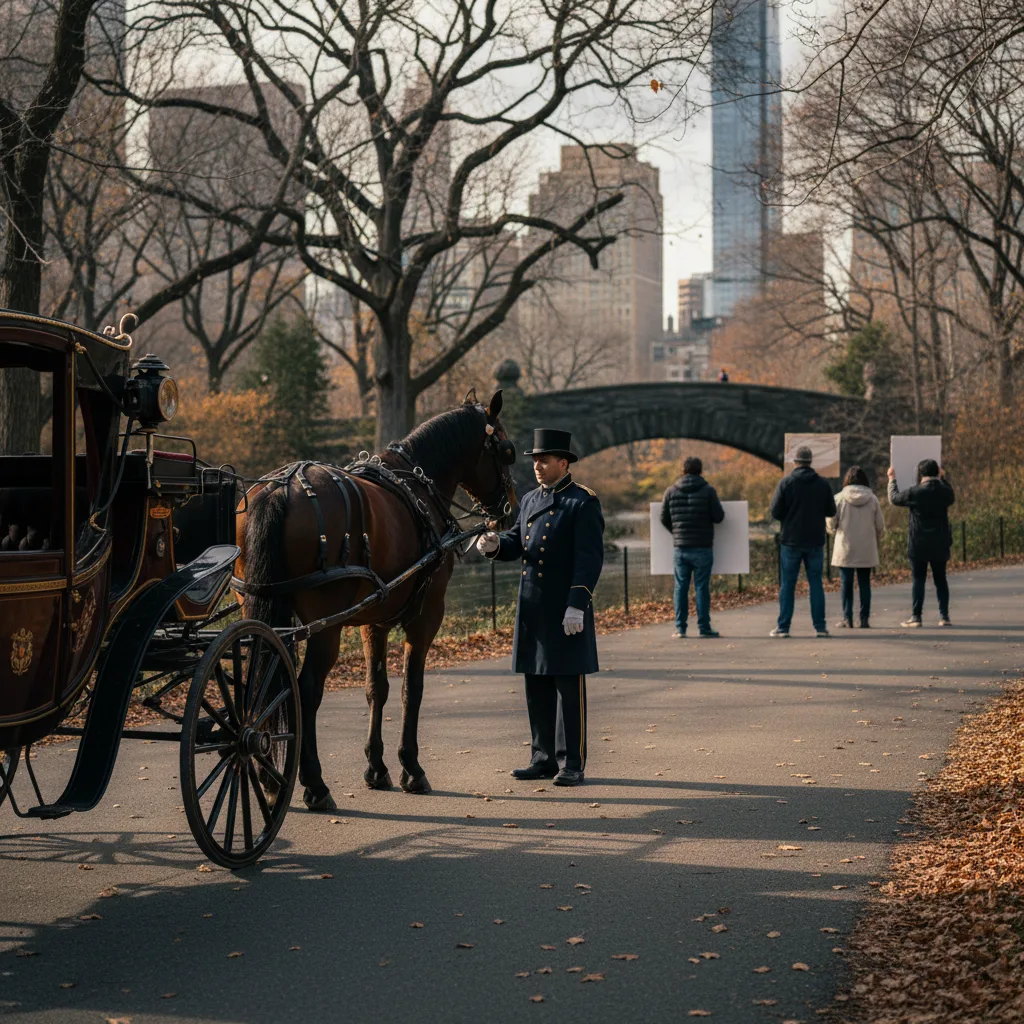
Mayor Mamdani Signs Horse Carriage Ban, Industry Sues City
Mayor Zohran Mamdani signed a bill into law Thursday that will phase out New York City's horse-drawn carriage industry, prompting an immediate lawsuit from carriage drivers.
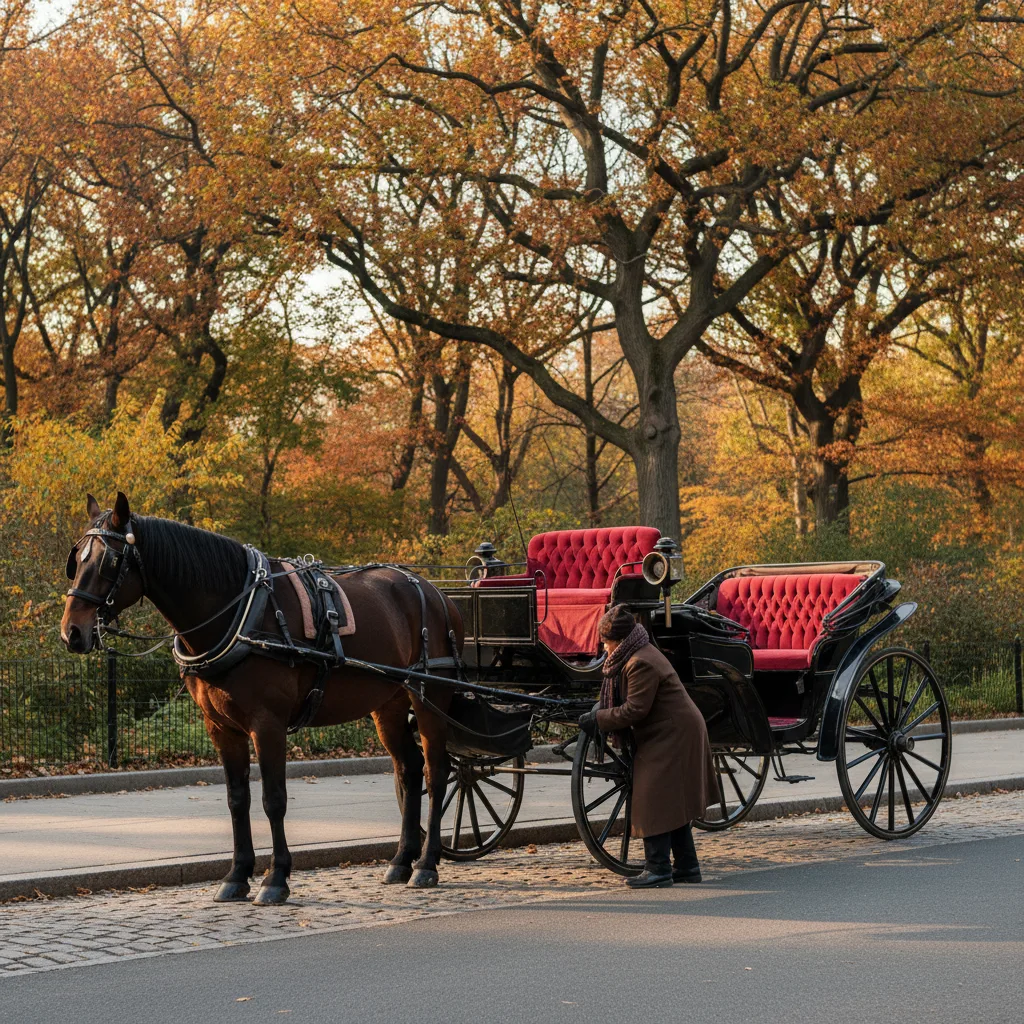
NYC Carriage Drivers Sue City Over Horse-Drawn Carriage Ban
Central Park's horse-drawn carriage drivers filed a lawsuit against New York City on Thursday, November 19, 2026, challenging a new law banning their operations.
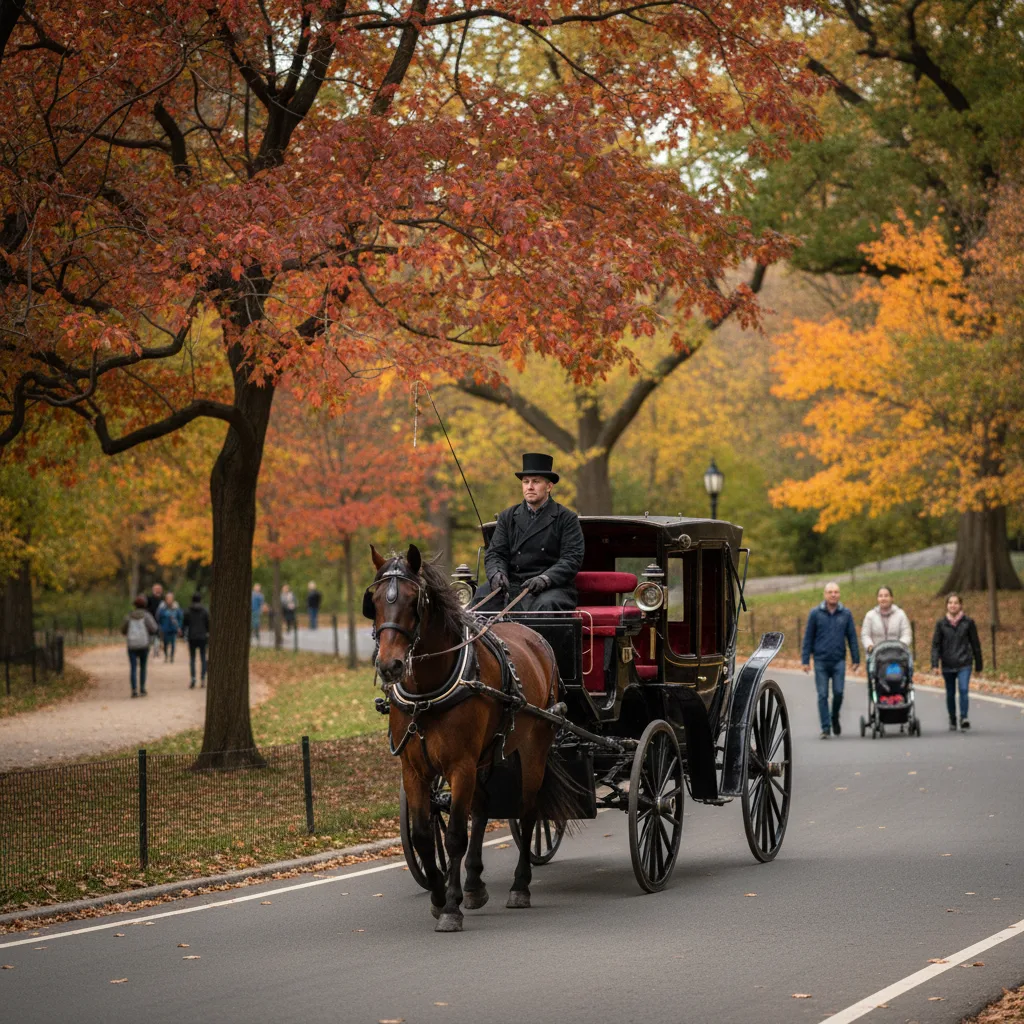
Mayor Mamdani Signs Law Phasing Out NYC Horse Carriages by 2028
Mayor Zohran Mamdani signed legislation on November 20, 2026, to phase out New York City's horse-drawn carriage industry by June 1, 2028.
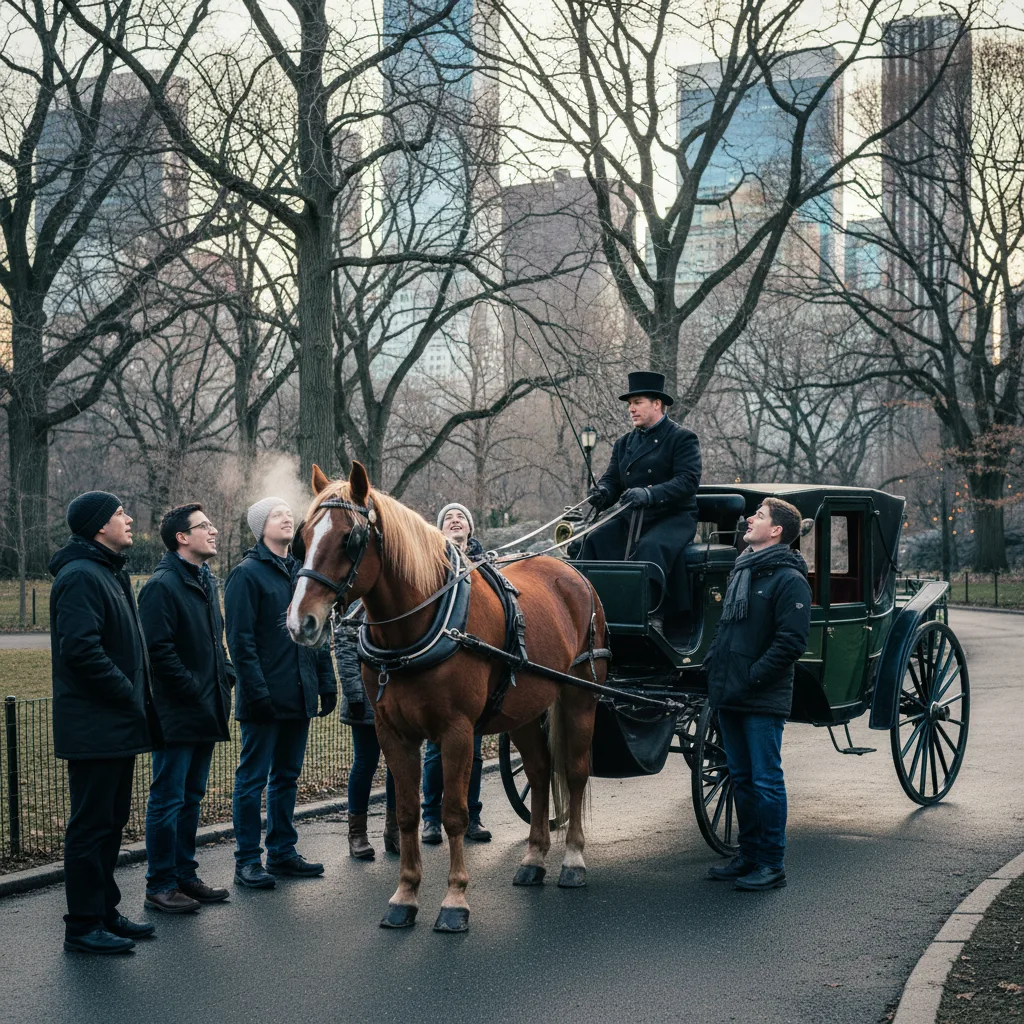
Central Park Carriage Drivers Sue NYC Over Mamdani Ban
Central Park horse-drawn carriage drivers filed a federal lawsuit against New York City on November 20, 2026, challenging Mayor Zohran Mamdani's ban.
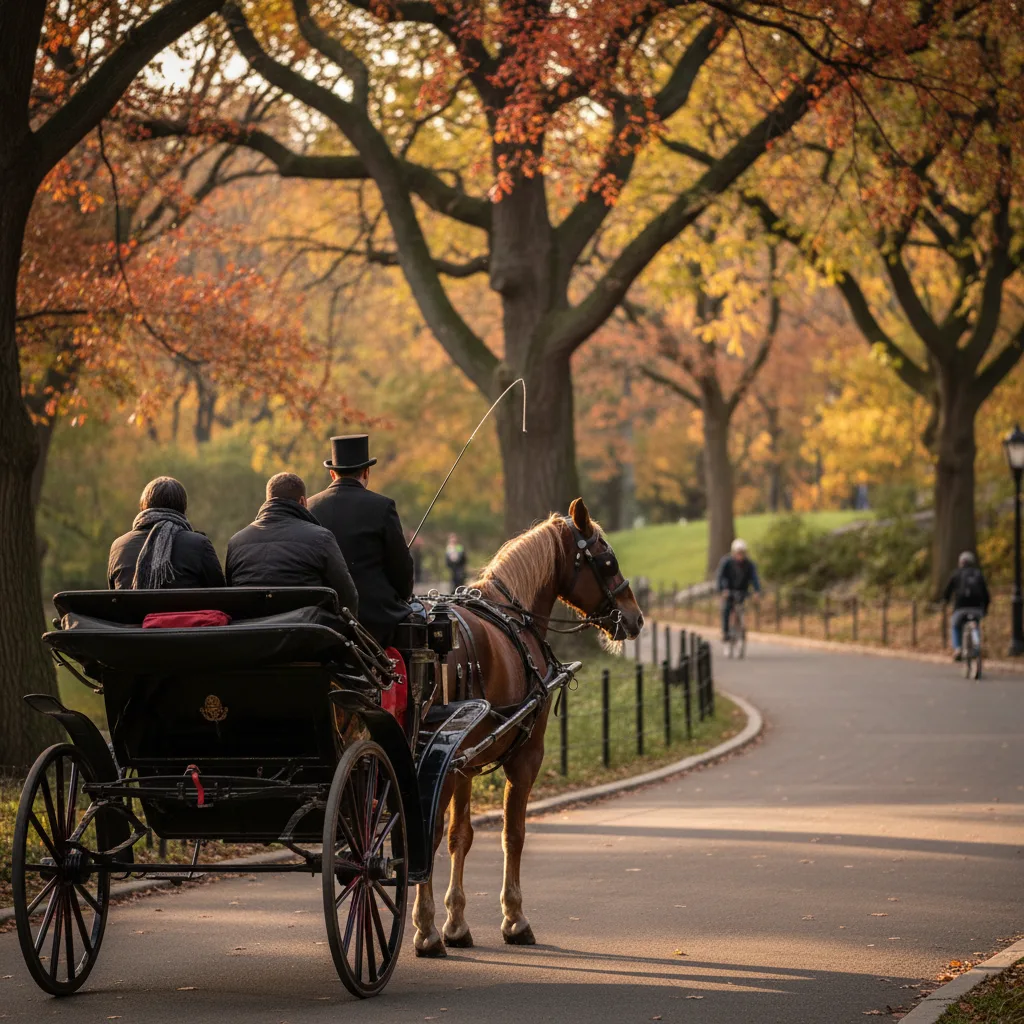
Mayor Mamdani Bans Central Park Horse Carriages, Effective 2028
Mayor Zohran Mamdani signed legislation on November 19, 2026, officially banning horse-drawn carriages in Central Park, with the ban taking effect on June 1, 2028.
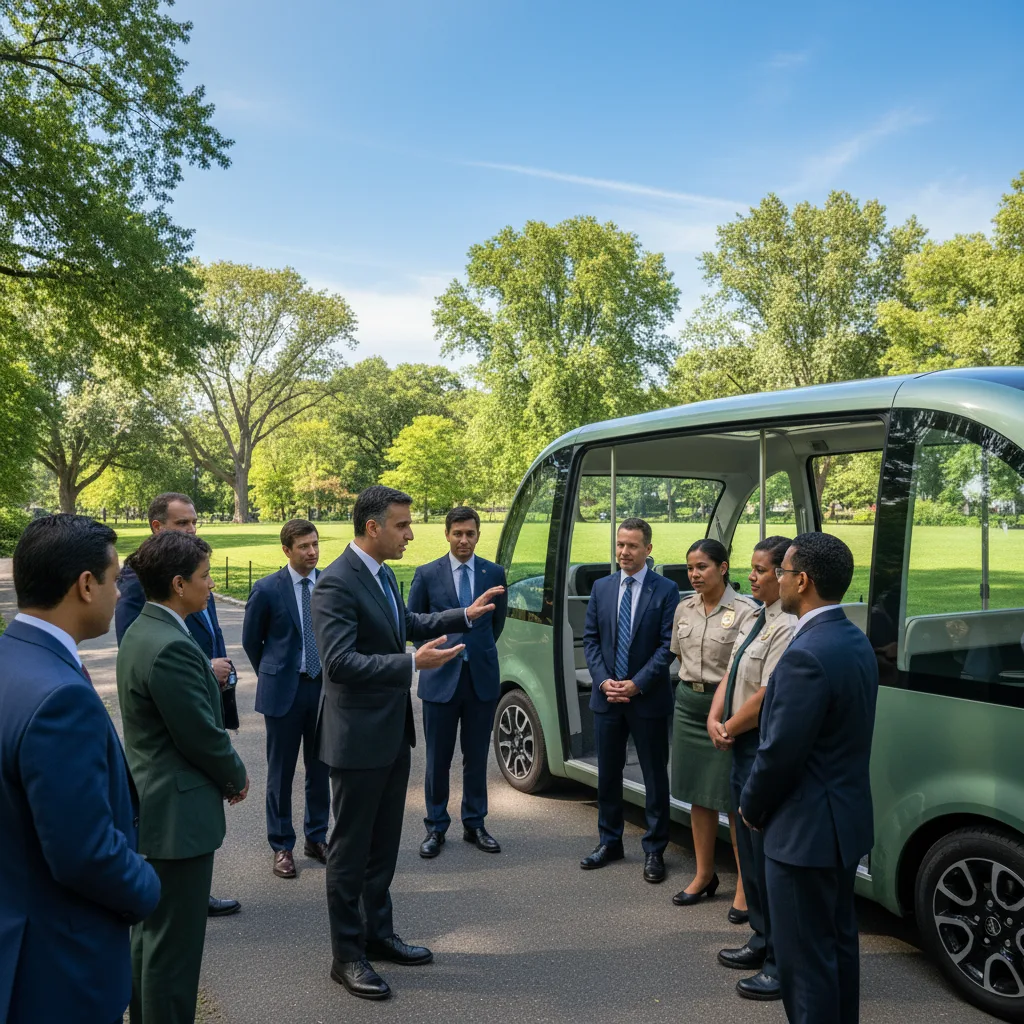
Mayor Mamdani Explores Electric Vehicles for Central Park Tourism
Mayor Zohran Mamdani is considering electric tourism vehicles for Central Park following the city's approval to end horse-carriage rides.