


Mayor Mamdani Confirms 2028 Central Park Horse Carriage Ban
Enjoying the coverage?
Central Park news, events and park updates in your inbox every Friday. Free; unsubscribe in one click.
Sent every Friday. By subscribing, you agree to our Terms of Use and Privacy Policy.
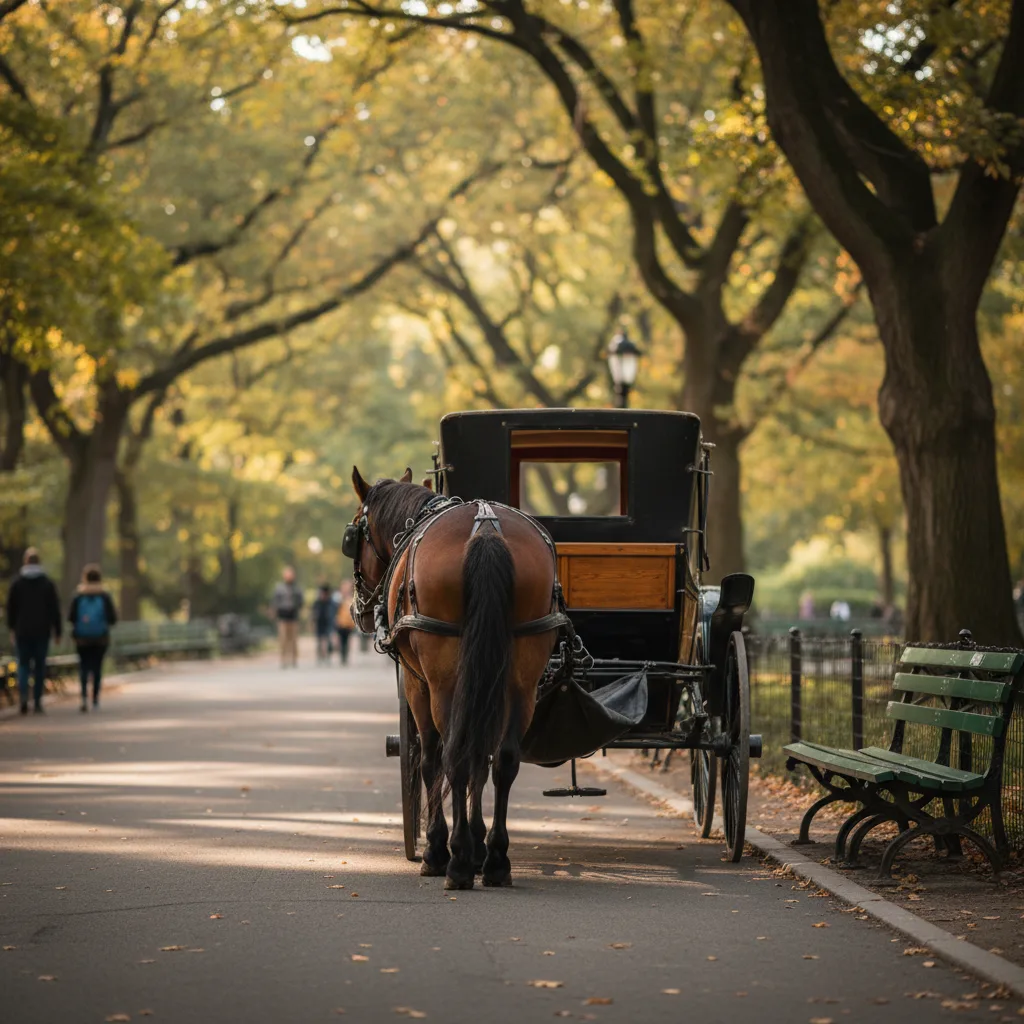
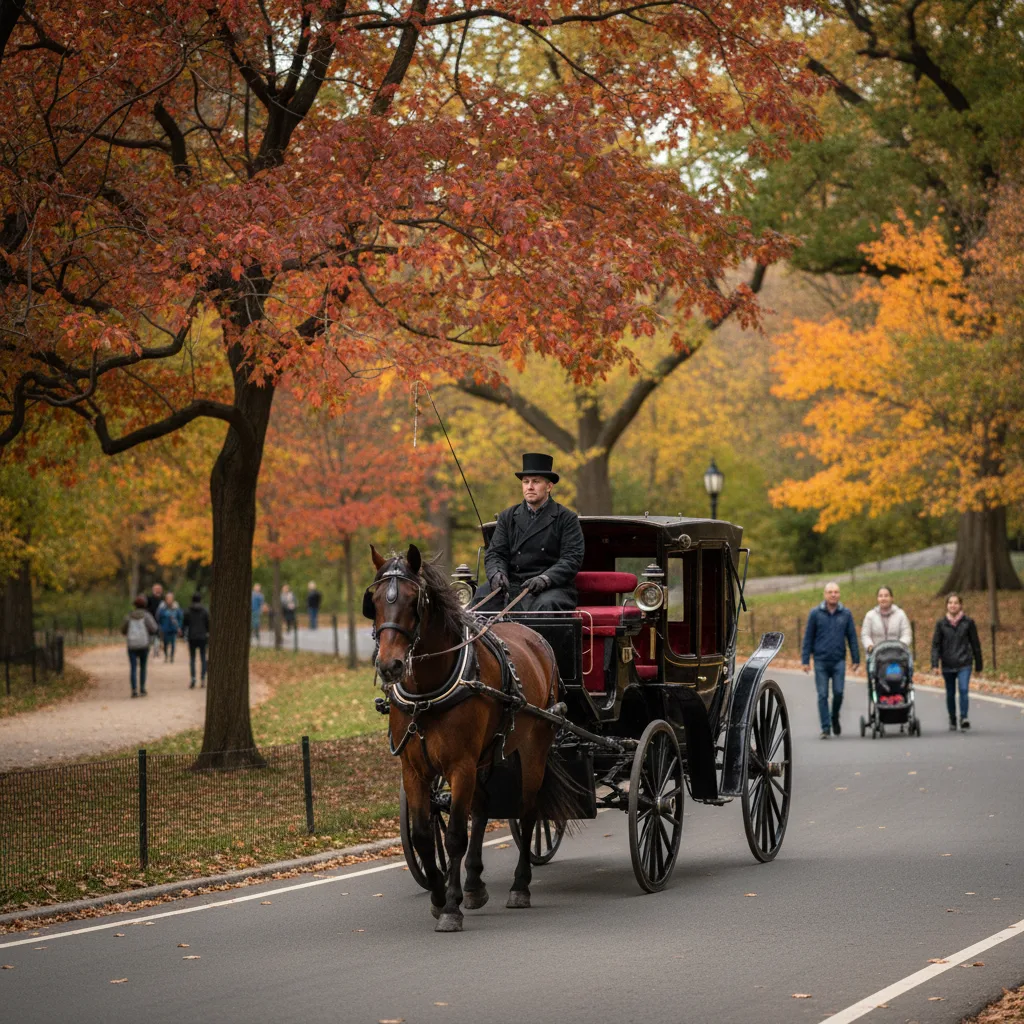
NEW YORK — Mayor Zohran Mamdani confirmed his intention to sign legislation that will ban horse-drawn carriages in New York City by 2028, despite recent pleas from industry workers. The announcement came during a public hearing at City Hall, underscoring a pivotal shift in urban policy affecting Central Park’s iconic landscape.
Romanch's Law Advances to Mayoral Signature
Mayor Mamdani presided over testimony concerning “Romanch’s Law,” a bill passed by the City Council with a significant 40–7 vote. This legislation aims to phase out horse-drawn carriages, a long-standing feature of Central Park tourism, over the next two years, according to CBS News. The measure gained traction following the tragic death of a tourist who was thrown from a carriage within Central Park, highlighting growing safety concerns surrounding the industry.
The bill’s passage through the City Council marks a significant legislative hurdle cleared. Its imminent signing by the mayor signifies the final step in enacting the ban, which will reshape a segment of Central Park’s visitor experience and the livelihoods of many long-time operators.
The Central Park News Friday Briefing
Central Park news, events and park updates in your inbox every Friday. Free; unsubscribe in one click.
Sent every Friday. By subscribing, you agree to our Terms of Use and Privacy Policy.
Horse Carriage Workers Urge Veto, Cite Livelihood Impact
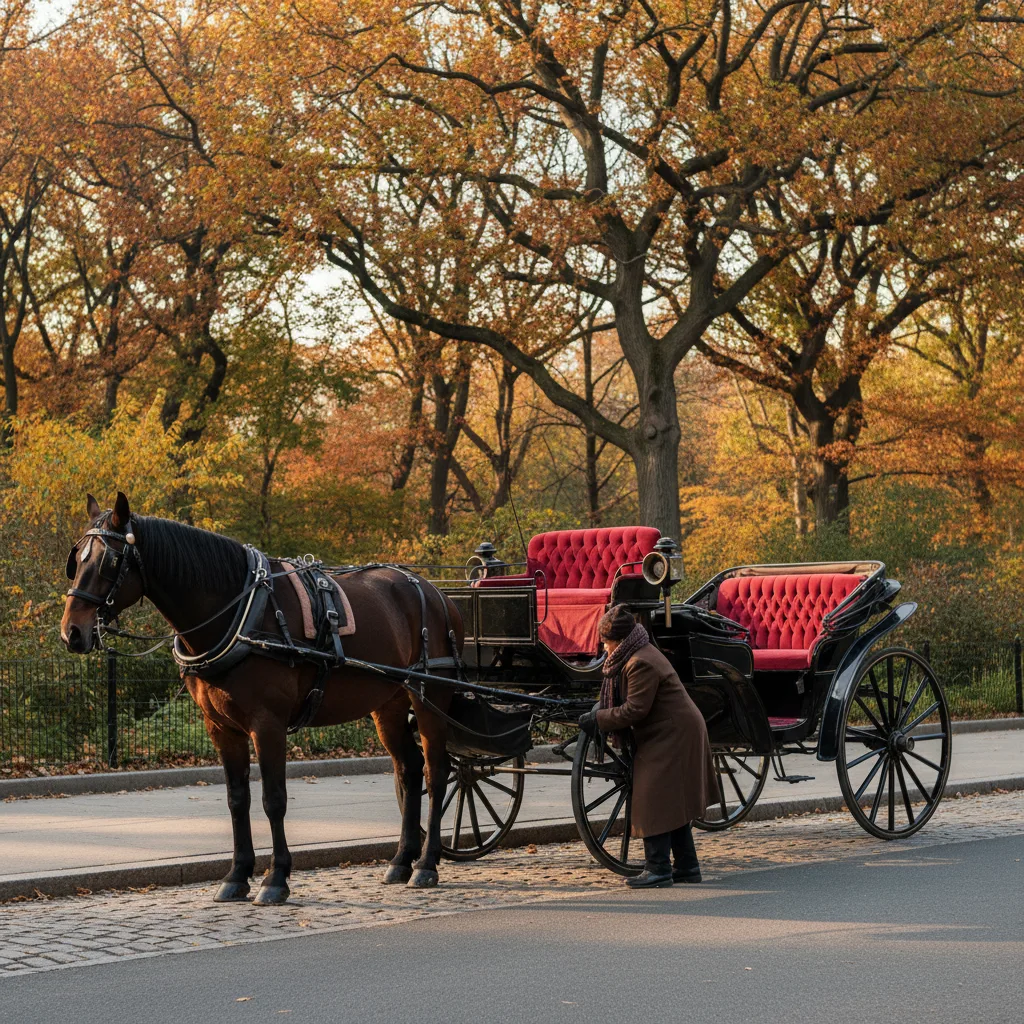
During the public hearing, a contingent of horse-carriage drivers and industry representatives presented passionate arguments against the ban. They implored Mayor Mamdani to veto the legislation, emphasizing the potential devastation to their livelihoods and the historical tradition the carriages represent, as reported by AMNY. Many drivers spoke of generations of family involvement in the trade, describing it as more than just a job but a way of life.
“This isn’t just about a job; it’s our heritage, our family business for decades,” said one driver, who preferred to remain anonymous due to fear of retribution. “Taking this away is taking away our entire identity and ability to provide for our families.” Their testimonies highlighted the deep personal and economic ties many have to the carriage industry.
Public Safety and Animal Welfare Drive Legislation
The impetus behind Romanch’s Law stems from dual concerns: public safety within Central Park and the welfare of the horses themselves. Proponents of the ban often cite incidents involving run-away horses or accidents as evidence of inherent risks. Animal welfare organizations have long advocated for ending the practice, arguing that urban environments are unsuitable for carriage horses.
The debate has intensified in recent years, with activists frequently staging protests near the Central Park South entrance where carriages typically line up. These groups contend that horses are subjected to harsh working conditions and traffic hazards, advocating for modern, electric alternatives that they say would maintain the park’s charm without compromising animal well-being.
Economic Transition and Alternative Solutions
With the ban slated for 2028, discussions have begun regarding economic transition plans for the affected workers. City officials have indicated a willingness to explore retraining programs and alternative employment opportunities for carriage drivers, possibly within the burgeoning electric vehicle tourism sector. This shift aims to mitigate the economic impact on individuals while still moving forward with the legislative intent.
Ideas such as electric horse-drawn replicas or self-driving electric shuttles have been floated as potential replacements. These alternatives aim to offer similar park experiences for visitors, particularly those enjoying the scenic routes around landmarks like Bow Bridge and Bethesda Terrace, while adhering to modern standards of safety and animal rights. The Central Park Conservancy has remained largely neutral, emphasizing visitor experience and park safety as paramount.
Legal Challenges and Industry Resistance Expected
The horse carriage industry is not expected to accept the ban without further resistance. Past attempts to introduce similar legislation have been met with fierce opposition and legal challenges from industry groups and unions. It is anticipated that the Transport Workers Union, which represents many carriage drivers, may pursue legal avenues to challenge the validity of Romanch’s Law post-signing.
Such legal battles could extend the implementation timeline or alter certain aspects of the ban. However, Mayor Mamdani’s firm stance suggests the city is prepared to defend the legislation in court, aiming to permanently remove horse-drawn carriages from Central Park’s roads and surrounding Midtown streets.
Frequently Asked Questions
What is Romanch’s Law and when does it take effect?
Romanch’s Law is legislation passed by the New York City Council that aims to ban horse-drawn carriages in Central Park and other areas of the city by 2028. Mayor Zohran Mamdani has stated his intention to sign the bill, which will officially enact the law and set the phase-out period.
What impact will this ban have on Central Park visitors?
Visitors to Central Park will see a gradual phasing out of traditional horse-drawn carriages over the next two years. While the exact alternatives are still being discussed, the city hopes to introduce environmentally friendly electric vehicles that can offer similar scenic tours through the park, maintaining a historic visitor attraction in a new form. This aligns with broader efforts to modernize park operations, including initiatives like the Central Park Stormwater System Begins $35.7M Upgrade.
Are there any economic support plans for carriage drivers?
The city is exploring various economic transition programs for horse carriage drivers and related industry workers who will be affected by the ban. These plans may include job retraining, assistance in finding alternative employment, and potentially support for transitioning to new roles within the city’s tourism sector. Details are expected to be finalized as the 2028 deadline approaches.
The Central Park News Friday Briefing
Central Park news, events and park updates in your inbox every Friday. Free; unsubscribe in one click.
Sent every Friday. By subscribing, you agree to our Terms of Use and Privacy Policy.
Related Articles
More in Urban Policy & Development →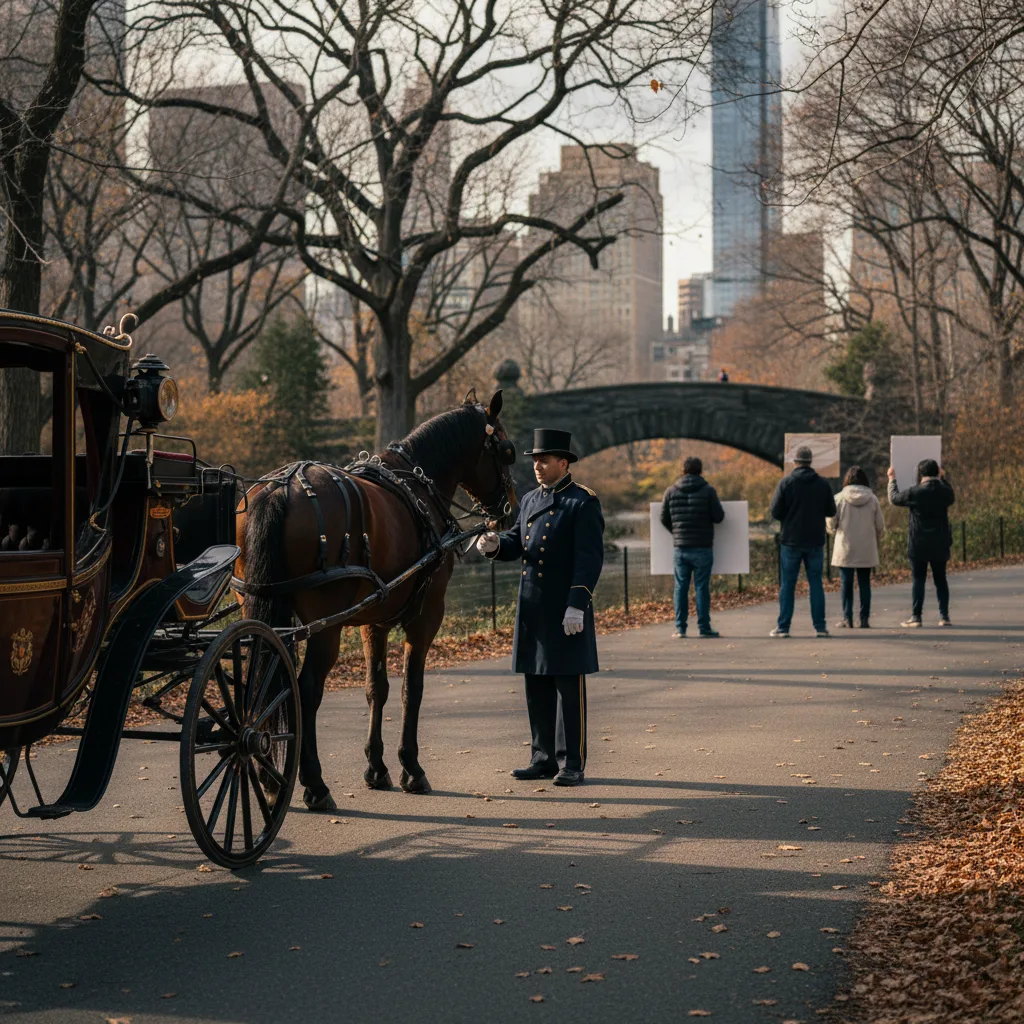
Mayor Mamdani Signs Horse Carriage Ban, Industry Sues City
Mayor Zohran Mamdani signed a bill into law Thursday that will phase out New York City's horse-drawn carriage industry, prompting an immediate lawsuit from carriage drivers.
NYC Carriage Drivers Sue City Over Horse-Drawn Carriage Ban
Central Park's horse-drawn carriage drivers filed a lawsuit against New York City on Thursday, November 19, 2026, challenging a new law banning their operations.
Mayor Mamdani Signs Law Phasing Out NYC Horse Carriages by 2028
Mayor Zohran Mamdani signed legislation on November 20, 2026, to phase out New York City's horse-drawn carriage industry by June 1, 2028.
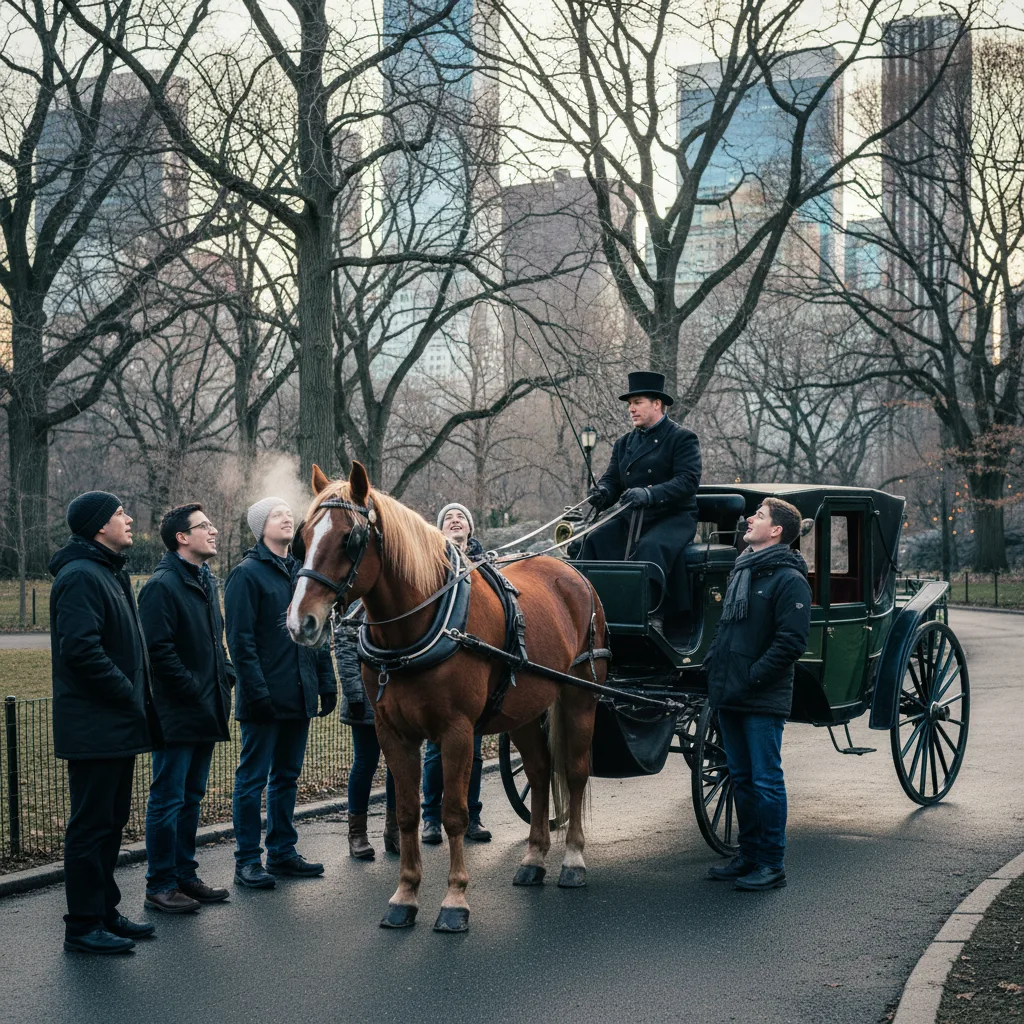
Central Park Carriage Drivers Sue NYC Over Mamdani Ban
Central Park horse-drawn carriage drivers filed a federal lawsuit against New York City on November 20, 2026, challenging Mayor Zohran Mamdani's ban.
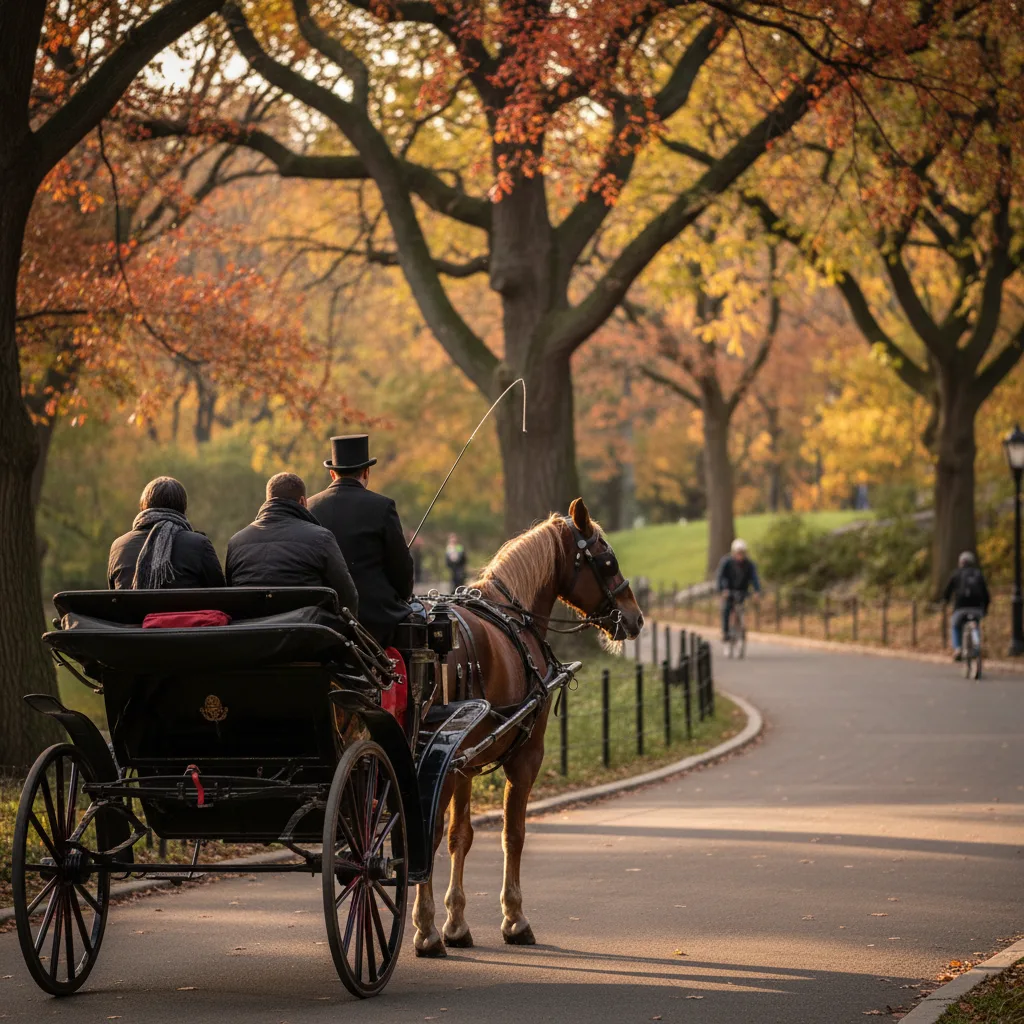
Mayor Mamdani Bans Central Park Horse Carriages, Effective 2028
Mayor Zohran Mamdani signed legislation on November 19, 2026, officially banning horse-drawn carriages in Central Park, with the ban taking effect on June 1, 2028.

Mayor Mamdani Explores Electric Vehicles for Central Park Tourism
Mayor Zohran Mamdani is considering electric tourism vehicles for Central Park following the city's approval to end horse-carriage rides.