


Central Park Conservancy President Addresses Horse Carriage Medallion Value

Enjoying the coverage?
Central Park news, events and park updates in your inbox every Friday. Free; unsubscribe in one click.
Sent every Friday. By subscribing, you agree to our Terms of Use and Privacy Policy.
NEW YORK — The Central Park Conservancy president addressed concerns regarding the value of horse-drawn carriage medallions, quoting a Daily News editorial that placed their value at approximately $400,000 apiece. The discussion, reported by WestSideRag.com, centered on the potential for these medallions to become worthless if a proposed ban on horse-drawn carriages proceeds.
Medallion Values at Risk Amid Proposed Ban
The Conservancy president's statement underscored the significant financial implications for carriage operators should the medallions be voided. The Daily News editorial highlighted that such an action would render their value "zero," impacting numerous small businesses and drivers.
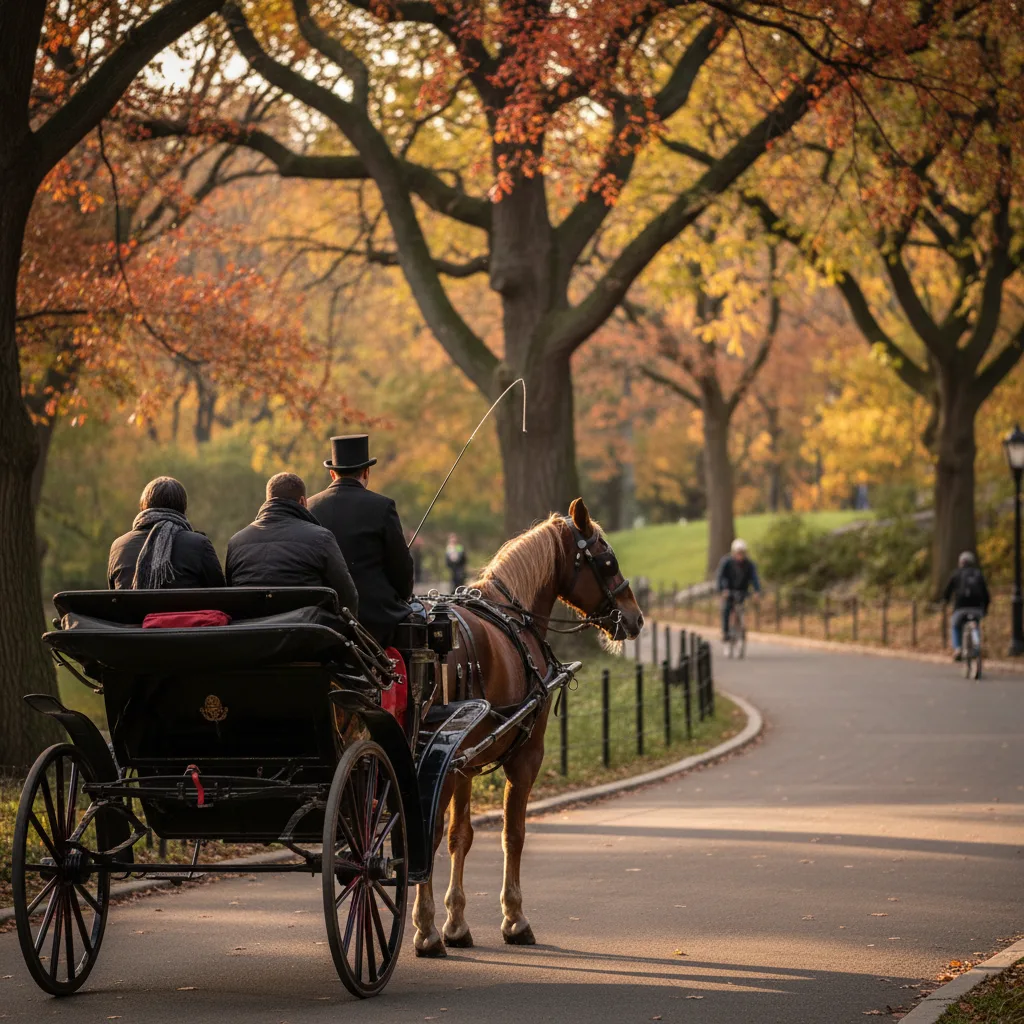
This issue has been a point of contention between animal welfare advocates, city officials, and the carriage industry for years. The debate often takes place on the scenic paths near the Lake, where carriages frequently operate.
The Central Park News Friday Briefing
Central Park news, events and park updates in your inbox every Friday. Free; unsubscribe in one click.
Sent every Friday. By subscribing, you agree to our Terms of Use and Privacy Policy.
Ongoing Debate Over Horse-Drawn Carriages
The controversy surrounding horse-drawn carriages in Central Park continues to fuel public discussion and political debate. Advocates for a ban cite animal welfare concerns, while drivers emphasize the tradition and economic livelihood the industry provides.
Efforts to ban the carriages have gained momentum at various times, often prompting strong opposition from those whose livelihoods depend on them. The WestSideRag.com bulletin provided an update on this and other park-related news.
Economic Impact on Carriage Operators
The potential loss of $400,000 per medallion represents a substantial financial blow for each carriage owner and operator. Many drivers have invested their life savings into these medallions, viewing them as valuable assets.
This economic factor is a primary reason for the fierce resistance from the carriage industry to any proposed ban. The livelihood of numerous families, many of whom have operated carriages in Central Park for generations, hangs in the balance.
Historical Context of Central Park Carriages
Horse-drawn carriages have been an iconic part of Central Park's landscape for over 150 years, dating back to the park's early days. They represent a traditional mode of sightseeing that many tourists and New Yorkers associate with the park's charm.
The history of the carriages is deeply intertwined with the park's development and its image as a romantic, old-world destination. This long-standing tradition is often cited by those who wish to preserve the industry.
Regulatory Challenges and Future Outlook
Implementing a ban on horse-drawn carriages presents complex regulatory and logistical challenges for New York City officials. Beyond the economic impact, there are questions about alternative employment for drivers and new uses for the stable facilities.
As discussions continue, the future of the horse-drawn carriage industry in Central Park remains uncertain. The park's entrance at West 59th Street and Fifth Avenue, where carriages typically stage, serves as a focal point for much of this ongoing debate.
Frequently Asked Questions
What is the primary argument against horse-drawn carriages in Central Park?
The primary argument against horse-drawn carriages in Central Park often centers on animal welfare concerns, with advocates citing issues related to the horses' working conditions, safety, and overall well-being in an urban environment.
What alternatives to horse-drawn carriages have been proposed for Central Park?
Various alternatives have been proposed, including electric vehicles designed to resemble traditional carriages or pedicabs. The goal is to maintain a classic park touring experience without the use of live animals.
How would a ban on horse-drawn carriages affect tourism in Central Park?
Proponents of the carriages argue that a ban could diminish Central Park's appeal as a tourist destination, as the carriages are considered a quintessential New York experience. Opponents believe modern alternatives or other attractions would fill any perceived void.
The Central Park News Friday Briefing
Central Park news, events and park updates in your inbox every Friday. Free; unsubscribe in one click.
Sent every Friday. By subscribing, you agree to our Terms of Use and Privacy Policy.
Related Articles
More in Urban Policy & Development →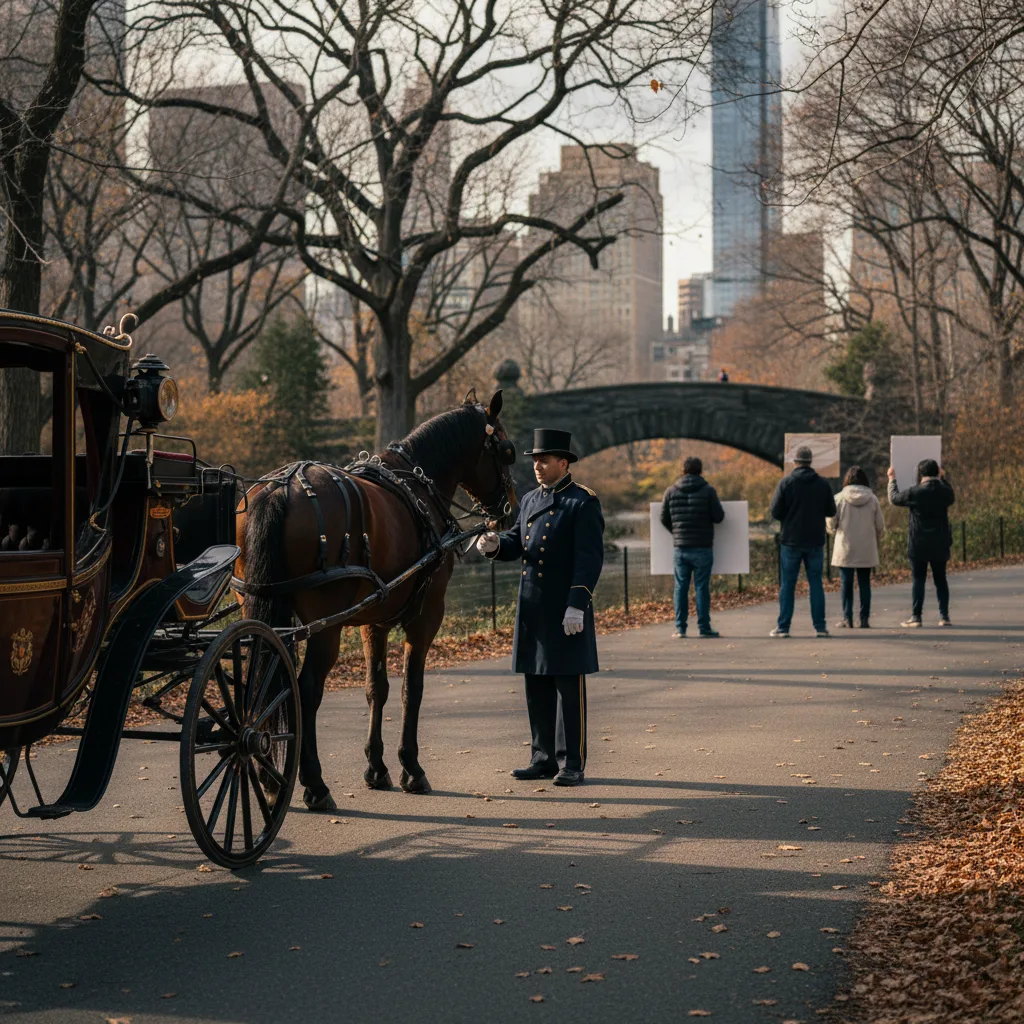
Mayor Mamdani Signs Horse Carriage Ban, Industry Sues City
Mayor Zohran Mamdani signed a bill into law Thursday that will phase out New York City's horse-drawn carriage industry, prompting an immediate lawsuit from carriage drivers.
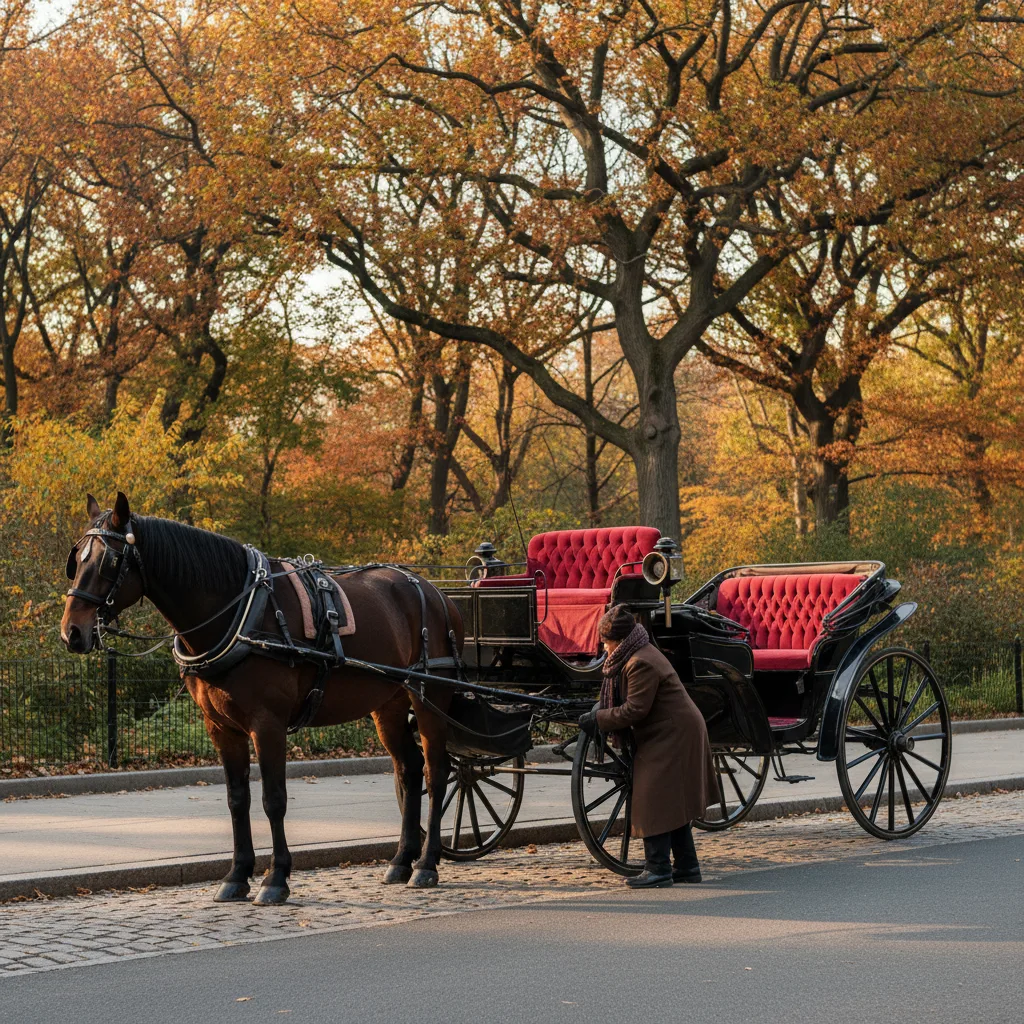
NYC Carriage Drivers Sue City Over Horse-Drawn Carriage Ban
Central Park's horse-drawn carriage drivers filed a lawsuit against New York City on Thursday, November 19, 2026, challenging a new law banning their operations.
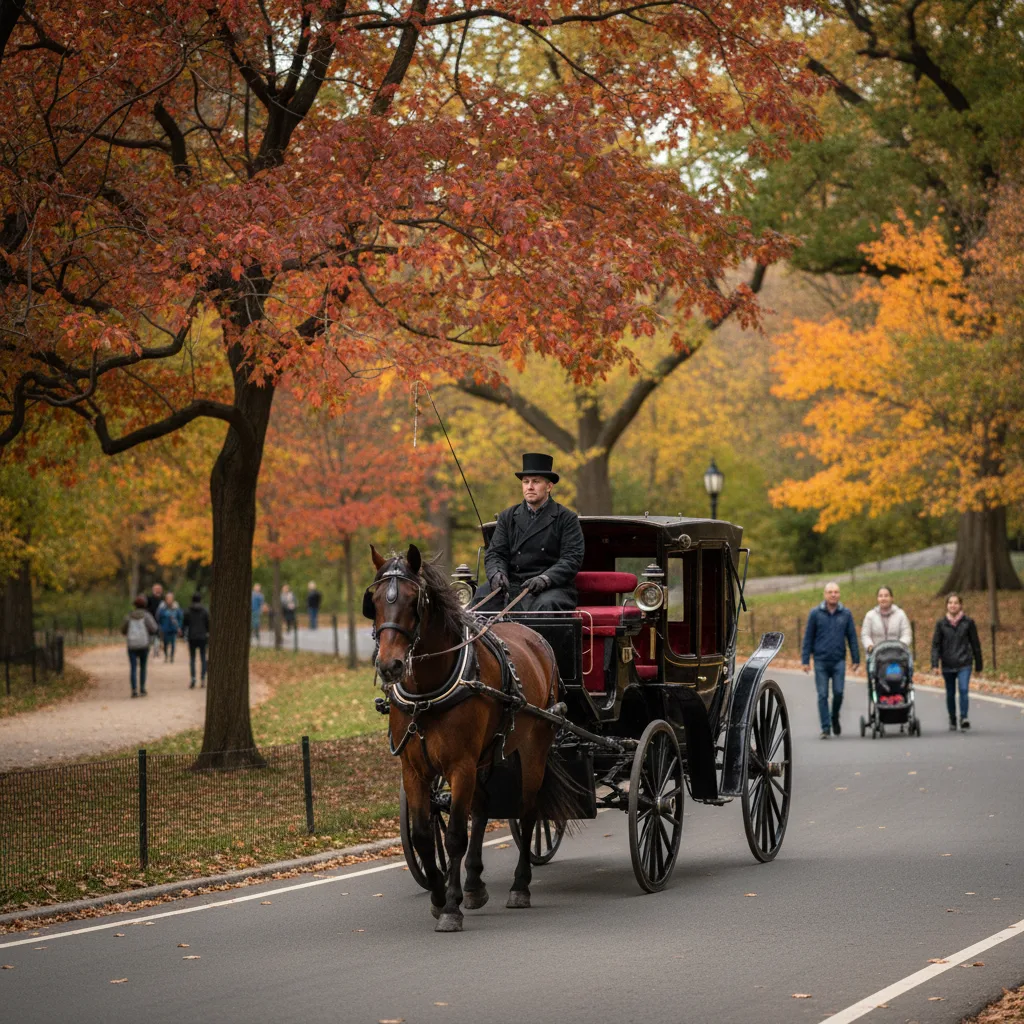
Mayor Mamdani Signs Law Phasing Out NYC Horse Carriages by 2028
Mayor Zohran Mamdani signed legislation on November 20, 2026, to phase out New York City's horse-drawn carriage industry by June 1, 2028.
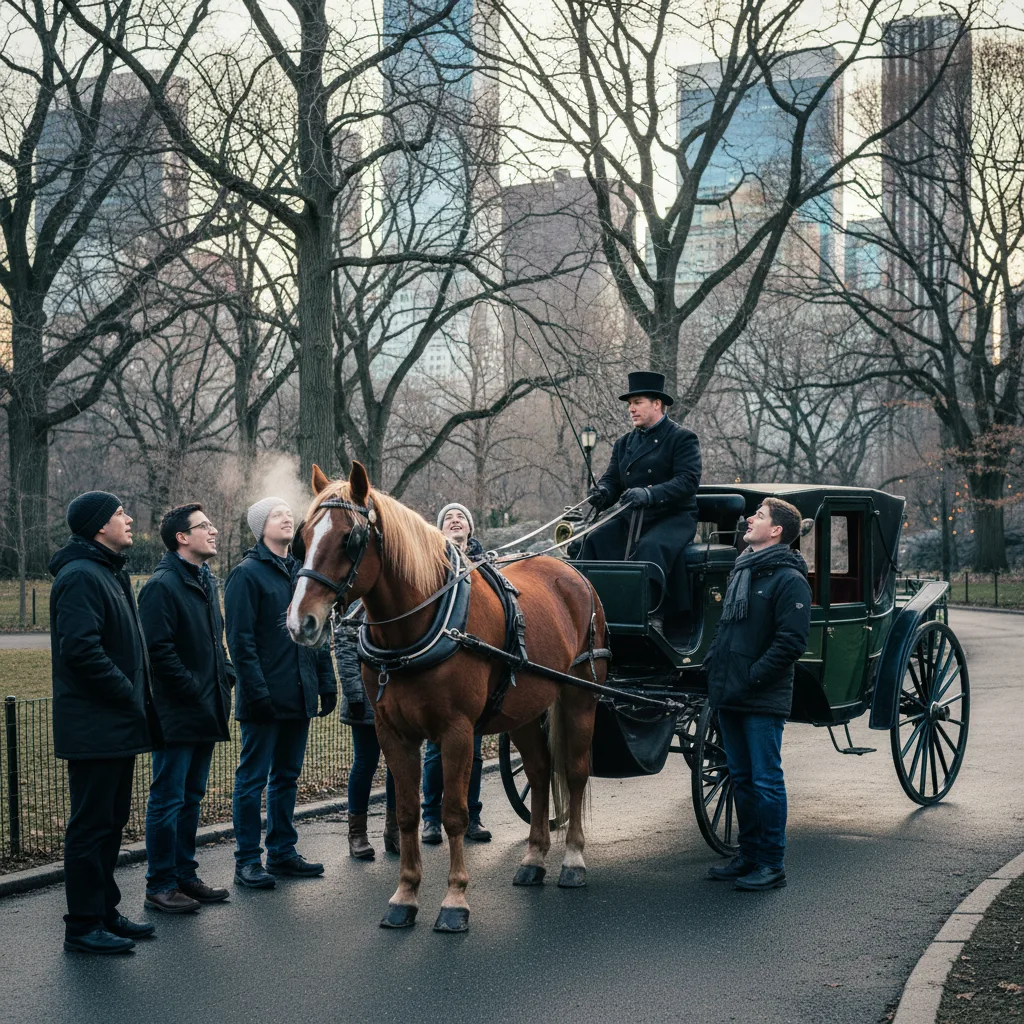
Central Park Carriage Drivers Sue NYC Over Mamdani Ban
Central Park horse-drawn carriage drivers filed a federal lawsuit against New York City on November 20, 2026, challenging Mayor Zohran Mamdani's ban.
Mayor Mamdani Bans Central Park Horse Carriages, Effective 2028
Mayor Zohran Mamdani signed legislation on November 19, 2026, officially banning horse-drawn carriages in Central Park, with the ban taking effect on June 1, 2028.

Mayor Mamdani Explores Electric Vehicles for Central Park Tourism
Mayor Zohran Mamdani is considering electric tourism vehicles for Central Park following the city's approval to end horse-carriage rides.