

Central Park Conservancy Centralizes Press Inquiries for 2026
Enjoying the coverage?
Central Park news, events and park updates in your inbox every Friday. Free; unsubscribe in one click.
Sent every Friday. By subscribing, you agree to our Terms of Use and Privacy Policy.
NEW YORK — The Central Park Conservancy announced new centralized protocols for handling press inquiries, effective immediately, aiming to streamline communication and enhance transparency for media outlets. This decision comes after a review of media engagement practices throughout the past year, according to Conservancy officials.
Conservancy Streamlines Media Access
Central Park Conservancy CEO Elizabeth Hamby confirmed Monday the implementation of a new contact method for all media inquiries related to the park's operations, events, and maintenance. This consolidation aims to provide reporters with a single point of contact for timely and accurate information.
Reporters are now directed to email their requests to a dedicated press office address, a shift designed to manage the increasing volume of inquiries effectively, the Conservancy said in a statement released Monday morning. This centralized approach affects all aspects of park reporting, from routine maintenance to major upcoming events like the SummerStage 2026 concert series.
The Central Park News Friday Briefing
Central Park news, events and park updates in your inbox every Friday. Free; unsubscribe in one click.
Sent every Friday. By subscribing, you agree to our Terms of Use and Privacy Policy.
Elizabeth Hamby on Enhanced Transparency
"Our goal with these new protocols is to ensure that journalists receive the most accurate and up-to-date information efficiently and consistently," Elizabeth Hamby, CEO of the Central Park Conservancy, told reporters at a briefing Monday. "We recognize the vital role the press plays in informing the public about Central Park, and this initiative is a direct response to feedback we've received, particularly concerning larger events and urban policy discussions that affect park operations."
Hamby emphasized that the change would foster clearer communication channels, reducing delays and potential misunderstandings that can arise from fragmented contact points. The Conservancy hopes this will support more thorough reporting on the park's diverse activities and challenges, particularly around the Bethesda Terrace area, a frequent spot for film crews and public gatherings.
Operational Impact on Reporting Schedules
Under the new guidelines, all media requests, including interview scheduling, site visits, and data inquiries, will be routed through a single email address: [email protected]. This system is intended to categorize and direct inquiries to the appropriate department heads or subject matter experts within the Conservancy. Previously, various departments might handle media requests independently, leading to occasional inconsistencies in responses.
The press office will also coordinate access for photographers and videographers, especially for high-traffic areas like Sheep Meadow or the Jacqueline Kennedy Onassis Reservoir loop. This coordination is crucial to balance media needs with public access and the daily flow of park visitors, ensuring that reporting does not disrupt the park experience.
Broader Context of Urban Policy Reporting
This move by the Central Park Conservancy aligns with broader trends in urban policy and development where major public-private partnerships seek more controlled messaging. Organizations managing significant public spaces often centralize communications to maintain a unified voice and manage public perception, particularly when addressing sensitive topics or large-scale projects affecting local communities, such as those discussed in articles about Central Park Conservancy press inquiry protocols.
The Conservancy, as a private not-for-profit organization that manages Central Park under a contract with the City of New York, holds a unique position in the city's public landscape. Its operations directly impact millions of visitors annually and involve significant public and private funding, making transparent and efficient communication paramount for public trust. Efforts to reinforce transparency are particularly relevant for topics like the Central Park Conservancy transparency for press inquiries, as the park continues to be a focal point for both local and international media.
Next Steps for Media Professionals
Media professionals are advised to update their contact information for the Central Park Conservancy and direct all future inquiries to the newly designated email address. The Conservancy press office has indicated that a response will be provided within 24-48 business hours, depending on the complexity of the request. For urgent matters, a follow-up phone number may be provided after initial email contact.
The new system is expected to improve the overall quality and speed of information dissemination, benefiting both the media and the public who rely on accurate reporting about New York City's most iconic green space. The goal is to facilitate seamless communication, ensuring that journalists can effectively cover the diverse stories emerging from the park, from wildlife initiatives to major events.
Frequently Asked Questions
How will the new press inquiry system affect urgent news requests from journalists? The Central Park Conservancy's new protocol requires initial inquiries via a dedicated email address, [email protected]. While the standard response time is 24-48 business hours, the press office has stated that provisions for urgent requests will be handled on a case-by-case basis after the initial email contact. Journalists should clearly indicate the urgency in their email to expedite the process, ensuring that critical information can still be disseminated in a timely manner.
What kind of information can journalists expect to receive through the centralized press office? Journalists can expect to receive official statements, background information, expert interviews on park ecology and operations, and details regarding upcoming events, maintenance projects, and urban policy discussions affecting Central Park. The centralized office aims to provide comprehensive and consistent information, coordinating across various departments, from horticulture to public programming, for a unified response to media inquiries. This ensures accuracy across all topics related to the park's management.
The Central Park News Friday Briefing
Central Park news, events and park updates in your inbox every Friday. Free; unsubscribe in one click.
Sent every Friday. By subscribing, you agree to our Terms of Use and Privacy Policy.
Related Articles
More in Urban Policy & Development →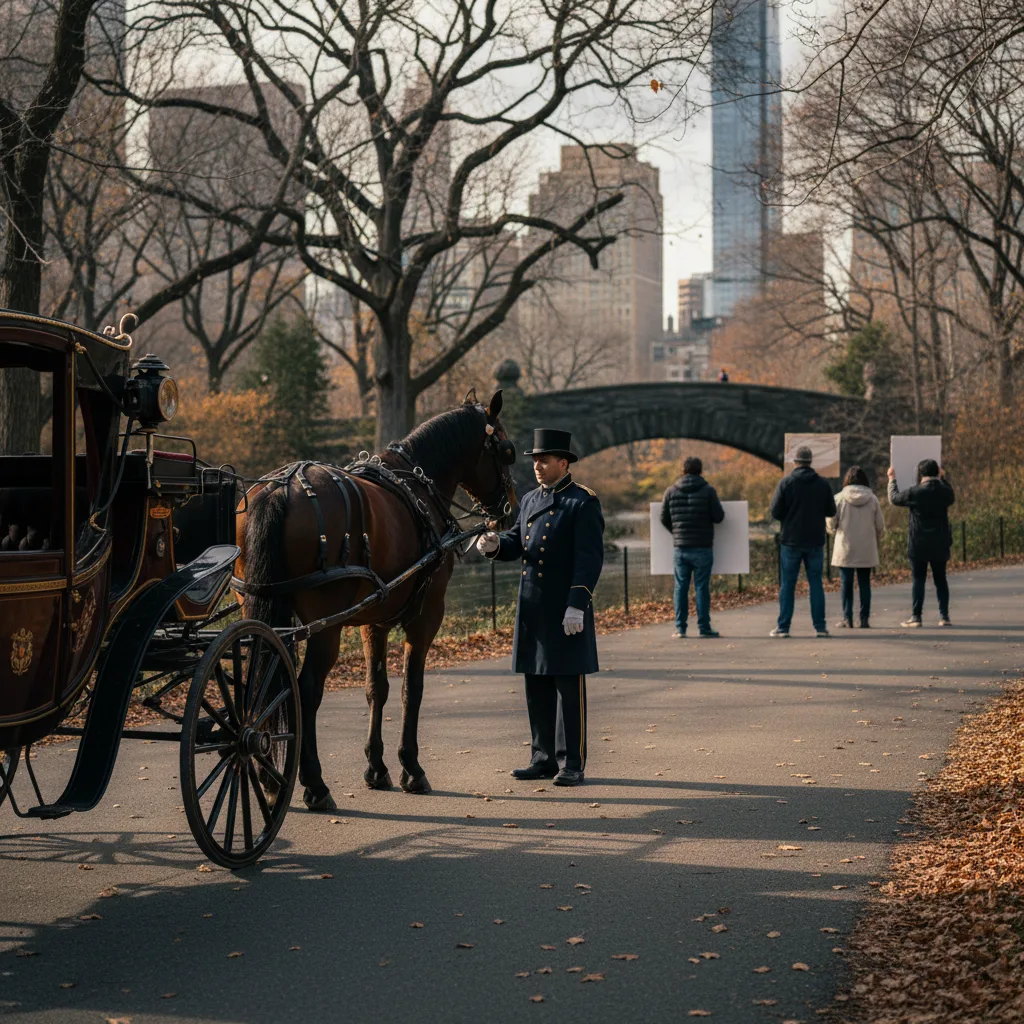
Mayor Mamdani Signs Horse Carriage Ban, Industry Sues City
Mayor Zohran Mamdani signed a bill into law Thursday that will phase out New York City's horse-drawn carriage industry, prompting an immediate lawsuit from carriage drivers.
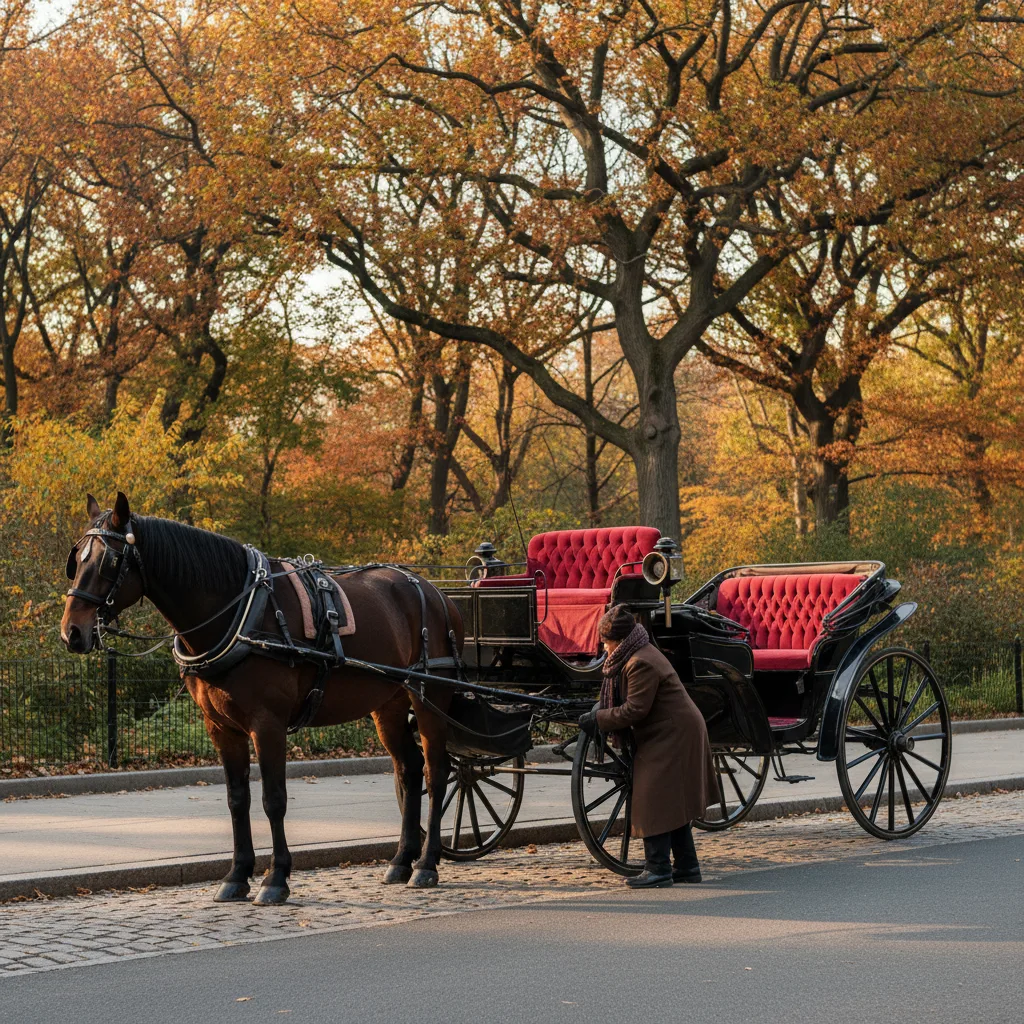
NYC Carriage Drivers Sue City Over Horse-Drawn Carriage Ban
Central Park's horse-drawn carriage drivers filed a lawsuit against New York City on Thursday, November 19, 2026, challenging a new law banning their operations.
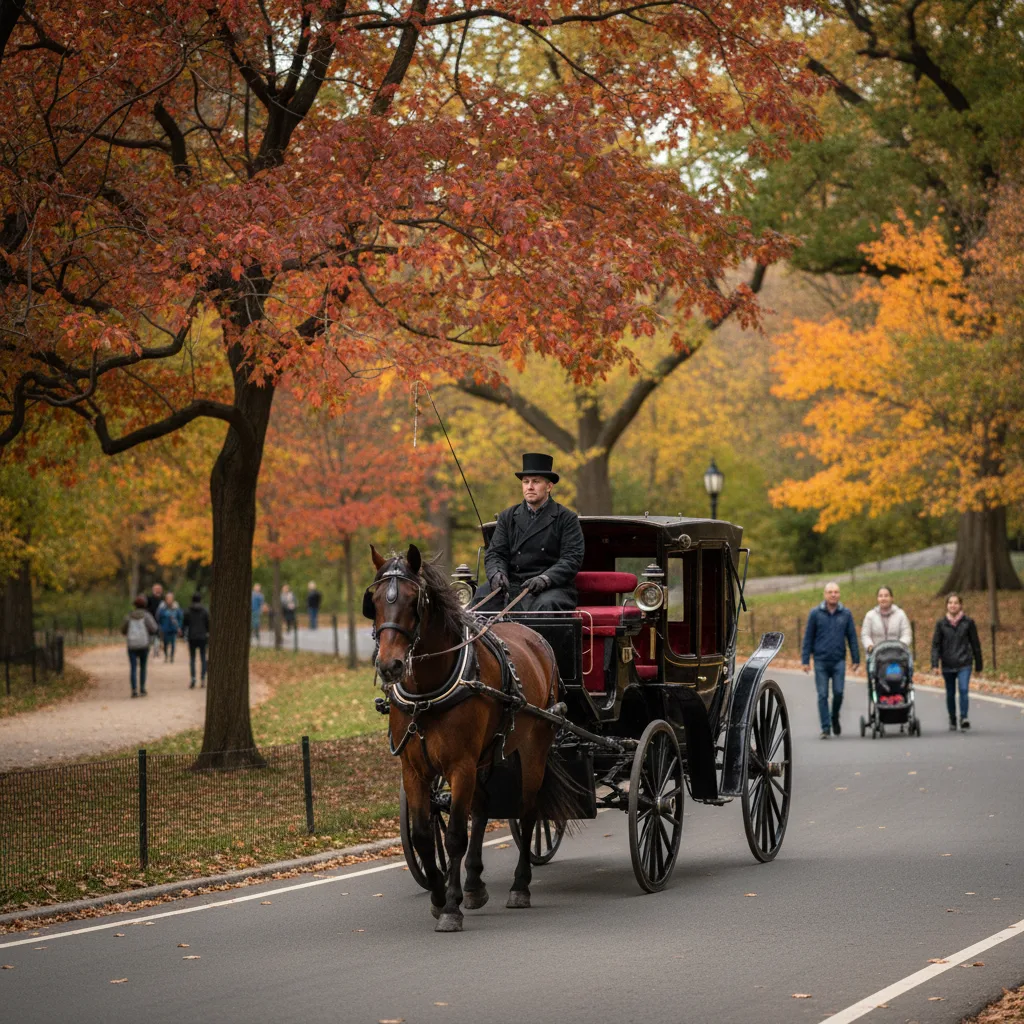
Mayor Mamdani Signs Law Phasing Out NYC Horse Carriages by 2028
Mayor Zohran Mamdani signed legislation on November 20, 2026, to phase out New York City's horse-drawn carriage industry by June 1, 2028.
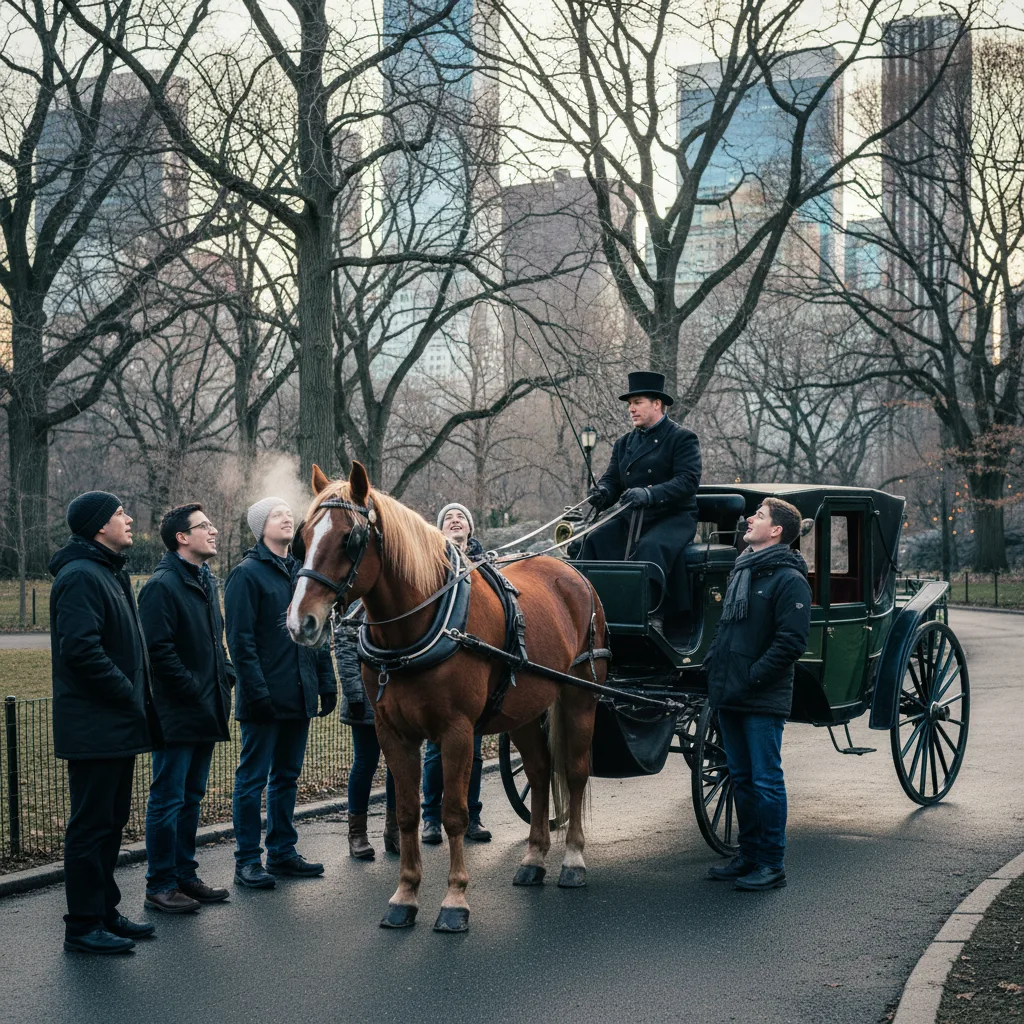
Central Park Carriage Drivers Sue NYC Over Mamdani Ban
Central Park horse-drawn carriage drivers filed a federal lawsuit against New York City on November 20, 2026, challenging Mayor Zohran Mamdani's ban.
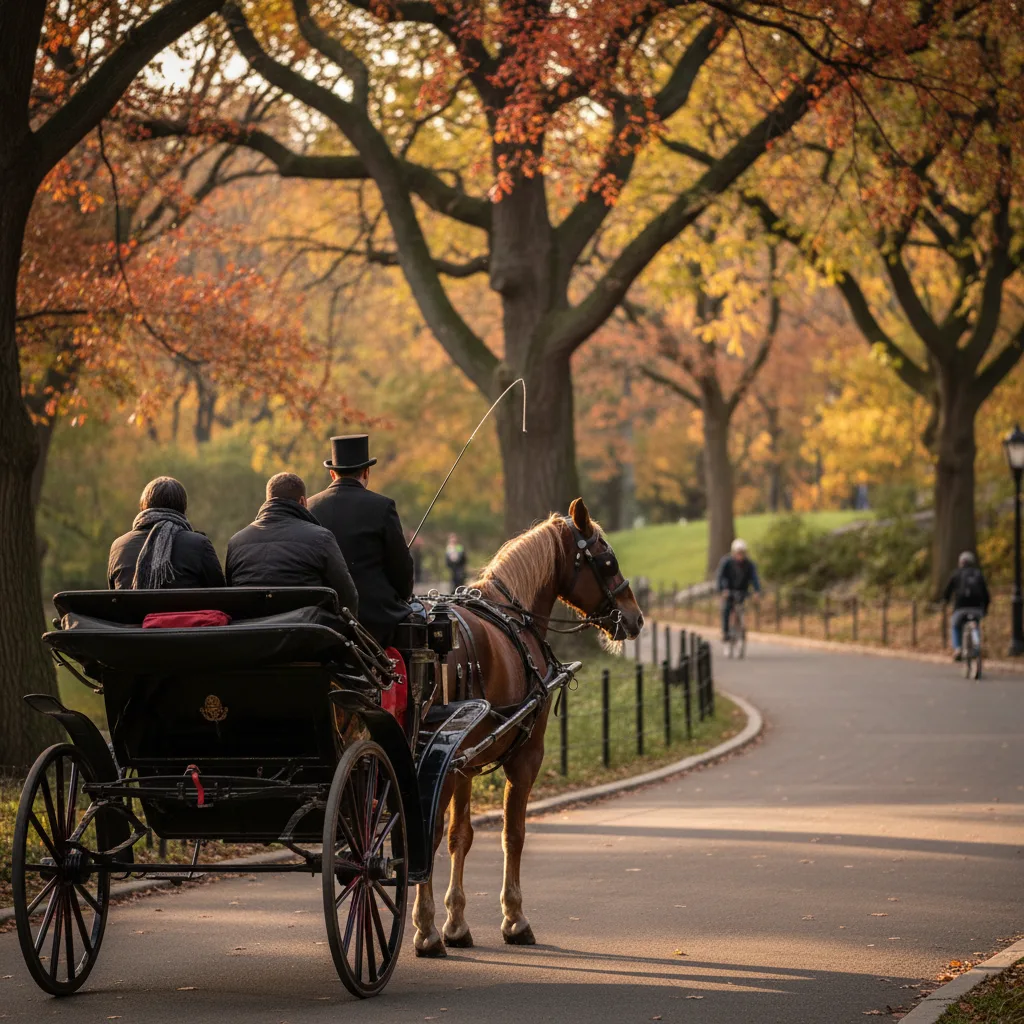
Mayor Mamdani Bans Central Park Horse Carriages, Effective 2028
Mayor Zohran Mamdani signed legislation on November 19, 2026, officially banning horse-drawn carriages in Central Park, with the ban taking effect on June 1, 2028.
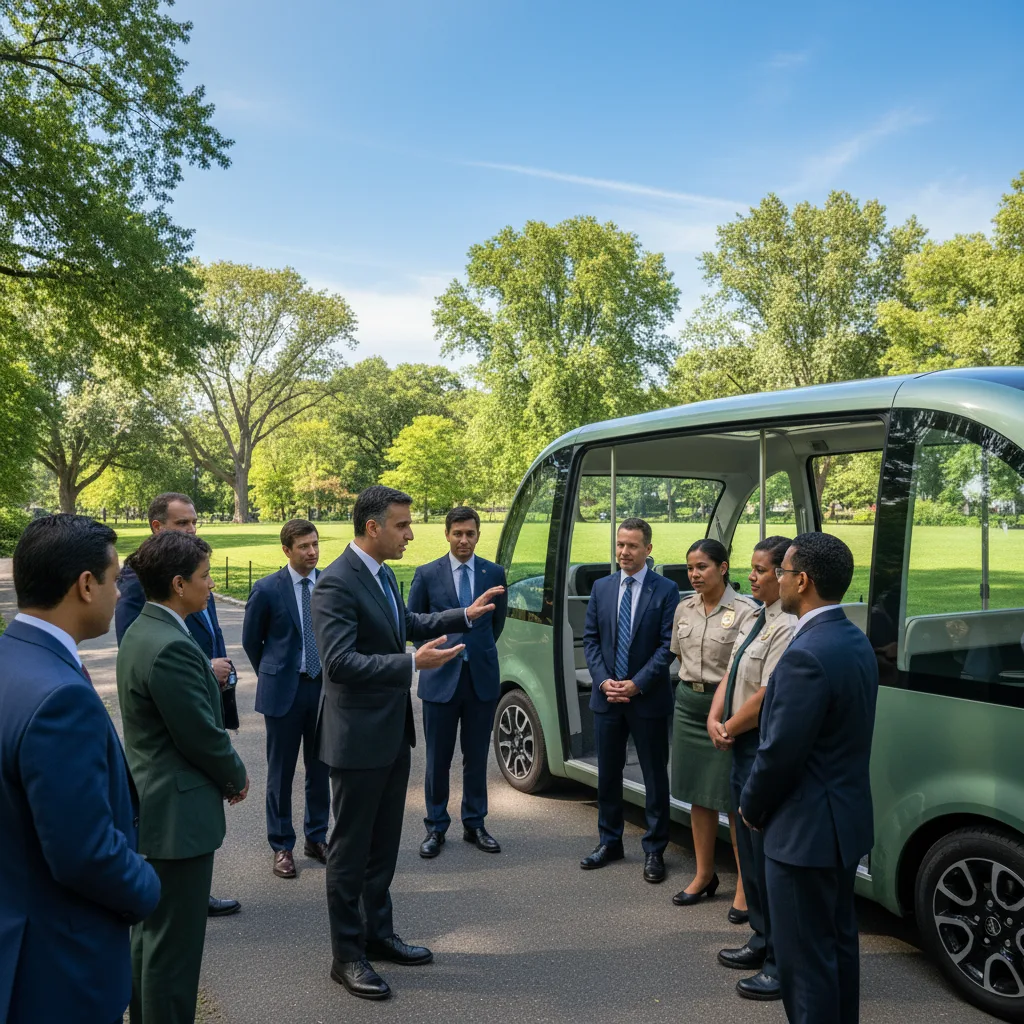
Mayor Mamdani Explores Electric Vehicles for Central Park Tourism
Mayor Zohran Mamdani is considering electric tourism vehicles for Central Park following the city's approval to end horse-carriage rides.